


 English
 中文简体
中文简体 русский
 Español
 عربى
عربى
H-016 Ethylene-Vinyl Acetate Fabric Suitcase
Material:600 Polyester
Size:20"24"28"32"




The key feature of an Expandable Capacity Suitcase is the expansion section. This part is commonly positioned around the upper or middle area of the suitcase body and remains compressed during normal use.
When more room is needed, the expansion zipper can be opened. The gusset then extends outward, increasing the internal depth of the case. The actual amount of added space depends on the body construction and the width of the expansion panel.
This design gives one suitcase two practical configurations. It can remain relatively compact when carrying a smaller load or provide additional room when packing requirements increase.
The outer shell or fabric body plays an important role in how an expandable suitcase performs. Hard-shell designs may use materials such as polycarbonate or ABS, while soft luggage commonly uses polyester, nylon, or similar woven fabrics.
Each material creates a different balance between structure, weight, flexibility, and appearance. A fabric suitcase can integrate an expandable section naturally into its body, while a hard-shell model needs a carefully designed flexible joint or expansion area.
The expansion section also needs to connect smoothly with the main body. Uneven stitching, poorly positioned zippers, or excessive tension can affect the appearance and usability of the luggage.
Adding volume is only part of the design. An Expandable Capacity Suitcase also needs an internal layout that remains useful when the case becomes deeper.
Common interior elements include zippered compartments, compression panels, elastic straps, mesh pockets, and divider sections. These features help separate clothing, accessories, documents, and smaller belongings.
When the expansion section is opened, the interior depth changes. Manufacturers therefore need to consider how divider panels and compression systems behave in both compact and expanded configurations.
Extra storage space can change how a suitcase feels when moved. Once the case becomes fuller, its weight distribution can also change.
Wheel positioning, handle placement, and body proportions therefore need to work together. Four-wheel spinner systems are often paired with expandable luggage because they allow the suitcase to move in several directions.
The telescopic handle is another important component. Its position should provide a comfortable pulling angle without interfering with the expandable structure or internal storage area.
Producing an Expandable Capacity Suitcase involves more than assembling a standard suitcase and adding an extra zipper. The expansion panel, main body, zipper track, lining, frame, wheels, and handle need to work as one system.
For soft luggage, sewing accuracy is especially important around the gusset and zipper area. Pattern dimensions need to remain consistent so the expansion section opens evenly.
For hard luggage, manufacturers need to coordinate rigid shell components with flexible expansion parts. The transition between these materials becomes an important point in the product's overall design.
The practical appeal of an Expandable Capacity Suitcase comes from its adjustable storage format. A compact configuration can be useful when travelers want to reduce unused space, while the expanded configuration provides additional room when packing requirements change.
This flexibility also creates opportunities for luggage brands and wholesalers to develop different product series. Capacity, shell material, wheel configuration, handle design, interior organization, and surface finish can all be adjusted without changing the basic concept.
As luggage design becomes increasingly focused on flexible storage, the Expandable Capacity Suitcase offers a straightforward solution: one case can provide different levels of usable space within the same overall product design.
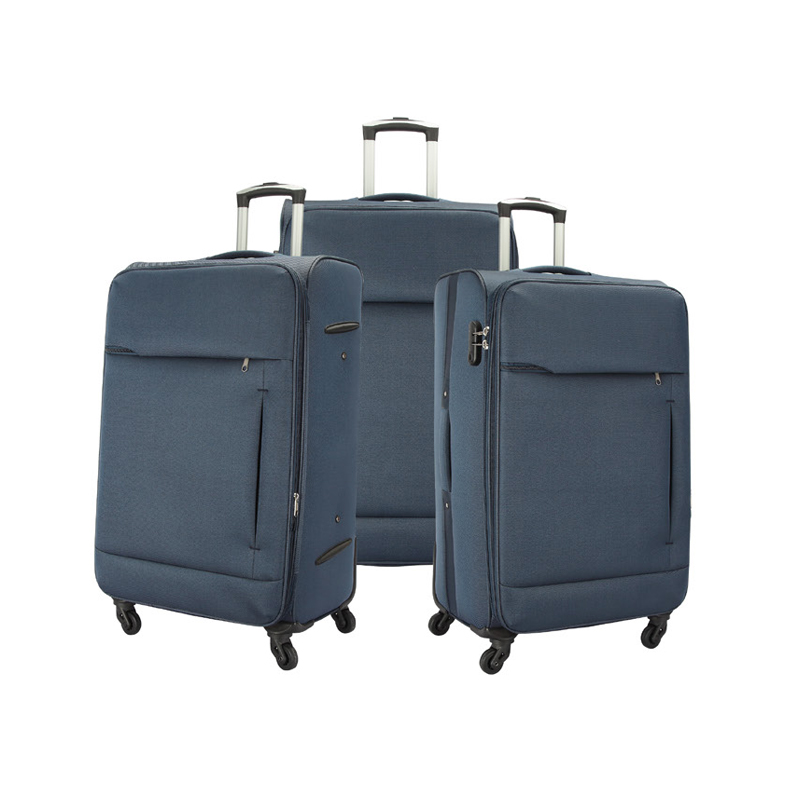
Material:600 Polyester
Size:20"24"28"32"
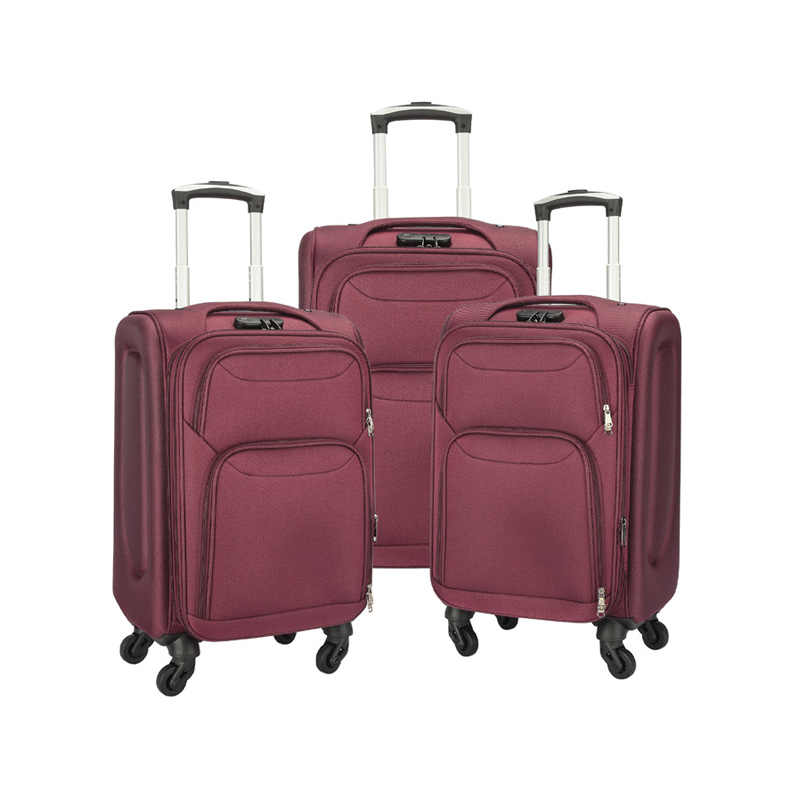
Material:600 Polyester
Size:20"24"28"32"
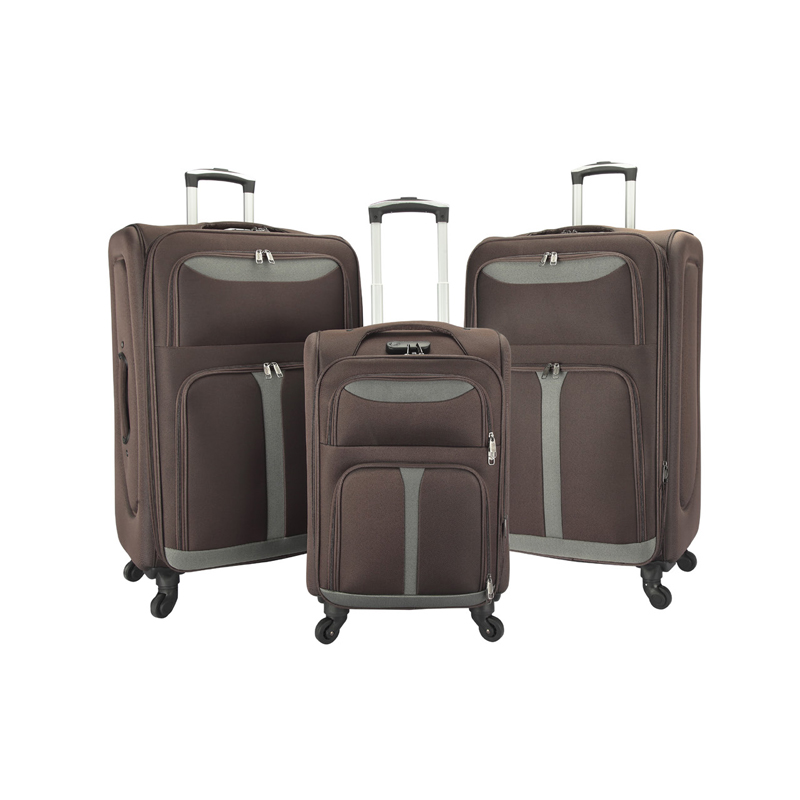
Material:600 Polyester
Size:20"24"28"32"
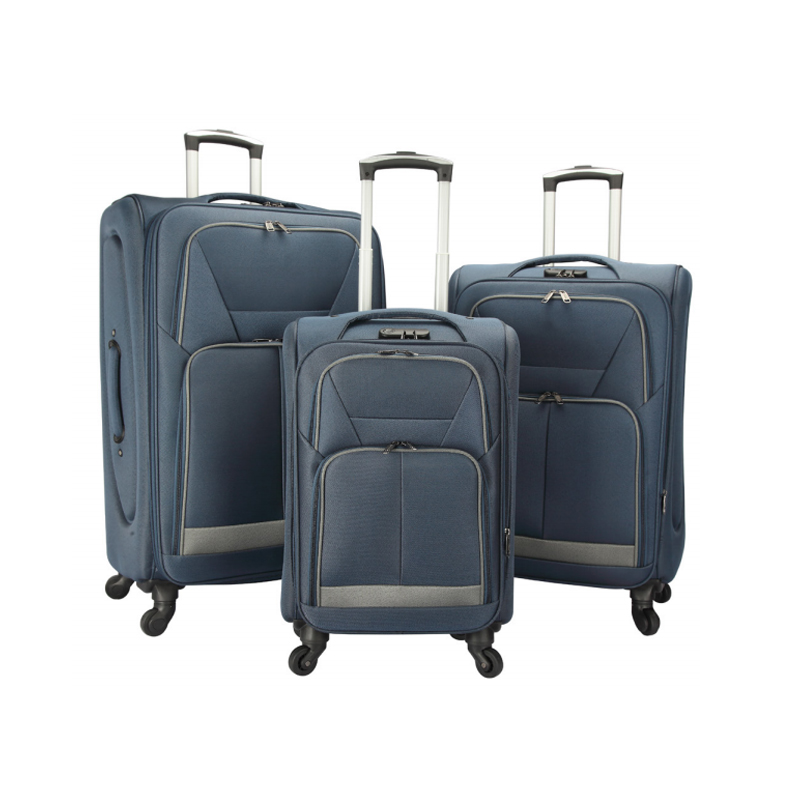
Material:600 Polyester
Size:20"24"28"32"
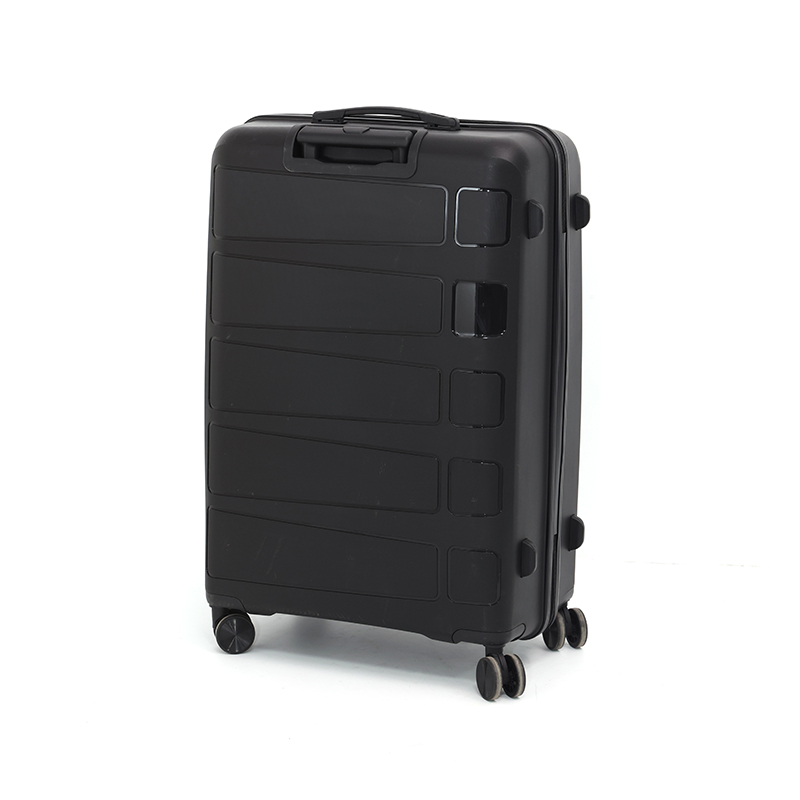
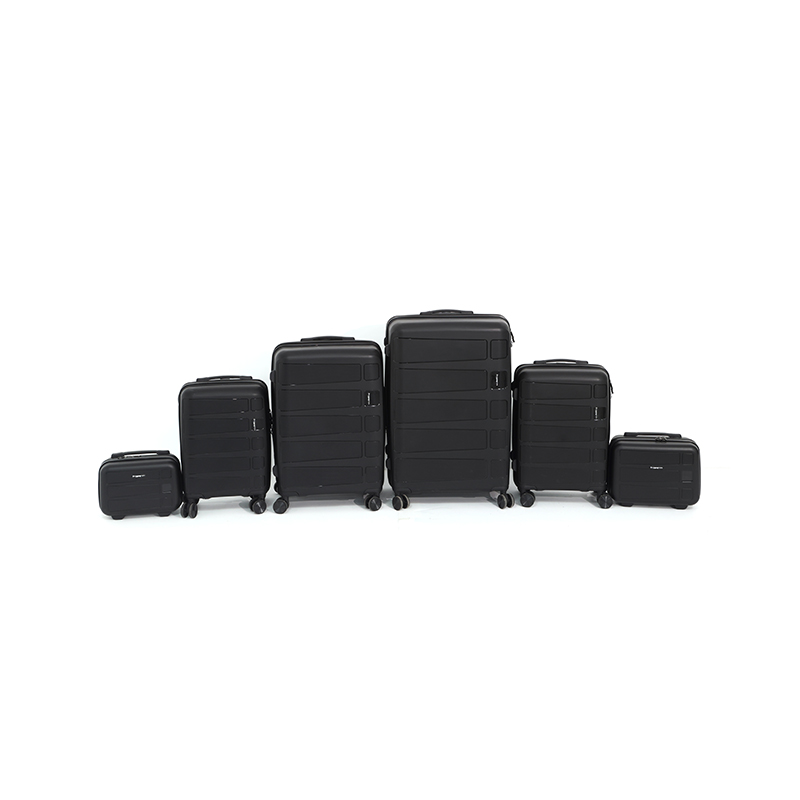
Size:12/14/18/20/24/28
31*21.5*14.5cm
33*25*16.5cm
50*33*20cm
53.5*35.5*23cm
63.5*42.5*27.5cm
73.5*49.5*30.5cm
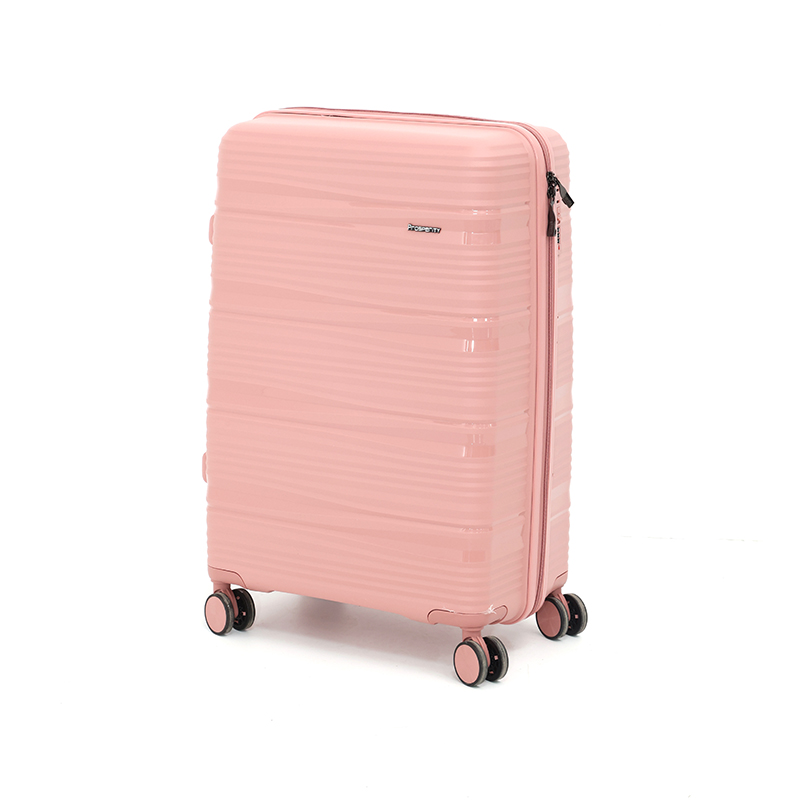
Size:14/18/22/26/30
33*25*16.5cm
50*33*20cm
59*38.5*24.5cm
68.5*44.5*29cm
78*51.5*34cm
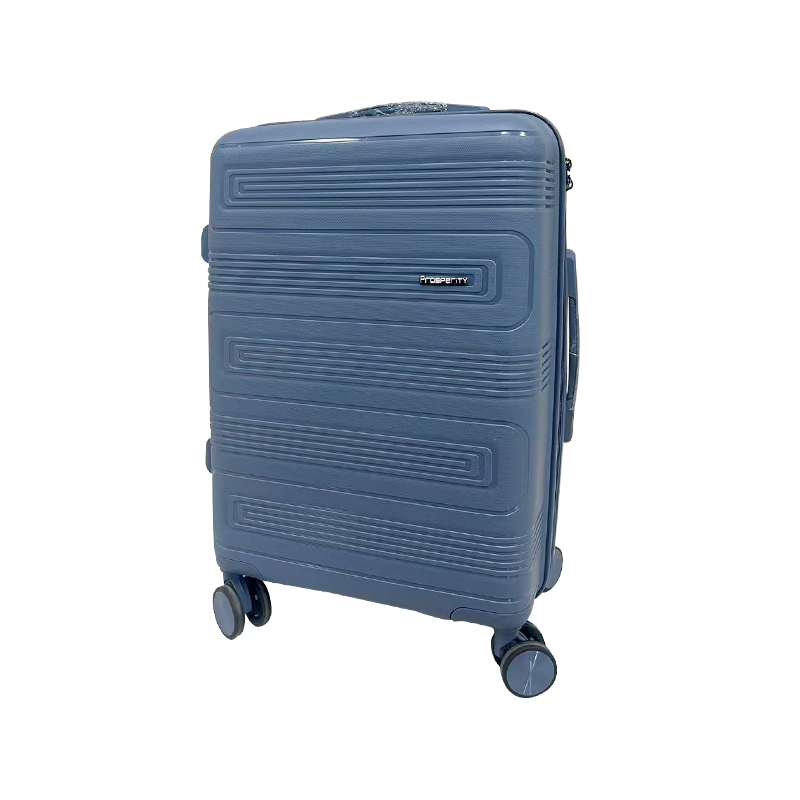
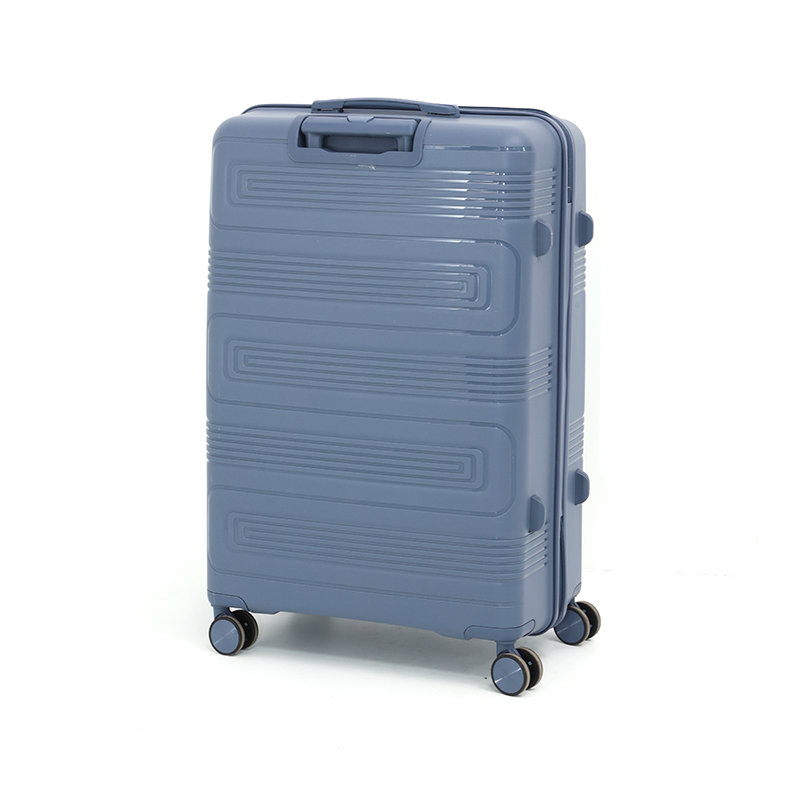
Size:15/21/25/29
37*26.5*18cm
56.5*37.5*23.5cm
65.5*43.5*28cm
76*50.5*31cm
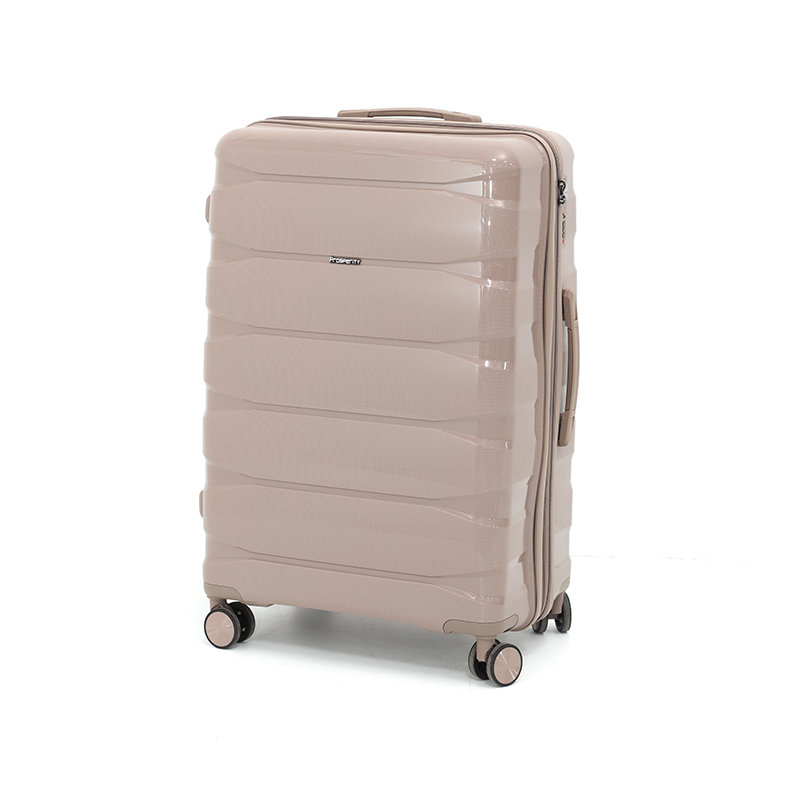
Size:13/19/23/27
32*22.5*16cm
52*34*21cm
61*40.5*26cm
70.5*46.5*29.5cm
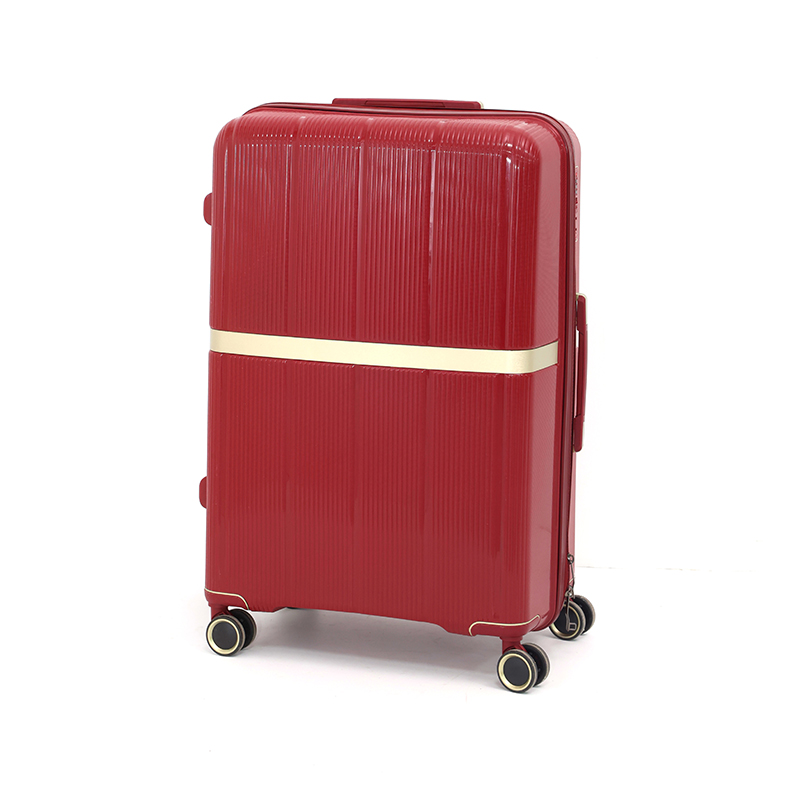
Size:14/18/20/24/28
33*25*16.5cm
50*33*20cm
53.5*35.5*23cm
63.5*42.5*27.5cm
73.5*49.5*30.5cm
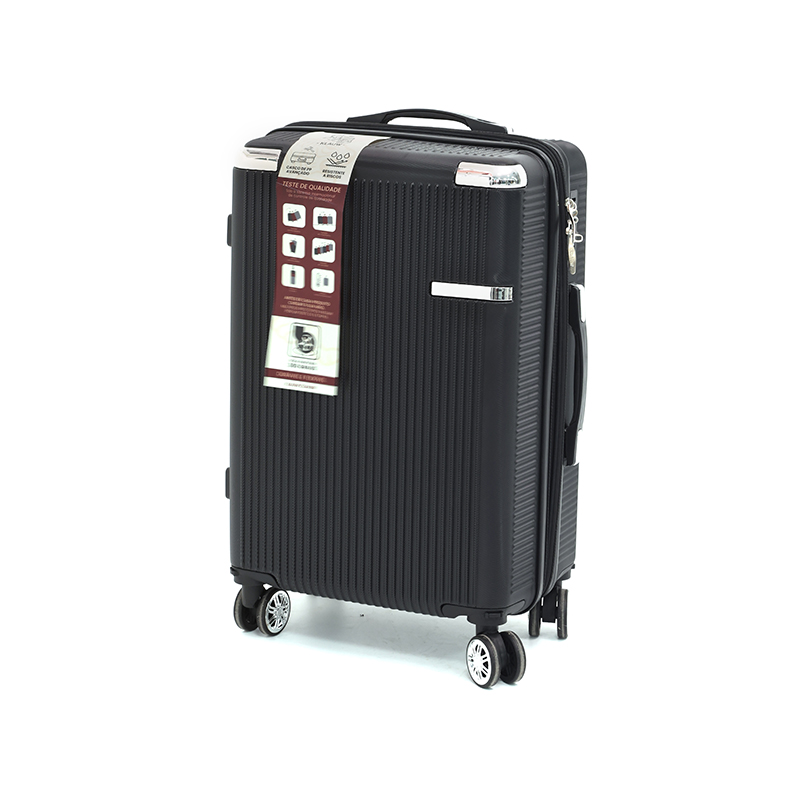
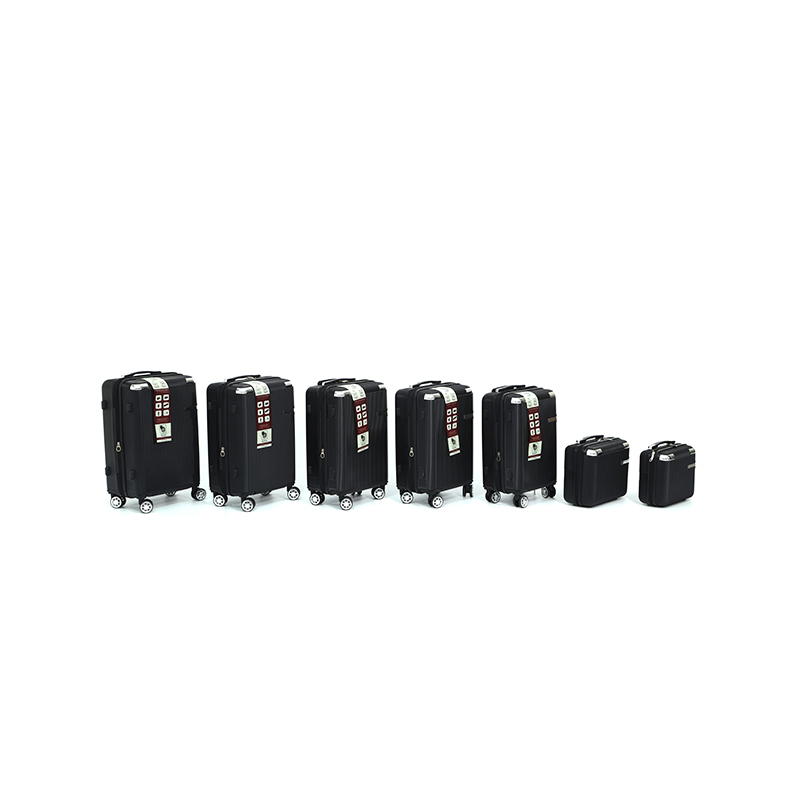
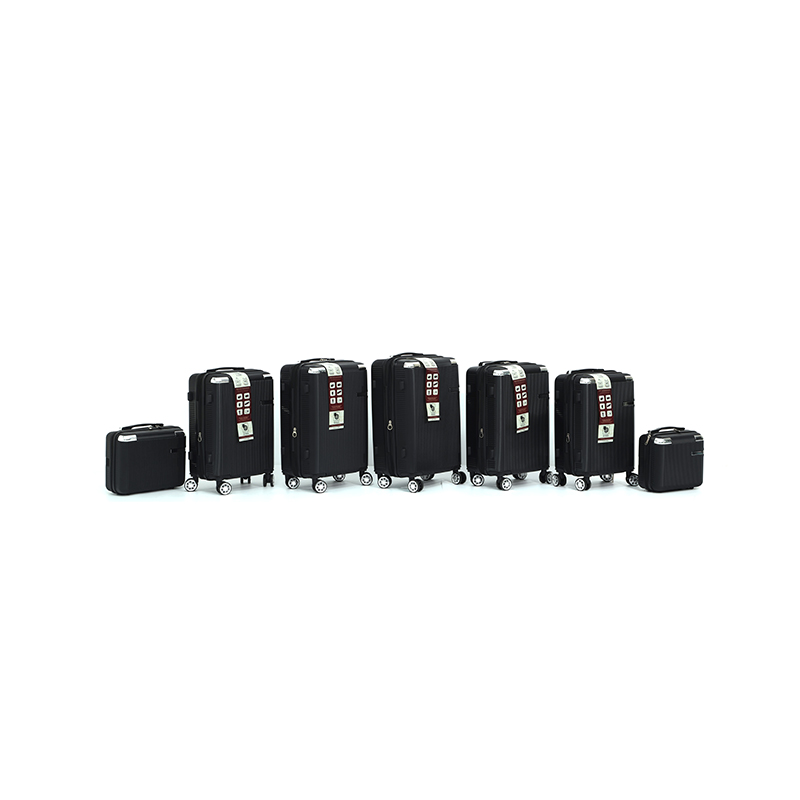
Size:12/14/18/19/20/21/22
Dimension:
31x26x15cm
35x30x16.5cm
52x35x23cm
53.5x35x25cm
56x36x25.5cm
58x38x26.5cm
60x39x28cm
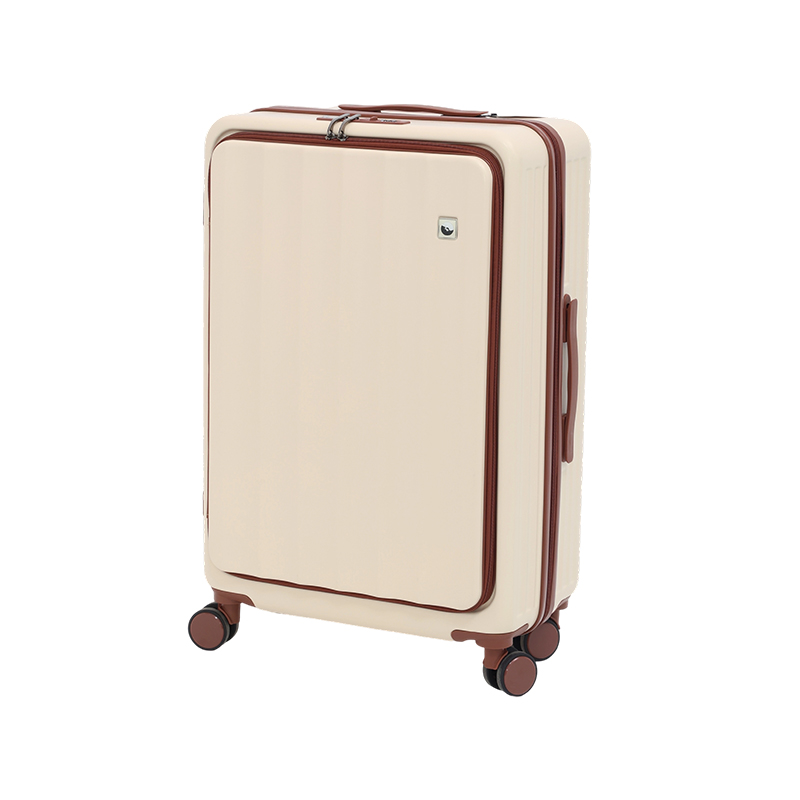
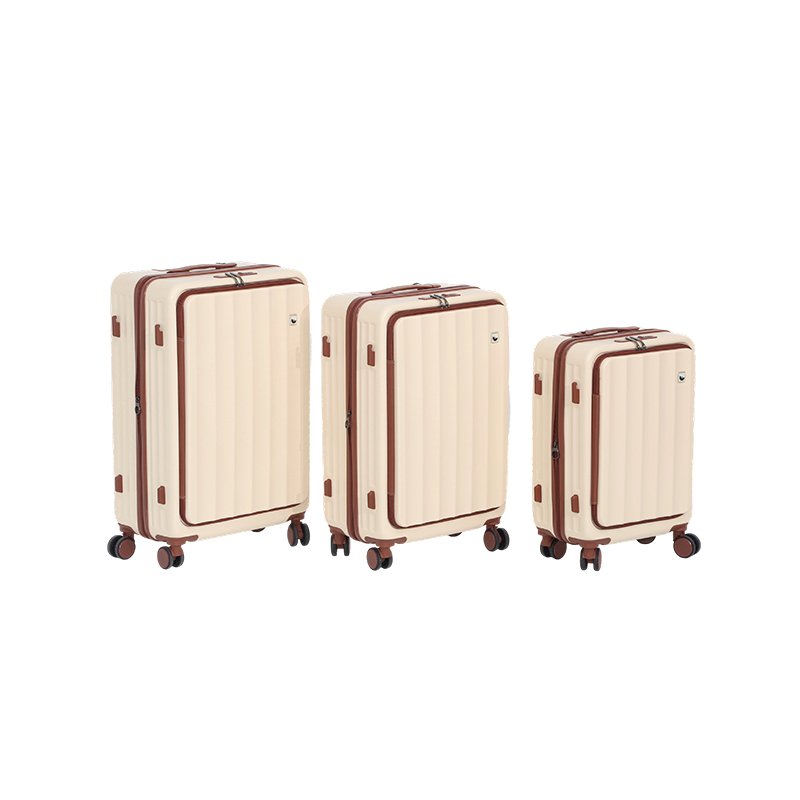
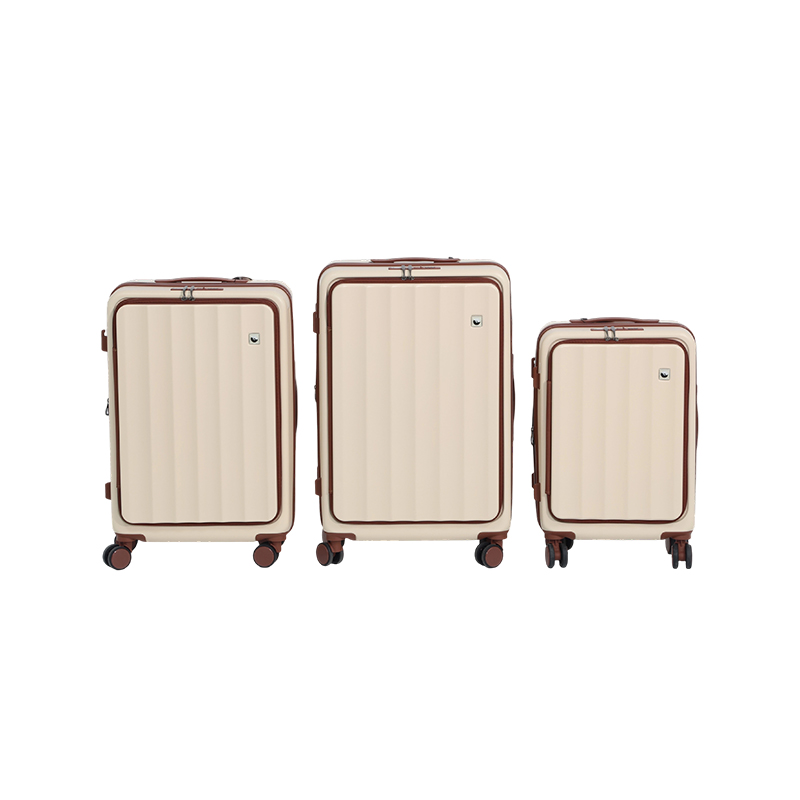
Size:20/24/28
55*35.5*23.5cm
64.5*42.5*26cm
69*45*27.5cm
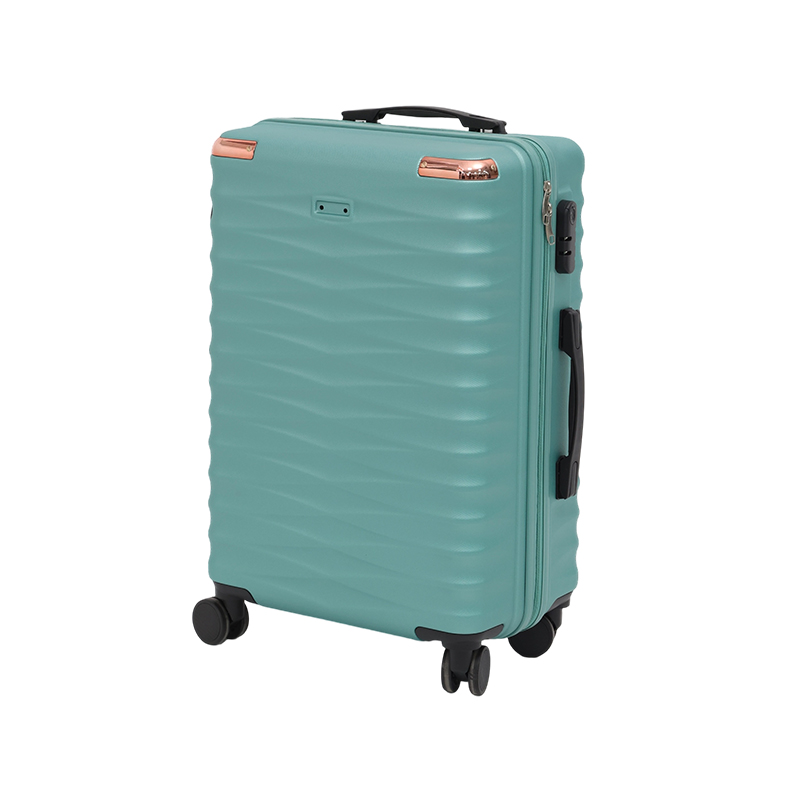
Size:19.5/23.5/27.5
19.5size:53.5×34×21cm/2.41kg
23.5size:61×39×25.5cm/3kg
27.5size:70.5×46×30cm/3.8kg
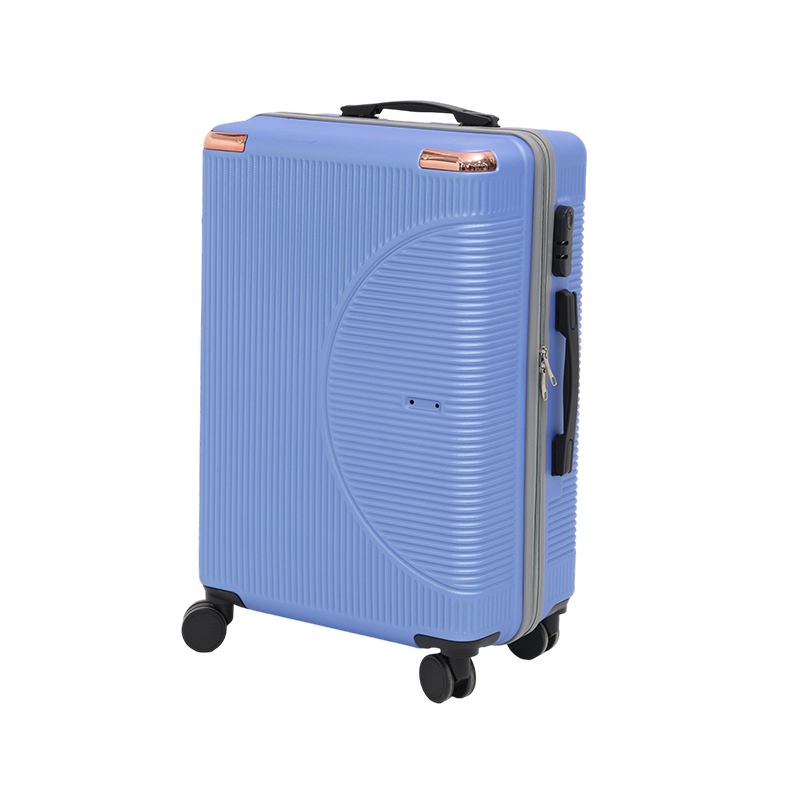
Size:20.5/24.5/28.5
20.5size:56.5×35×22cm/2.62kg
24.5size:64×41.5×27cm/3.35kg
28.5size:74.5×48×32.5cm/4.25kg
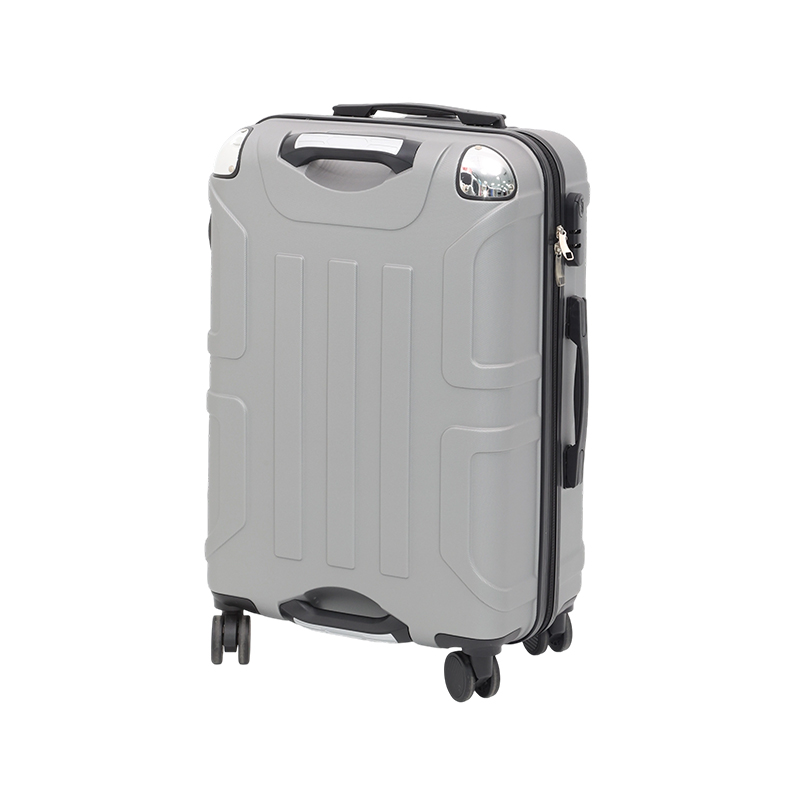
Size:19/23/27
19size: 54.5x34x21.5cm
23size: 62x39.5x25.5cm
27size: 71x46x29.5cm
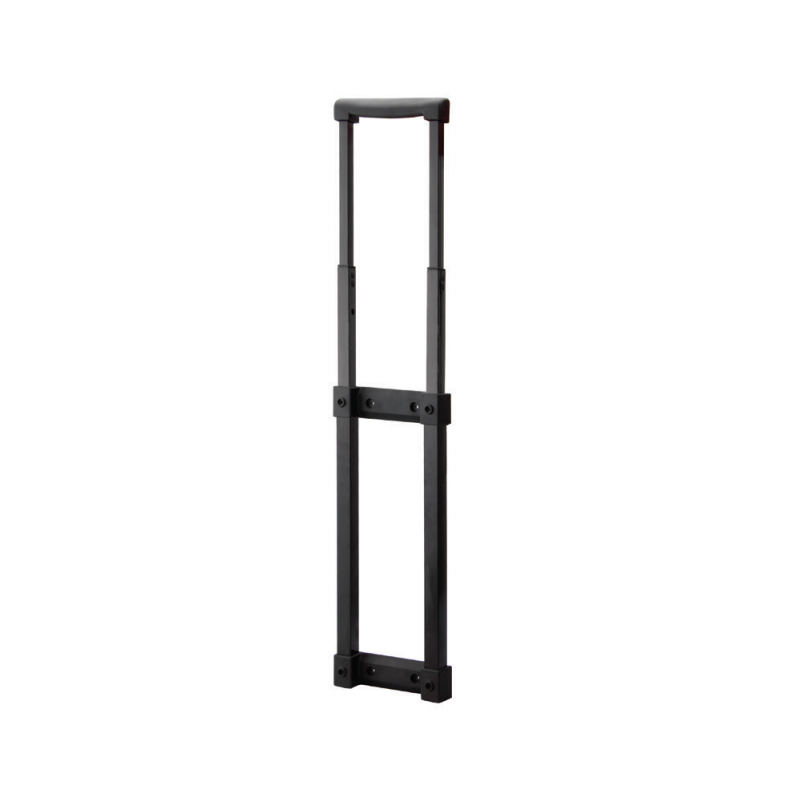
Model: LG-008
Sections: 2/3 sections
Small tube: 13×13mm
Middle tube: 16.5×16.5mm
Outer tube: 20×20mm
Outer tube: Iron tube
Inner tube: Iron tube
L: Specified length
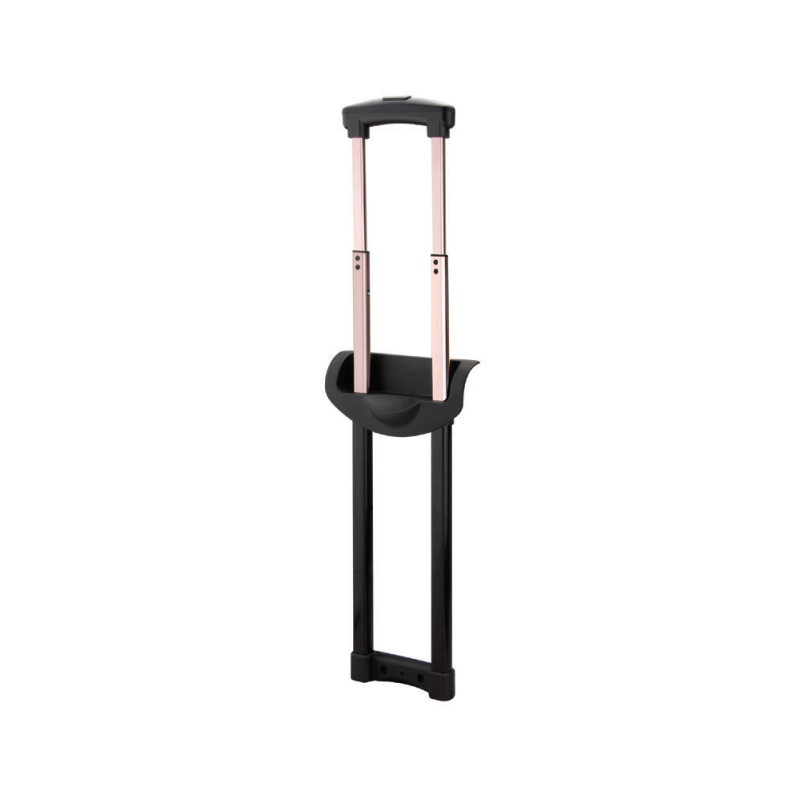
Model: LG-015B
Sections: 2/3 sections
Small tube: 12×18mm
Middle tube:17×23mm
Outer tube: 21×27mm
Outer tube: Iron tube
Inner tube: Aluminium tube, iron tube
L: Specified length
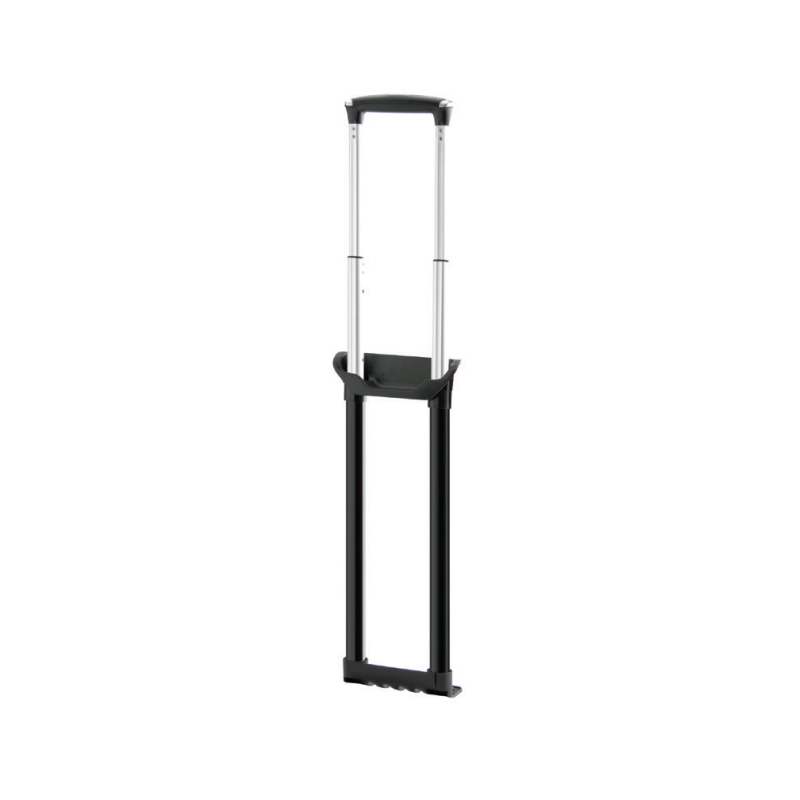
Model: LG-041
Number of sections: 2/3 sections
Small tube: 13×20.3mm
Middle tube:17.5×24.5mm
Outer tube: 21.5×28.5mm
Outer tube: Iron tube, Aluminium tube
Inner tube: Aluminium tube
L: Specified length
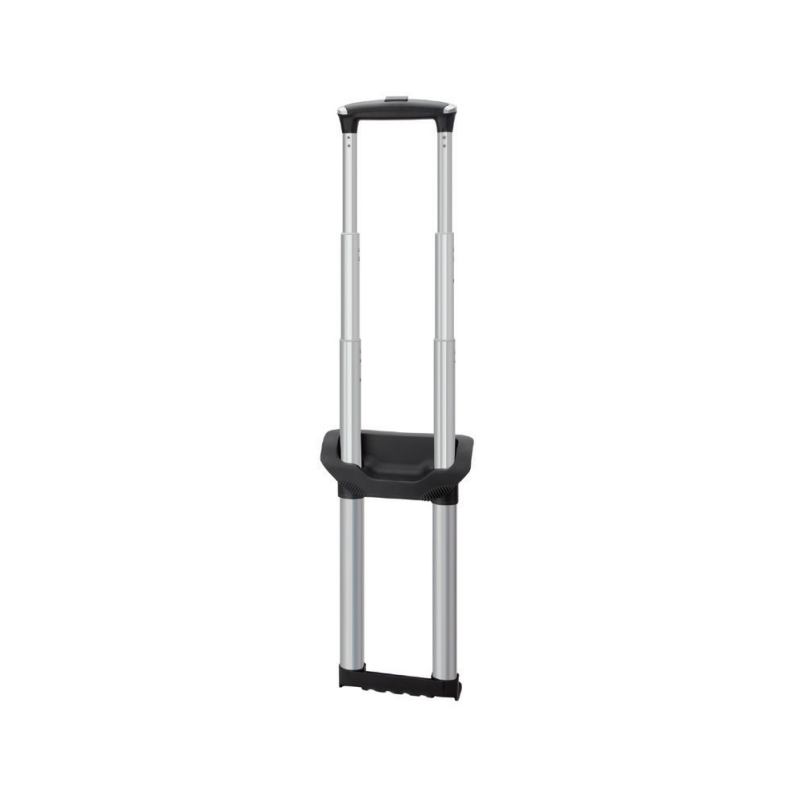
Model: LG-069
Number of sections: 4 sections
Small tube: 13×20.3mm
Middle tube:17.5×24.5mm
Outer tube: 19.5×27.5mm
Outer tube: 25.1×33.3mm
Outer tube: Iron tube
Inner tube: Aluminium tube
L: Specified length
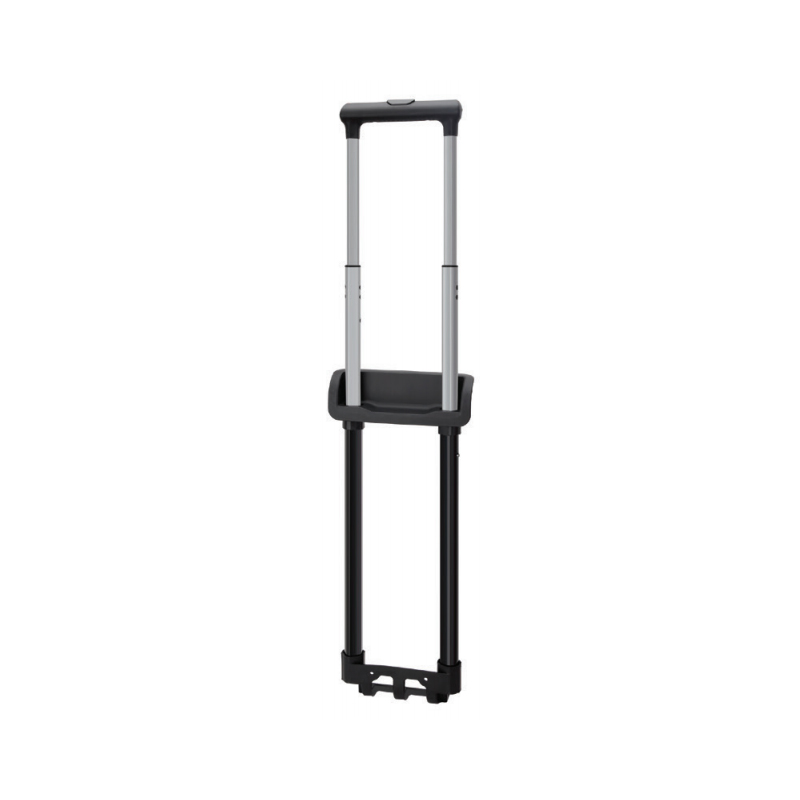
Model: LG-072
Number of sections: 2/3 sections
Small tube: 12×17.4mm
Middle tube:16.3×21.1mm
Outer tube: 21.2×25.1mm
Outer tube: Iron tube
Inner tube: Iron tube, Aluminium tube
L: Specified length
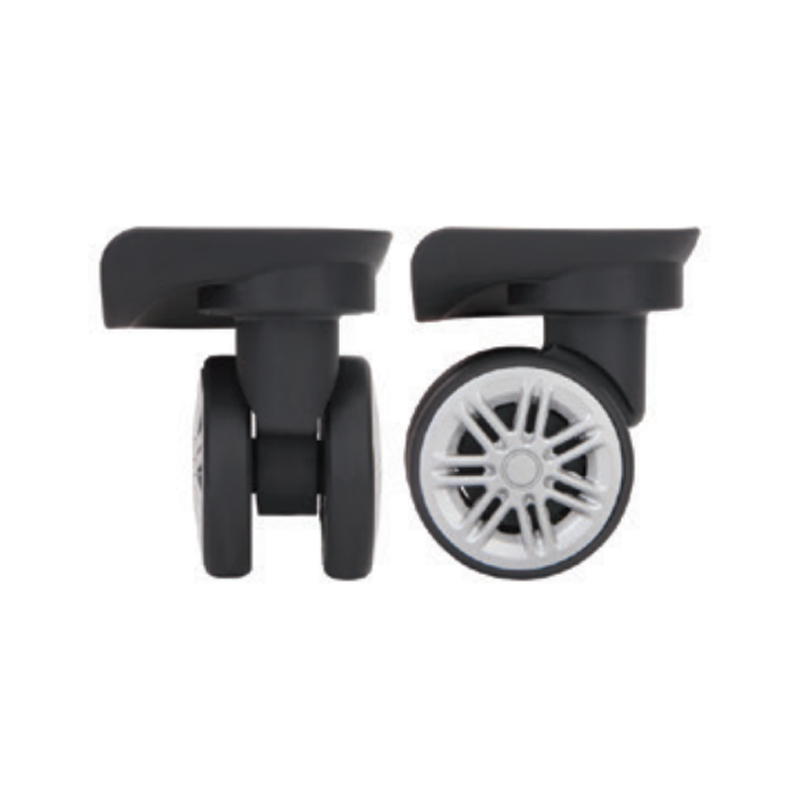
Model: Y-035-7-11
Specification: O: 50

