


 English
 中文简体
 русский
 Español
 عربى

H-016 Ethylene-Vinyl Acetate Fabric Suitcase
Material:600 Polyester
Size:20"24"28"32"




A suitcase with a generous interior may seem straightforward to design, but increasing storage capacity affects several parts of its construction. Shell dimensions, internal compartments, wheel placement, handle structure, and overall weight distribution all influence how the finished product performs. For luggage brands and distributors, a Large-Capacity Travel Suitcase is therefore more than an expanded version of a standard case.
These suitcases are commonly developed for extended trips, family travel, business travel involving multiple outfits, and other situations that require additional packing space. Their design needs to accommodate clothing, footwear, personal items, and travel accessories while keeping the contents organized.
For manufacturers, the challenge is to balance interior volume with dimensions, structural support, and ease of handling. Each design decision affects the relationship between storage space and the suitcase's external form.
The shell determines the main shape of a suitcase and protects the contents during normal handling. Hard-shell models often use materials such as ABS, polycarbonate, or combinations of plastics, while soft-sided models commonly use woven textile materials.
Each construction method offers different design possibilities. Hard shells provide a defined exterior structure, whereas soft-sided cases may allow additional pockets and flexible storage sections. Material choice influences the product's appearance, weight, surface texture, and manufacturing process.
When developing a Large-Capacity Travel Suitcase, designers need to consider how shell depth and overall proportions affect usable space. Increasing external dimensions does not automatically produce an equally large increase in practical storage because wheels, handles, linings, and structural components occupy part of the available volume.
Internal layouts also matter. Dividers, zippered sections, compression straps, and accessory pockets help separate different types of belongings without making the main compartment difficult to use.
A larger suitcase carries more potential contents, making its mobility system an important part of product development. Wheel arrangement, wheel housing, handle height, and frame reinforcement influence how the case moves and how users control it.
Four-wheel spinner designs allow movement in multiple directions, while two-wheel configurations generally roll by tilting the suitcase. The choice depends on the intended product design, target market, and handling preferences.
The telescopic handle also needs to work with the suitcase's overall dimensions. Its extension length, grip design, and mounting structure should suit the case without taking up unnecessary interior space.
For a Large-Capacity Travel Suitcase, load distribution deserves attention during development. Wheel positions and handle mounting points need to correspond with the case structure so that the product remains manageable when packed. Reinforcement around these connection points can also influence assembly requirements and production consistency.
OEM and ODM cooperation gives luggage brands and wholesalers options for developing products around their own market requirements. Customization may include shell colors, surface textures, lining fabrics, wheel designs, handle details, interior compartments, logo placement, and packaging.
OEM projects generally follow specifications provided by the buyer, while ODM projects may include design and product development input from the manufacturer.
For a Large-Capacity Travel Suitcase, customization should consider the complete product rather than individual features in isolation. A change in shell dimensions can affect wheel placement, handle proportions, interior volume, and carton size. Reviewing these relationships helps establish a coherent product specification.
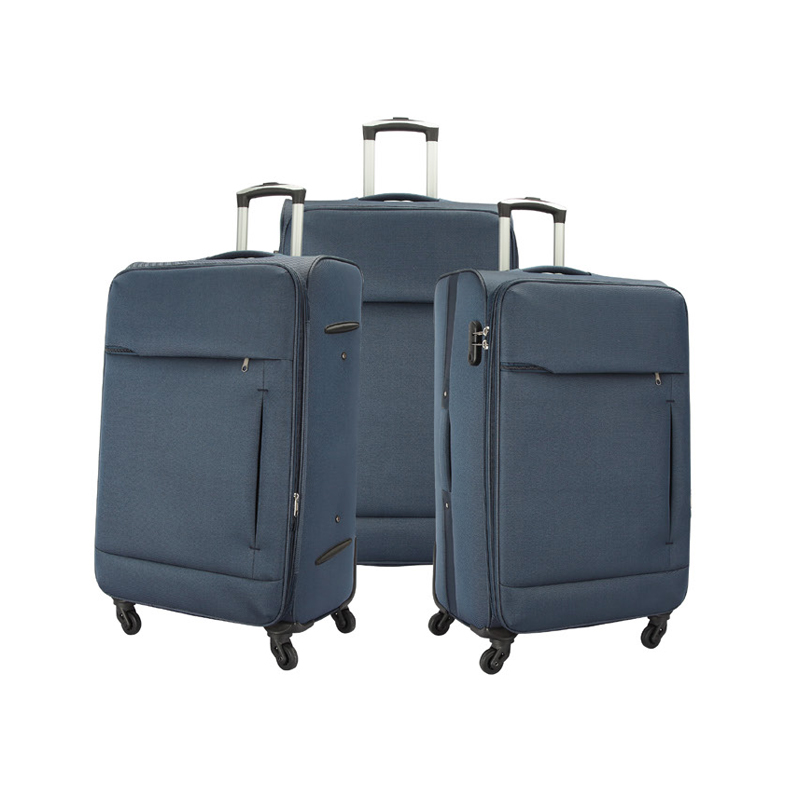
Material:600 Polyester
Size:20"24"28"32"
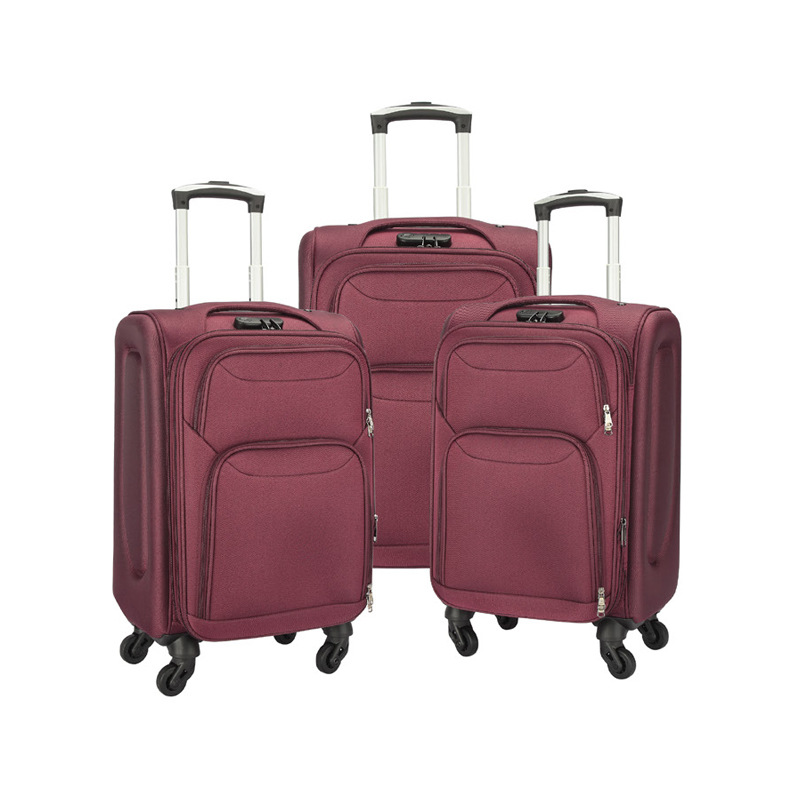
Material:600 Polyester
Size:20"24"28"32"
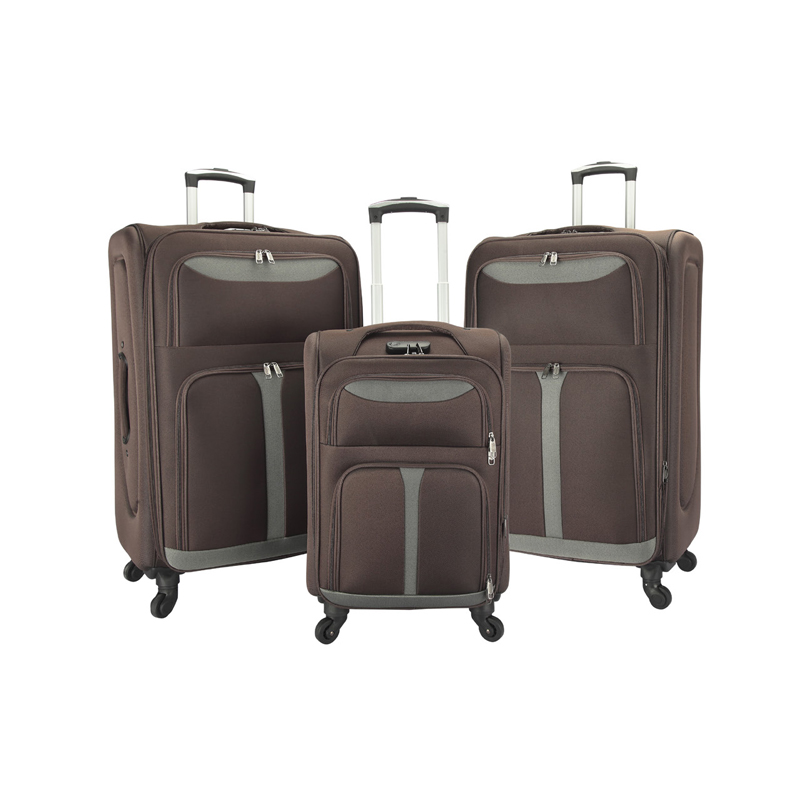
Material:600 Polyester
Size:20"24"28"32"
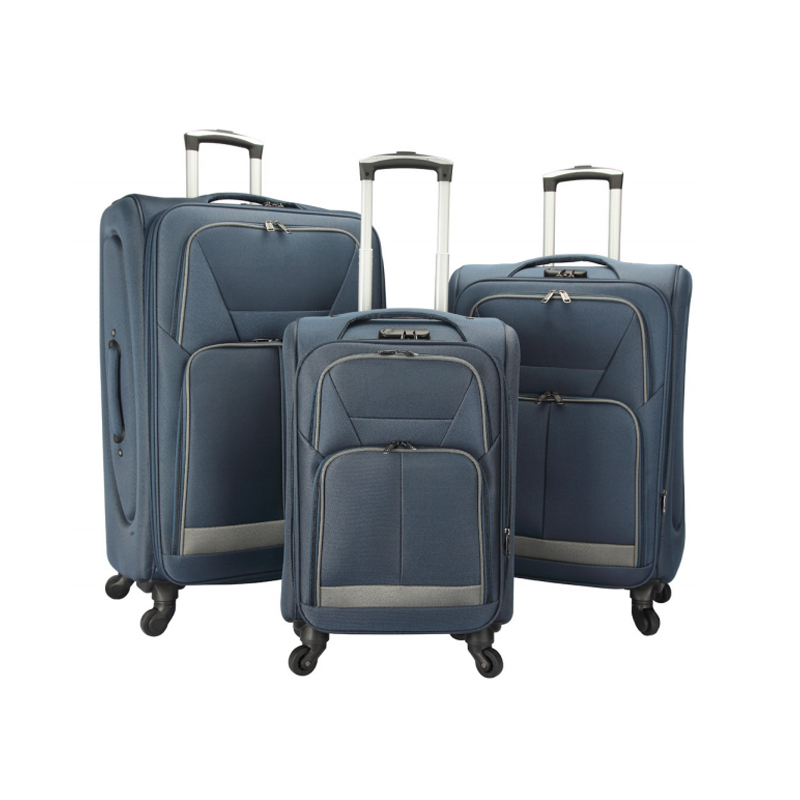
Material:600 Polyester
Size:20"24"28"32"
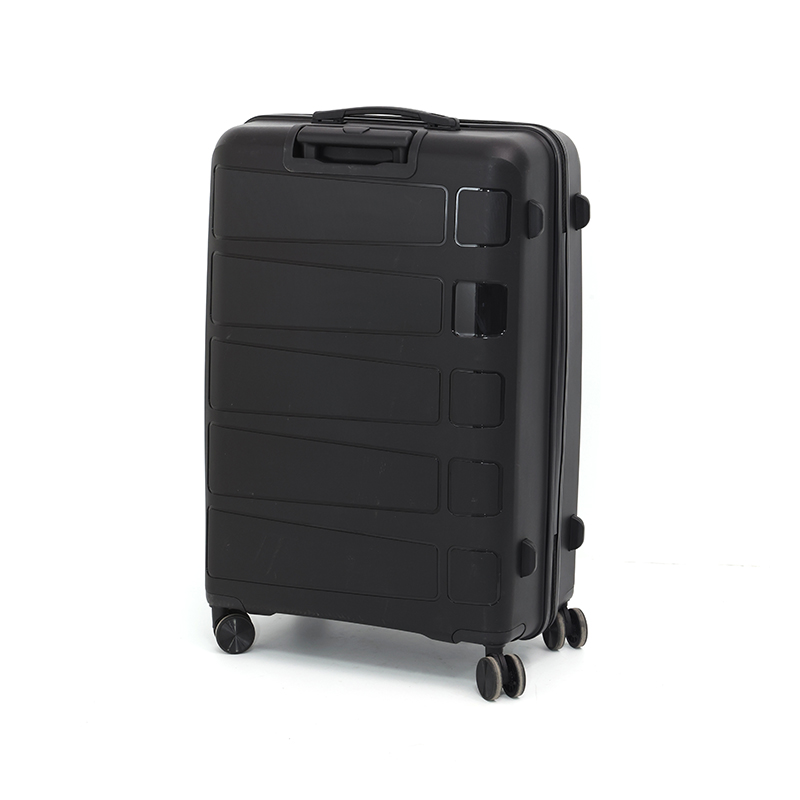
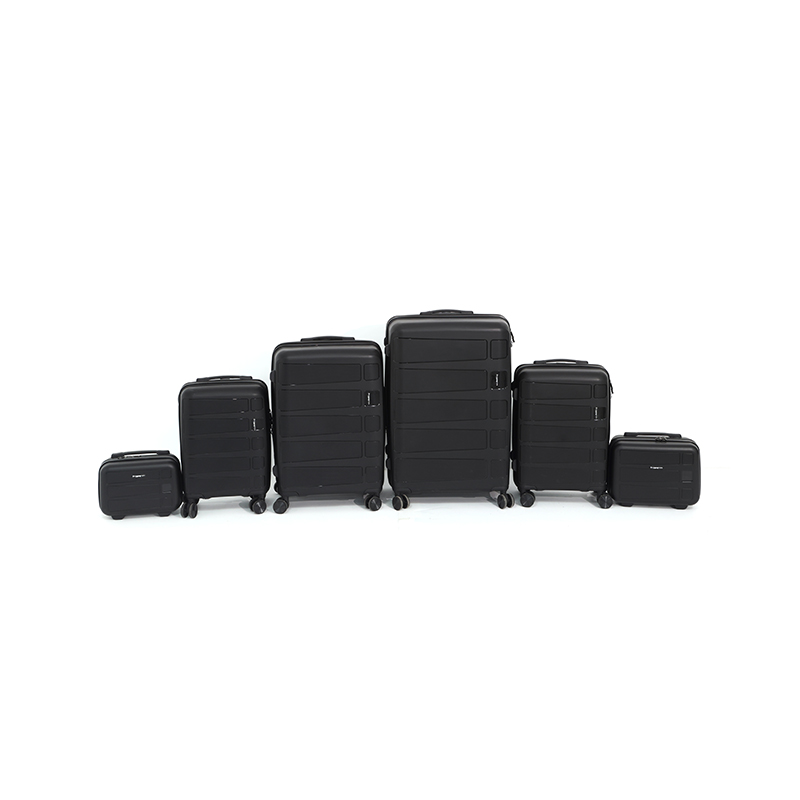
Size:12/14/18/20/24/28
31*21.5*14.5cm
33*25*16.5cm
50*33*20cm
53.5*35.5*23cm
63.5*42.5*27.5cm
73.5*49.5*30.5cm
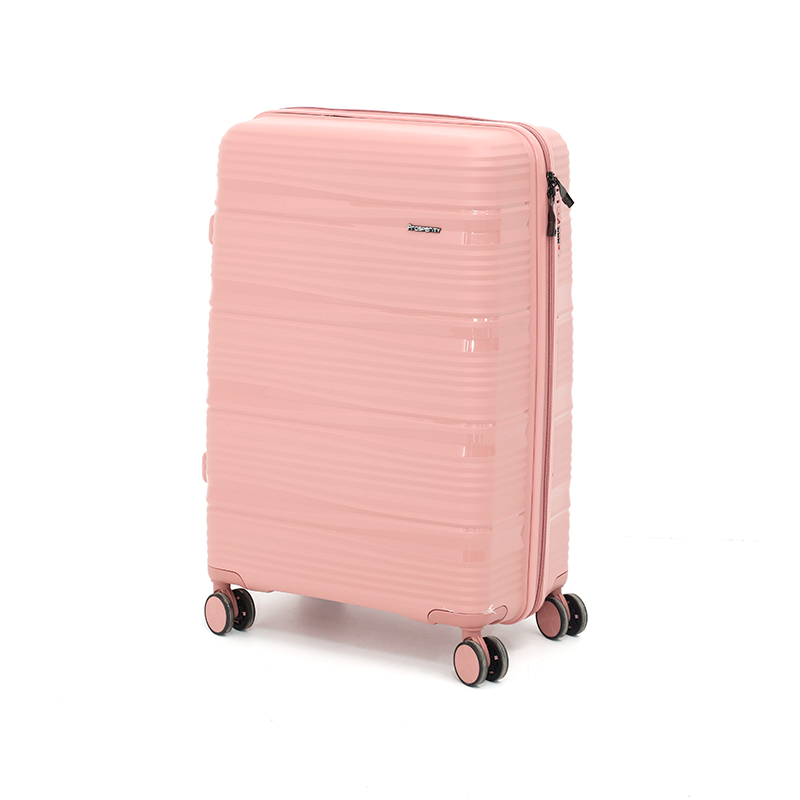
Size:14/18/22/26/30
33*25*16.5cm
50*33*20cm
59*38.5*24.5cm
68.5*44.5*29cm
78*51.5*34cm
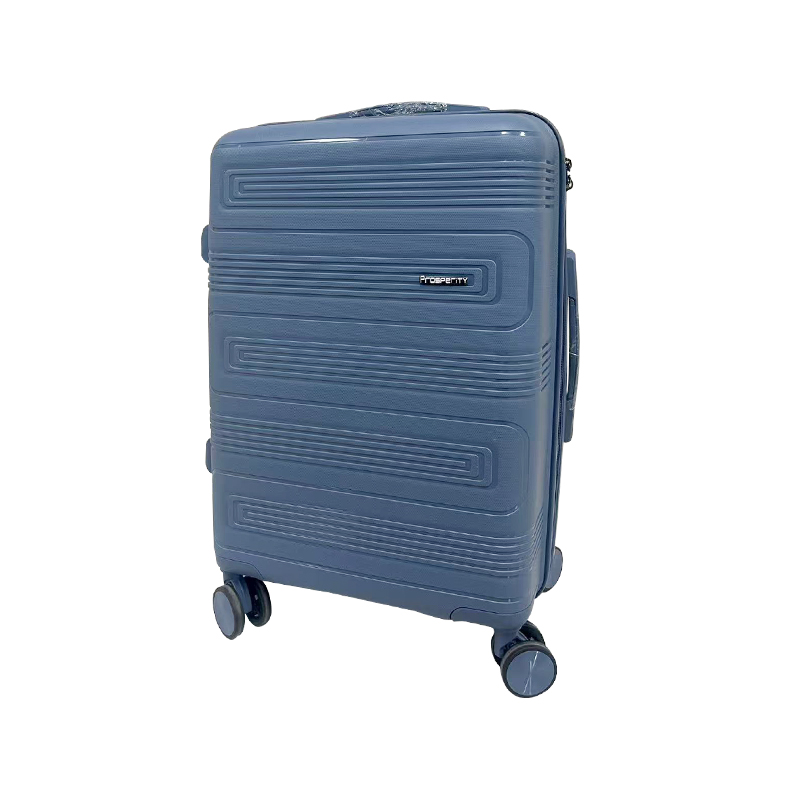
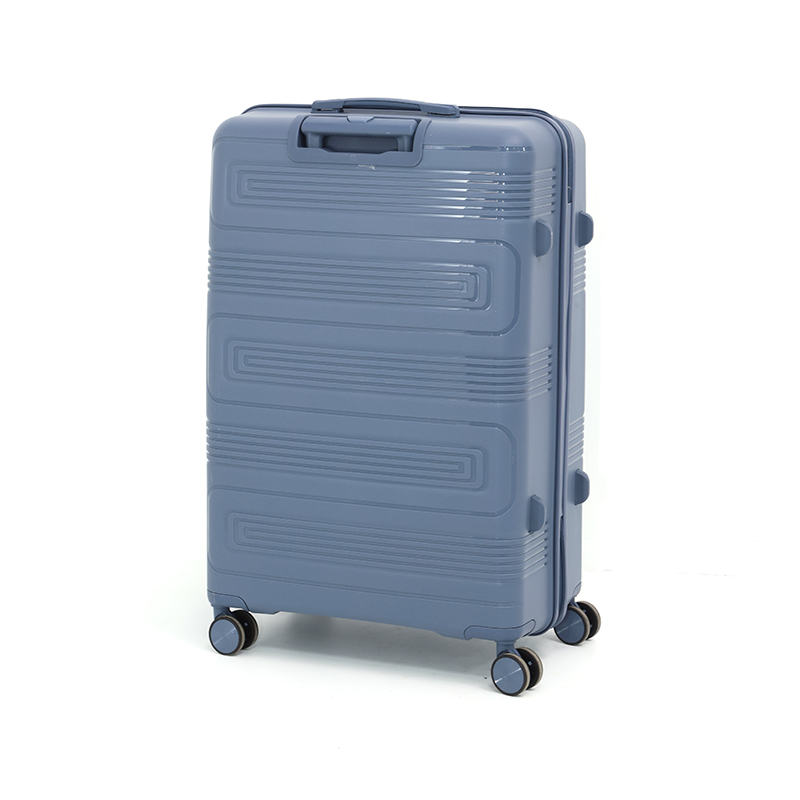
Size:15/21/25/29
37*26.5*18cm
56.5*37.5*23.5cm
65.5*43.5*28cm
76*50.5*31cm
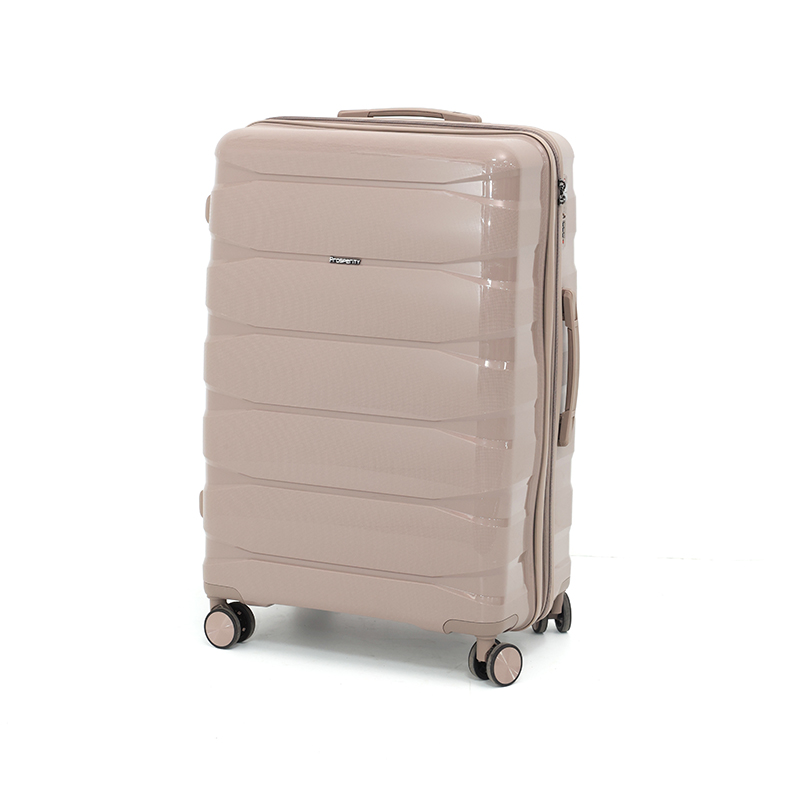
Size:13/19/23/27
32*22.5*16cm
52*34*21cm
61*40.5*26cm
70.5*46.5*29.5cm
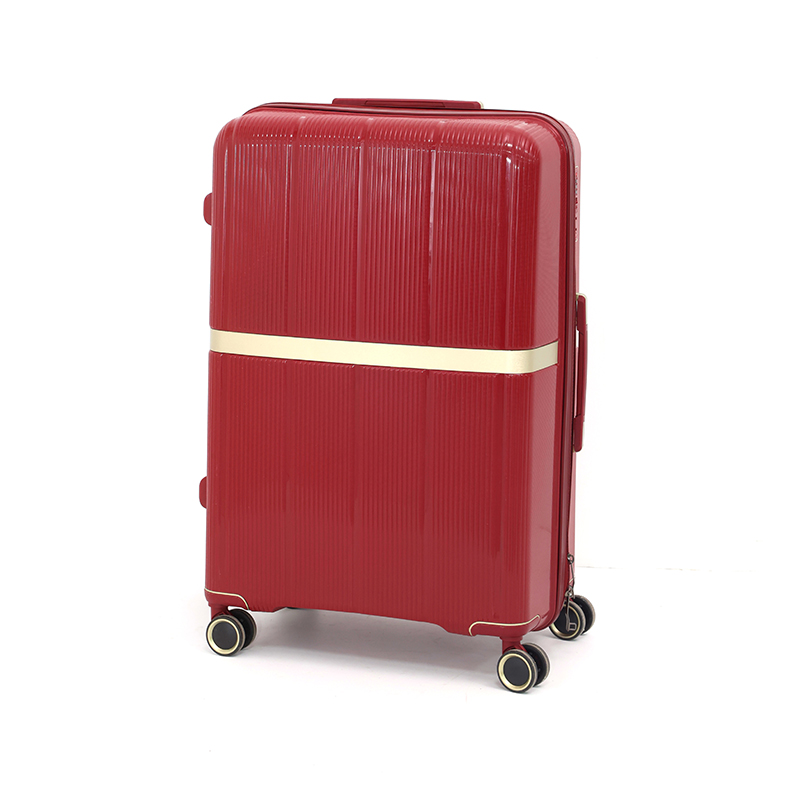
Size:14/18/20/24/28
33*25*16.5cm
50*33*20cm
53.5*35.5*23cm
63.5*42.5*27.5cm
73.5*49.5*30.5cm
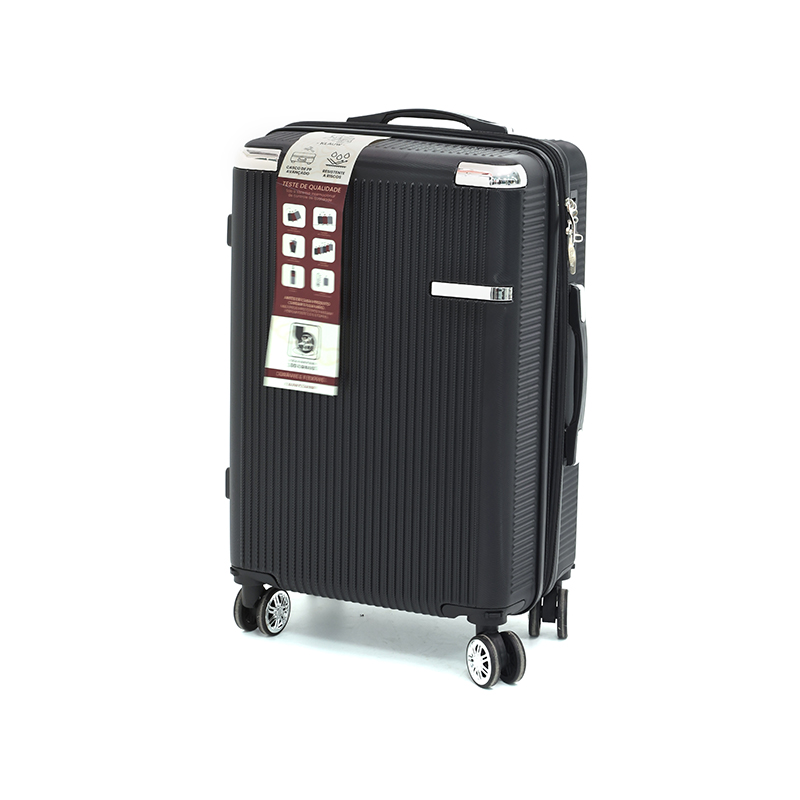
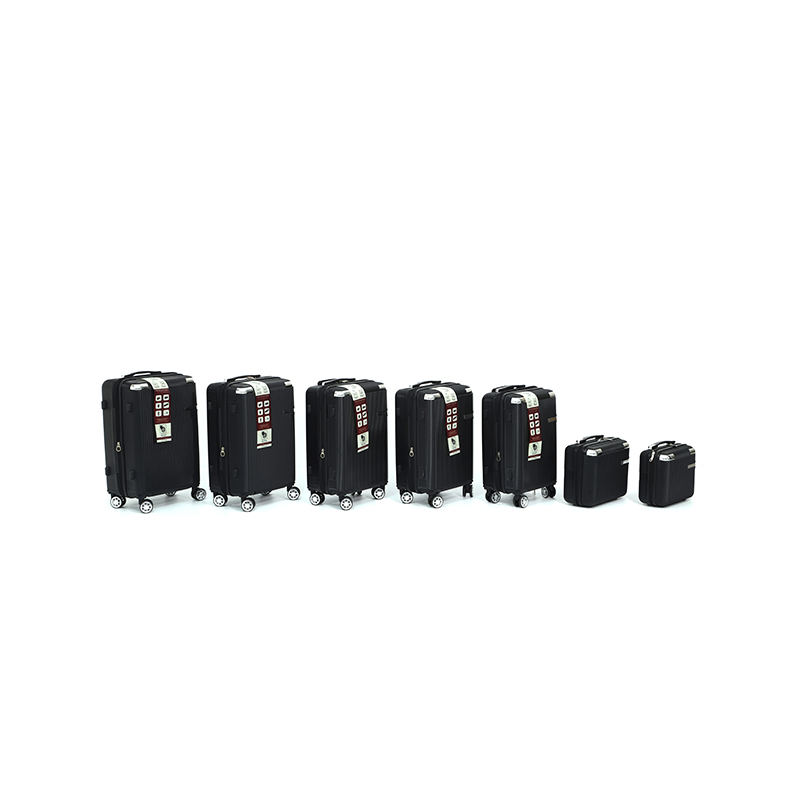
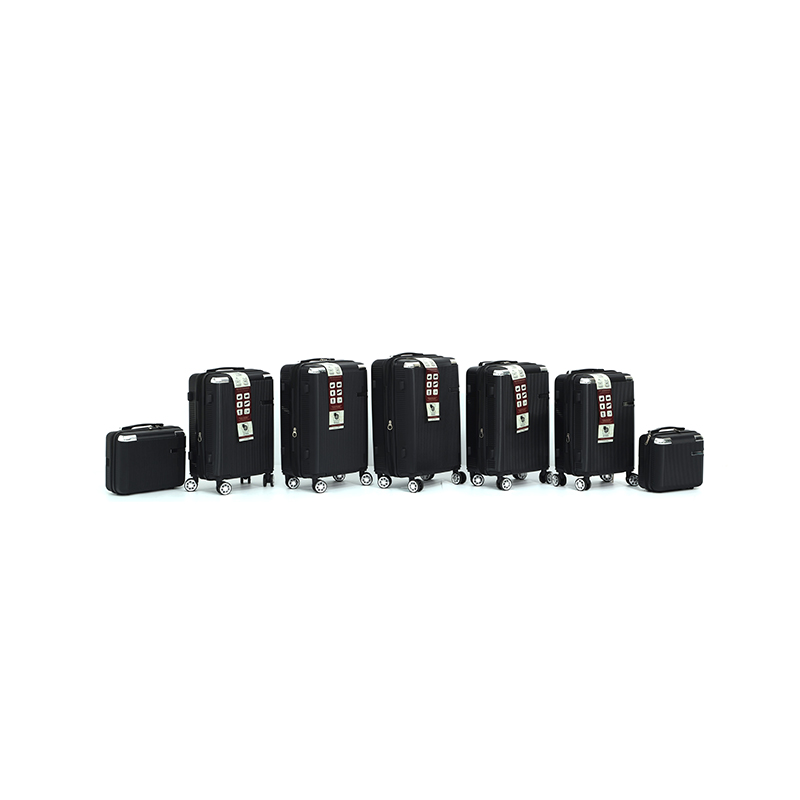
Size:12/14/18/19/20/21/22
Dimension:
31x26x15cm
35x30x16.5cm
52x35x23cm
53.5x35x25cm
56x36x25.5cm
58x38x26.5cm
60x39x28cm
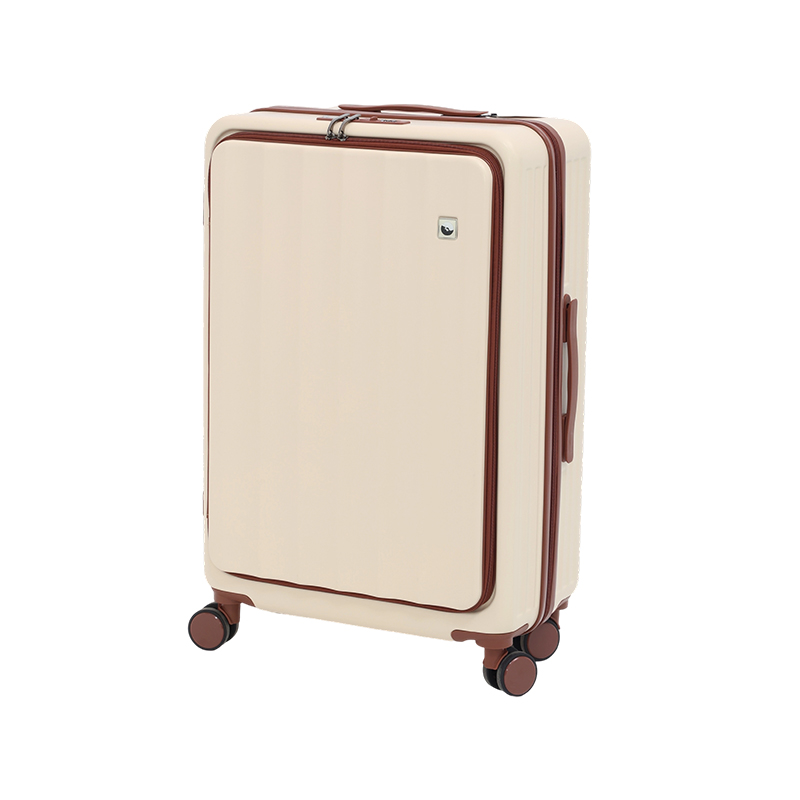
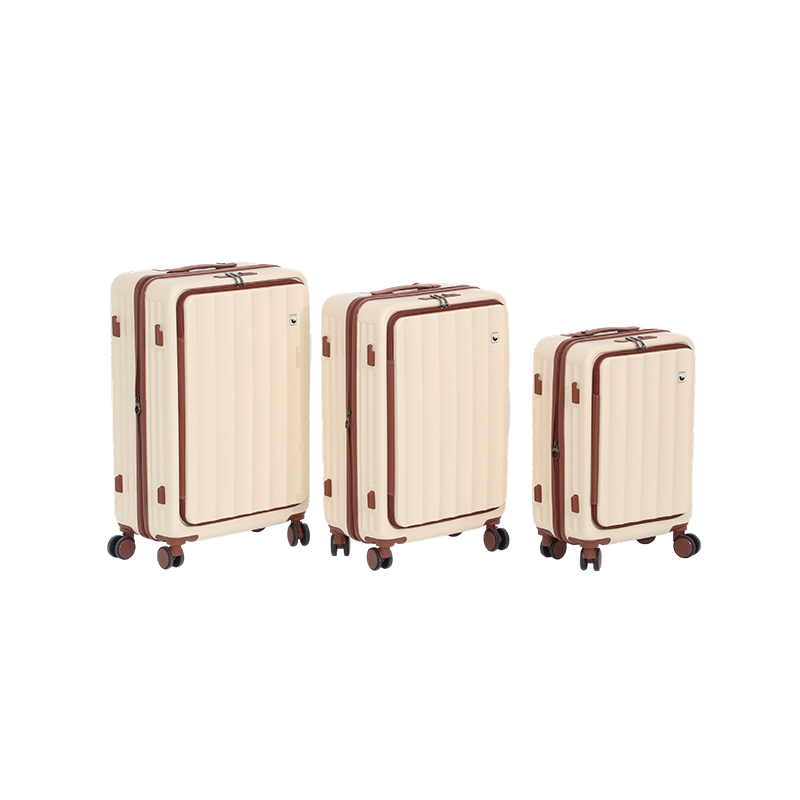
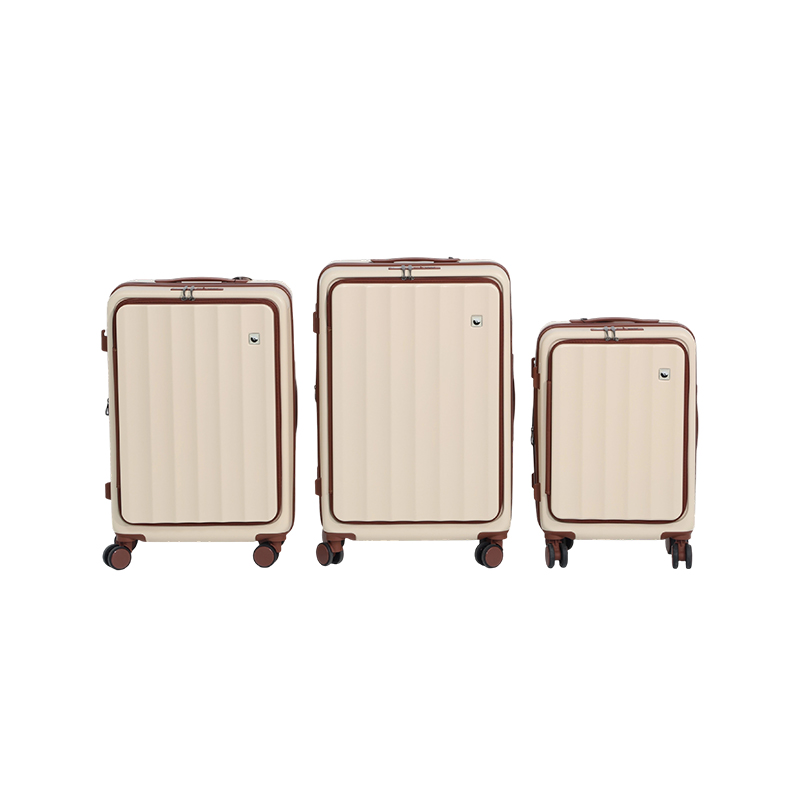
Size:20/24/28
55*35.5*23.5cm
64.5*42.5*26cm
69*45*27.5cm
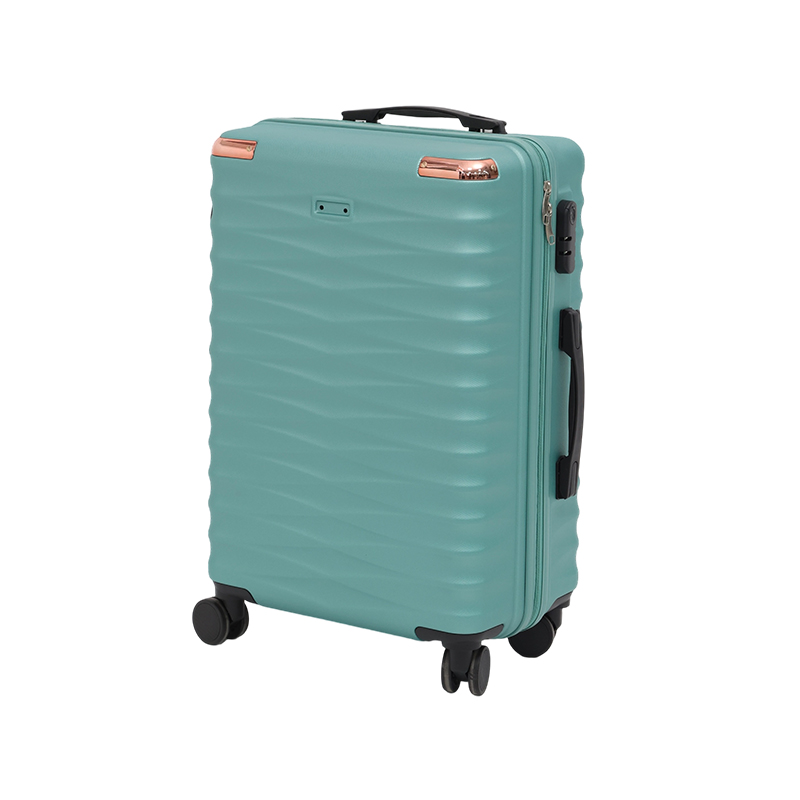
Size:19.5/23.5/27.5
19.5size:53.5×34×21cm/2.41kg
23.5size:61×39×25.5cm/3kg
27.5size:70.5×46×30cm/3.8kg
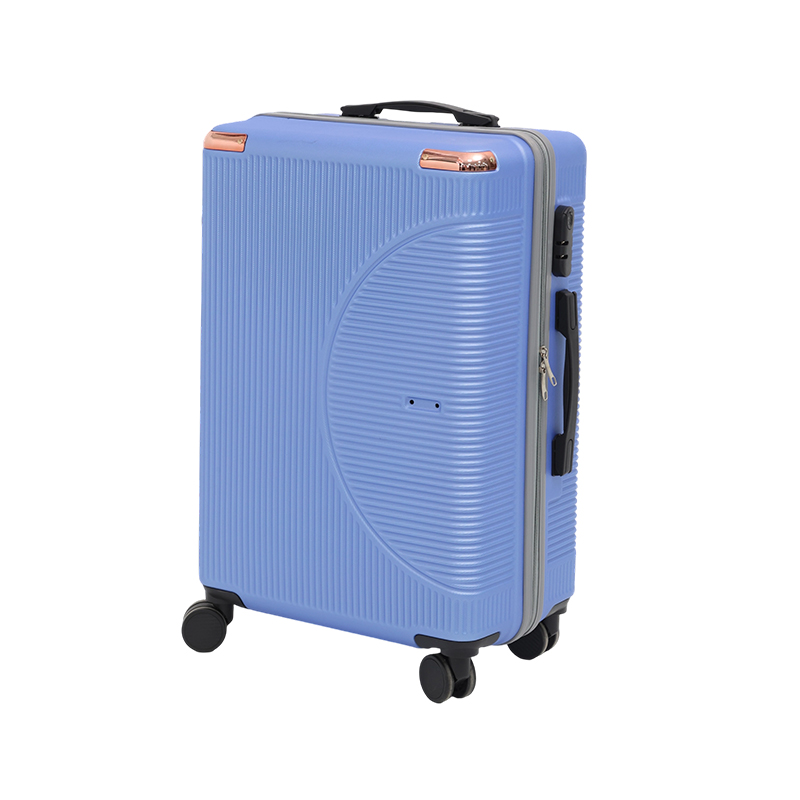
Size:20.5/24.5/28.5
20.5size:56.5×35×22cm/2.62kg
24.5size:64×41.5×27cm/3.35kg
28.5size:74.5×48×32.5cm/4.25kg
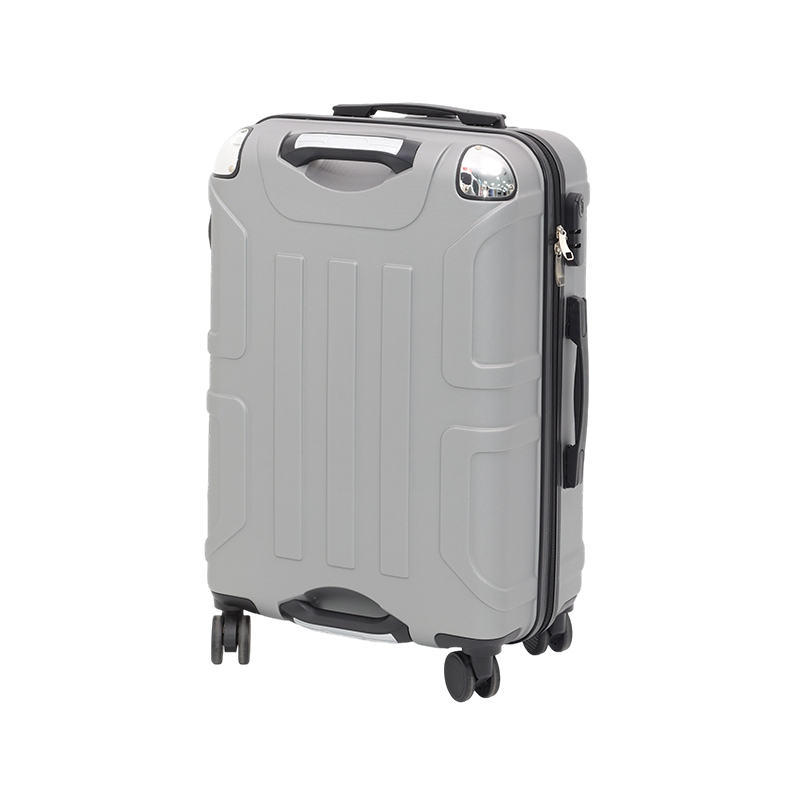
Size:19/23/27
19size: 54.5x34x21.5cm
23size: 62x39.5x25.5cm
27size: 71x46x29.5cm
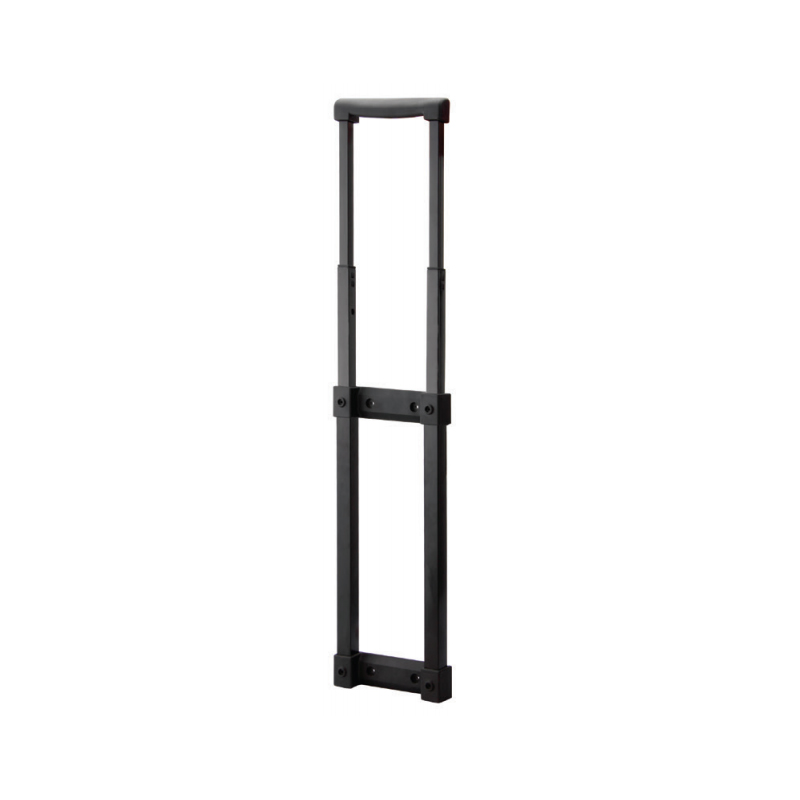
Model: LG-008
Sections: 2/3 sections
Small tube: 13×13mm
Middle tube: 16.5×16.5mm
Outer tube: 20×20mm
Outer tube: Iron tube
Inner tube: Iron tube
L: Specified length
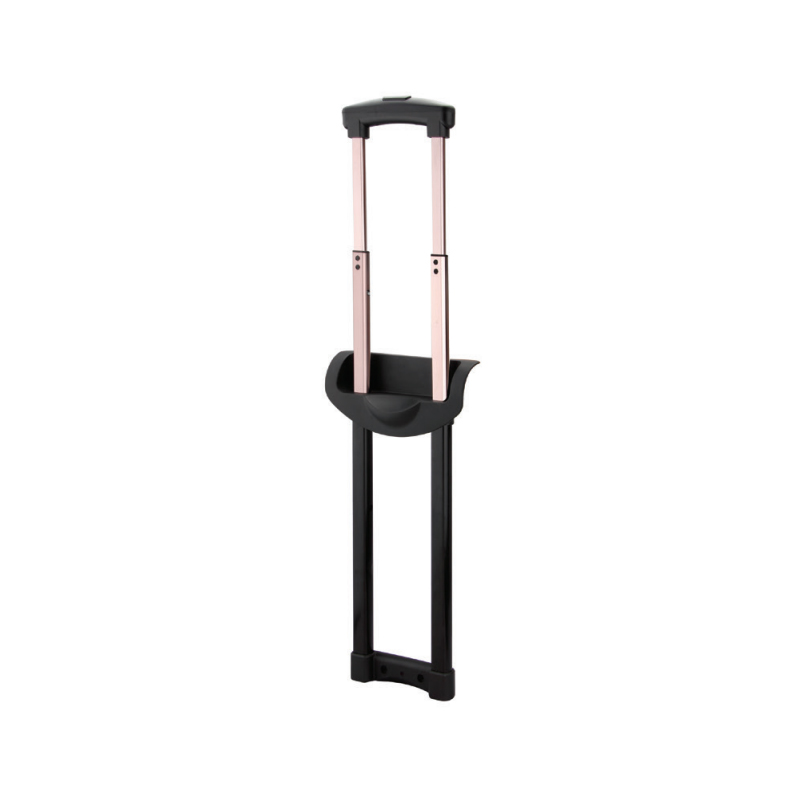
Model: LG-015B
Sections: 2/3 sections
Small tube: 12×18mm
Middle tube:17×23mm
Outer tube: 21×27mm
Outer tube: Iron tube
Inner tube: Aluminium tube, iron tube
L: Specified length
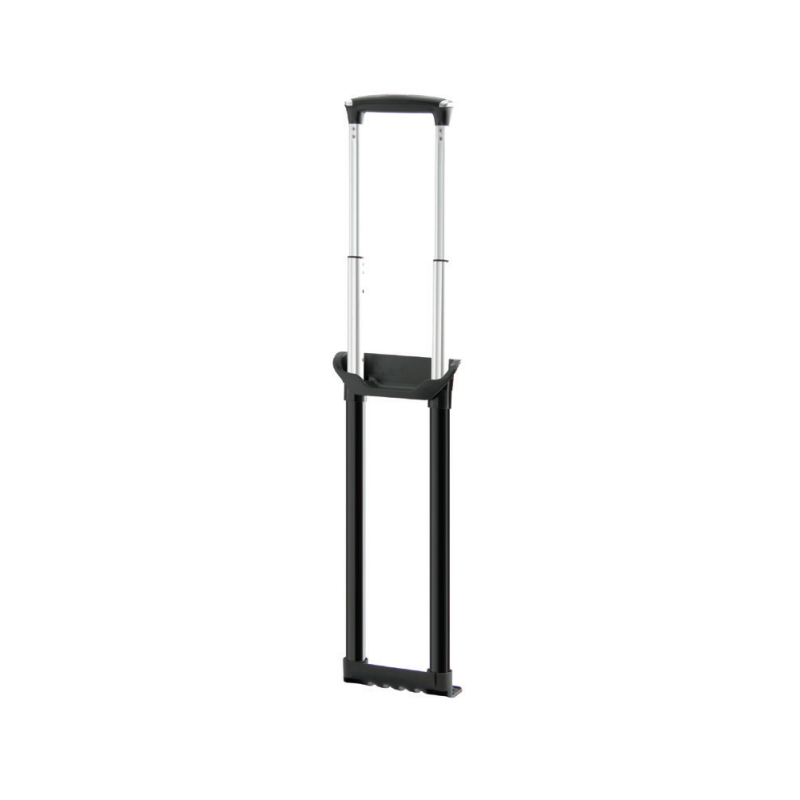
Model: LG-041
Number of sections: 2/3 sections
Small tube: 13×20.3mm
Middle tube:17.5×24.5mm
Outer tube: 21.5×28.5mm
Outer tube: Iron tube, Aluminium tube
Inner tube: Aluminium tube
L: Specified length
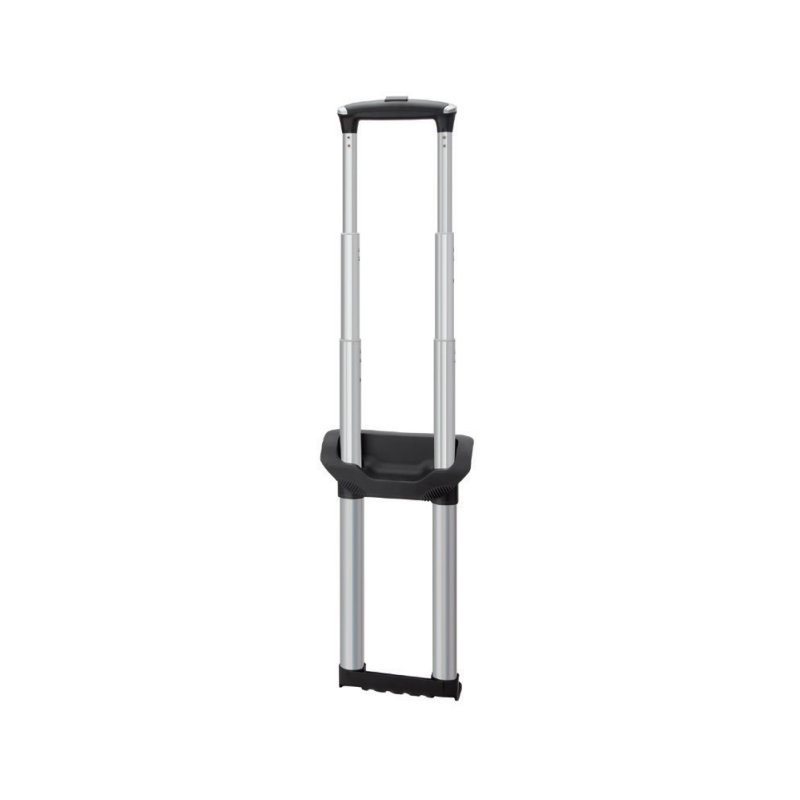
Model: LG-069
Number of sections: 4 sections
Small tube: 13×20.3mm
Middle tube:17.5×24.5mm
Outer tube: 19.5×27.5mm
Outer tube: 25.1×33.3mm
Outer tube: Iron tube
Inner tube: Aluminium tube
L: Specified length
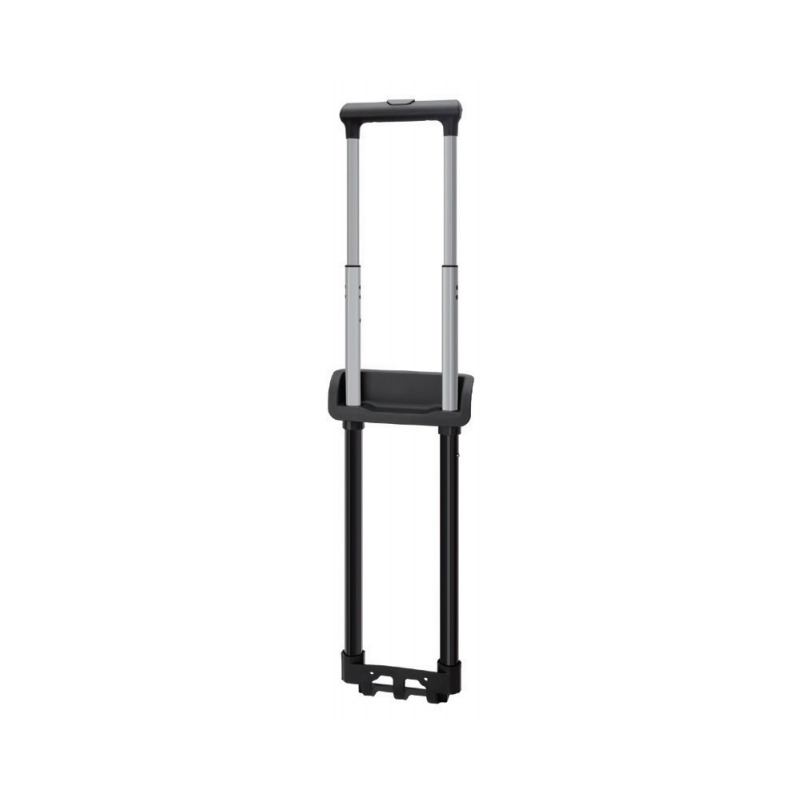
Model: LG-072
Number of sections: 2/3 sections
Small tube: 12×17.4mm
Middle tube:16.3×21.1mm
Outer tube: 21.2×25.1mm
Outer tube: Iron tube
Inner tube: Iron tube, Aluminium tube
L: Specified length
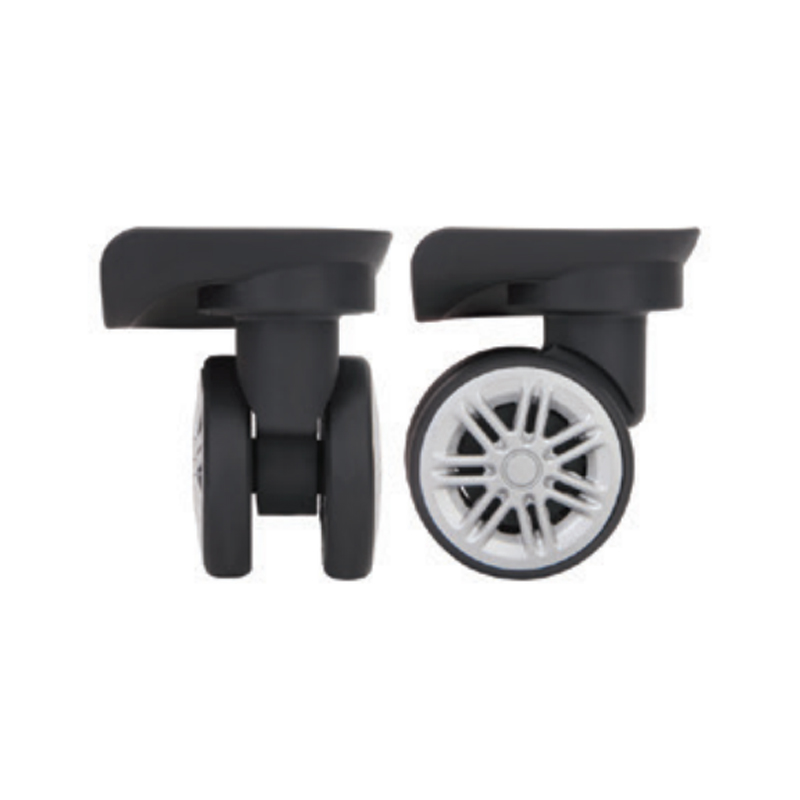
Model: Y-035-7-11
Specification: O: 50

