


 English
 中文简体
中文简体 русский
 Español
 عربى
عربى
H-016 Ethylene-Vinyl Acetate Fabric Suitcase
Material:600 Polyester
Size:20"24"28"32"




The term gets used loosely across the industry, but it generally points to suitcases somewhere in the 28 to 32 inch range, holding anywhere from 100 to 150-plus liters depending on brand and shape. That's enough room for a family's worth of clothing, or one traveler's gear for an extended stay abroad. Some models expand further with a zip-out gusset, adding a few extra inches of depth when a trip calls for it without permanently taking up storage space at home.
Capacity numbers alone don't tell the whole story, though. Two suitcases listing similar liter counts can pack very differently depending on internal shape — a boxier build tends to hold more usable volume than a rounded or tapered one, even at the same external dimensions.
The shell material shapes how a large-capacity travel suitcase handles the wear that comes with repeated loading. A few common builds show up across the category:
Internal framing plays a role too. A rigid perimeter frame keeps the suitcase's shape stable even when it's packed at full capacity, which matters more on larger builds since a heavier, fuller case puts more strain on the shell than a half-empty carry-on ever would.
Anyone who's dragged a fully loaded suitcase through a crowded terminal knows the wheels matter as much as the interior space. Spinner wheels — four wheels that rotate a full 360 degrees — have become close to standard on this size of suitcase, letting it glide alongside a traveler rather than being dragged behind at an angle. Two-wheel designs still show up, generally favored for rougher terrain like cobblestone streets or gravel lots where a spinner wheel can catch and tip.
Handle design matters just as much once the case gets heavy. A telescoping handle with multiple height settings makes a real difference for taller or shorter travelers, and dual side handles — one on top, one on the side — help when the suitcase needs to be lifted onto a scale or into a trunk rather than rolled.
Inside a large-capacity travel suitcase, the layout usually splits into two sides: one with compression straps to hold folded clothing in place, and one with a zippered mesh divider, sometimes with smaller pockets for shoes or toiletries. Some models add a built-in garment sleeve for dress clothing, cutting down on wrinkling during longer trips.
Compression straps do more work than people usually credit them for. Without them, loosely packed items shift during transit, which can throw off the suitcase's balance on the wheels and make it harder to roll in a straight line — a small annoyance that becomes noticeable fast once the case is packed close to its limit.
Not every long trip calls for the same size within this category, and buyers sourcing a large-capacity travel suitcase line often think in terms of a range rather than one fixed size:
Weight becomes a real factor once a suitcase reaches this size range, since airline checked-bag limits don't stretch just because the suitcase has more room to fill. A shell that's light on its own leaves more of that weight allowance for actual belongings, which is part of why shell material and empty suitcase weight come up so often when buyers are comparing options within the large-capacity segment.
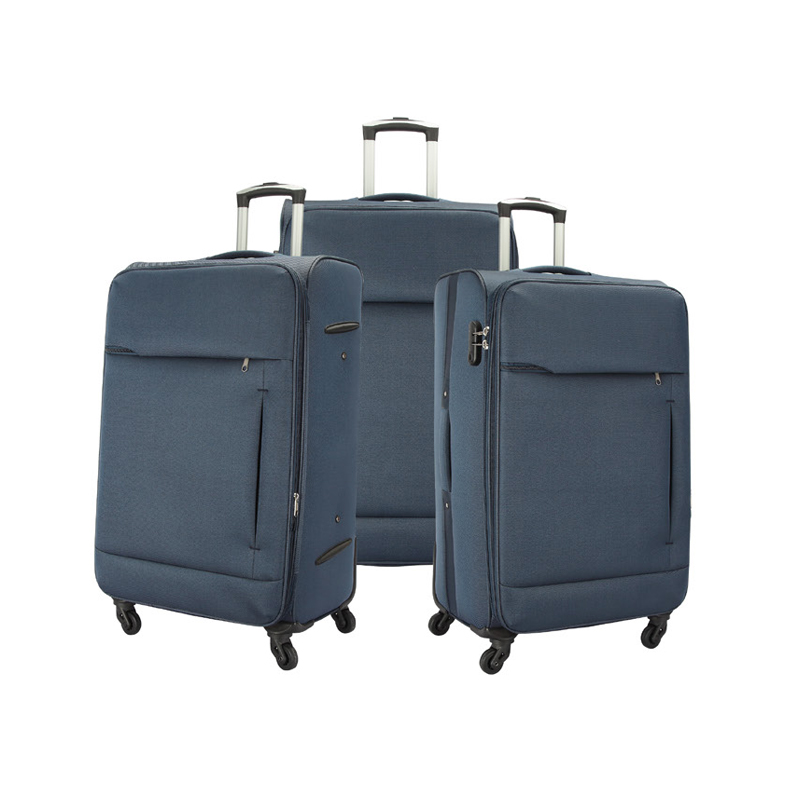
Material:600 Polyester
Size:20"24"28"32"
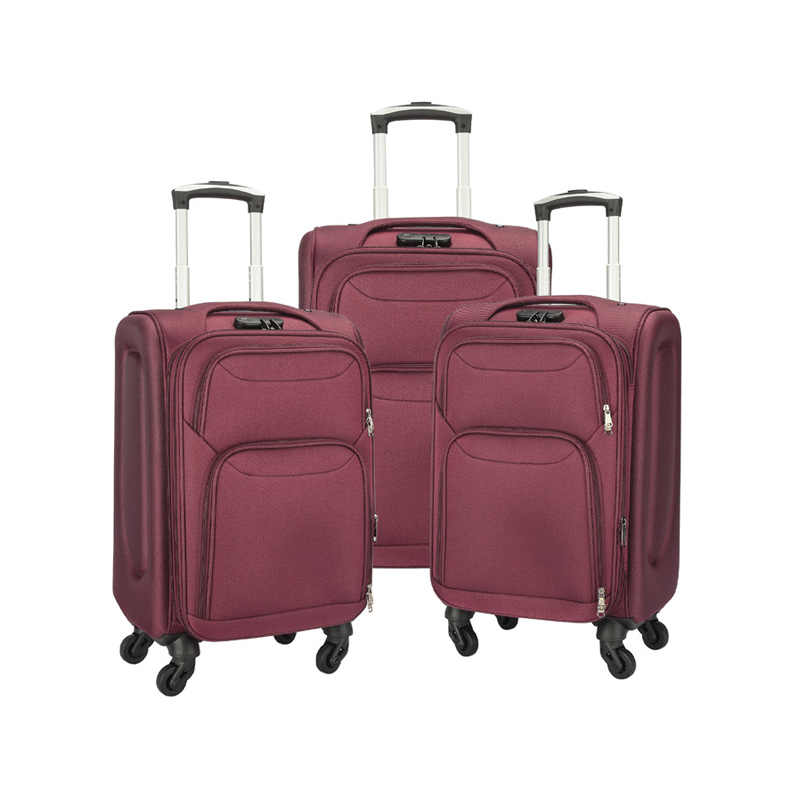
Material:600 Polyester
Size:20"24"28"32"
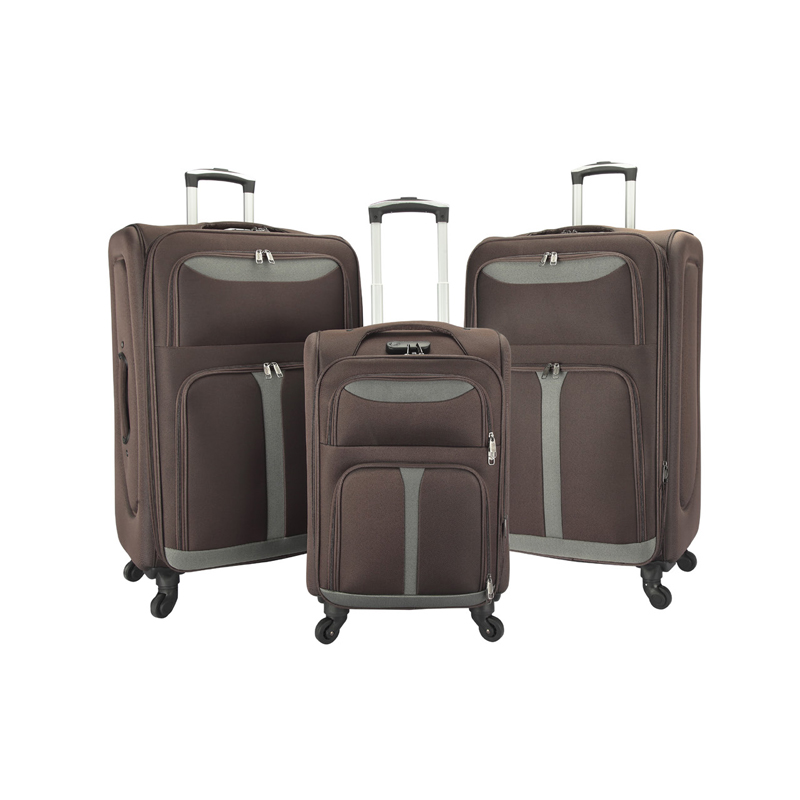
Material:600 Polyester
Size:20"24"28"32"
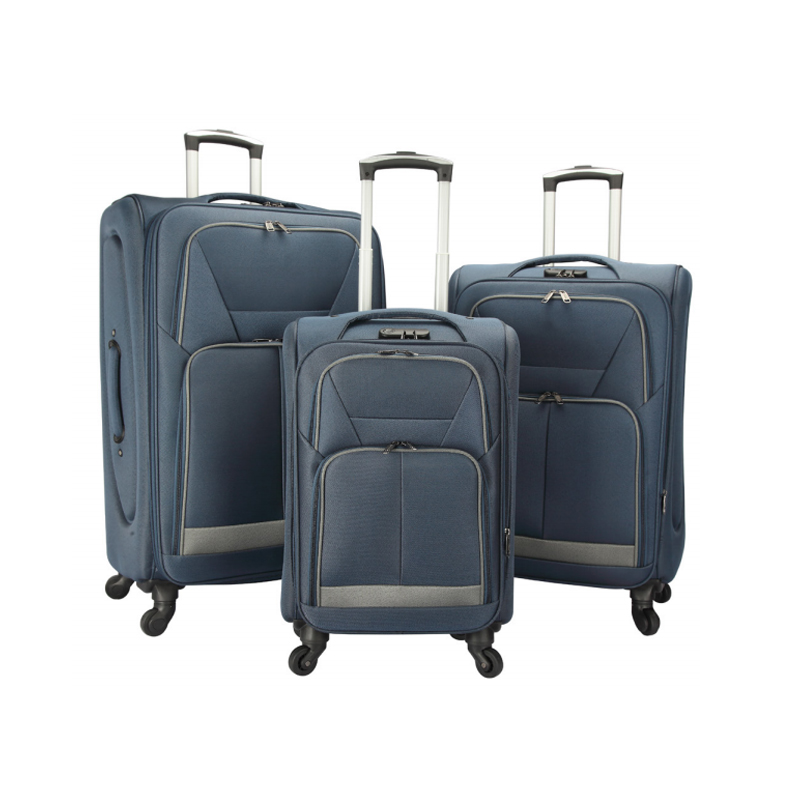
Material:600 Polyester
Size:20"24"28"32"
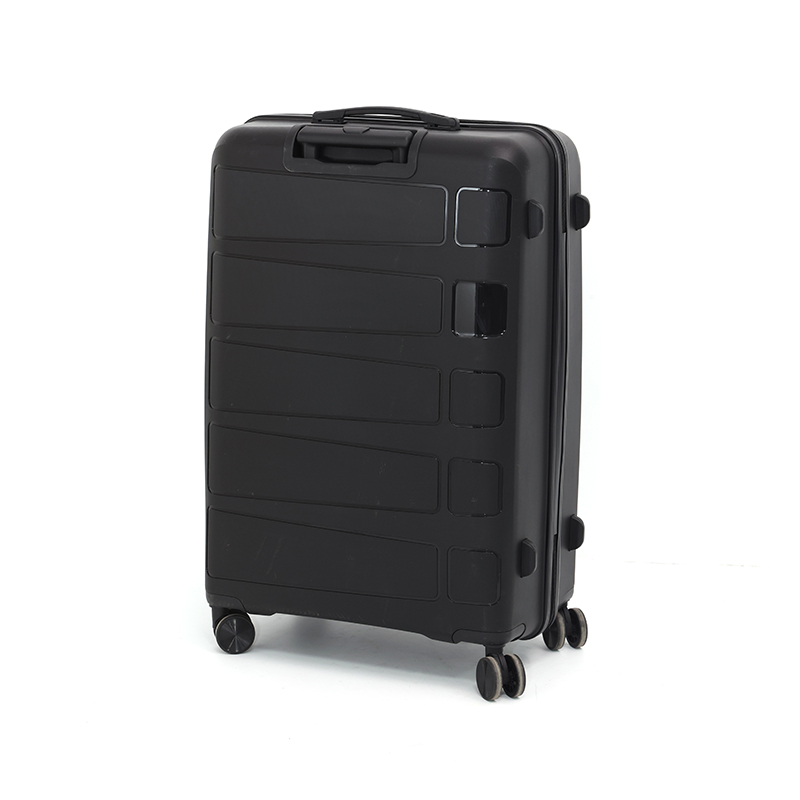
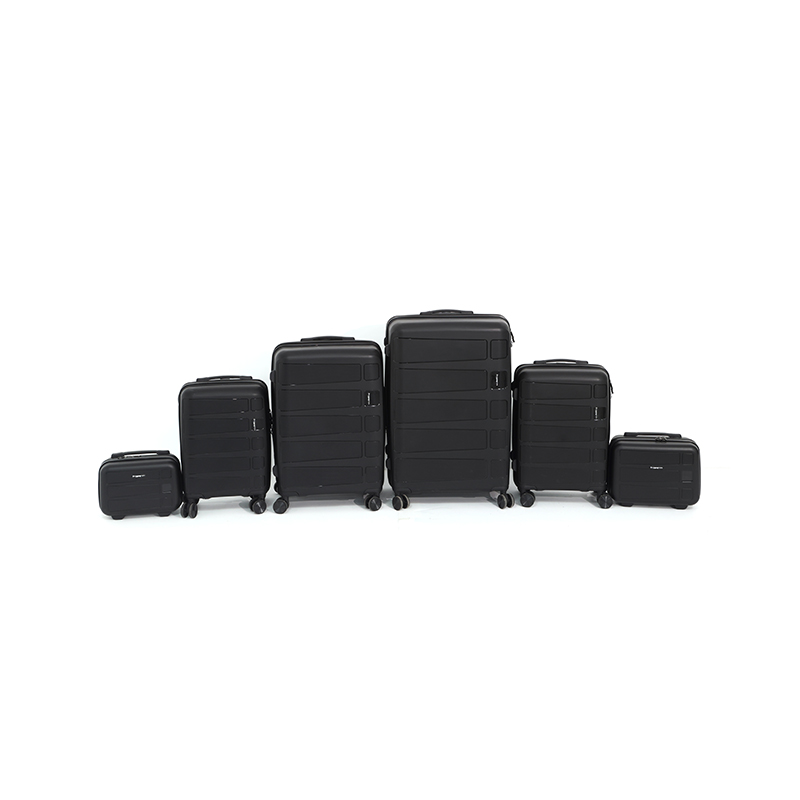
Size:12/14/18/20/24/28
31*21.5*14.5cm
33*25*16.5cm
50*33*20cm
53.5*35.5*23cm
63.5*42.5*27.5cm
73.5*49.5*30.5cm
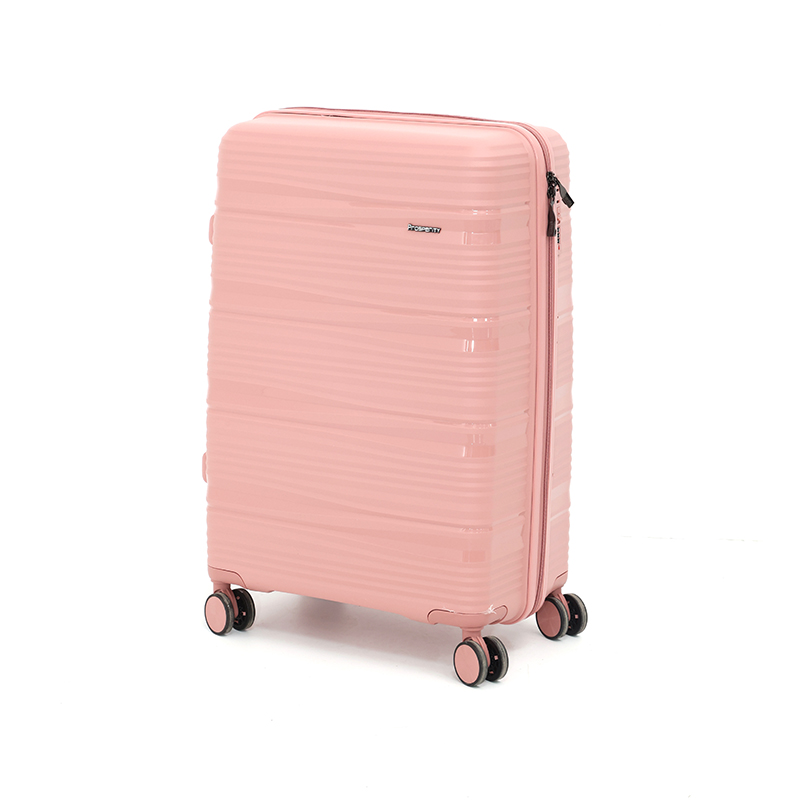
Size:14/18/22/26/30
33*25*16.5cm
50*33*20cm
59*38.5*24.5cm
68.5*44.5*29cm
78*51.5*34cm
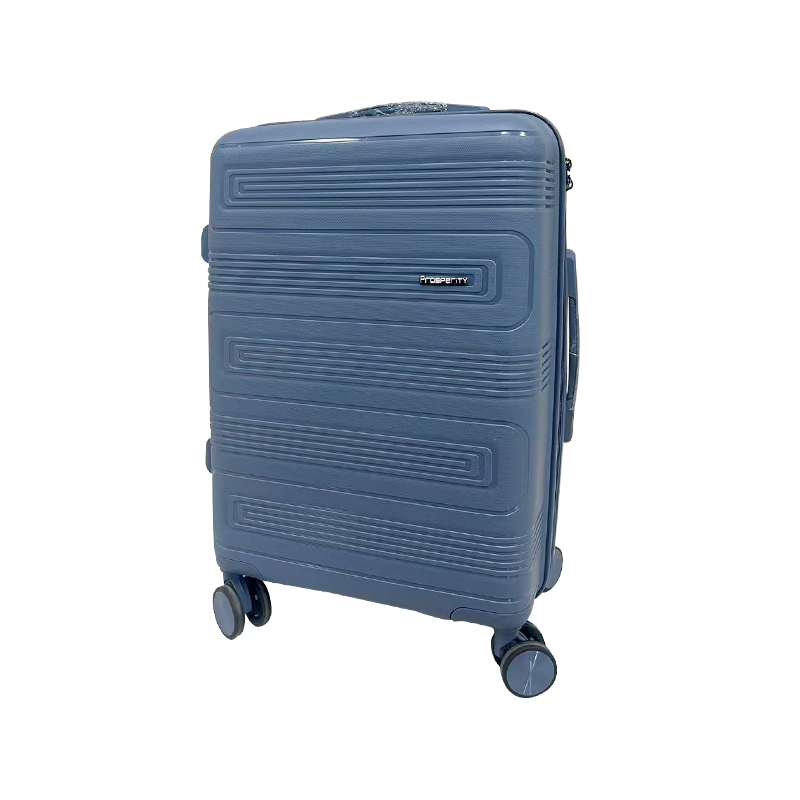
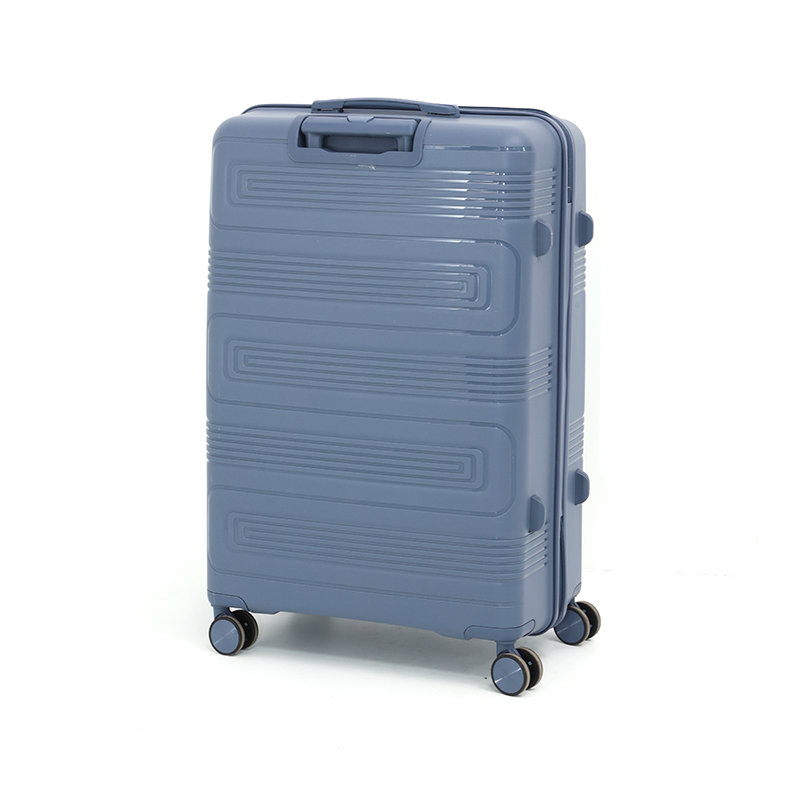
Size:15/21/25/29
37*26.5*18cm
56.5*37.5*23.5cm
65.5*43.5*28cm
76*50.5*31cm
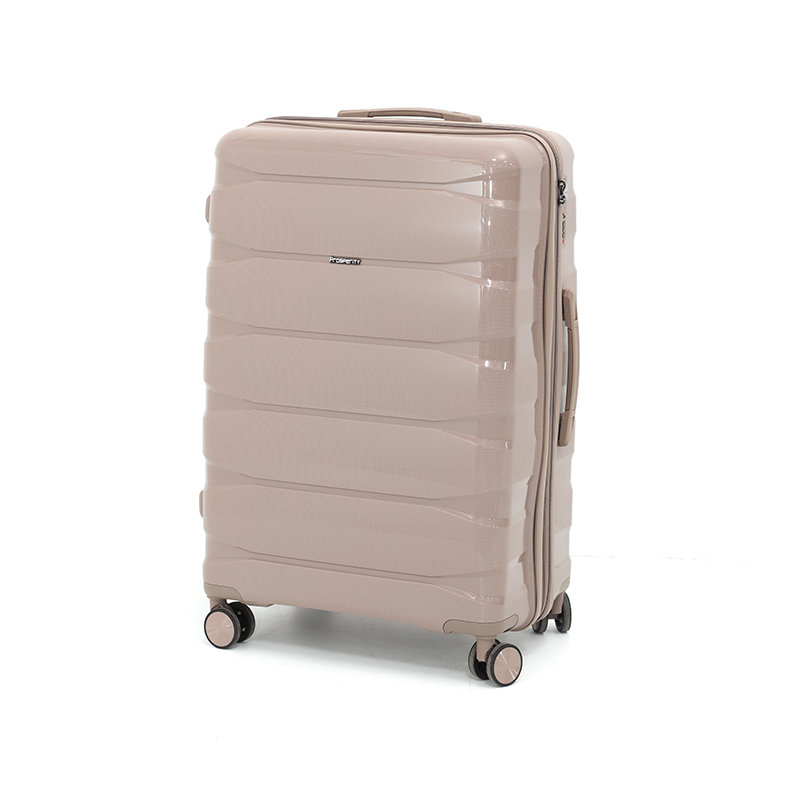
Size:13/19/23/27
32*22.5*16cm
52*34*21cm
61*40.5*26cm
70.5*46.5*29.5cm
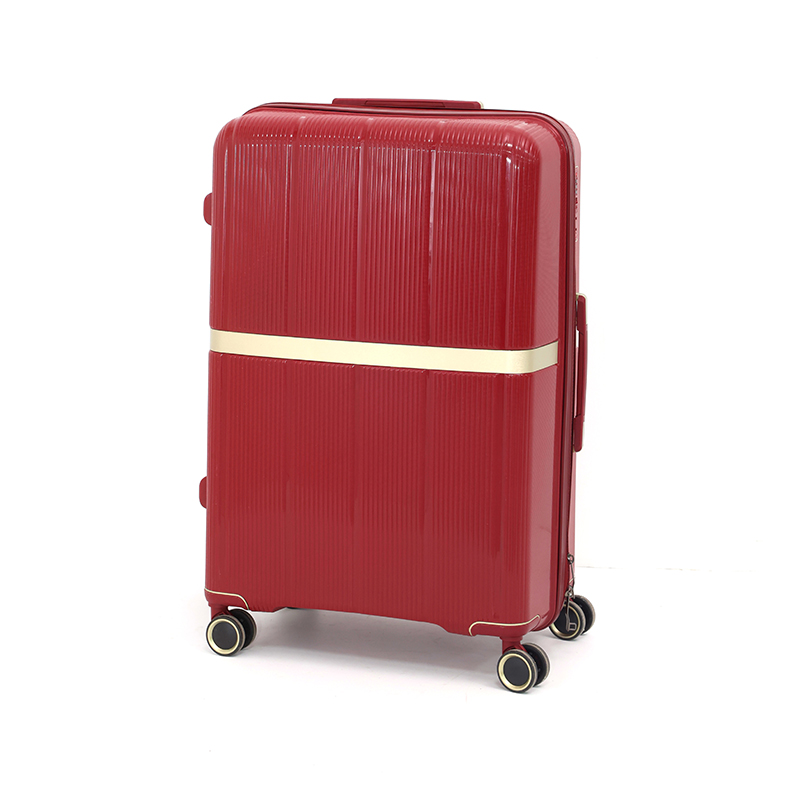
Size:14/18/20/24/28
33*25*16.5cm
50*33*20cm
53.5*35.5*23cm
63.5*42.5*27.5cm
73.5*49.5*30.5cm
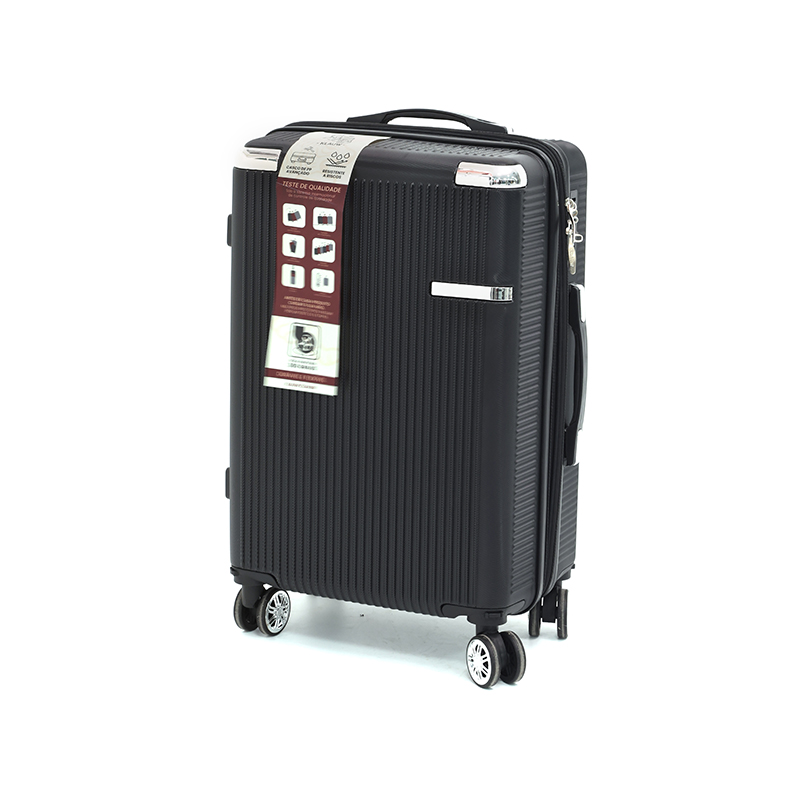
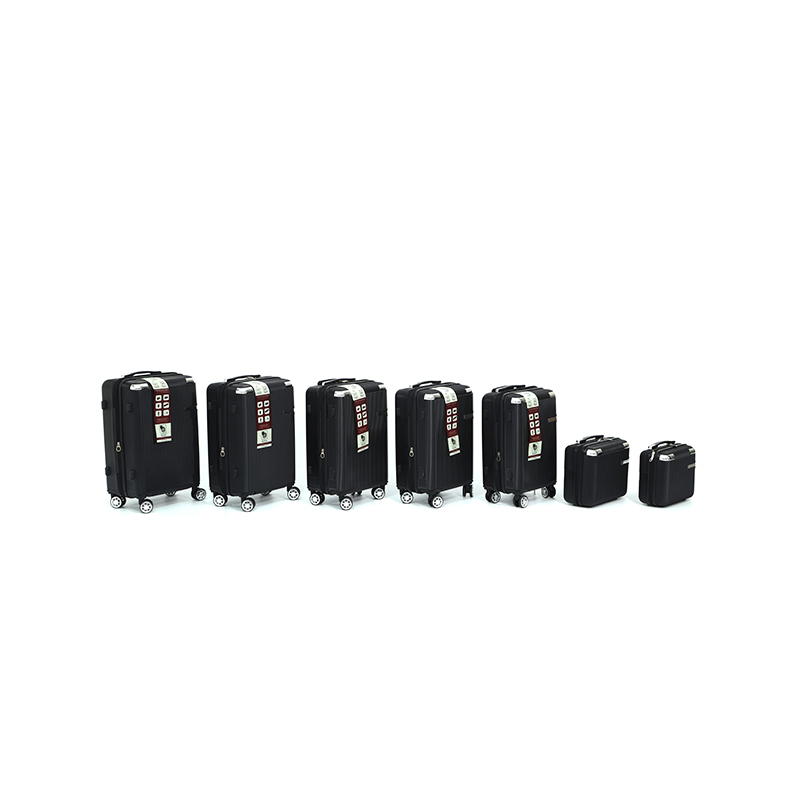
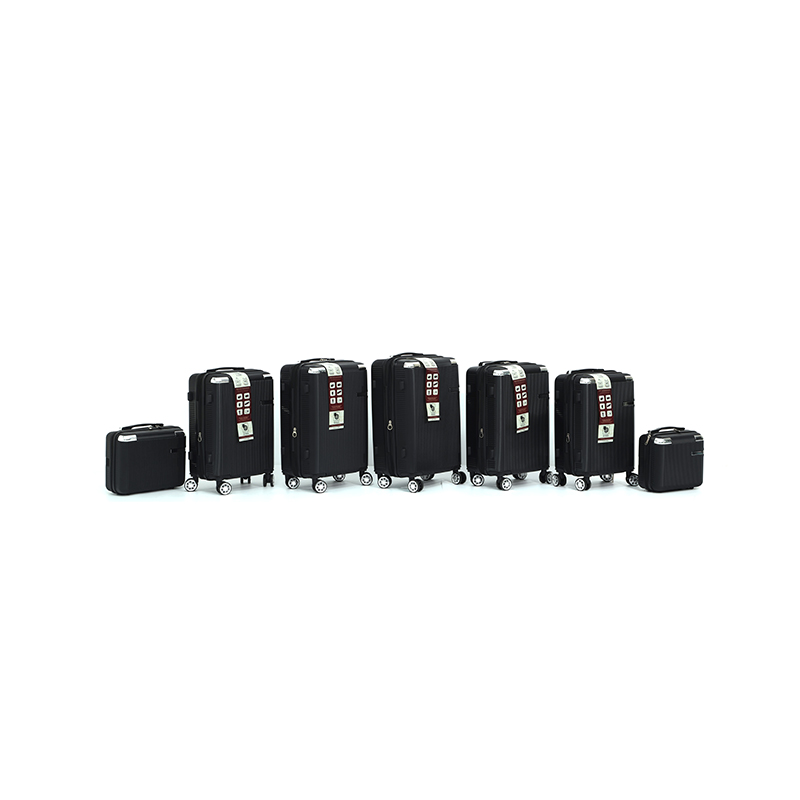
Size:12/14/18/19/20/21/22
Dimension:
31x26x15cm
35x30x16.5cm
52x35x23cm
53.5x35x25cm
56x36x25.5cm
58x38x26.5cm
60x39x28cm
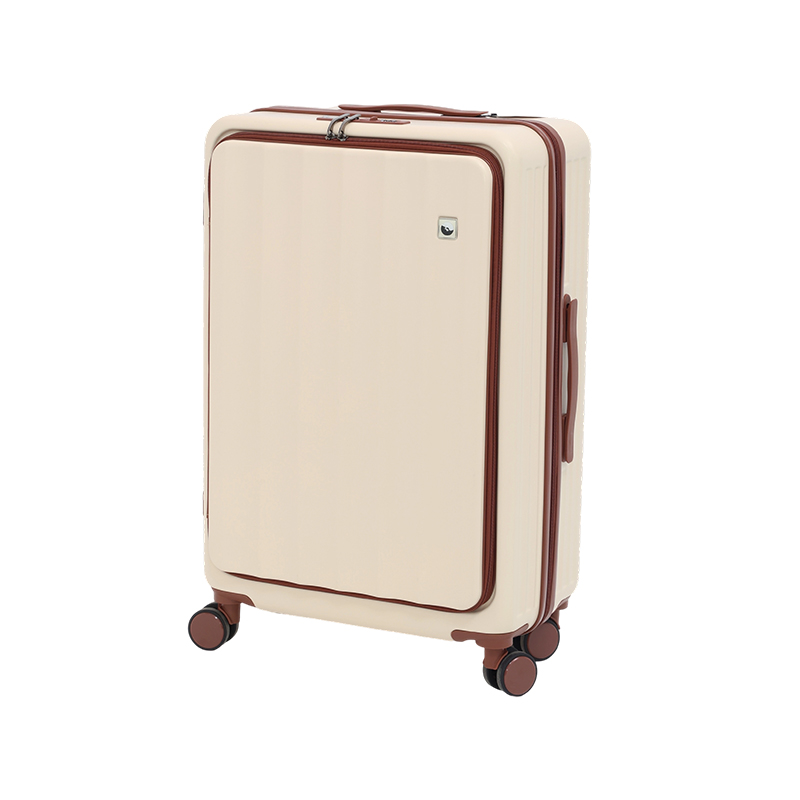
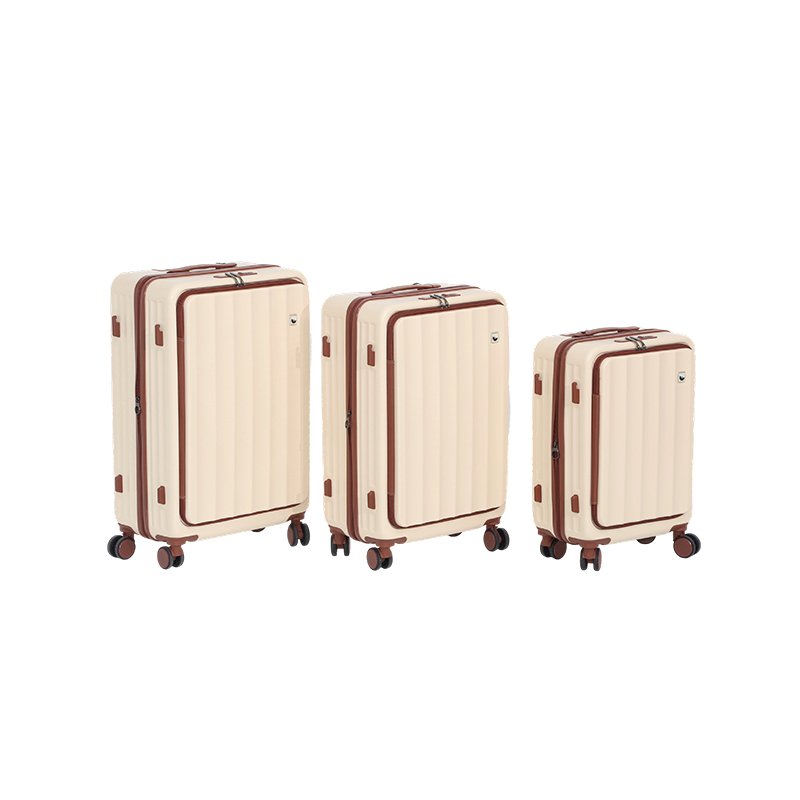
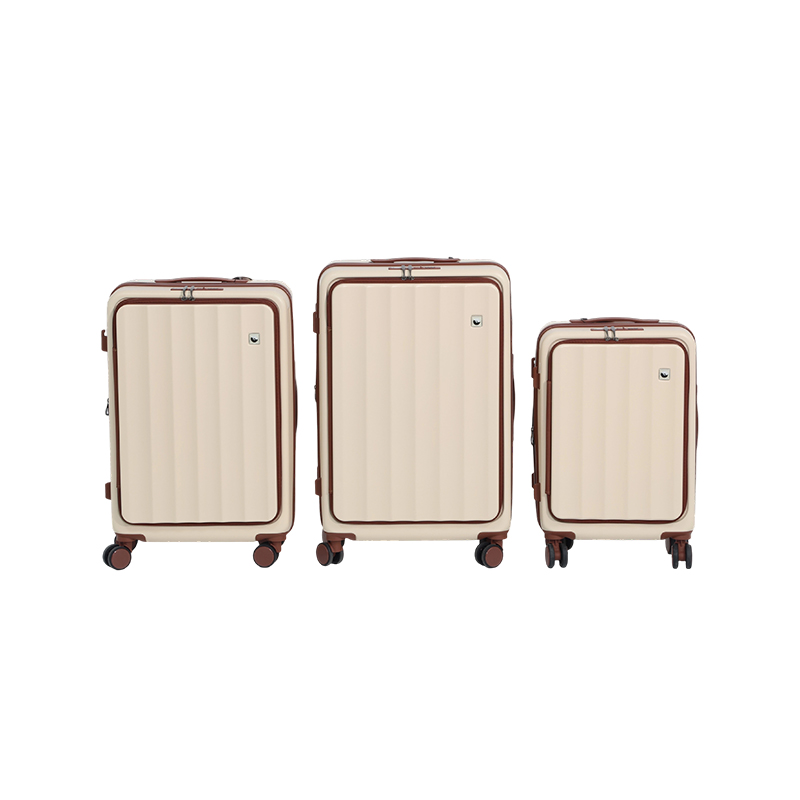
Size:20/24/28
55*35.5*23.5cm
64.5*42.5*26cm
69*45*27.5cm
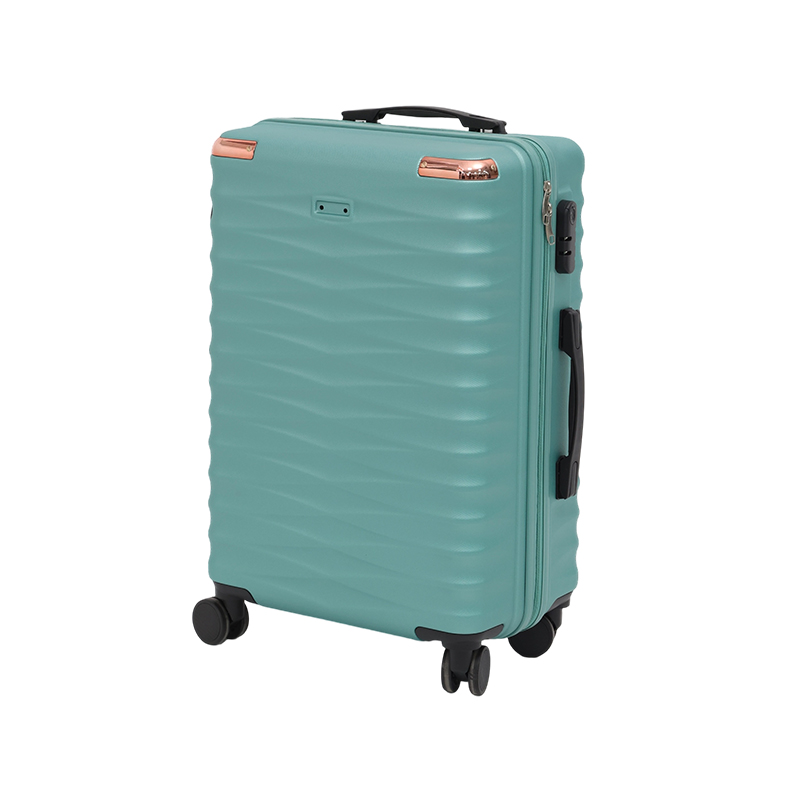
Size:19.5/23.5/27.5
19.5size:53.5×34×21cm/2.41kg
23.5size:61×39×25.5cm/3kg
27.5size:70.5×46×30cm/3.8kg
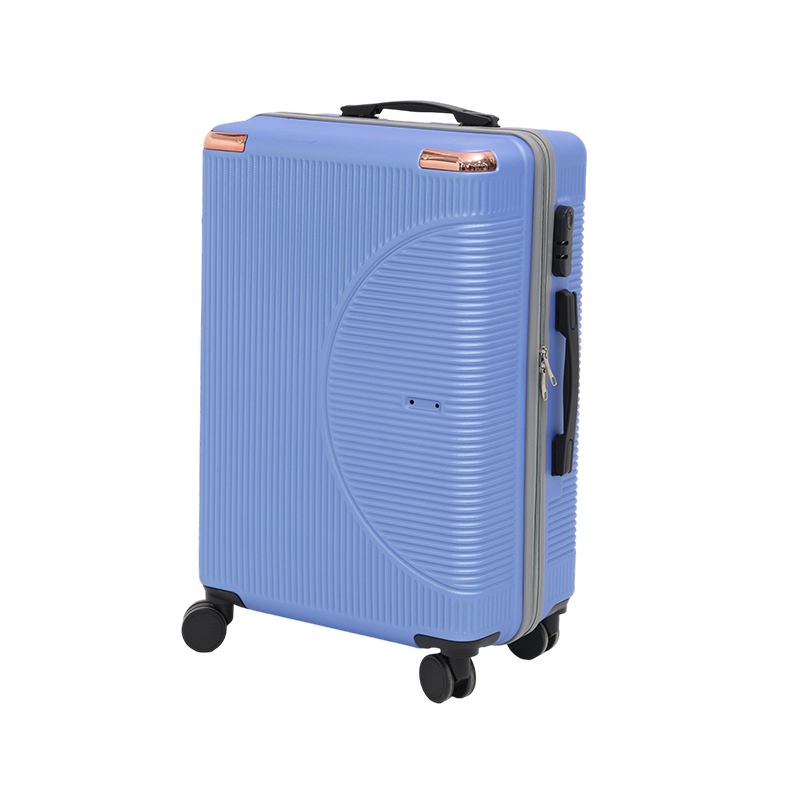
Size:20.5/24.5/28.5
20.5size:56.5×35×22cm/2.62kg
24.5size:64×41.5×27cm/3.35kg
28.5size:74.5×48×32.5cm/4.25kg
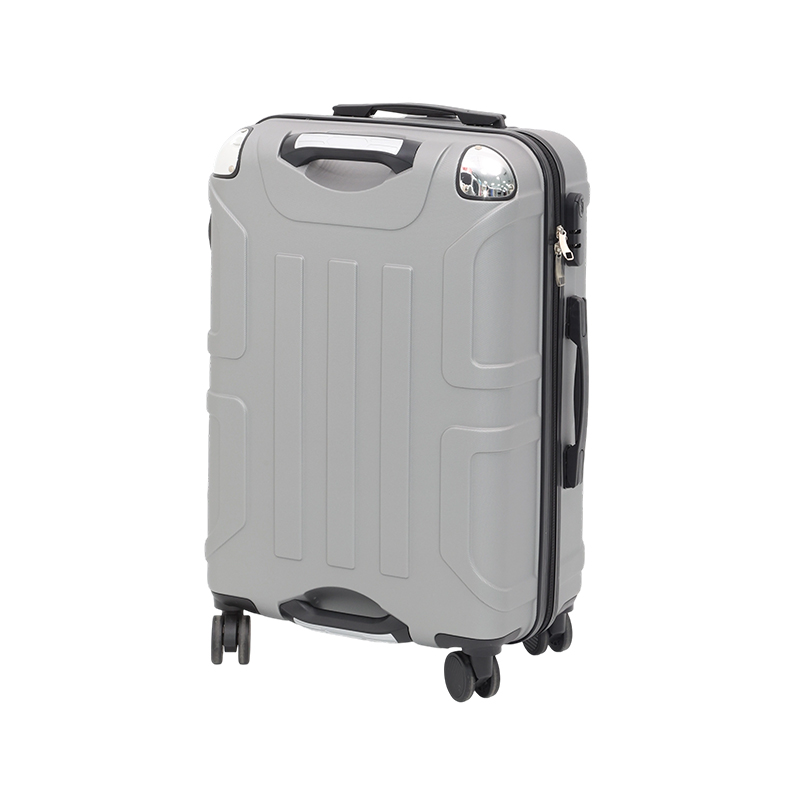
Size:19/23/27
19size: 54.5x34x21.5cm
23size: 62x39.5x25.5cm
27size: 71x46x29.5cm
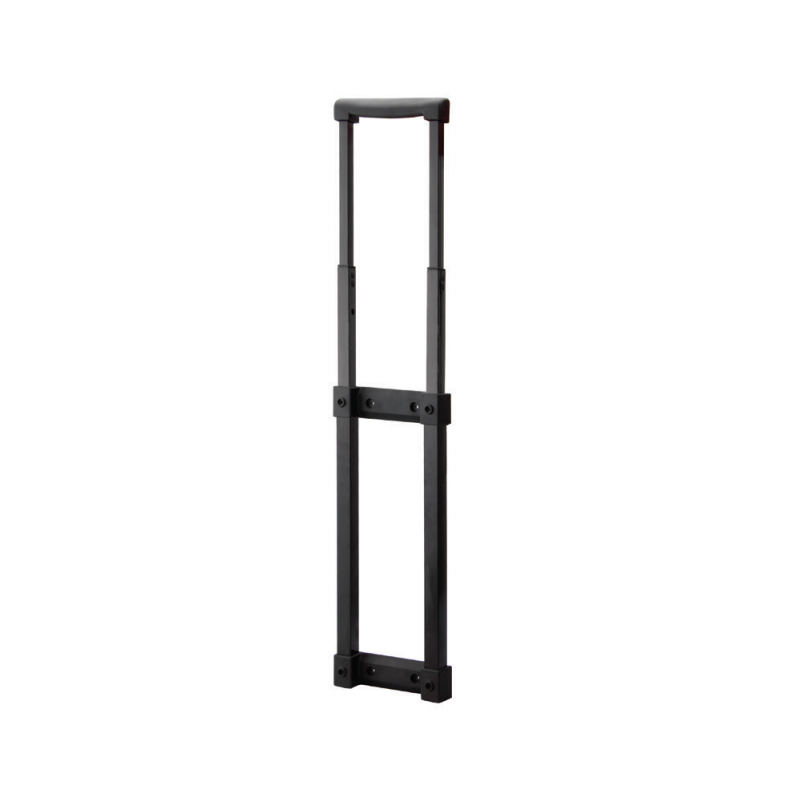
Model: LG-008
Sections: 2/3 sections
Small tube: 13×13mm
Middle tube: 16.5×16.5mm
Outer tube: 20×20mm
Outer tube: Iron tube
Inner tube: Iron tube
L: Specified length
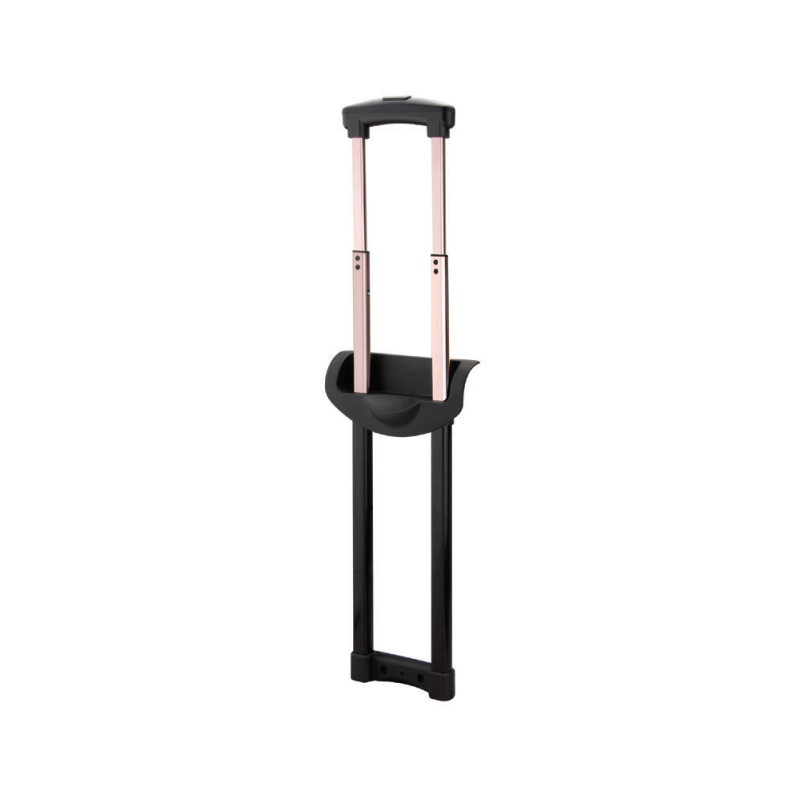
Model: LG-015B
Sections: 2/3 sections
Small tube: 12×18mm
Middle tube:17×23mm
Outer tube: 21×27mm
Outer tube: Iron tube
Inner tube: Aluminium tube, iron tube
L: Specified length
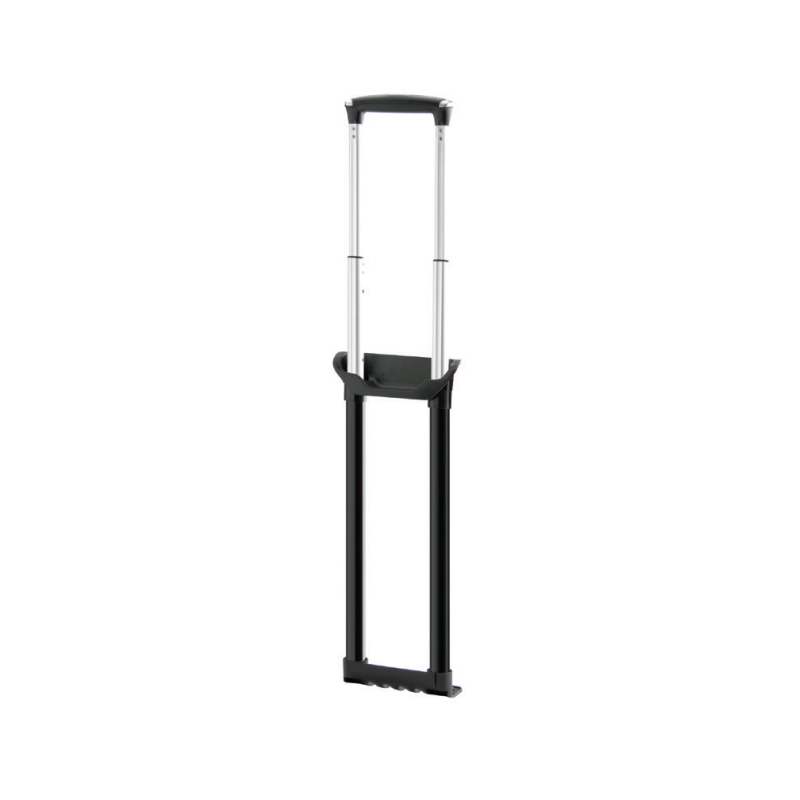
Model: LG-041
Number of sections: 2/3 sections
Small tube: 13×20.3mm
Middle tube:17.5×24.5mm
Outer tube: 21.5×28.5mm
Outer tube: Iron tube, Aluminium tube
Inner tube: Aluminium tube
L: Specified length
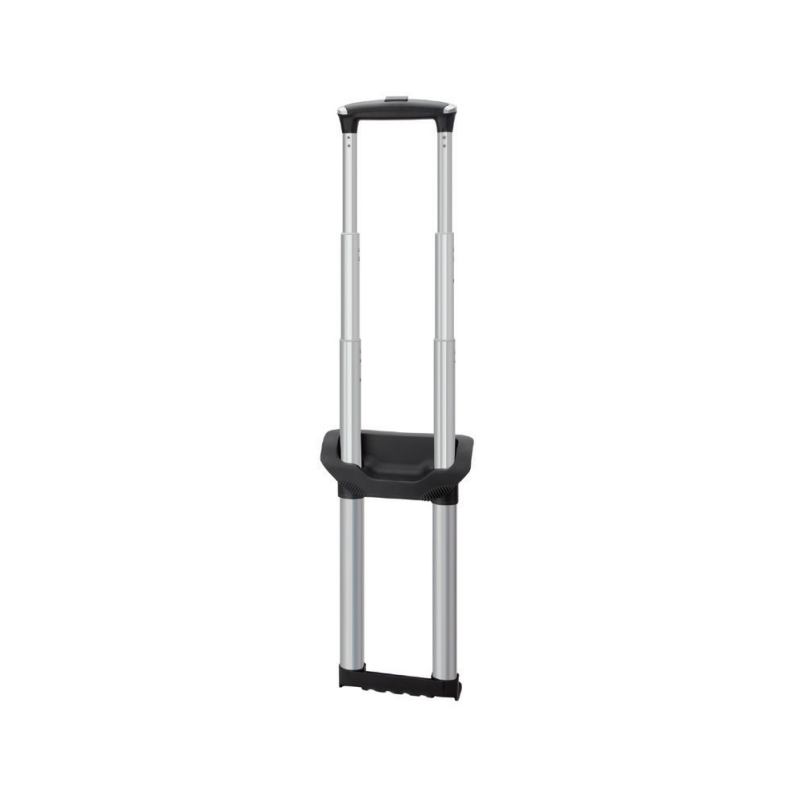
Model: LG-069
Number of sections: 4 sections
Small tube: 13×20.3mm
Middle tube:17.5×24.5mm
Outer tube: 19.5×27.5mm
Outer tube: 25.1×33.3mm
Outer tube: Iron tube
Inner tube: Aluminium tube
L: Specified length
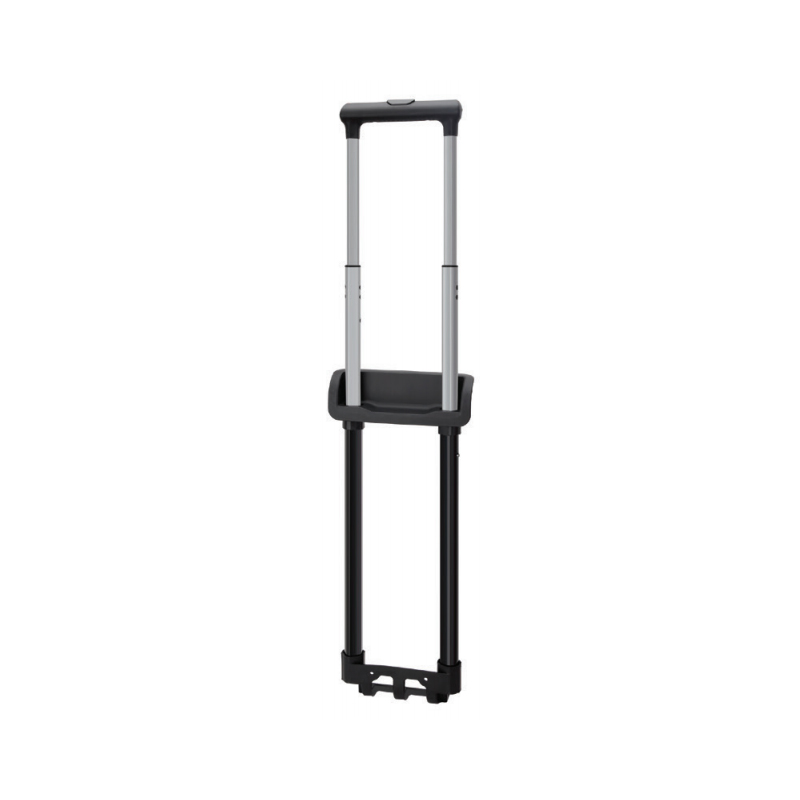
Model: LG-072
Number of sections: 2/3 sections
Small tube: 12×17.4mm
Middle tube:16.3×21.1mm
Outer tube: 21.2×25.1mm
Outer tube: Iron tube
Inner tube: Iron tube, Aluminium tube
L: Specified length
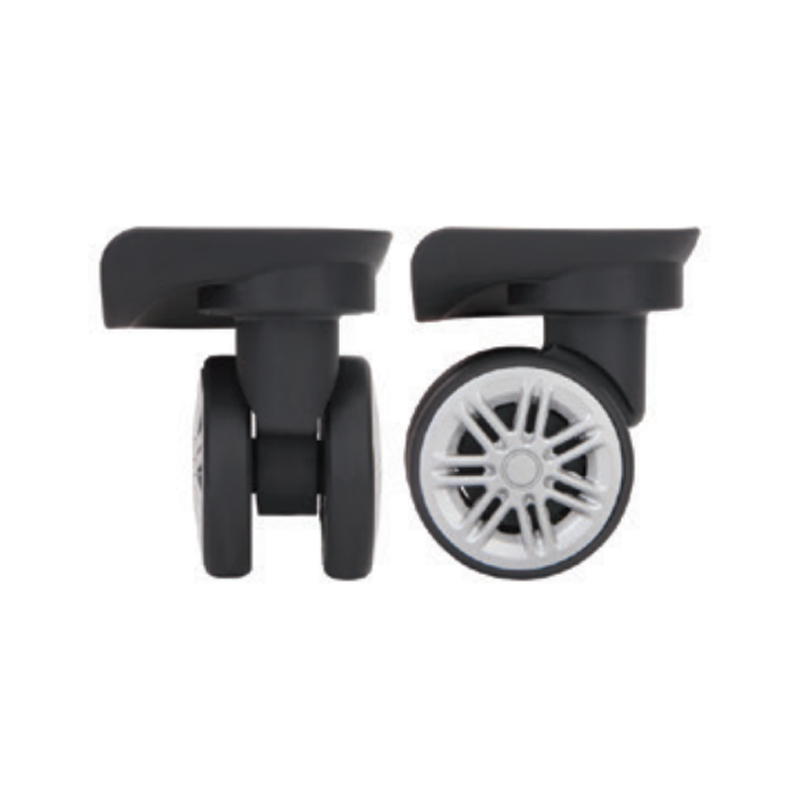
Model: Y-035-7-11
Specification: O: 50

