


 English
 中文简体
中文简体 русский
 Español
 عربى
عربى
H-016 Ethylene-Vinyl Acetate Fabric Suitcase
Material:600 Polyester
Size:20"24"28"32"




Luggage rarely gets gentle treatment. Between baggage handlers tossing bags onto conveyor belts, overhead bins slamming shut, and curbside drops onto concrete, a suitcase spends more time being knocked around than being carefully carried. That reality is exactly why a pressure-resistant and wear-resistant suitcase has become a common search term among people replacing luggage that cracked, dented, or scuffed apart after only a handful of trips.
The idea behind this category isn't complicated. It simply means the shell and surface are built to handle repeated impact and friction without breaking down quickly. Someone checking a bag every week for work has very different needs than someone who packs a suitcase twice a year, and that gap is part of why this style of luggage keeps showing up in comparison searches.
Pressure resistance generally refers to how a suitcase shell responds when weight or force is applied unevenly — think of a stack of heavier bags piled on top during transit, or a case getting squeezed into a tightly packed cargo hold. A shell built with this in mind tends to flex slightly and return to its original shape rather than staying dented or caving in.
This matters more than people expect. A case that holds its shape after pressure keeps zippers aligned, corners intact, and wheels spinning freely. A pressure-resistant and wear-resistant suitcase is often marketed specifically around this recovery behavior, since a shell that stays rigid without any give is actually more prone to cracking under sudden force than one engineered to absorb it.
Wear resistance is a separate but related property, focused on the surface rather than the structure underneath. Scuffs, scratches, and surface abrasion build up from repeated handling — sliding across airport floors, rubbing against other bags in a car trunk, brushing against escalator rails. A wear-resistant coating or shell material slows down how visibly that surface damage accumulates.
A few surface qualities tend to come up often when people compare options:
Frequent flyers are an obvious group, simply because repeated travel multiplies the number of times a bag gets dropped, stacked, or dragged. But interest in a pressure-resistant and wear-resistant suitcase isn't limited to road warriors. Field technicians, delivery drivers, and anyone hauling equipment between job sites also gravitate toward this category, since their bags face rougher conditions than a typical vacation trip.
Families packing for long trips make up another segment, often less concerned with weight limits and more focused on whether a case can survive being crammed into an overstuffed trunk alongside strollers, coolers, and sports gear. For all of these groups, the appeal of a pressure-resistant and wear-resistant suitcase comes down to the same thing: fewer surprises after the bag comes off the belt.
Underneath the surface finish, shell thickness and internal ribbing usually play a bigger role than people assume. A slightly thicker panel paired with structural ribbing along stress points — corners, wheel housings, handle mounts — tends to distribute pressure rather than letting it concentrate in one weak spot.
Zipper tape, wheel housings, and handle joints also factor into how well a case performs over time, since a shell can resist pressure perfectly well while a weak zipper or wobbly wheel still lets the bag down. That's part of why comparisons of a pressure-resistant and wear-resistant suitcase often look past the shell alone and factor in how these smaller components are attached.
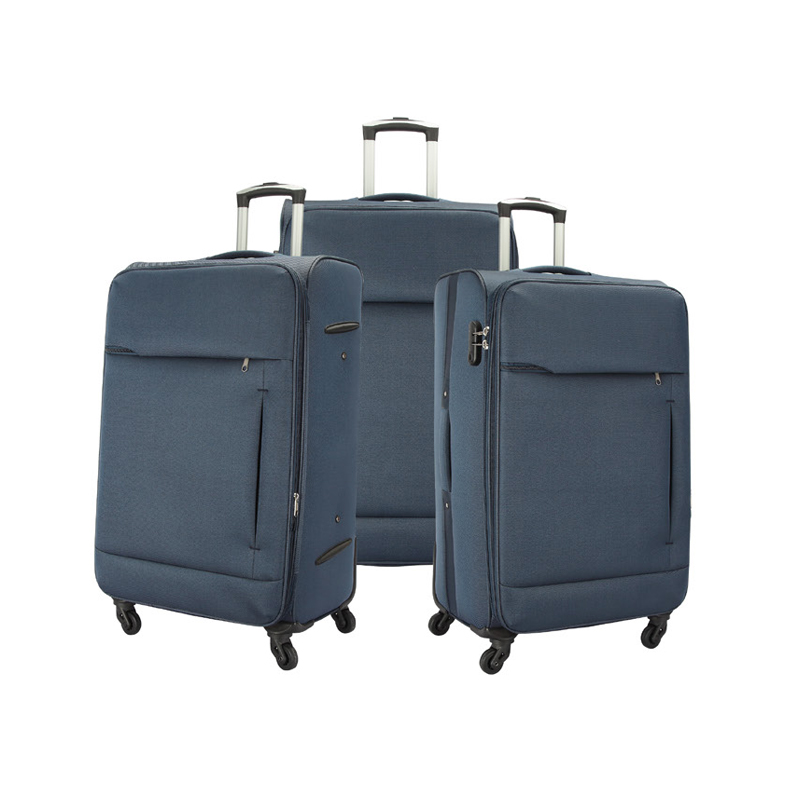
Material:600 Polyester
Size:20"24"28"32"
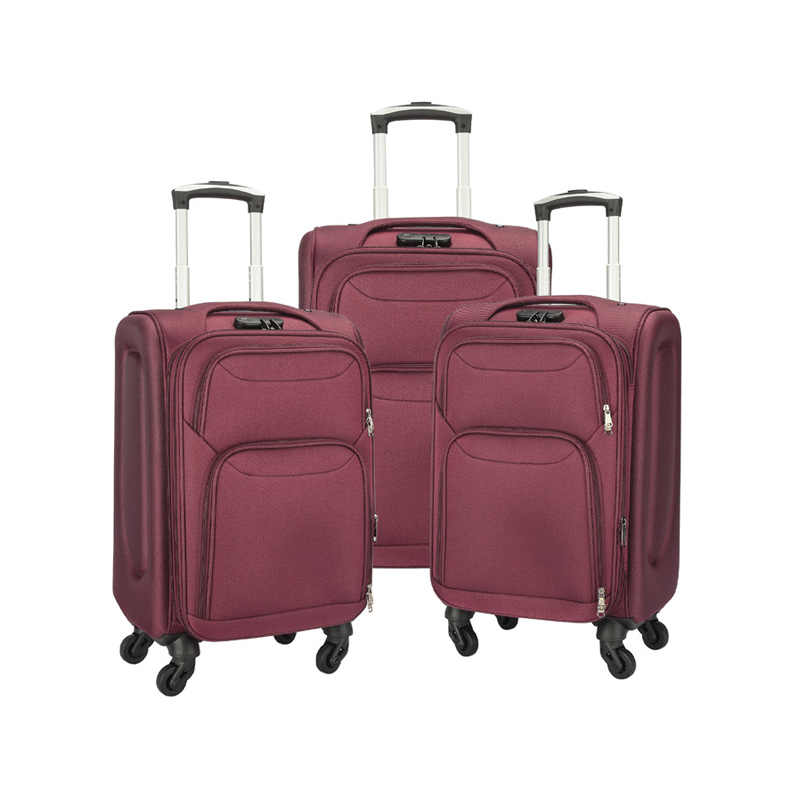
Material:600 Polyester
Size:20"24"28"32"
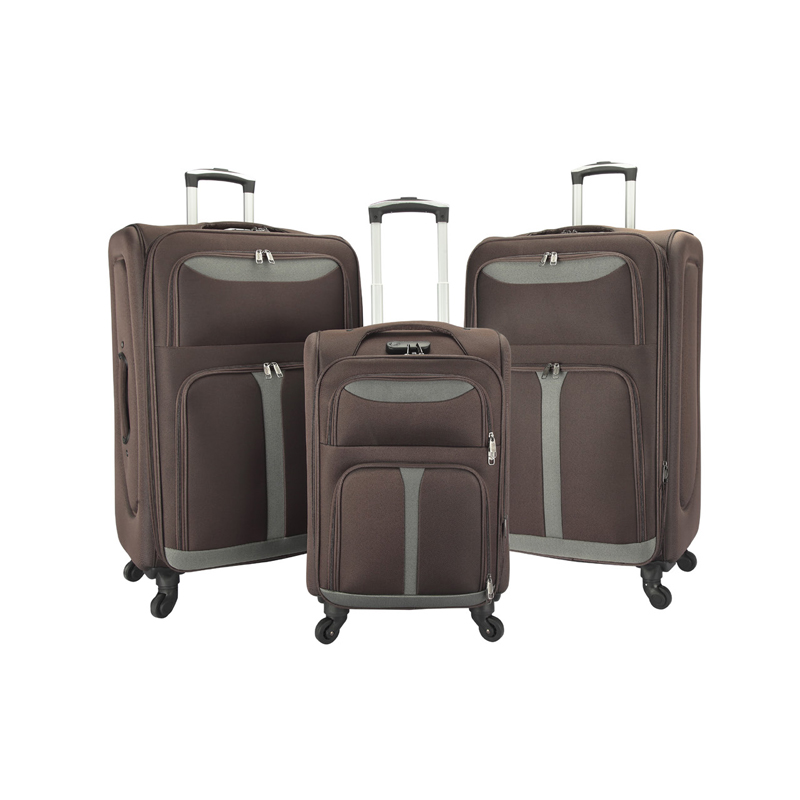
Material:600 Polyester
Size:20"24"28"32"
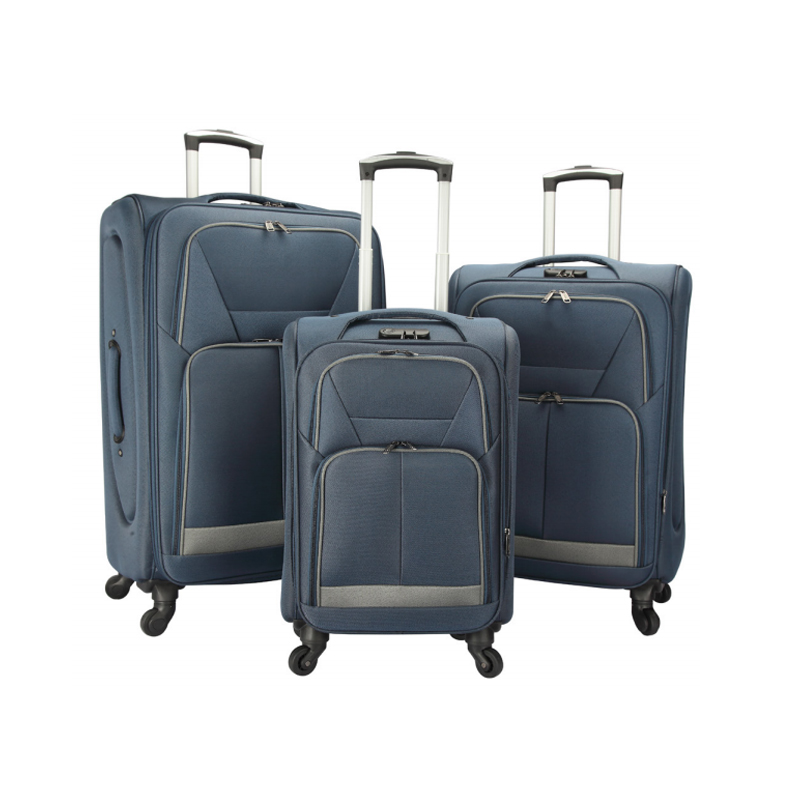
Material:600 Polyester
Size:20"24"28"32"
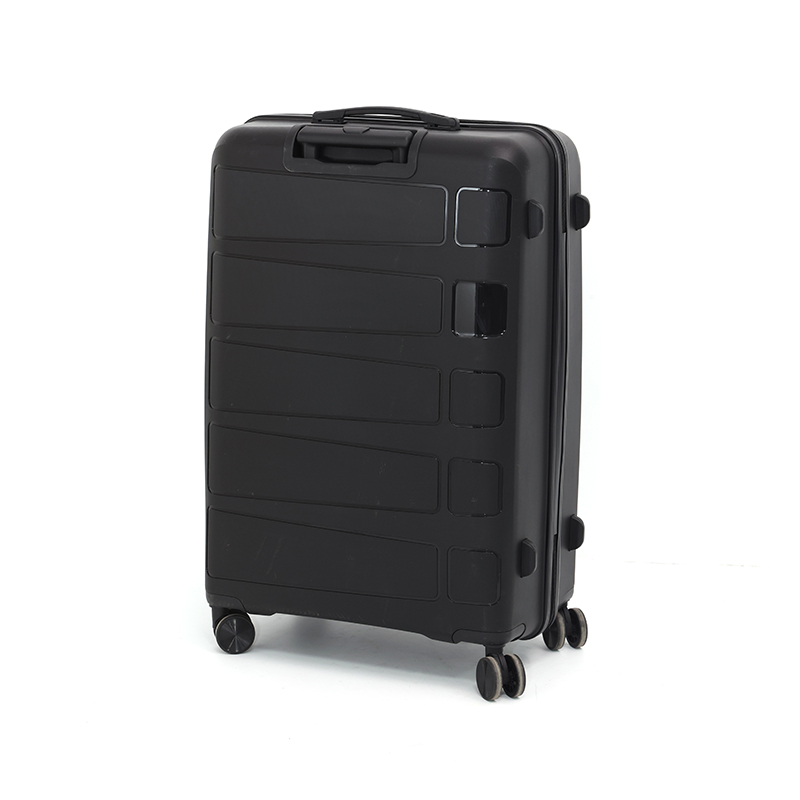
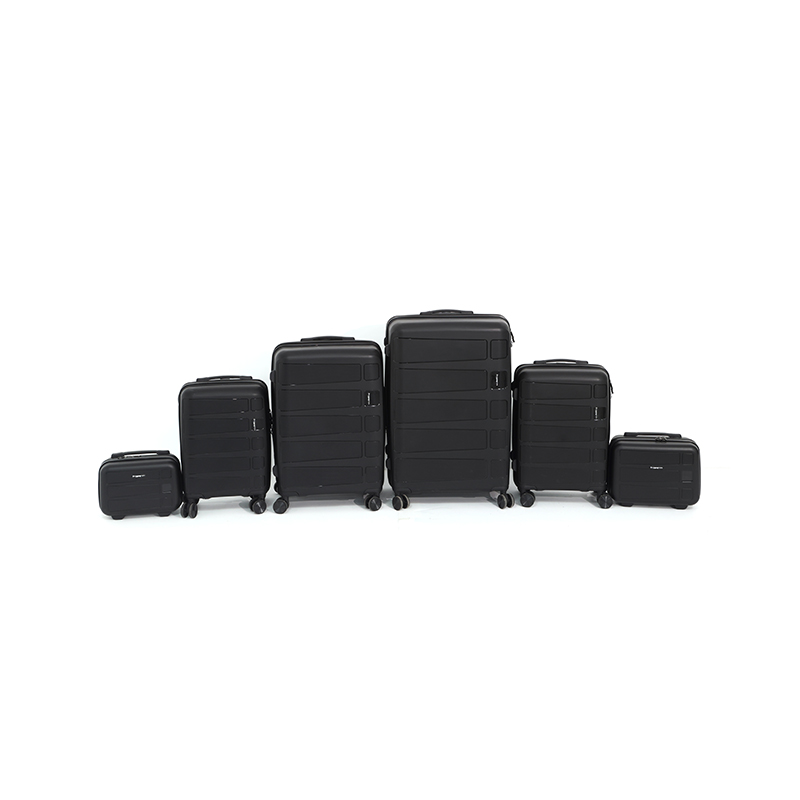
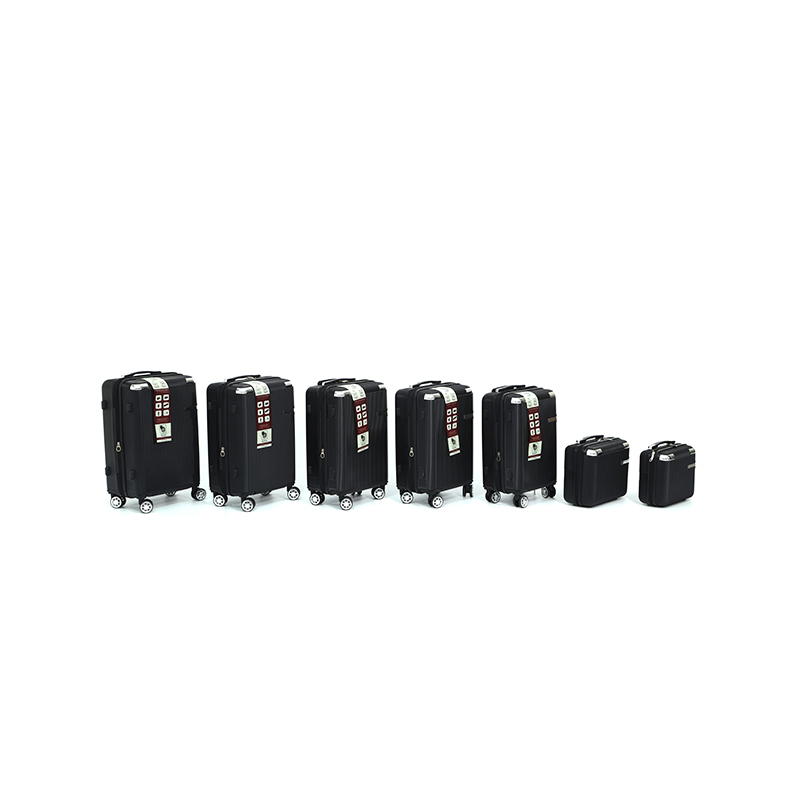
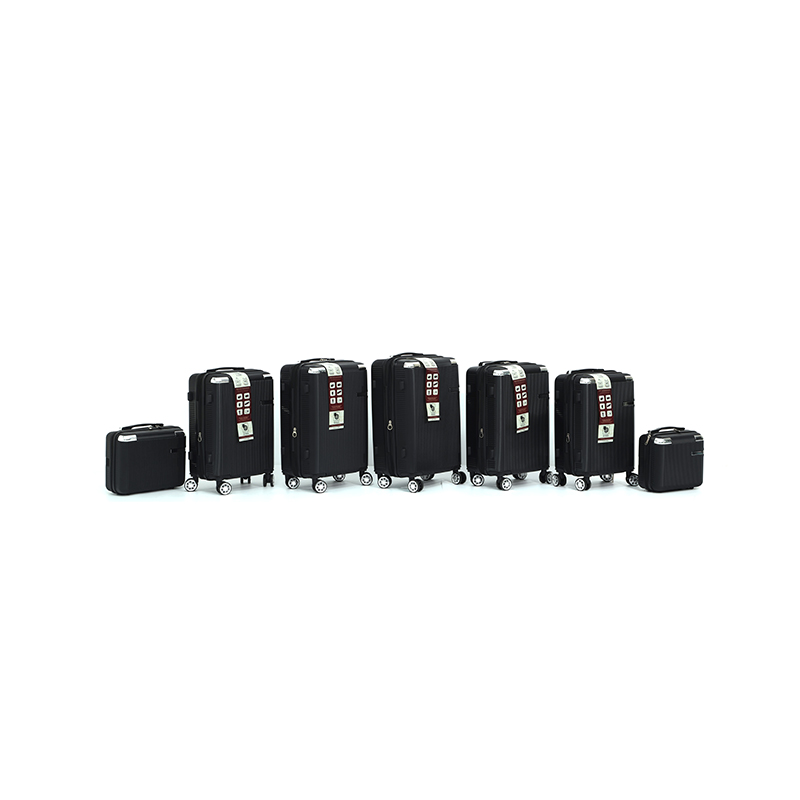
Size:12/14/18/20/24/28
31*21.5*14.5cm
33*25*16.5cm
50*33*20cm
53.5*35.5*23cm
63.5*42.5*27.5cm
73.5*49.5*30.5cm
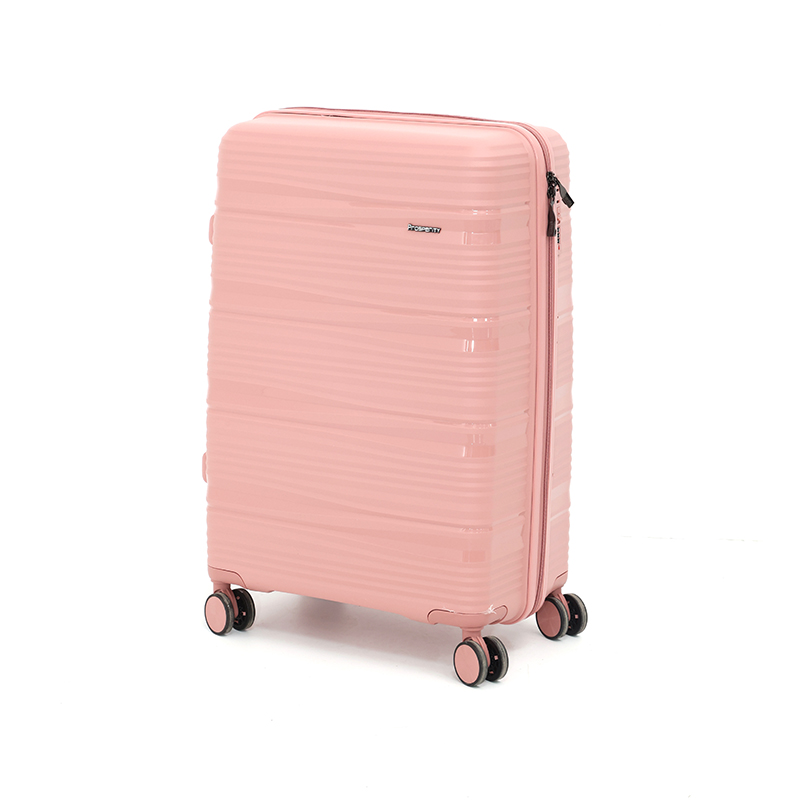
Size:14/18/22/26/30
33*25*16.5cm
50*33*20cm
59*38.5*24.5cm
68.5*44.5*29cm
78*51.5*34cm
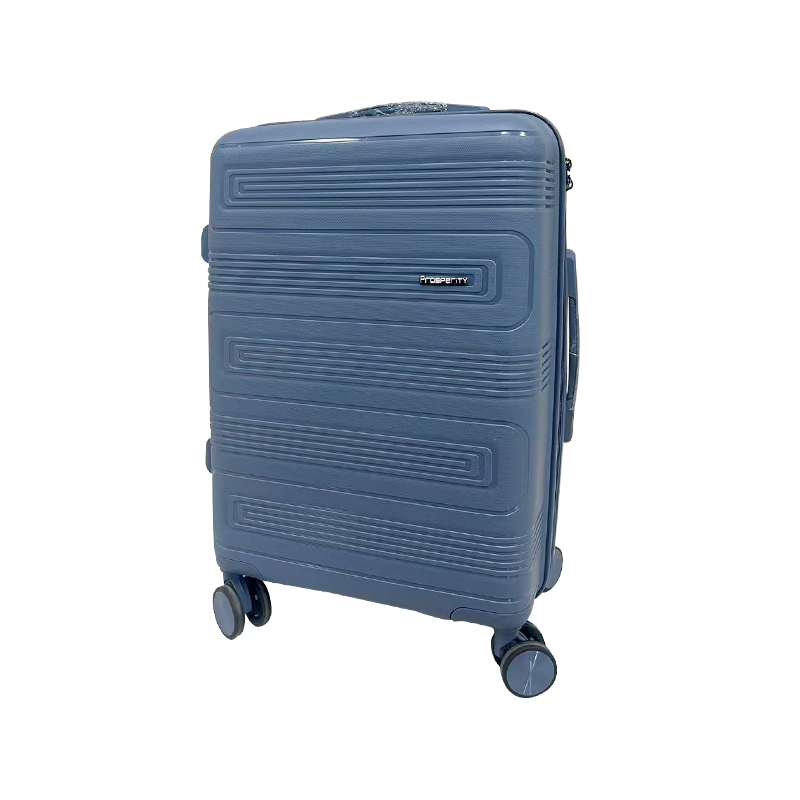
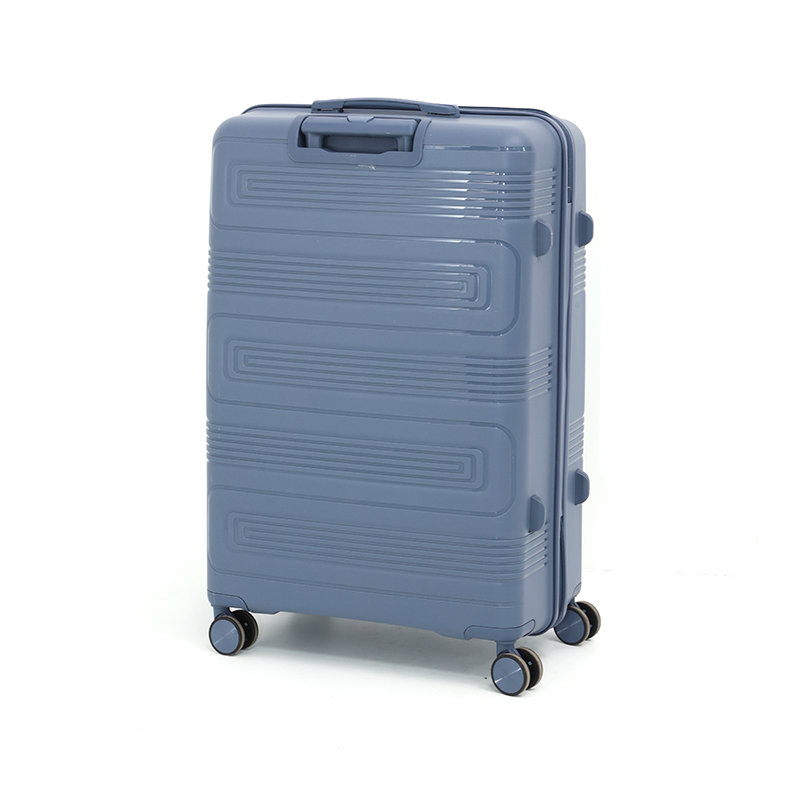
Size:15/21/25/29
37*26.5*18cm
56.5*37.5*23.5cm
65.5*43.5*28cm
76*50.5*31cm
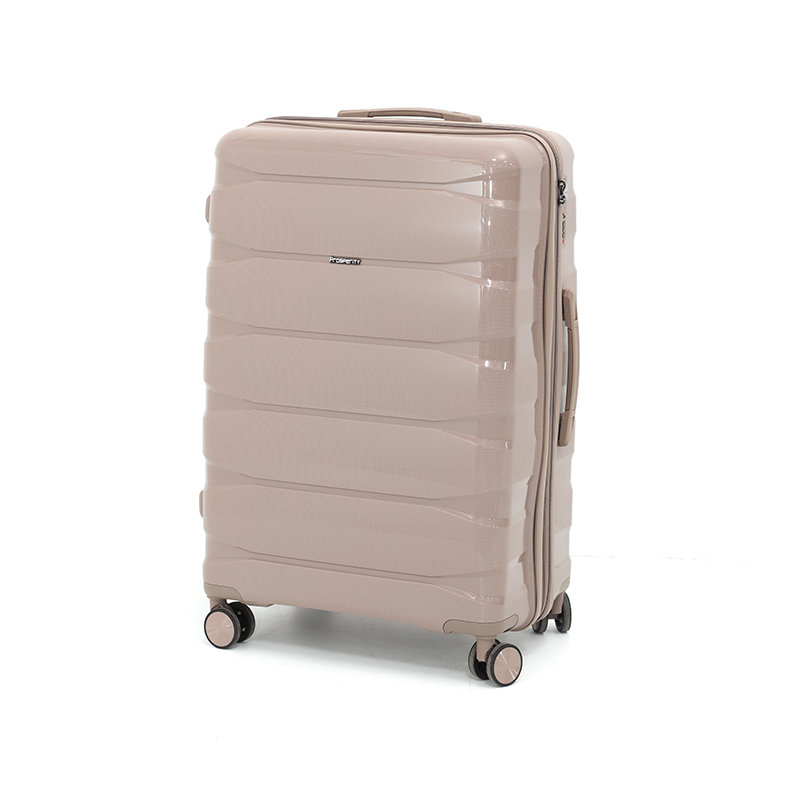
Size:13/19/23/27
32*22.5*16cm
52*34*21cm
61*40.5*26cm
70.5*46.5*29.5cm
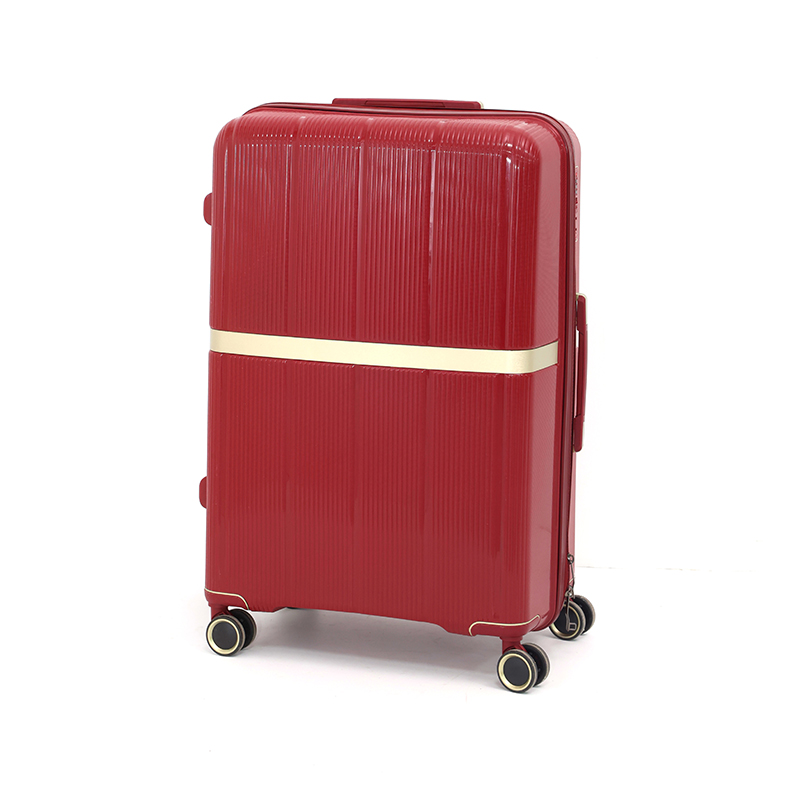
Size:14/18/20/24/28
33*25*16.5cm
50*33*20cm
53.5*35.5*23cm
63.5*42.5*27.5cm
73.5*49.5*30.5cm
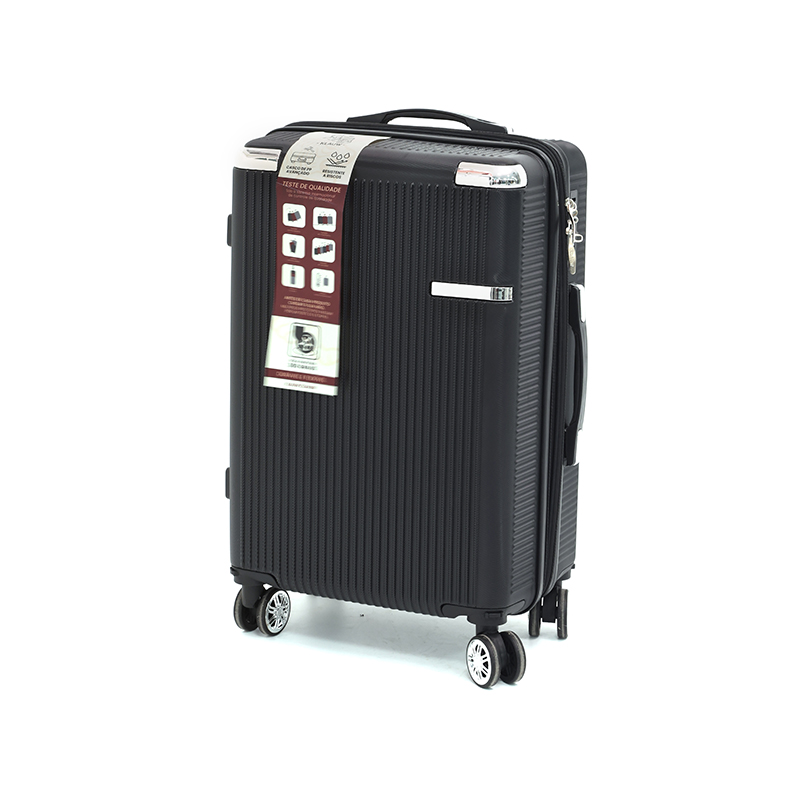
Size:12/14/18/19/20/21/22
Dimension:
31x26x15cm
35x30x16.5cm
52x35x23cm
53.5x35x25cm
56x36x25.5cm
58x38x26.5cm
60x39x28cm
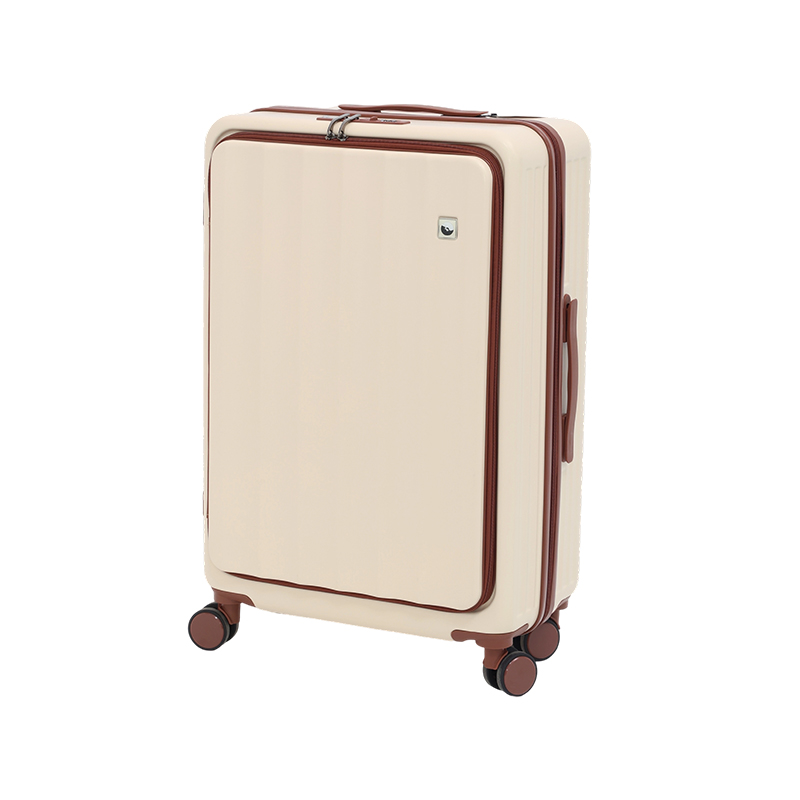
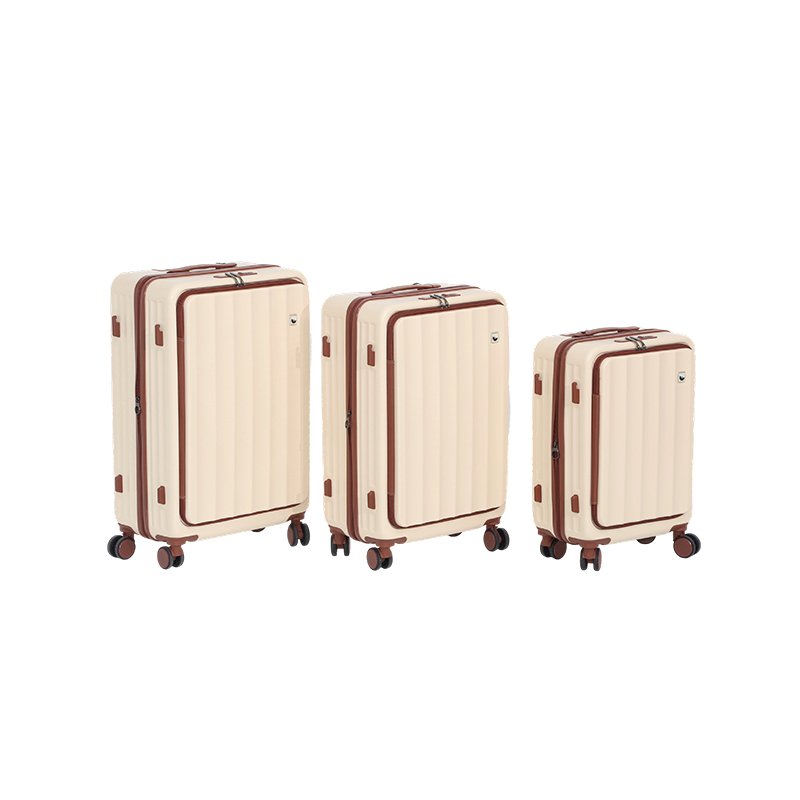
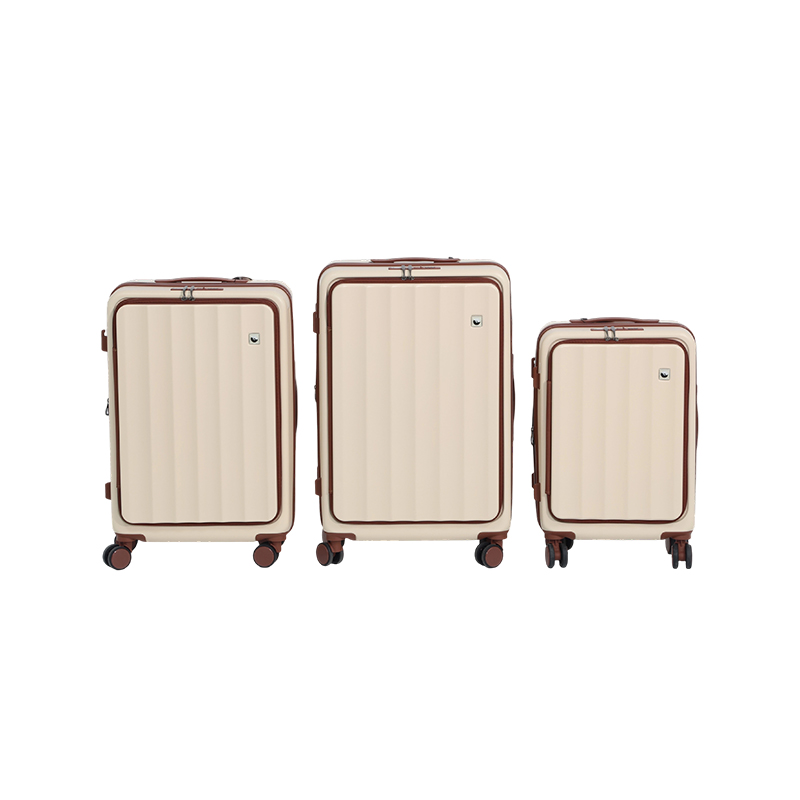
Size:20/24/28
55*35.5*23.5cm
64.5*42.5*26cm
69*45*27.5cm
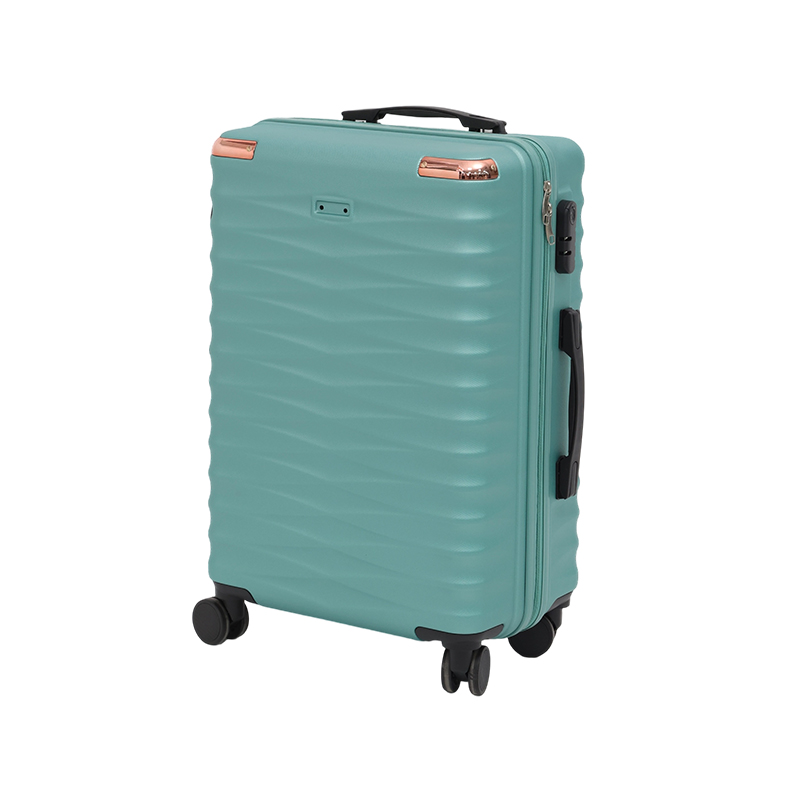
Size:19.5/23.5/27.5
19.5size:53.5×34×21cm/2.41kg
23.5size:61×39×25.5cm/3kg
27.5size:70.5×46×30cm/3.8kg
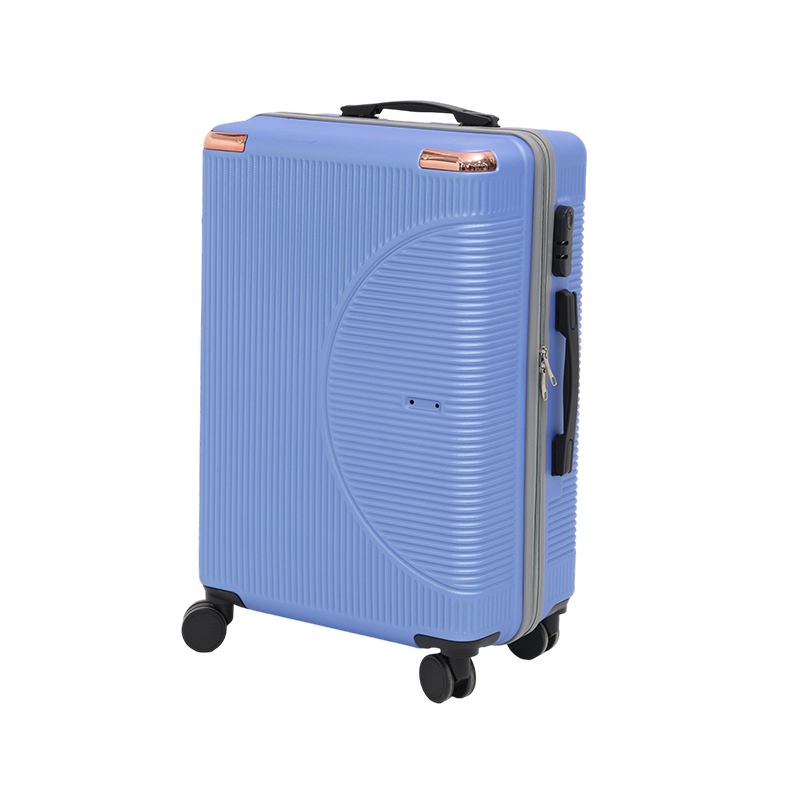
Size:20.5/24.5/28.5
20.5size:56.5×35×22cm/2.62kg
24.5size:64×41.5×27cm/3.35kg
28.5size:74.5×48×32.5cm/4.25kg
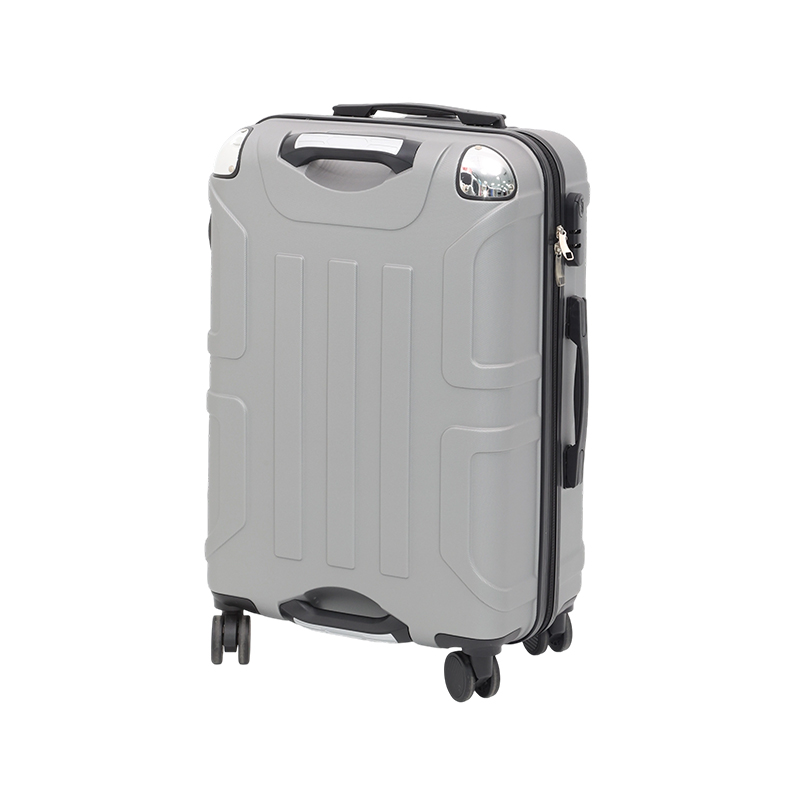
Size:19/23/27
19size: 54.5x34x21.5cm
23size: 62x39.5x25.5cm
27size: 71x46x29.5cm
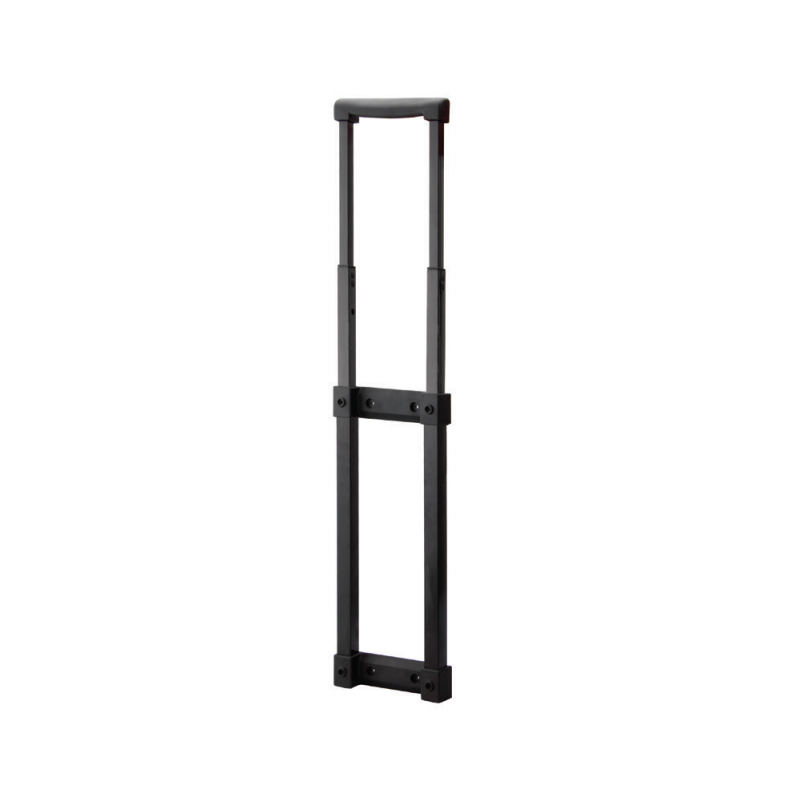
Model: LG-008
Sections: 2/3 sections
Small tube: 13×13mm
Middle tube: 16.5×16.5mm
Outer tube: 20×20mm
Outer tube: Iron tube
Inner tube: Iron tube
L: Specified length
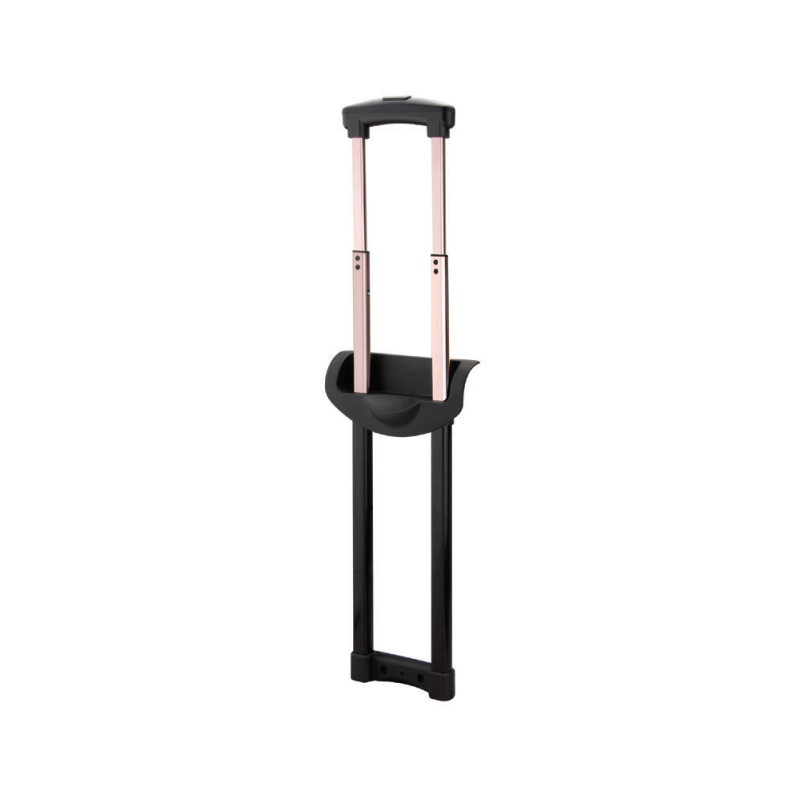
Model: LG-015B
Sections: 2/3 sections
Small tube: 12×18mm
Middle tube:17×23mm
Outer tube: 21×27mm
Outer tube: Iron tube
Inner tube: Aluminium tube, iron tube
L: Specified length
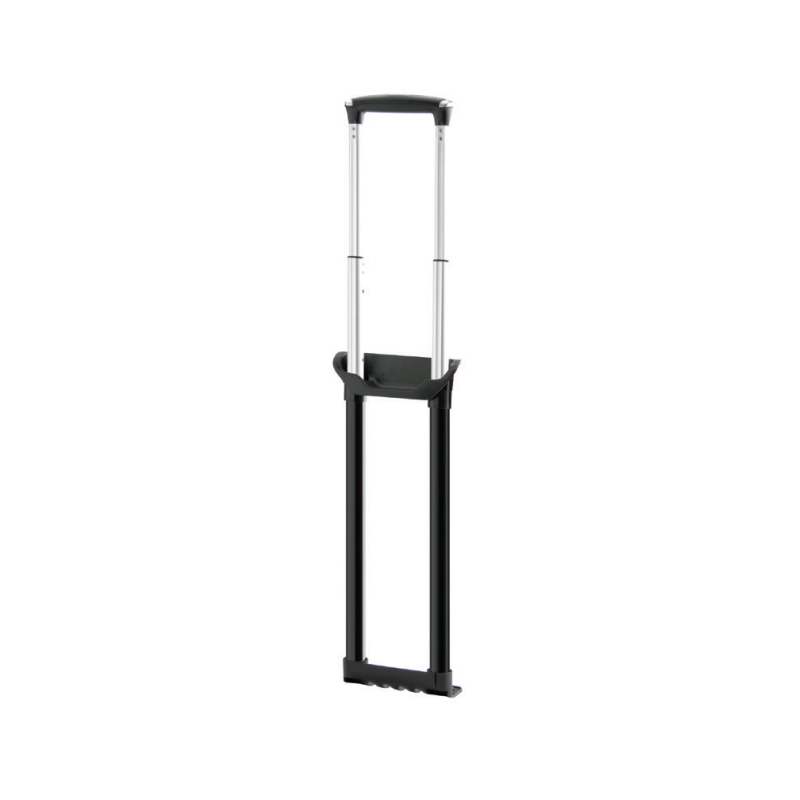
Model: LG-041
Number of sections: 2/3 sections
Small tube: 13×20.3mm
Middle tube:17.5×24.5mm
Outer tube: 21.5×28.5mm
Outer tube: Iron tube, Aluminium tube
Inner tube: Aluminium tube
L: Specified length
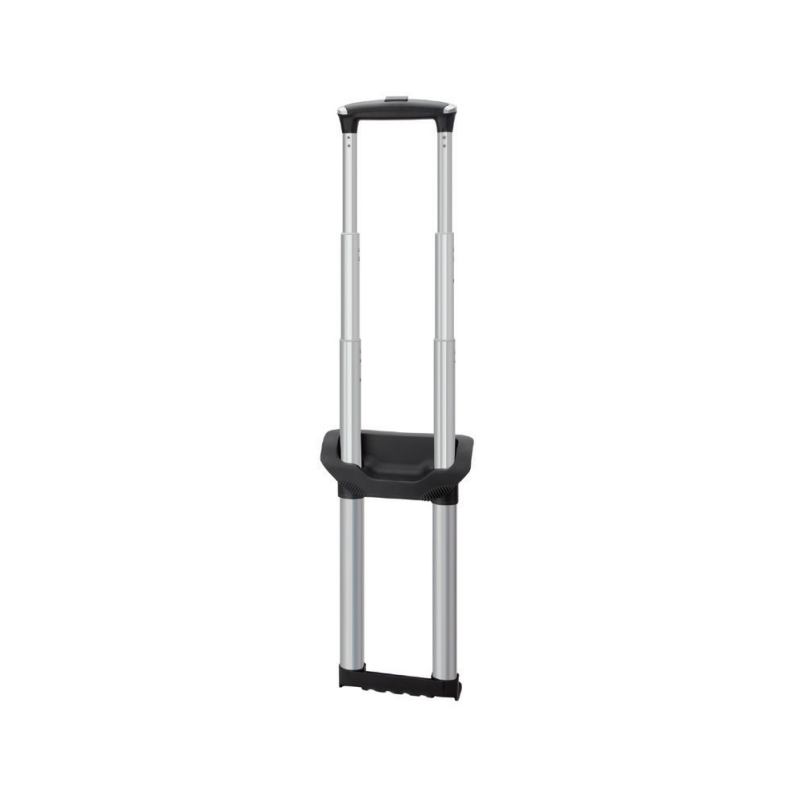
Model: LG-069
Number of sections: 4 sections
Small tube: 13×20.3mm
Middle tube:17.5×24.5mm
Outer tube: 19.5×27.5mm
Outer tube: 25.1×33.3mm
Outer tube: Iron tube
Inner tube: Aluminium tube
L: Specified length
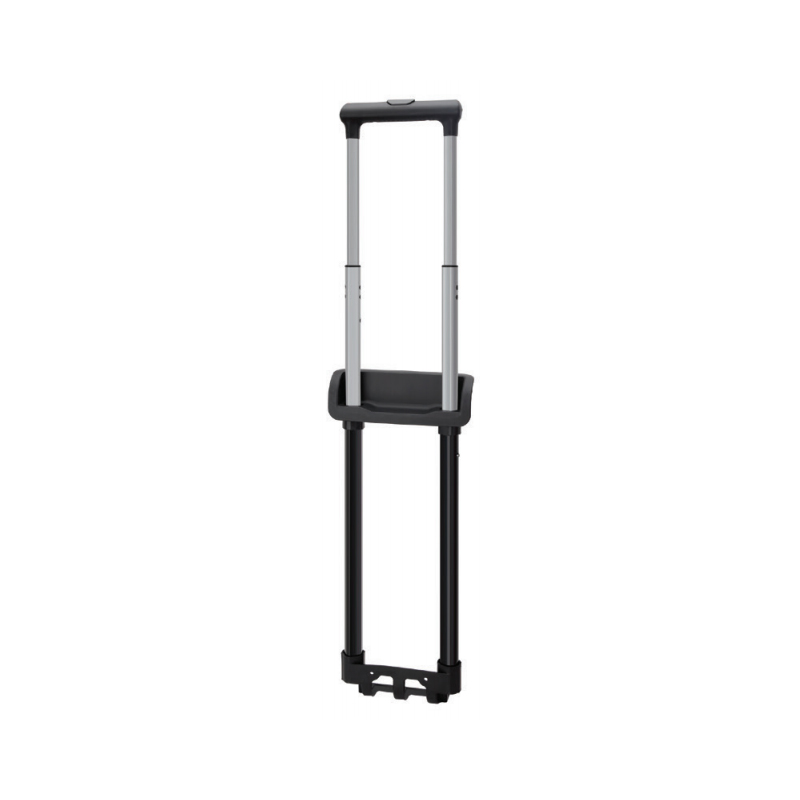
Model: LG-072
Number of sections: 2/3 sections
Small tube: 12×17.4mm
Middle tube:16.3×21.1mm
Outer tube: 21.2×25.1mm
Outer tube: Iron tube
Inner tube: Iron tube, Aluminium tube
L: Specified length
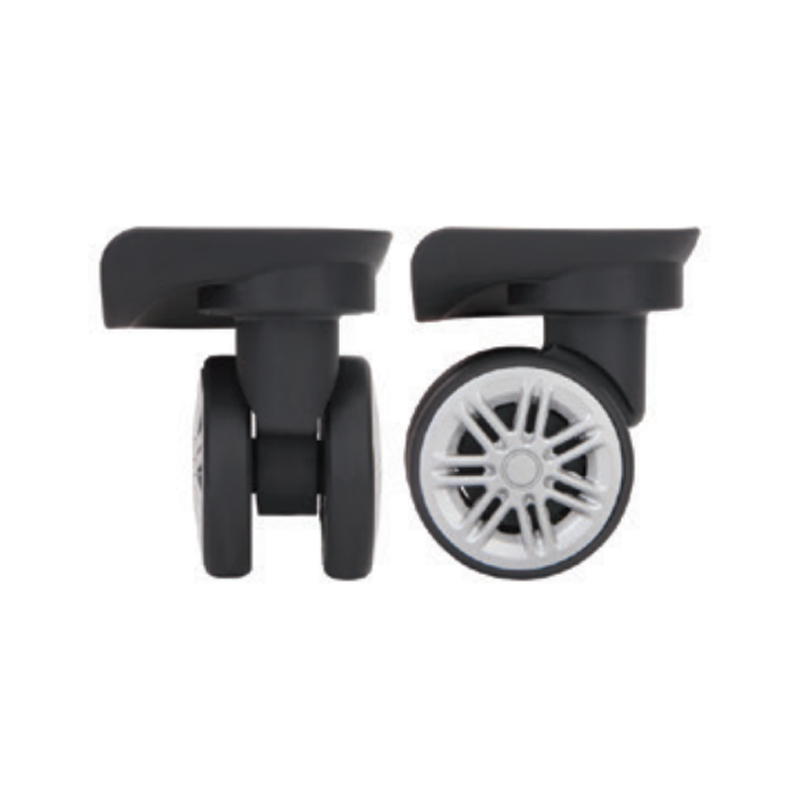
Model: Y-035-7-11
Specification: O: 50

