


 English
 中文简体
中文简体 русский
 Español
 عربى
عربى
H-016 Ethylene-Vinyl Acetate Fabric Suitcase
Material:600 Polyester
Size:20"24"28"32"




The vintage-style travel suitcase has found a steady audience among travelers who want something that carries a sense of history alongside their belongings. Where standard luggage competes on weight savings and compression ratios, the vintage-style category plays a different game entirely — one built around aesthetic identity, tactile materials, and a visual language borrowed from mid-century travel culture. The result is a product that generates genuine attachment in a way that a generic hard-shell case rarely does.
Construction materials define the category as much as any surface detail. Genuine leather remains the reference point for the segment, valued for the way it develops character over time — surface marks and creasing that would be considered damage on a synthetic material are read differently on leather, as evidence of use rather than wear. Full-grain leather sits at the upper end of the material range, offering denser fiber structure and better resistance to moisture and abrasion than corrected or split-grain alternatives. For buyers working at lower price points, PU leather and canvas-leather combinations deliver a credible vintage appearance at a fraction of the material cost, though the aging behavior differs considerably from the real thing.
Hardware is where vintage-style travel suitcases tend to earn or lose credibility. Brass-toned buckles, turn-lock closures, corner protectors, and riveted detailing are the visual vocabulary of the style, and the weight and finish of these components signal quality before a buyer has touched anything else. Antique brass, burnished gold, and oxidized copper finishes are common, and each contributes a different temperature to the overall look of the case. Combination locks integrated into the hardware design maintain the aesthetic without requiring a separate padlock that breaks the visual continuity.
The structural approach in this category differs from modern hard-shell luggage. Many vintage-style travel suitcases use a rigid internal frame — often wood or metal — covered with leather or textile on the exterior and lined with fabric inside. This construction method produces a case that feels substantive and deliberate rather than hollow, which contributes to the overall impression the product makes. Common structural and design features found across the category include:
Wheel systems on vintage-style travel suitcases require a particular design approach. Four-wheel spinners are mechanically practical but visually inconsistent with the period aesthetic the product is evoking. Many designs in this category use recessed wheels or partially concealed wheel housings to minimize visual disruption, preserving the profile of the case when viewed from the side. Some models retain the traditional two-wheel configuration specifically to maintain period accuracy, accepting the trade-off in maneuverability as part of the product's character.
Interior layouts in vintage-style travel suitcase tend to reflect the era they draw from. Flat tray compartments with ribbon ties, garment sections, and mirror-fitted lids reference the fitted luggage sets of the mid-twentieth century. This approach to packing is less flexible than modern compression panel systems, but it suits the deliberate travel style that buyers in this category tend to embrace. Removable interior trays and zippered secondary compartments appear on more contemporary interpretations of the style, bridging the gap between period aesthetics and current travel habits.
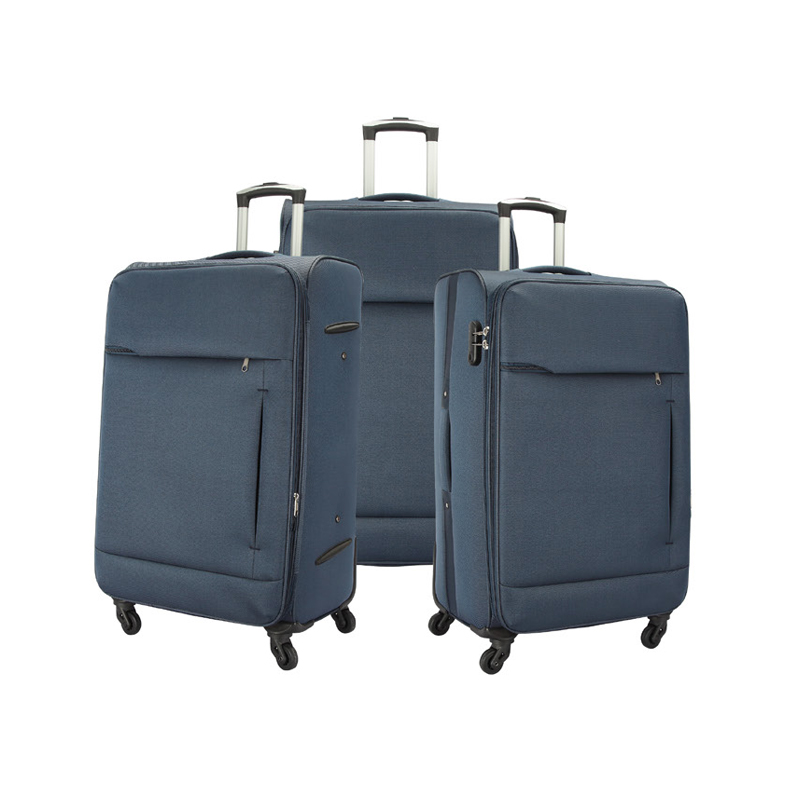
Material:600 Polyester
Size:20"24"28"32"
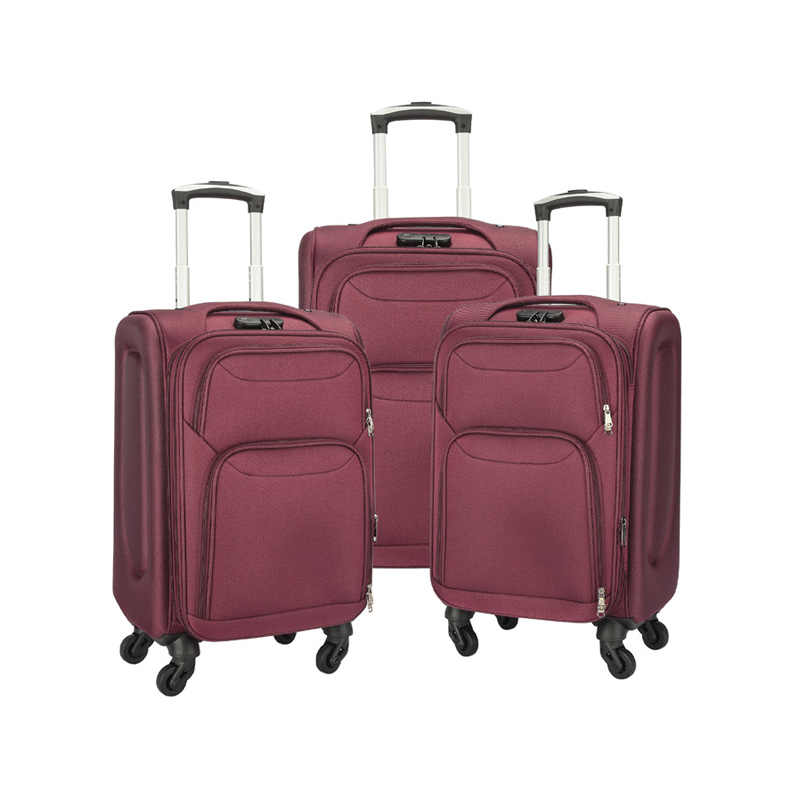
Material:600 Polyester
Size:20"24"28"32"
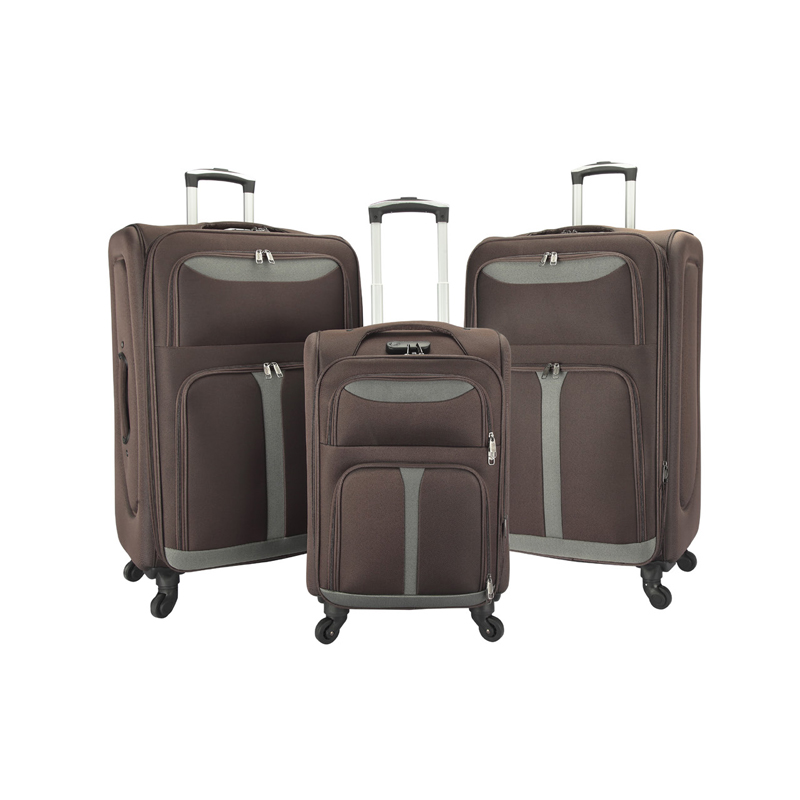
Material:600 Polyester
Size:20"24"28"32"
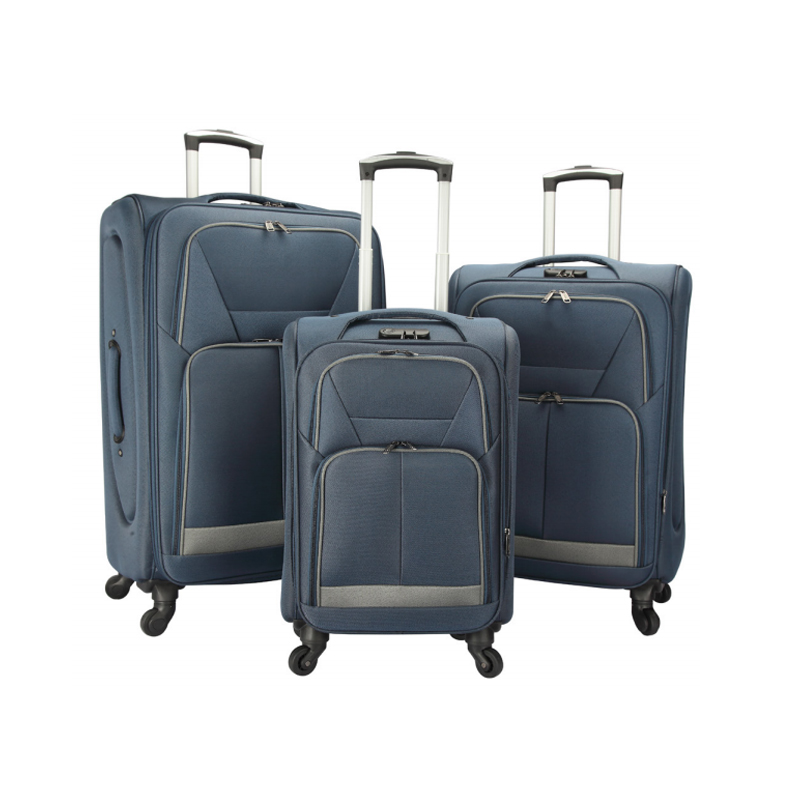
Material:600 Polyester
Size:20"24"28"32"
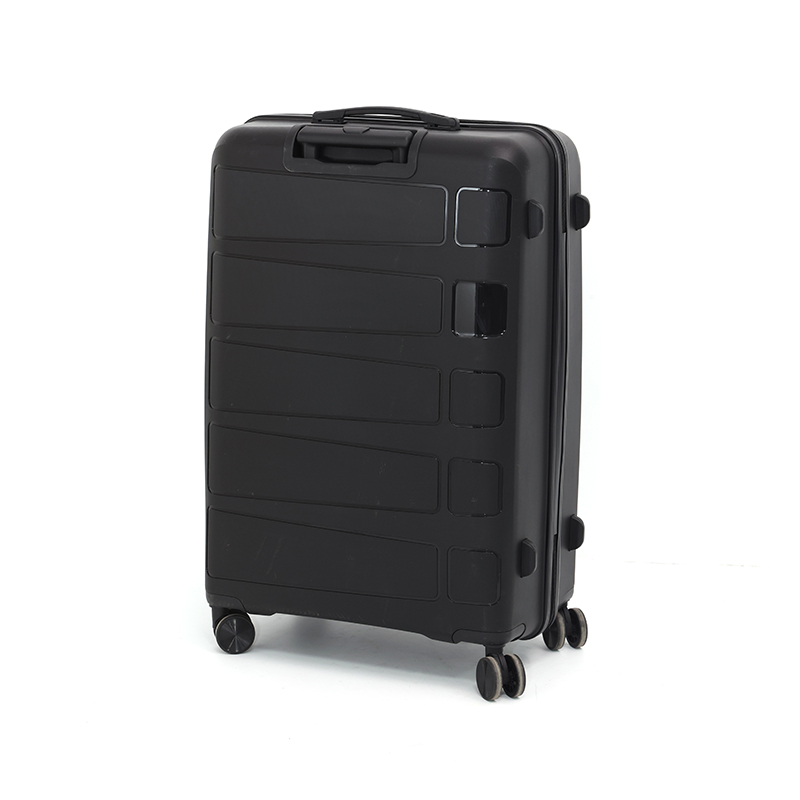
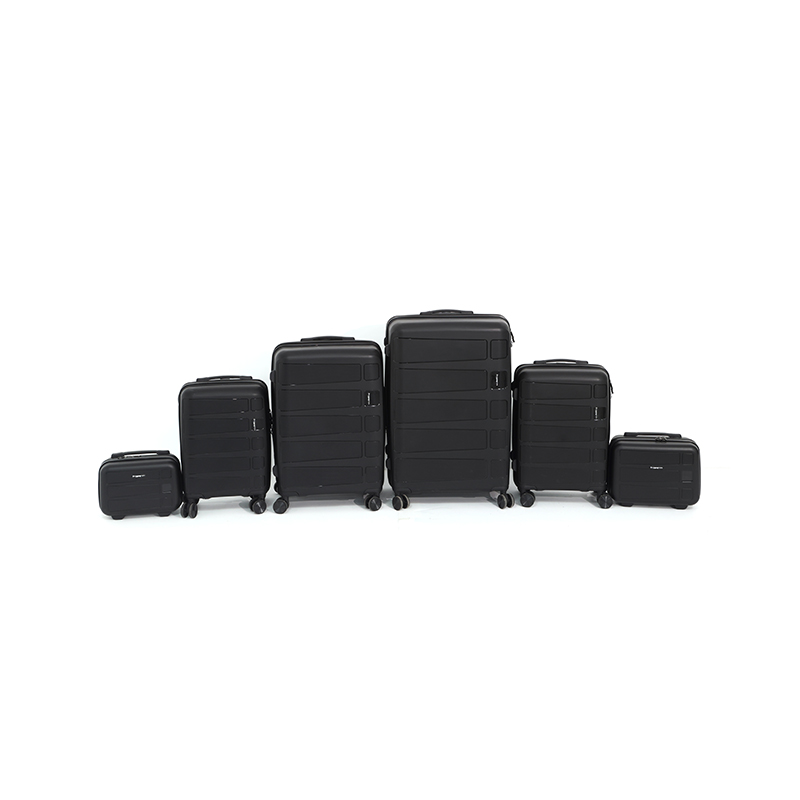
Size:12/14/18/20/24/28
31*21.5*14.5cm
33*25*16.5cm
50*33*20cm
53.5*35.5*23cm
63.5*42.5*27.5cm
73.5*49.5*30.5cm
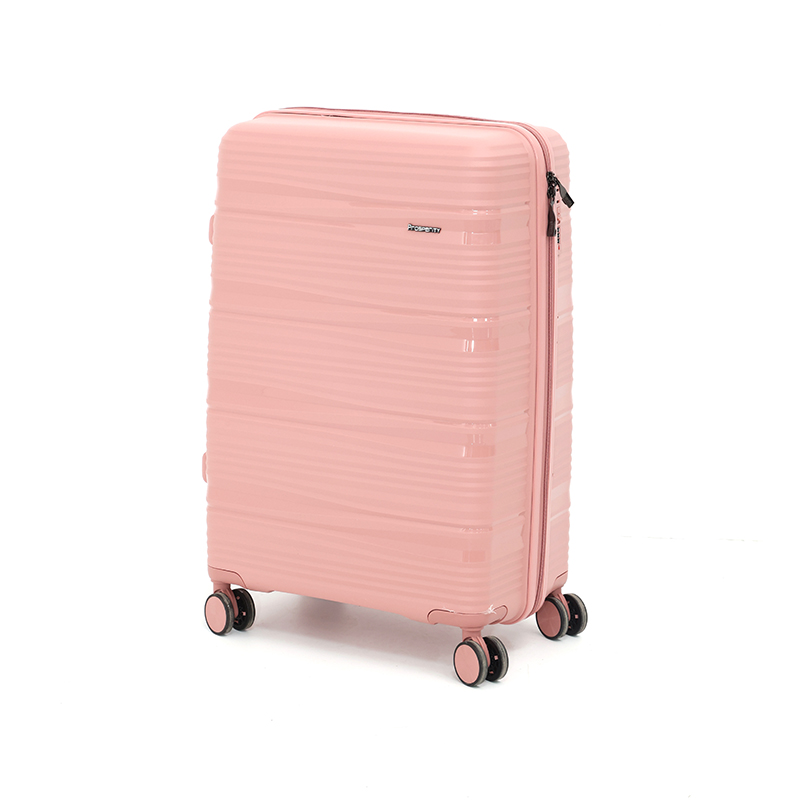
Size:14/18/22/26/30
33*25*16.5cm
50*33*20cm
59*38.5*24.5cm
68.5*44.5*29cm
78*51.5*34cm
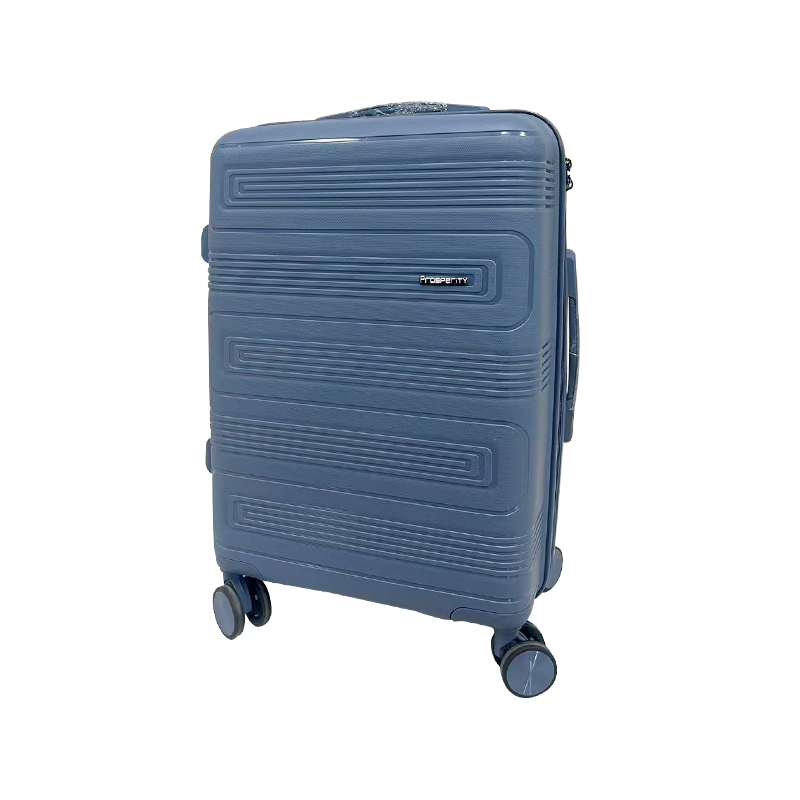
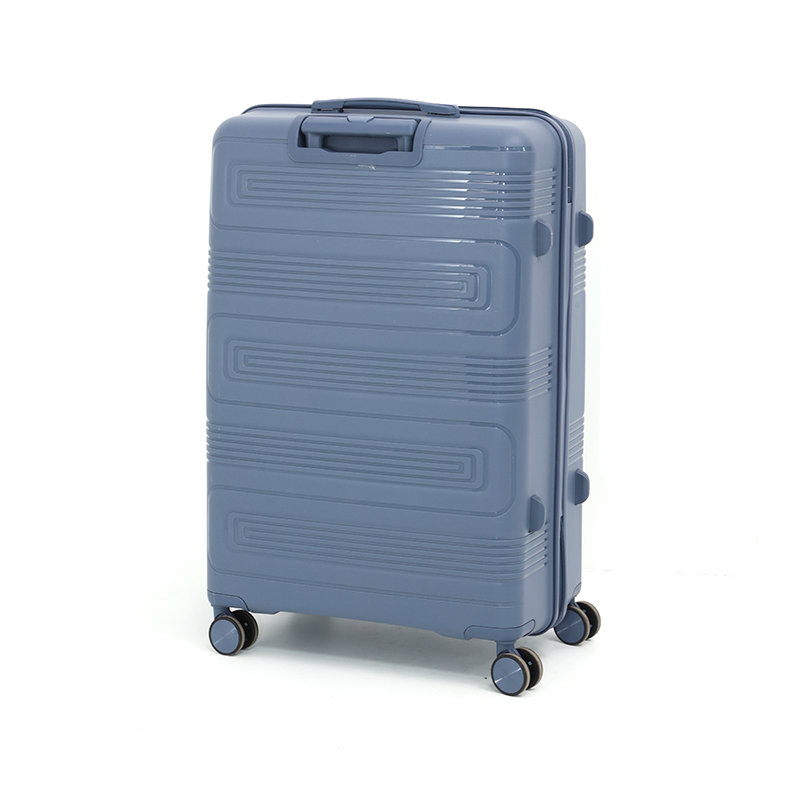
Size:15/21/25/29
37*26.5*18cm
56.5*37.5*23.5cm
65.5*43.5*28cm
76*50.5*31cm
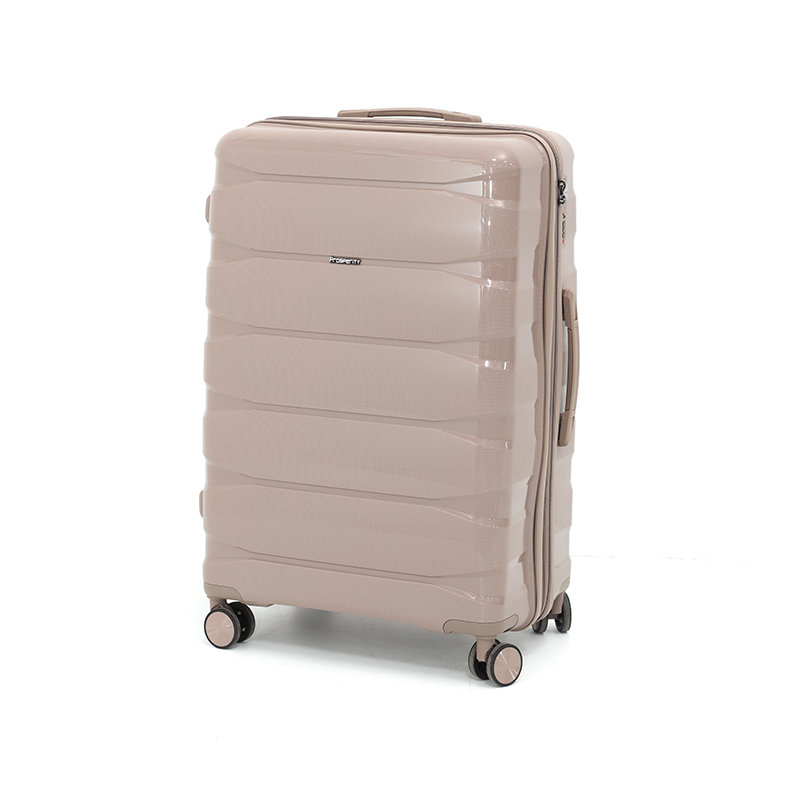
Size:13/19/23/27
32*22.5*16cm
52*34*21cm
61*40.5*26cm
70.5*46.5*29.5cm
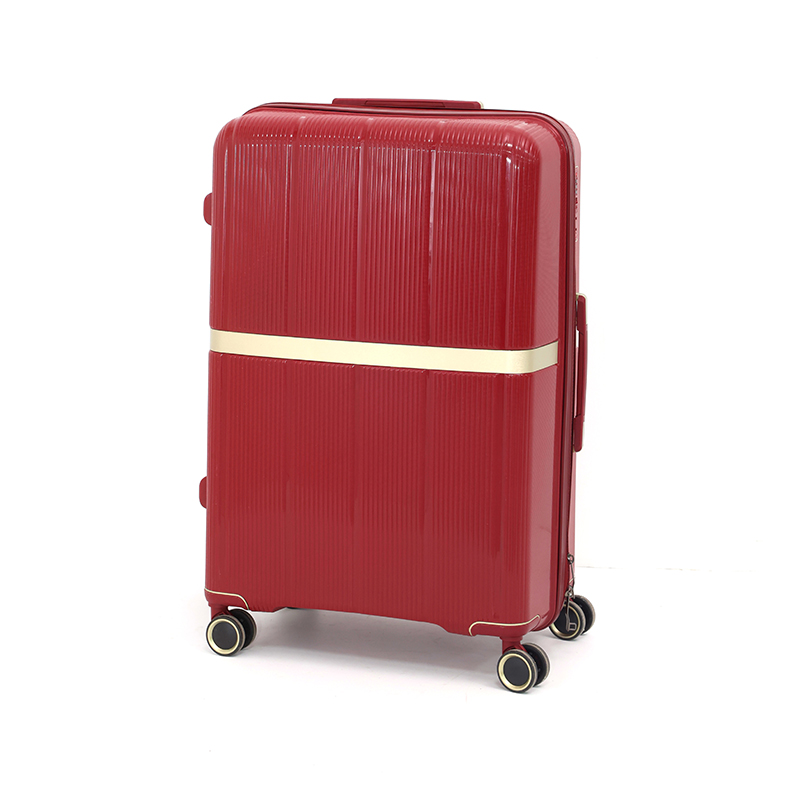
Size:14/18/20/24/28
33*25*16.5cm
50*33*20cm
53.5*35.5*23cm
63.5*42.5*27.5cm
73.5*49.5*30.5cm
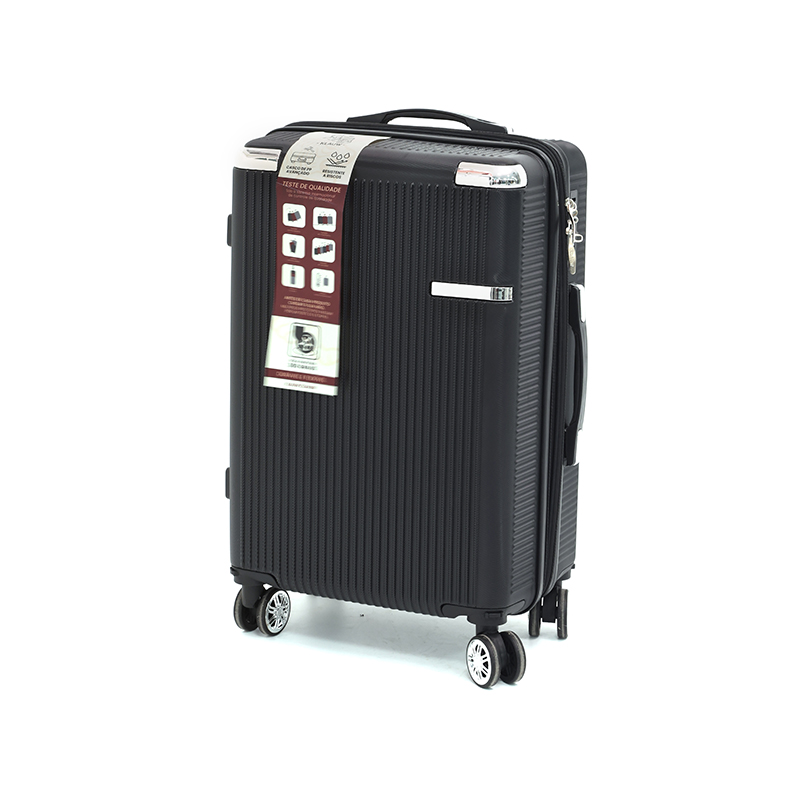
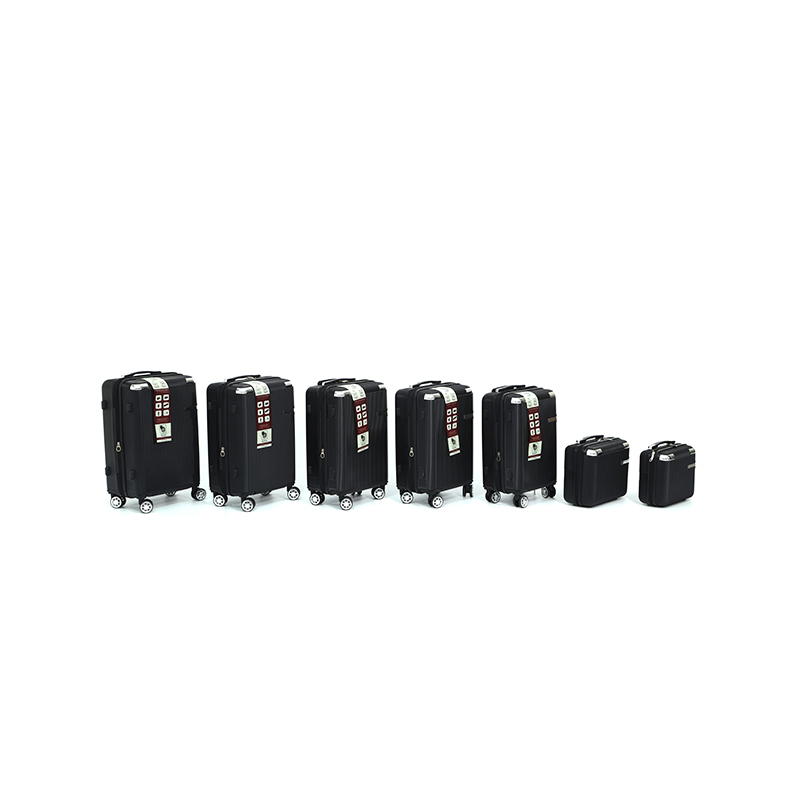
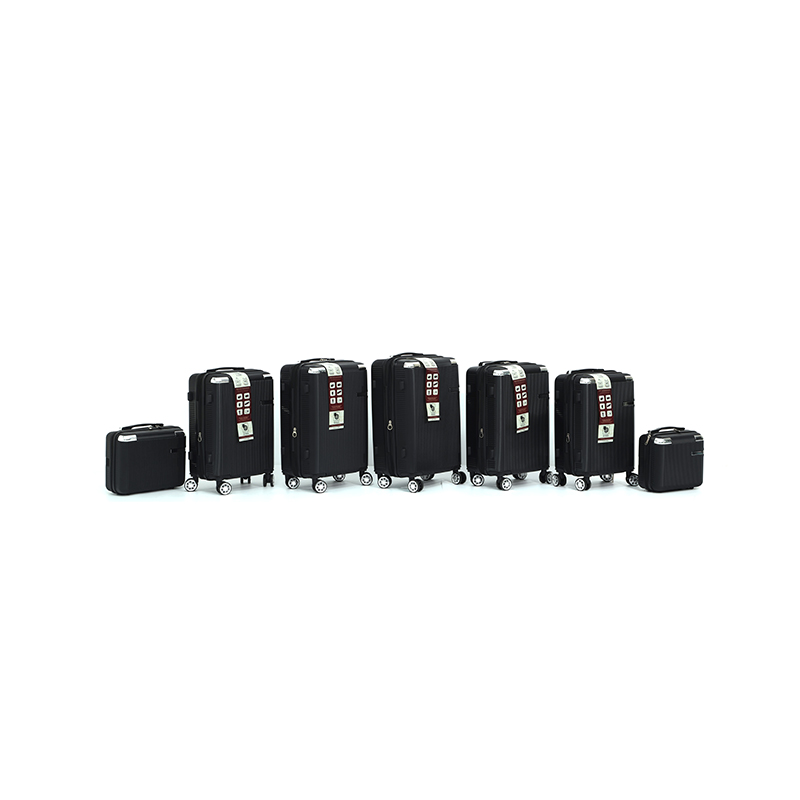
Size:12/14/18/19/20/21/22
Dimension:
31x26x15cm
35x30x16.5cm
52x35x23cm
53.5x35x25cm
56x36x25.5cm
58x38x26.5cm
60x39x28cm
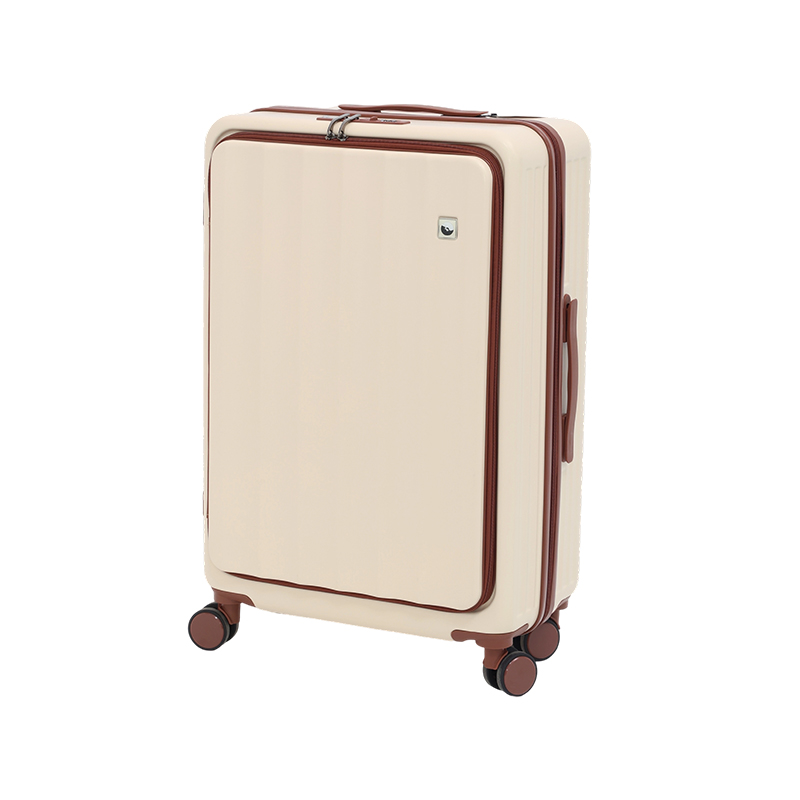
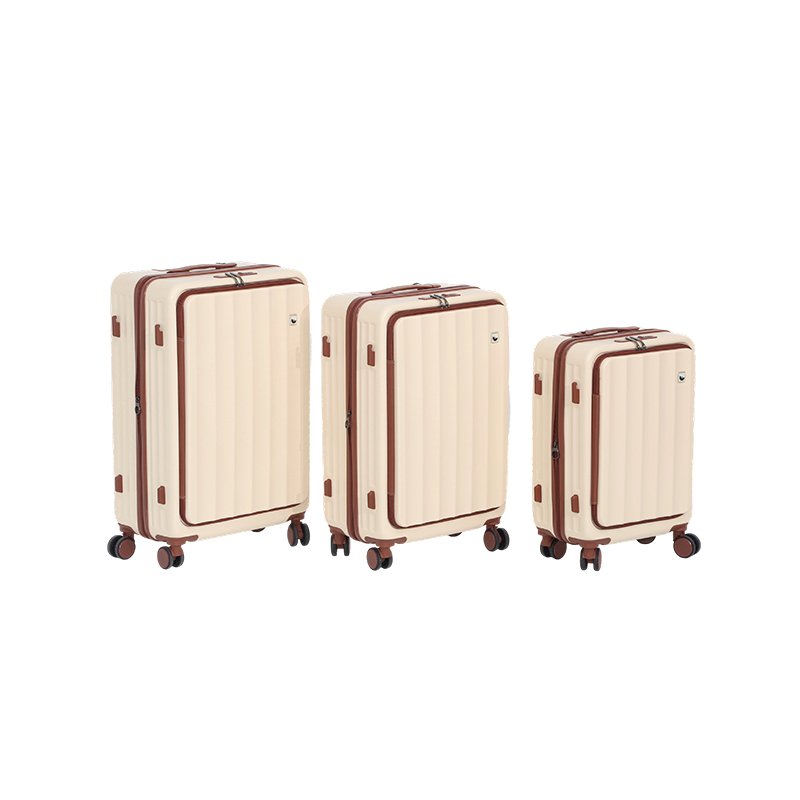
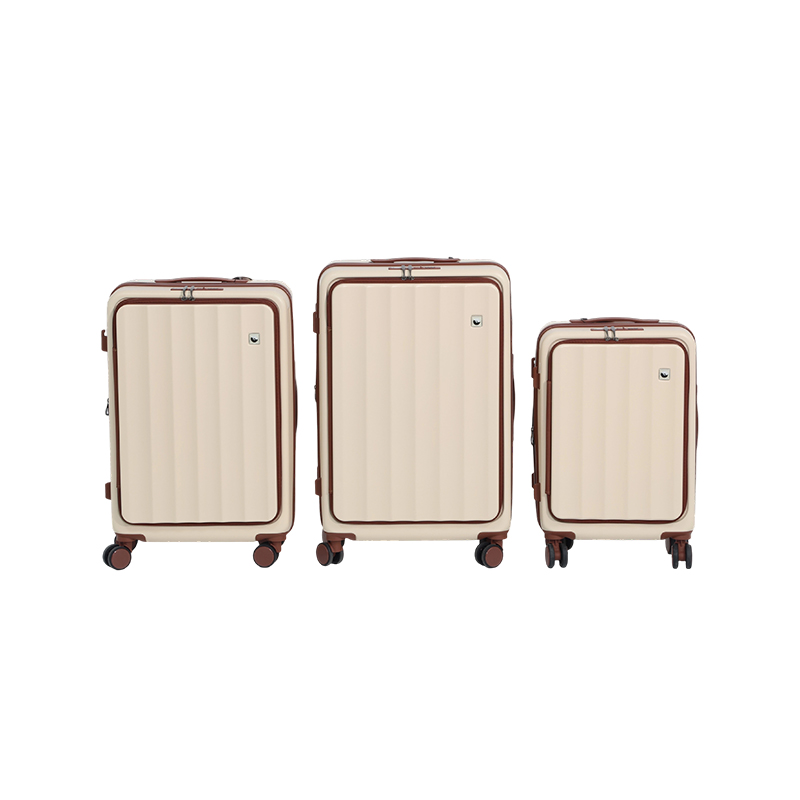
Size:20/24/28
55*35.5*23.5cm
64.5*42.5*26cm
69*45*27.5cm
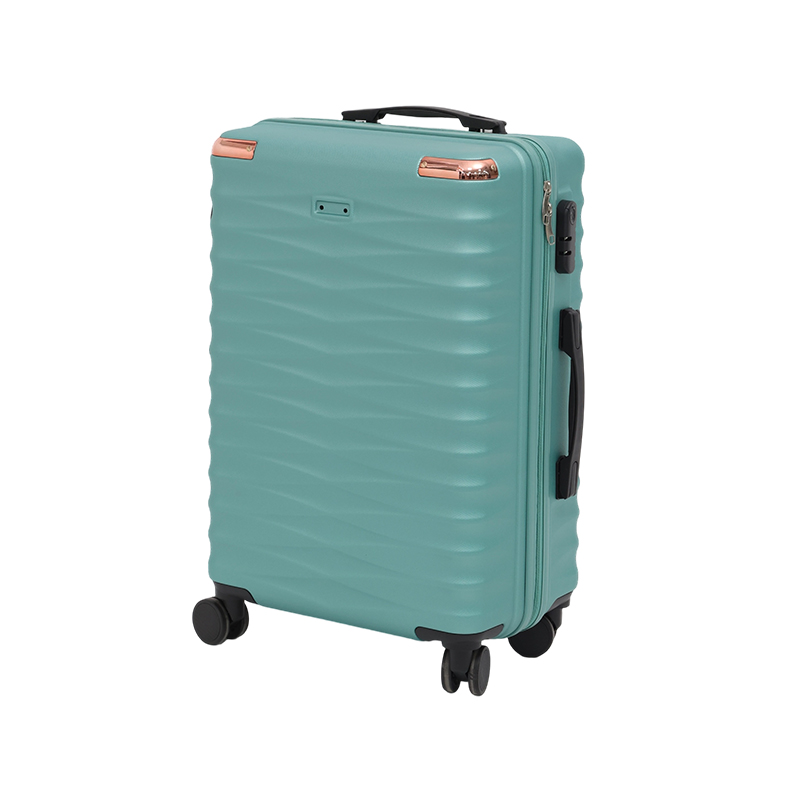
Size:19.5/23.5/27.5
19.5size:53.5×34×21cm/2.41kg
23.5size:61×39×25.5cm/3kg
27.5size:70.5×46×30cm/3.8kg
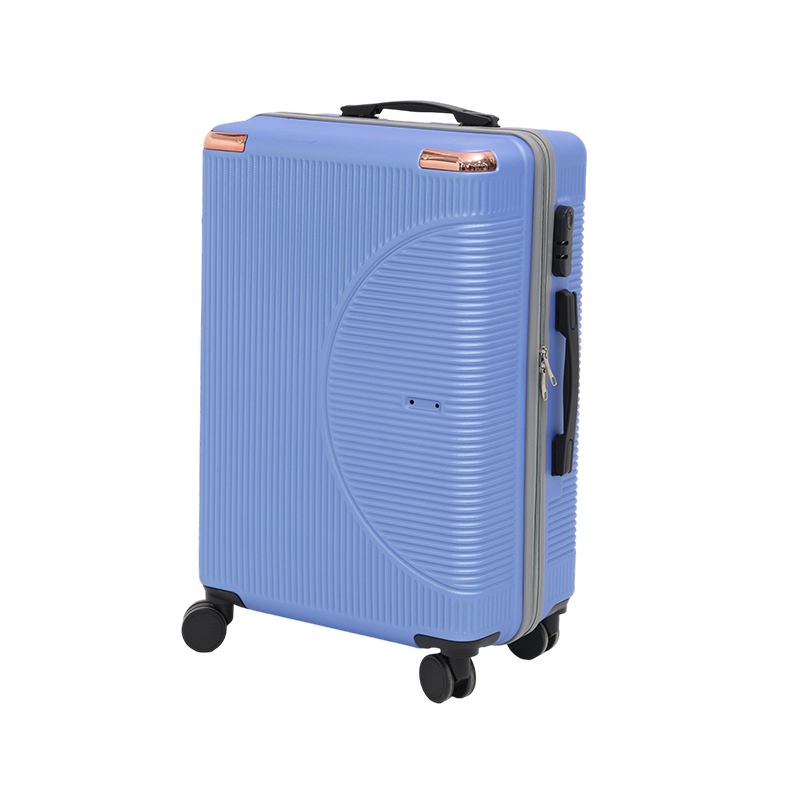
Size:20.5/24.5/28.5
20.5size:56.5×35×22cm/2.62kg
24.5size:64×41.5×27cm/3.35kg
28.5size:74.5×48×32.5cm/4.25kg
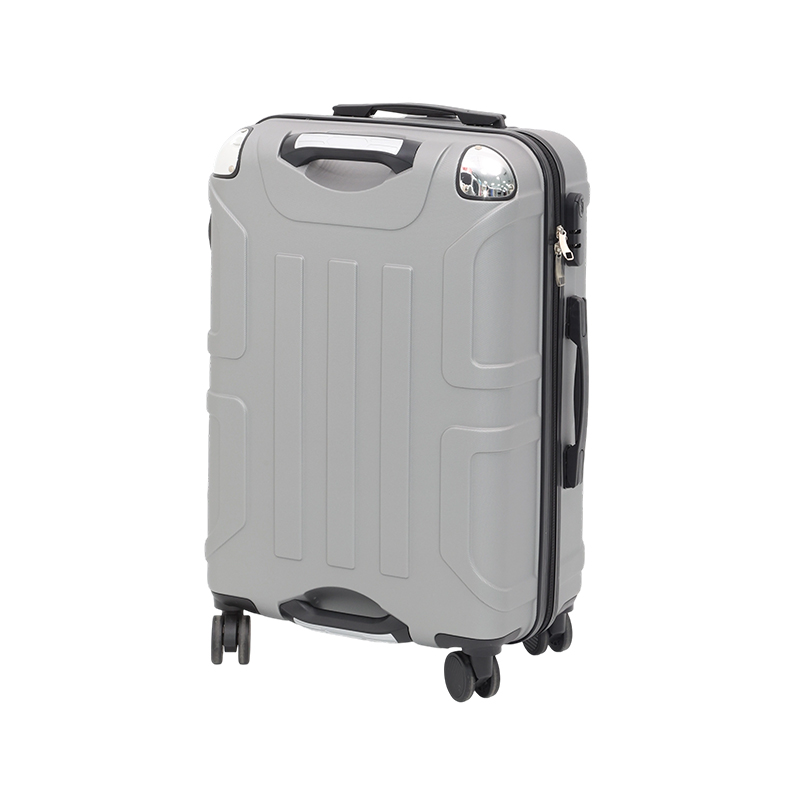
Size:19/23/27
19size: 54.5x34x21.5cm
23size: 62x39.5x25.5cm
27size: 71x46x29.5cm
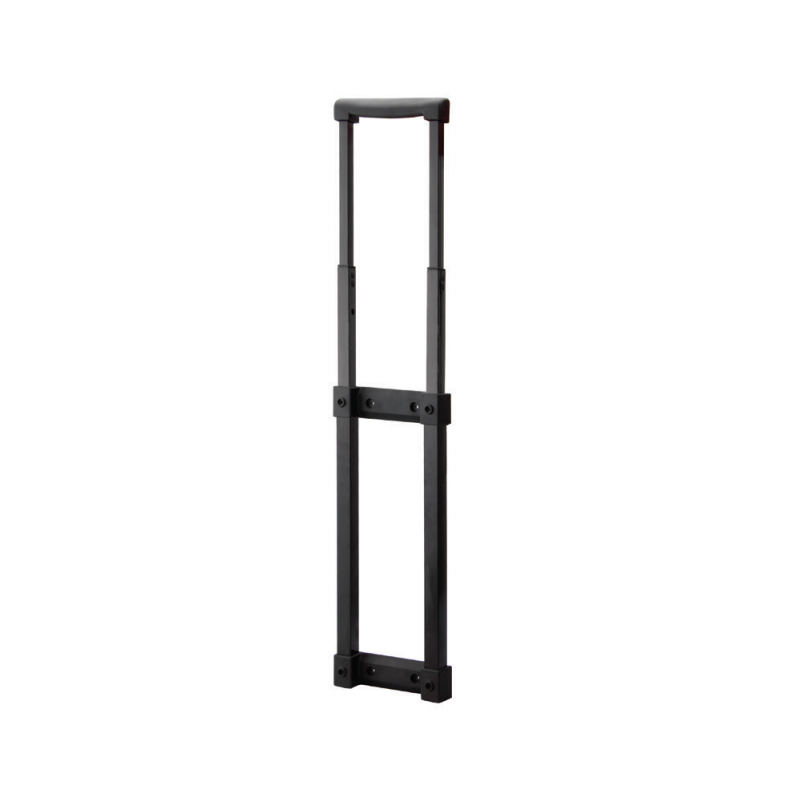
Model: LG-008
Sections: 2/3 sections
Small tube: 13×13mm
Middle tube: 16.5×16.5mm
Outer tube: 20×20mm
Outer tube: Iron tube
Inner tube: Iron tube
L: Specified length
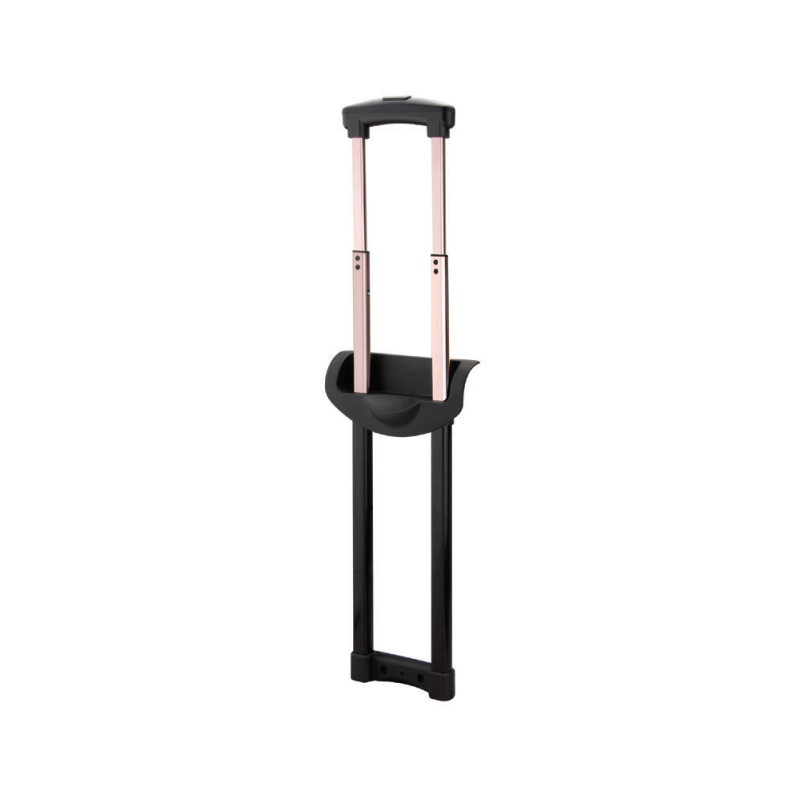
Model: LG-015B
Sections: 2/3 sections
Small tube: 12×18mm
Middle tube:17×23mm
Outer tube: 21×27mm
Outer tube: Iron tube
Inner tube: Aluminium tube, iron tube
L: Specified length
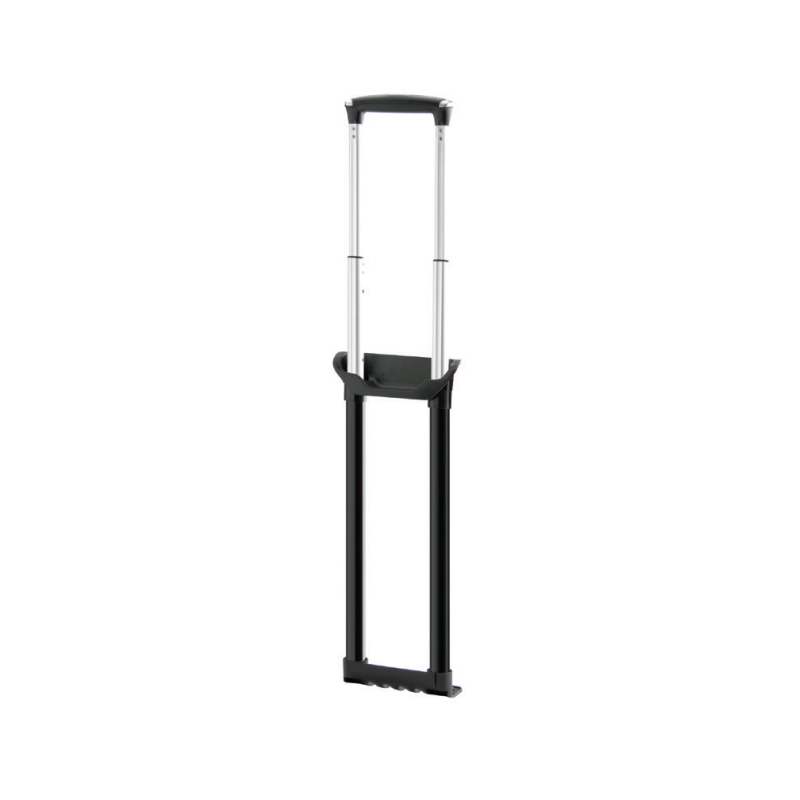
Model: LG-041
Number of sections: 2/3 sections
Small tube: 13×20.3mm
Middle tube:17.5×24.5mm
Outer tube: 21.5×28.5mm
Outer tube: Iron tube, Aluminium tube
Inner tube: Aluminium tube
L: Specified length
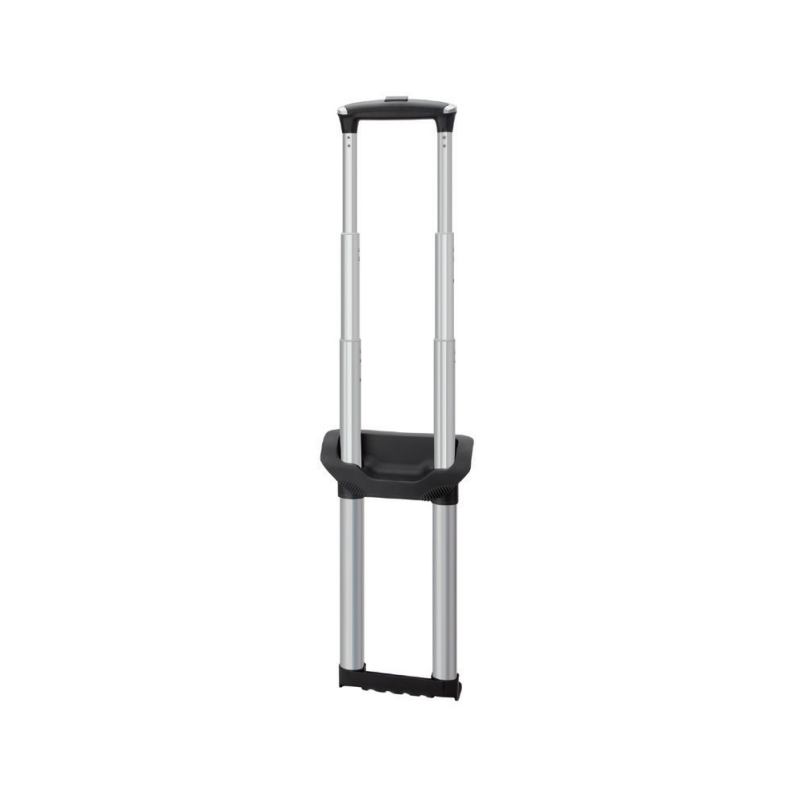
Model: LG-069
Number of sections: 4 sections
Small tube: 13×20.3mm
Middle tube:17.5×24.5mm
Outer tube: 19.5×27.5mm
Outer tube: 25.1×33.3mm
Outer tube: Iron tube
Inner tube: Aluminium tube
L: Specified length
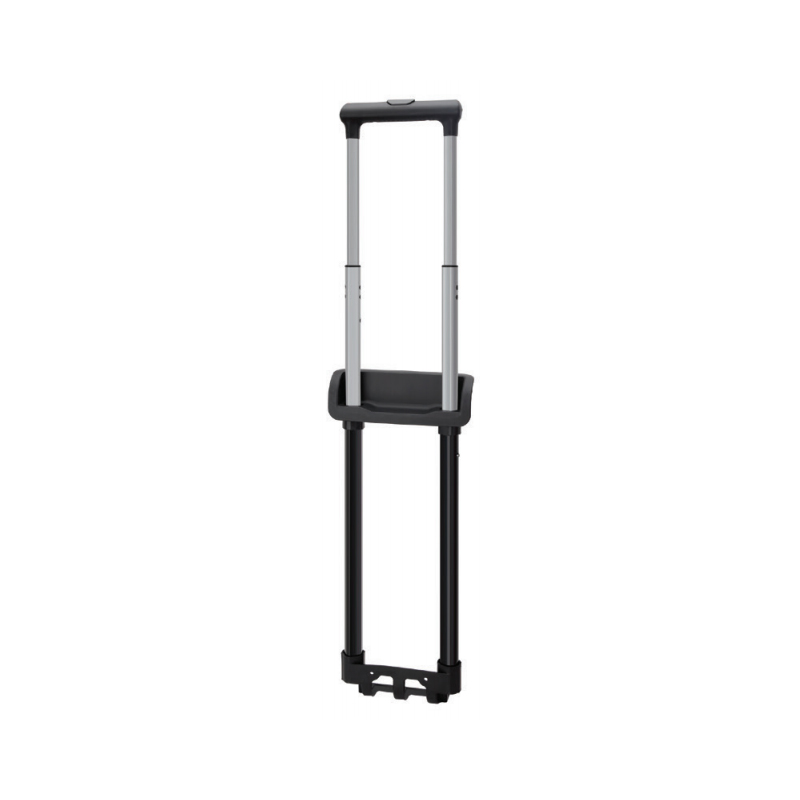
Model: LG-072
Number of sections: 2/3 sections
Small tube: 12×17.4mm
Middle tube:16.3×21.1mm
Outer tube: 21.2×25.1mm
Outer tube: Iron tube
Inner tube: Iron tube, Aluminium tube
L: Specified length
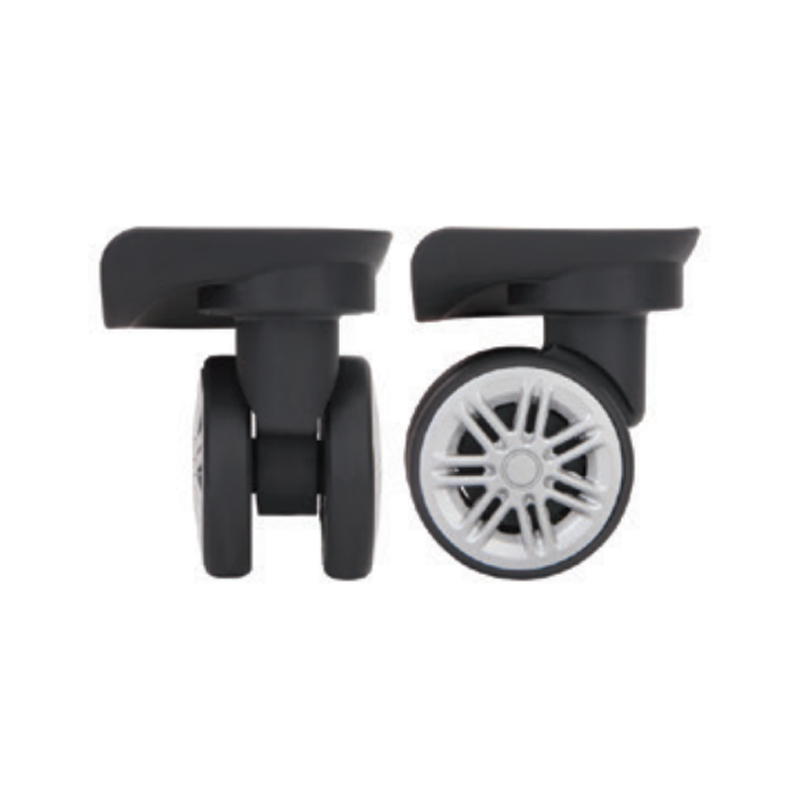
Model: Y-035-7-11
Specification: O: 50

