


 English
 中文简体
 русский
 Español
 عربى

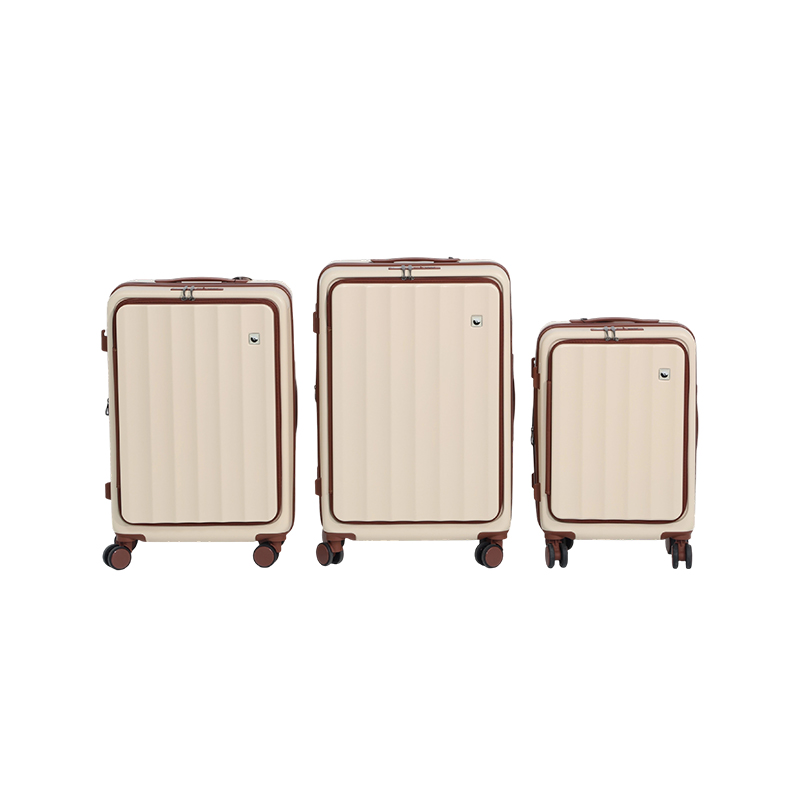
H-016 Ethylene-Vinyl Acetate Fabric Suitcase
Material:600 Polyester
Size:20"24"28"32"




A suitcase may look spacious from the outside, but its interior layout determines how much of that space can be used effectively. Clothes, shoes, electronic accessories and travel essentials have different shapes and storage requirements. Placing everything in one large compartment can make the interior difficult to organize, which explains the growing interest in luggage designs that separate belongings into dedicated sections.
For luggage manufacturers and wholesale distributors, a Multi-Compartment Storage Suitcase is more than a conventional suitcase with additional pockets. Its design involves interior architecture, partition placement, material combinations and opening configurations. These elements influence how the product is used and how manufacturers develop different luggage collections.
The exterior shell and interior lining serve different purposes, so material selection is closely connected to product construction.
For hard-shell luggage, ABS and polycarbonate are commonly used. ABS supports molded shell production and allows different surface textures. Polycarbonate offers a flexible shell structure and is frequently used in lightweight luggage designs.
Soft-sided suitcases generally use fabrics such as polyester and nylon. These materials allow manufacturers to create external pockets, expandable sections and flexible storage structures.
Interior components also involve several material choices:
| Component | Common Material | Function |
| Outer shell | ABS or PC | Forms the main suitcase body |
| Interior lining | Polyester fabric | Covers the internal structure |
| Mesh pocket | Polyester mesh | Separates smaller belongings |
| Divider panel | Fabric or composite board | Creates individual storage sections |
| Zipper | Metal or nylon zipper | Provides compartment access |
The combination of these materials gives manufacturers flexibility when developing luggage for different market segments.
Not all compartments need to have the same structure. Some require a rigid divider, while others work better as flexible fabric pockets.
A zippered divider is commonly installed between the two main halves of the suitcase. It can help keep packed items separated when the luggage is opened. Mesh pockets may be attached to the divider to create additional storage areas without taking up a separate section of the shell.
Elastic straps are another common feature. They hold folded clothing in position and help reduce movement inside the suitcase.
Expandable storage structures introduce another design consideration. An additional zipper section can increase the available packing volume, but the surrounding fabric panels and internal partitions need to accommodate the expanded shape.
For a Multi-Compartment Storage Suitcase, these structural details determine how the interior space is divided and how easily different belongings can be arranged.
Different customer groups may require different compartment arrangements. Business-oriented luggage collections may include laptop sections, document pockets and accessory storage. Family travel suitcases may use larger internal dividers and separate compartments for clothing.
For luggage brands and distributors, OEM and ODM manufacturing provides opportunities to develop product variations around specific storage requirements.
A Multi-Compartment Storage Suitcase can be customized through:
These options allow manufacturers to develop coordinated luggage collections while maintaining different interior configurations across product models.
The value of a suitcase is not determined by its exterior dimensions alone. The arrangement of dividers, pockets, lining materials and access points changes how the available space is used.
For manufacturers, developing a Multi-Compartment Storage Suitcase involves balancing the exterior structure with an interior layout that accommodates different types of belongings. From molded hard shells to flexible fabric compartments, each construction method creates different possibilities for luggage design and product customization.
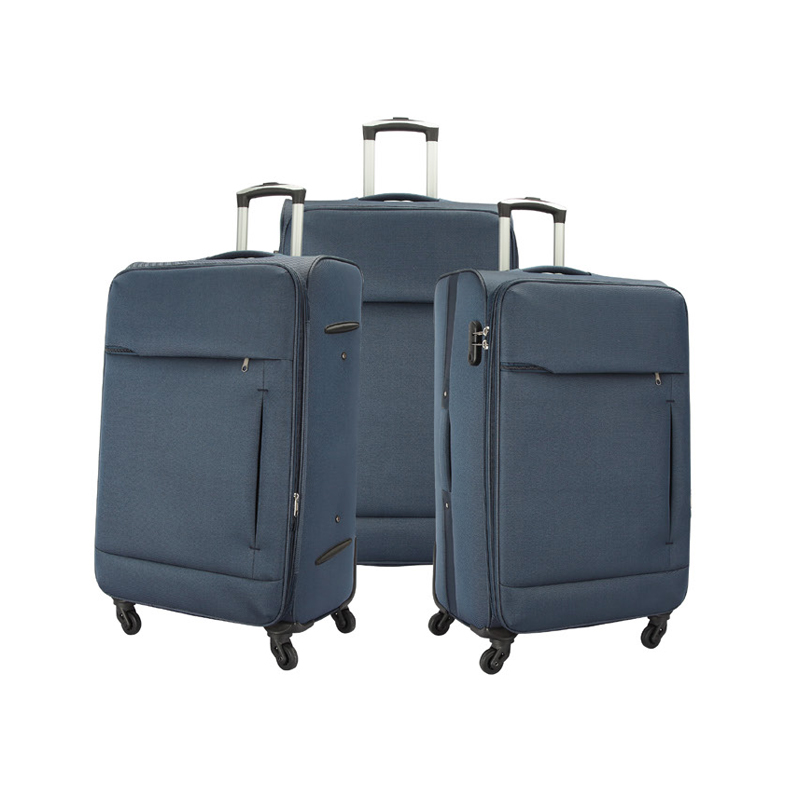
Material:600 Polyester
Size:20"24"28"32"
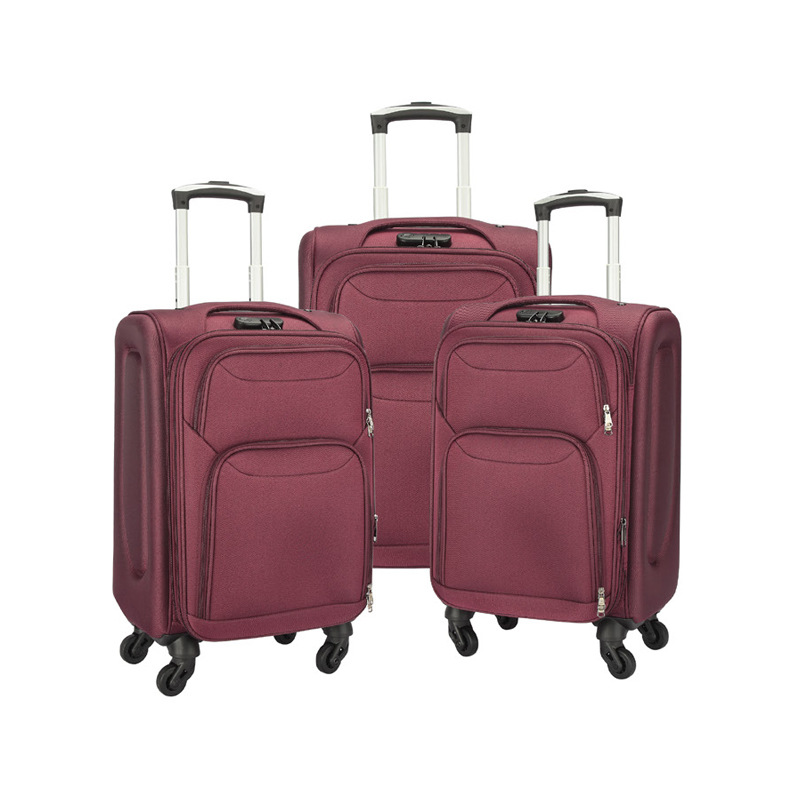
Material:600 Polyester
Size:20"24"28"32"
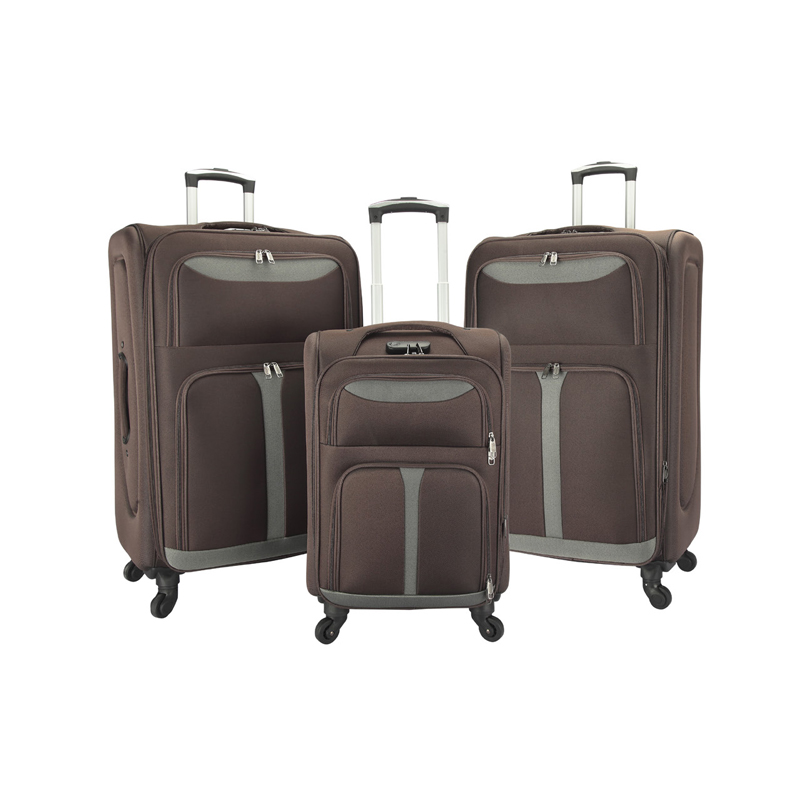
Material:600 Polyester
Size:20"24"28"32"
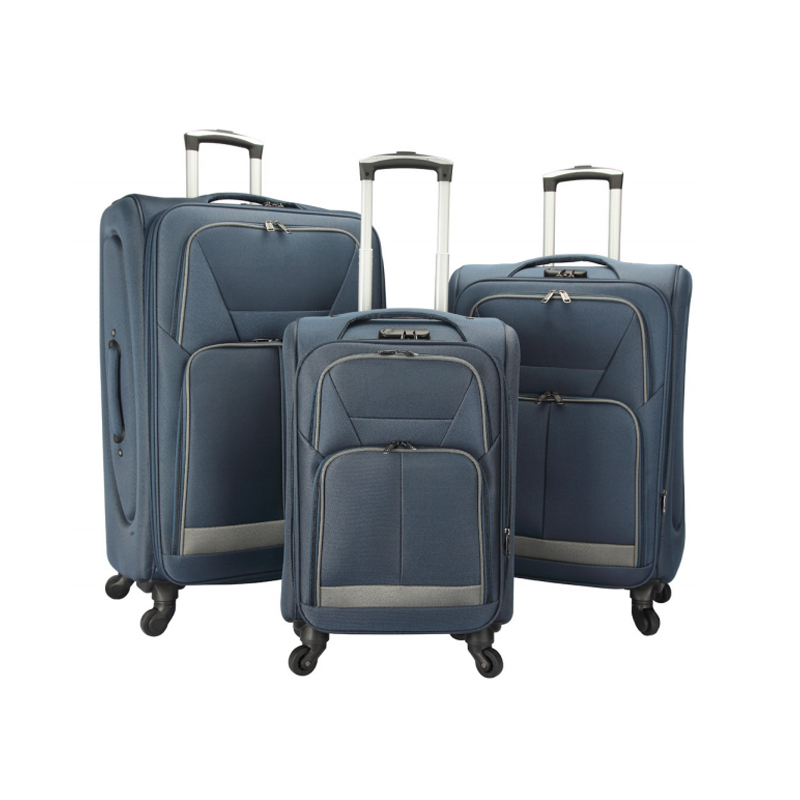
Material:600 Polyester
Size:20"24"28"32"
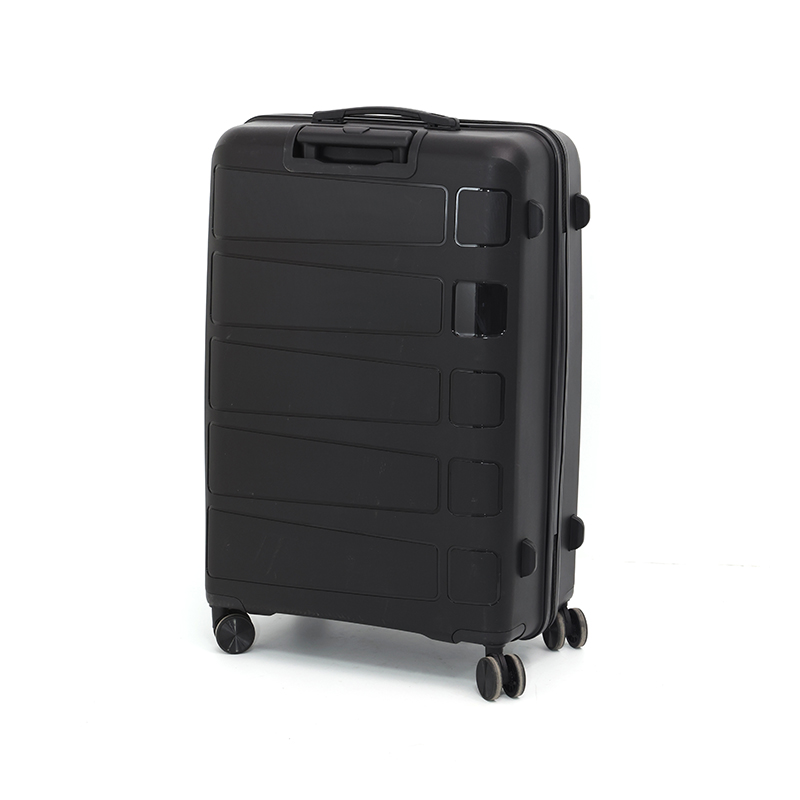
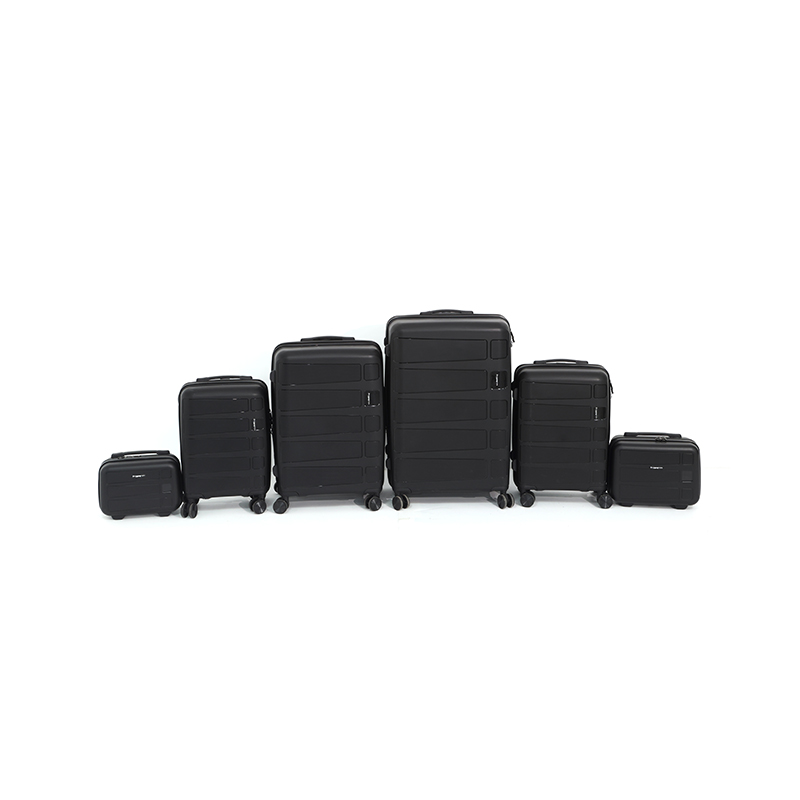
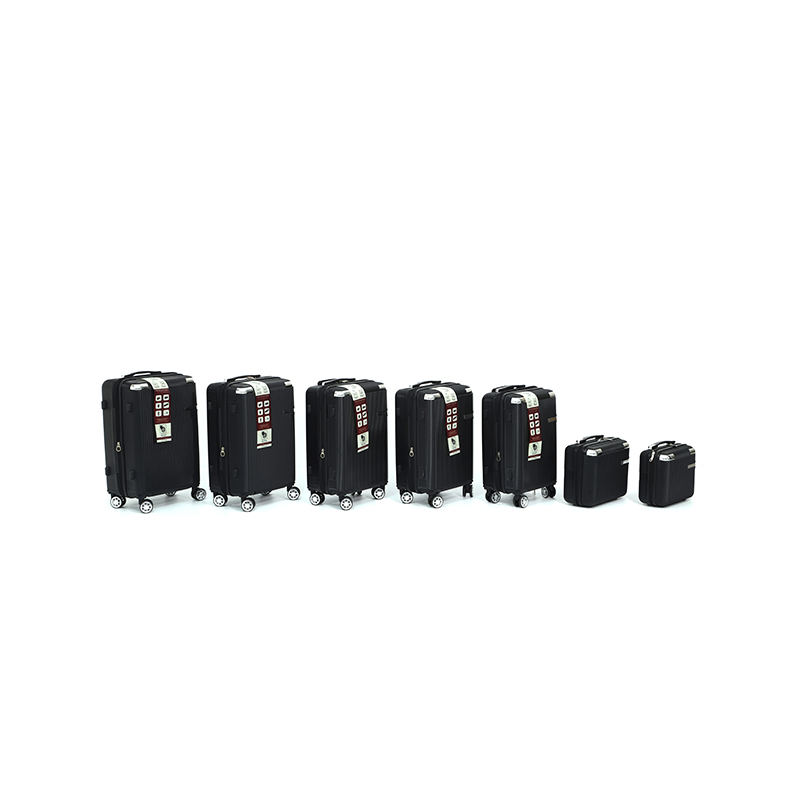
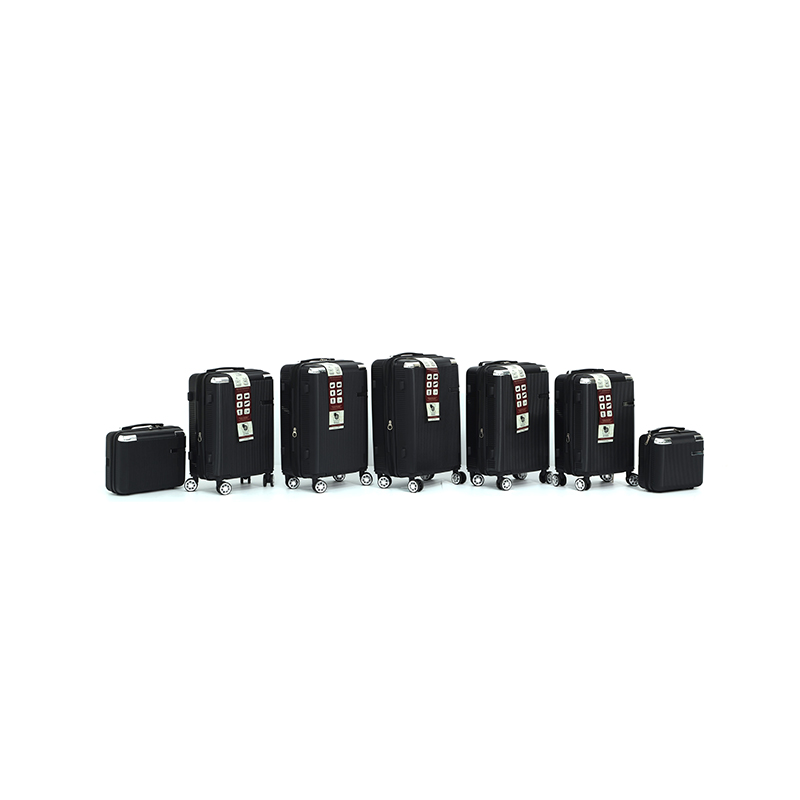
Size:12/14/18/20/24/28
31*21.5*14.5cm
33*25*16.5cm
50*33*20cm
53.5*35.5*23cm
63.5*42.5*27.5cm
73.5*49.5*30.5cm
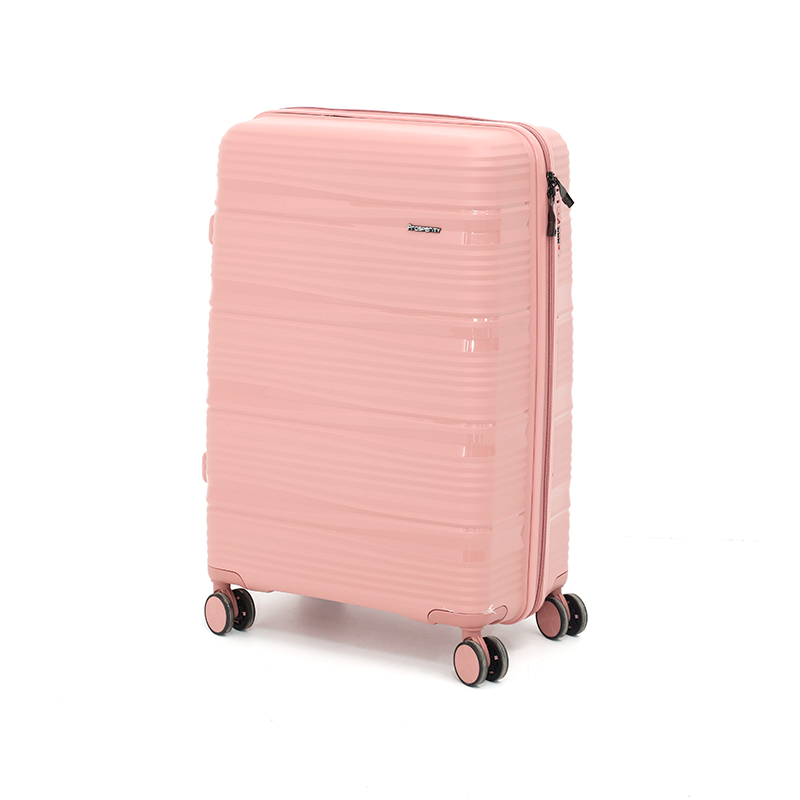
Size:14/18/22/26/30
33*25*16.5cm
50*33*20cm
59*38.5*24.5cm
68.5*44.5*29cm
78*51.5*34cm
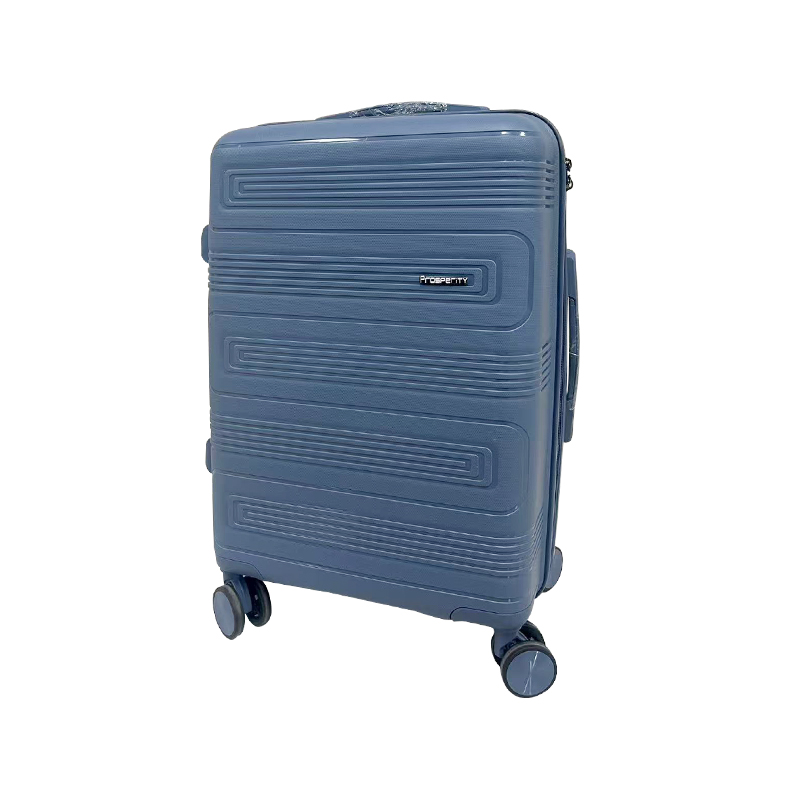
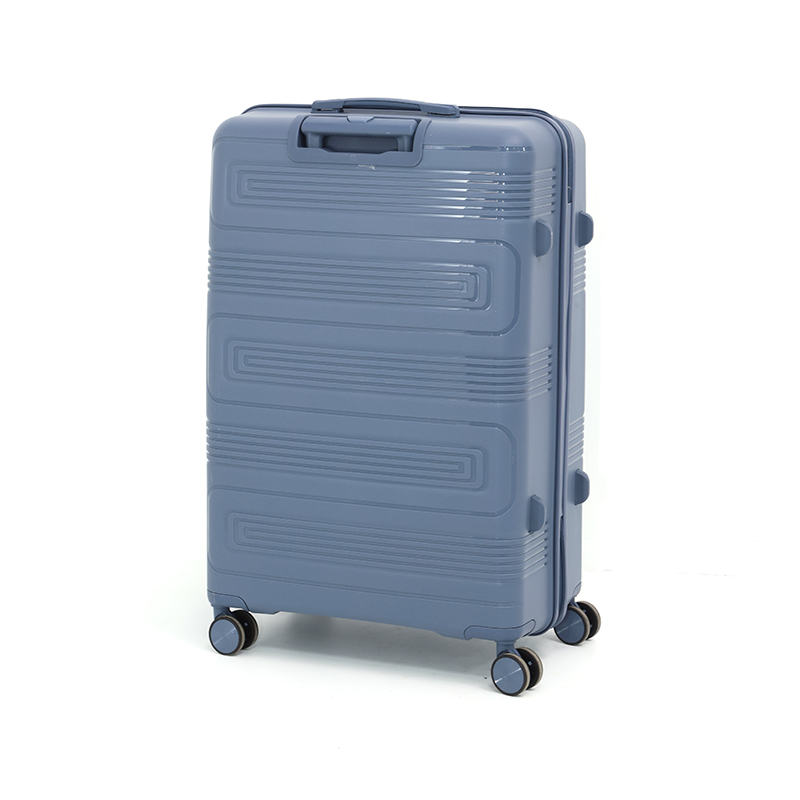
Size:15/21/25/29
37*26.5*18cm
56.5*37.5*23.5cm
65.5*43.5*28cm
76*50.5*31cm
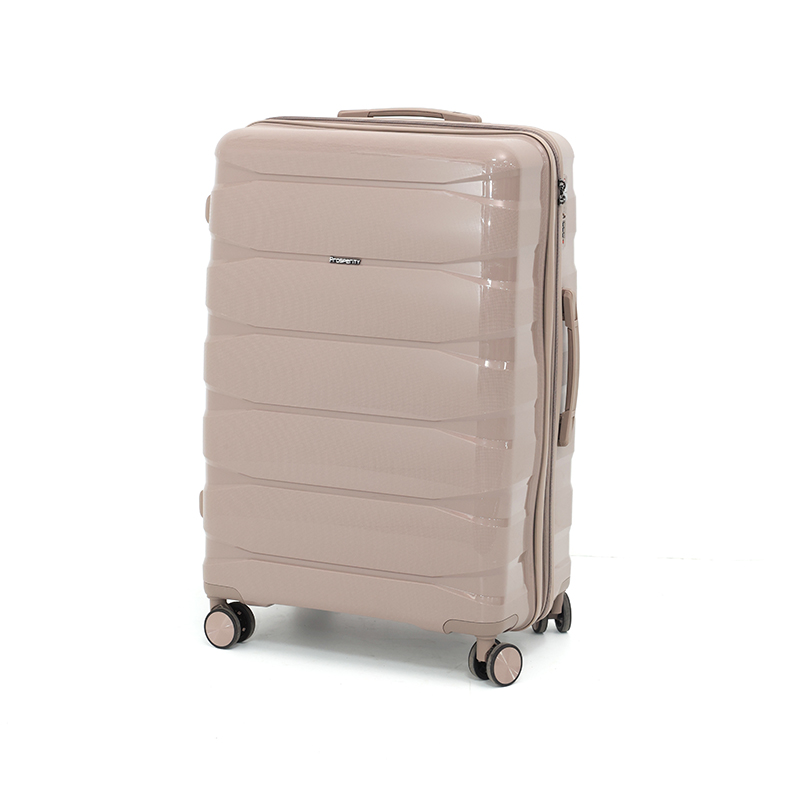
Size:13/19/23/27
32*22.5*16cm
52*34*21cm
61*40.5*26cm
70.5*46.5*29.5cm
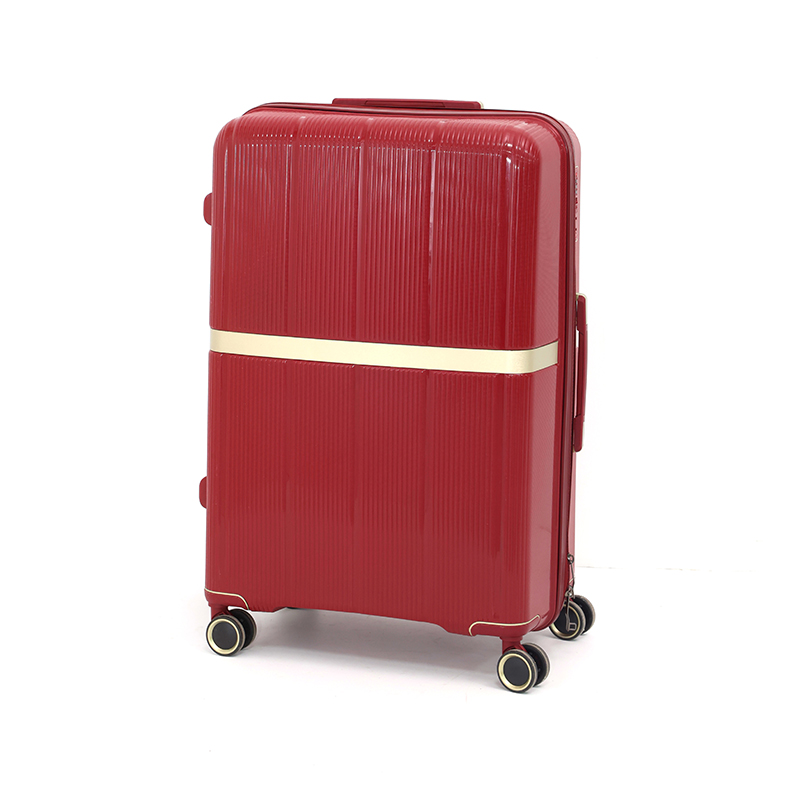
Size:14/18/20/24/28
33*25*16.5cm
50*33*20cm
53.5*35.5*23cm
63.5*42.5*27.5cm
73.5*49.5*30.5cm
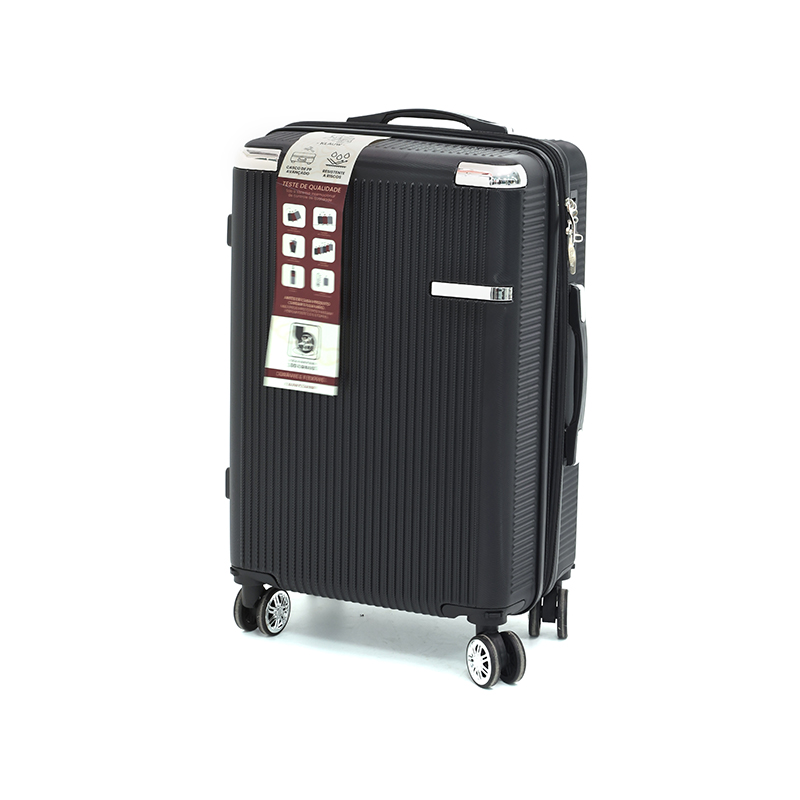
Size:12/14/18/19/20/21/22
Dimension:
31x26x15cm
35x30x16.5cm
52x35x23cm
53.5x35x25cm
56x36x25.5cm
58x38x26.5cm
60x39x28cm
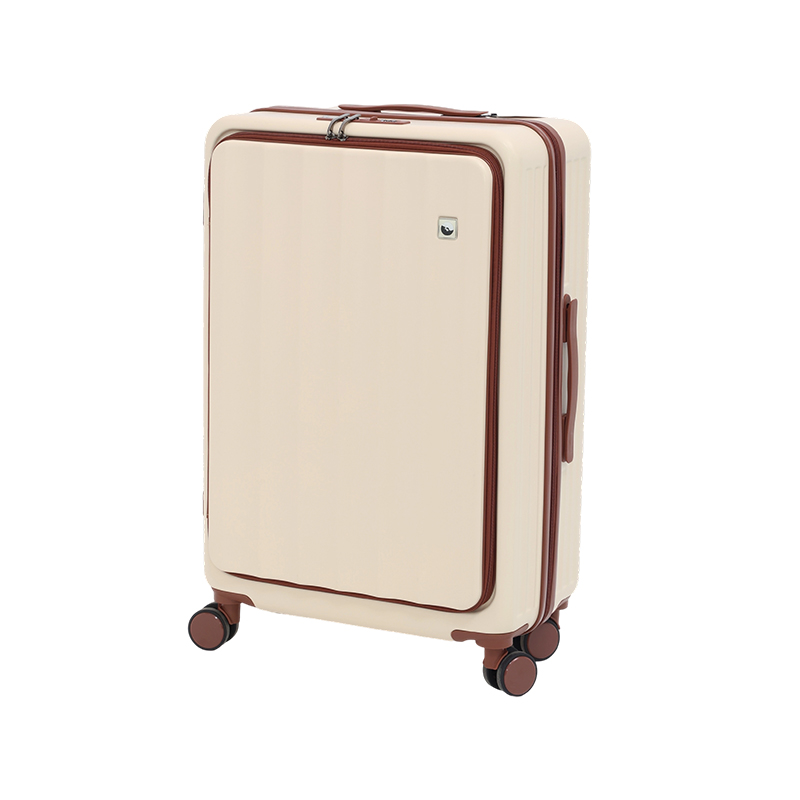
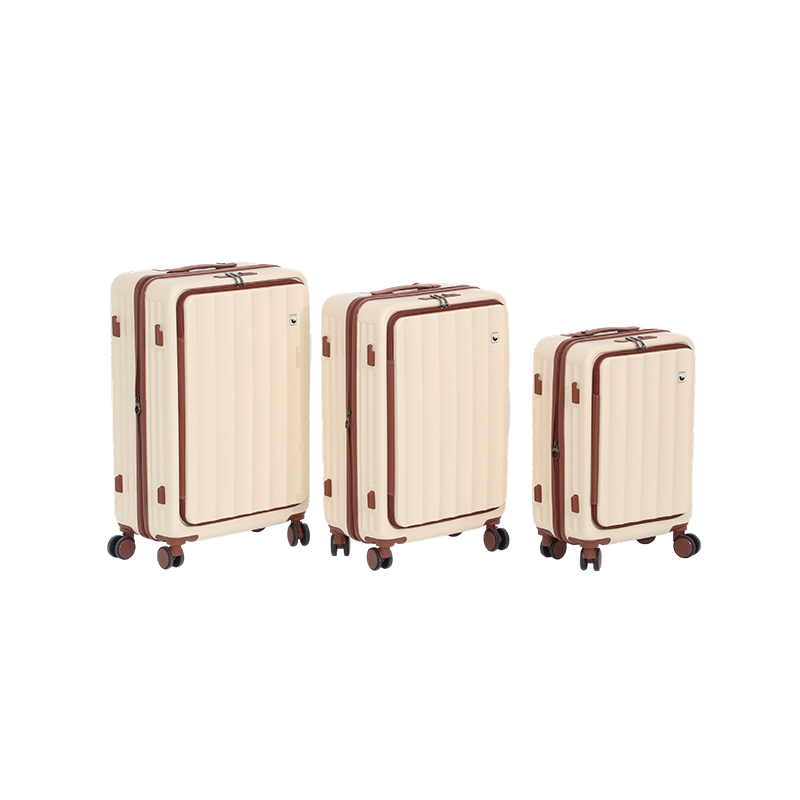
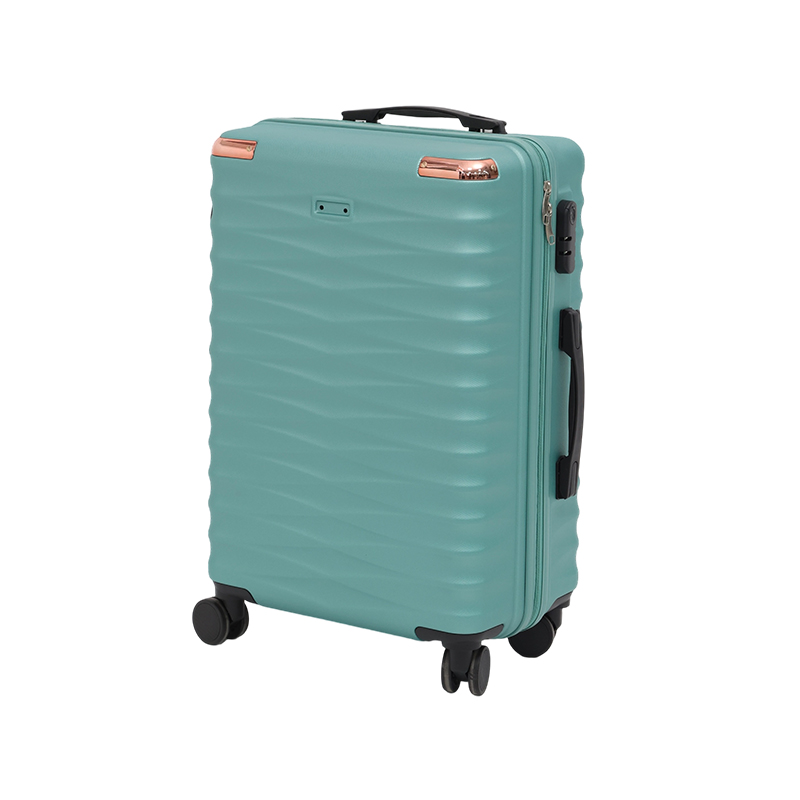
Size:20/24/28
55*35.5*23.5cm
64.5*42.5*26cm
69*45*27.5cm
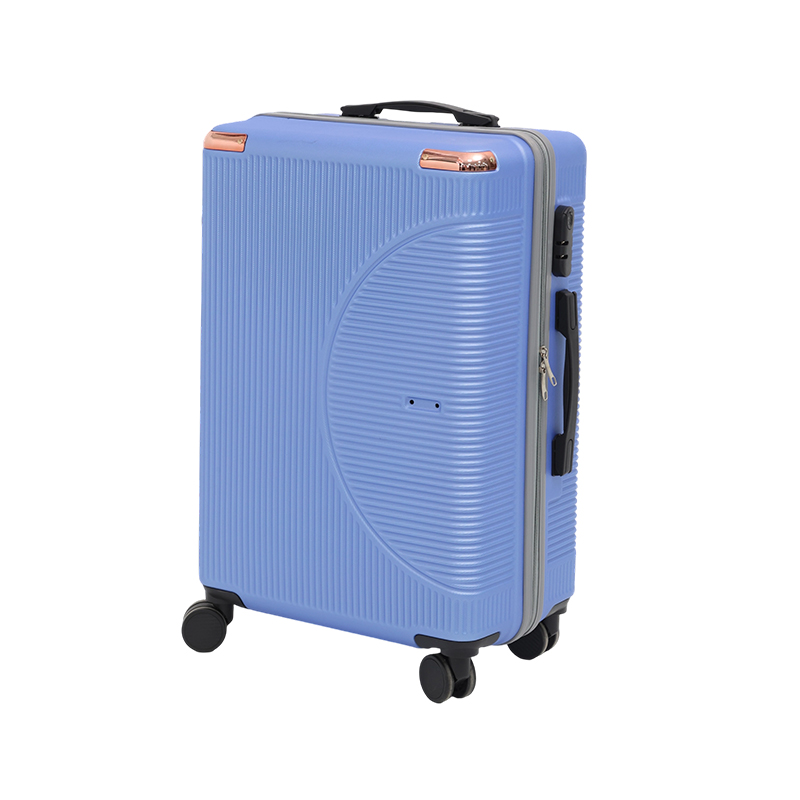
Size:19.5/23.5/27.5
19.5size:53.5×34×21cm/2.41kg
23.5size:61×39×25.5cm/3kg
27.5size:70.5×46×30cm/3.8kg
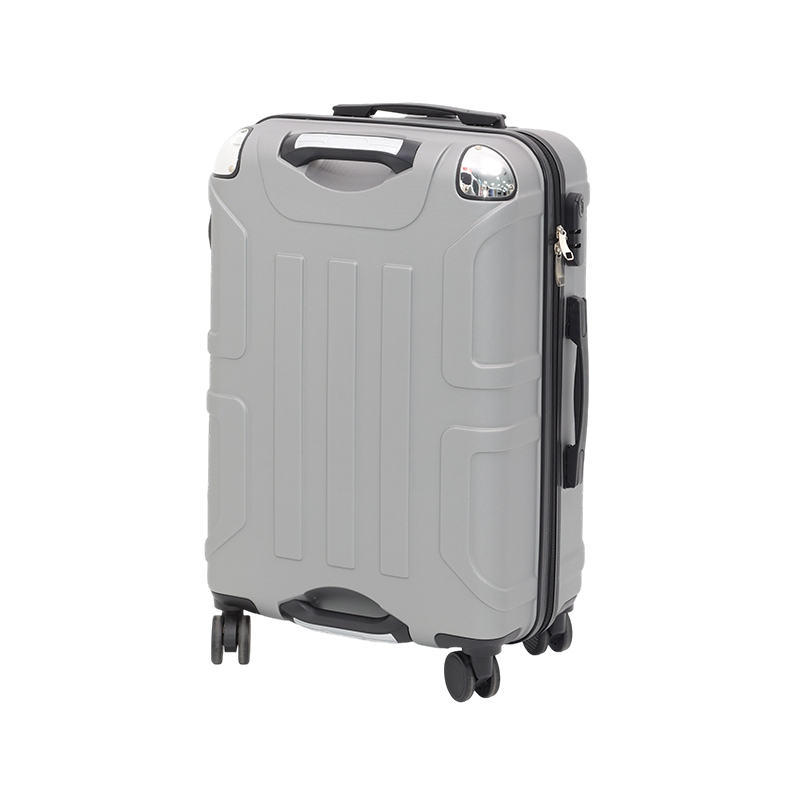
Size:20.5/24.5/28.5
20.5size:56.5×35×22cm/2.62kg
24.5size:64×41.5×27cm/3.35kg
28.5size:74.5×48×32.5cm/4.25kg
Size:19/23/27
19size: 54.5x34x21.5cm
23size: 62x39.5x25.5cm
27size: 71x46x29.5cm
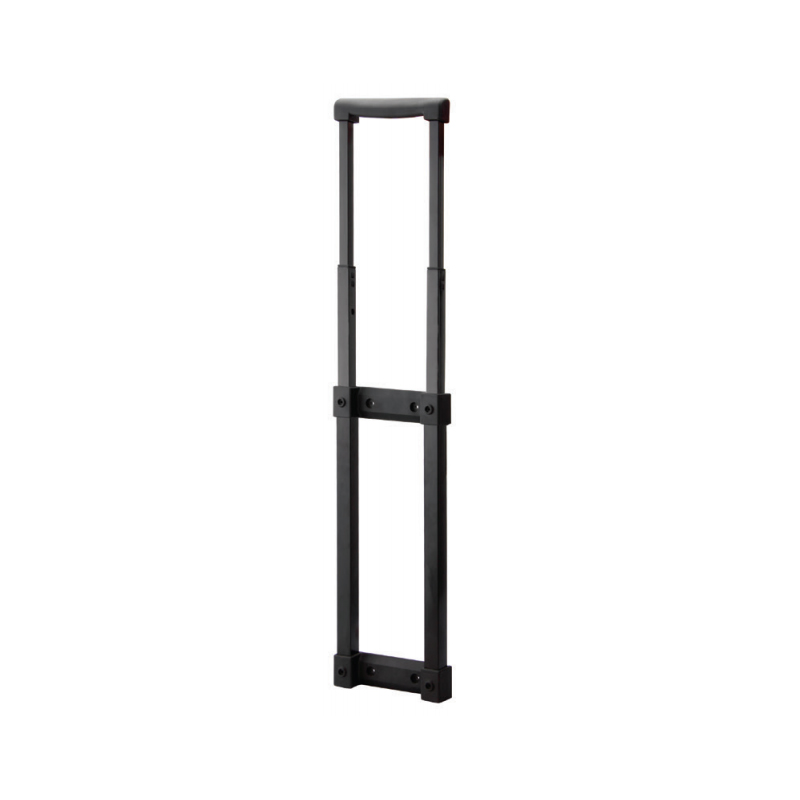
Model: LG-008
Sections: 2/3 sections
Small tube: 13×13mm
Middle tube: 16.5×16.5mm
Outer tube: 20×20mm
Outer tube: Iron tube
Inner tube: Iron tube
L: Specified length
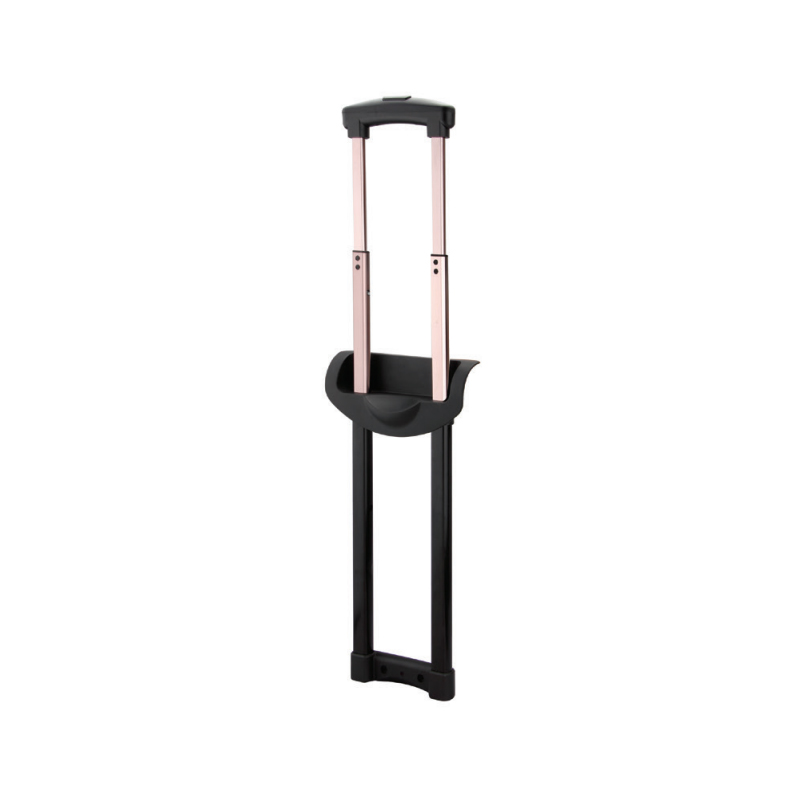
Model: LG-015B
Sections: 2/3 sections
Small tube: 12×18mm
Middle tube:17×23mm
Outer tube: 21×27mm
Outer tube: Iron tube
Inner tube: Aluminium tube, iron tube
L: Specified length
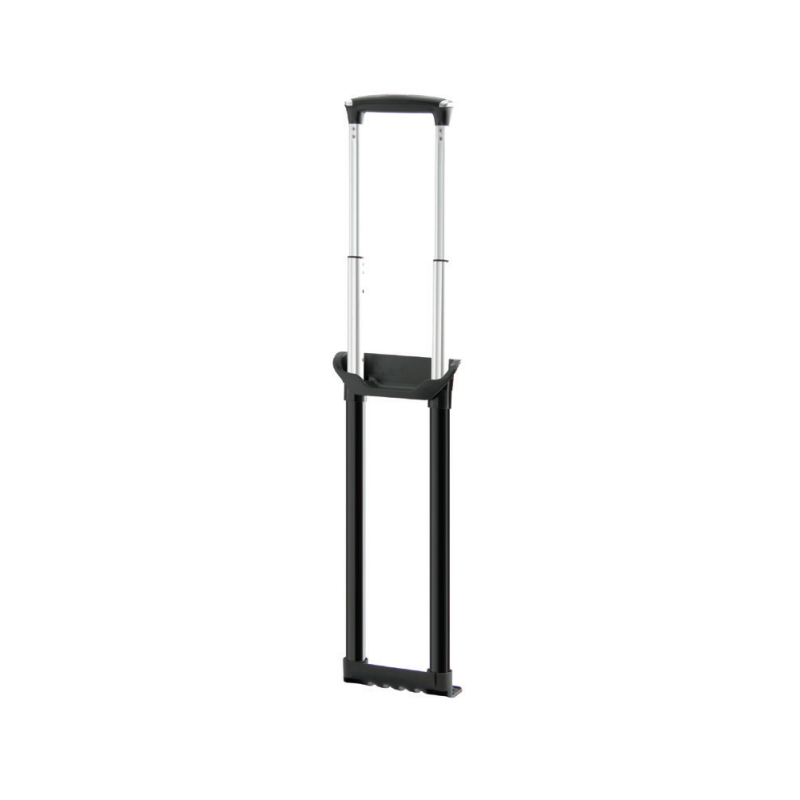
Model: LG-041
Number of sections: 2/3 sections
Small tube: 13×20.3mm
Middle tube:17.5×24.5mm
Outer tube: 21.5×28.5mm
Outer tube: Iron tube, Aluminium tube
Inner tube: Aluminium tube
L: Specified length
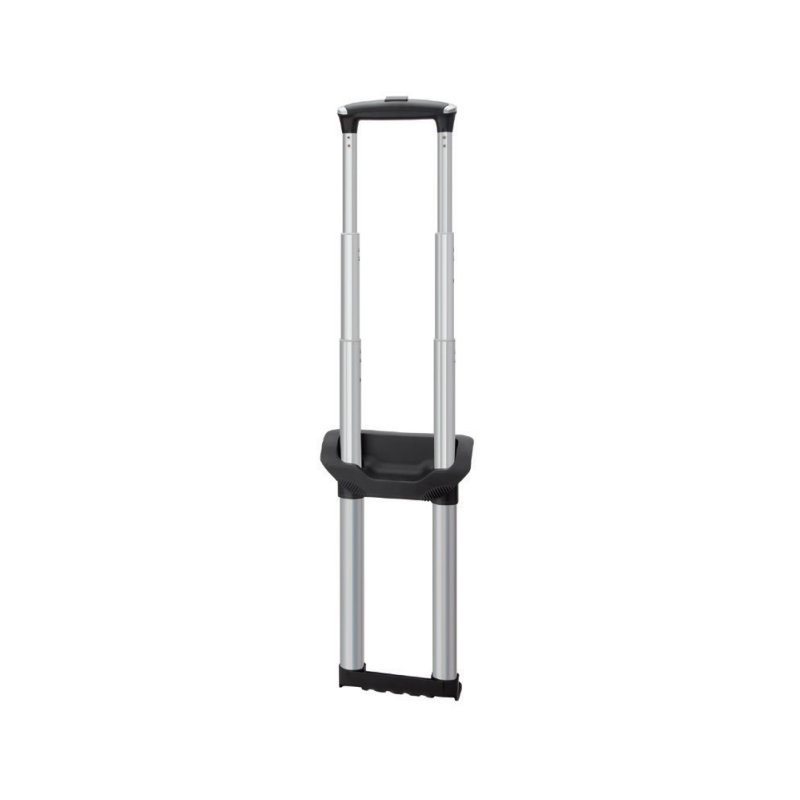
Model: LG-069
Number of sections: 4 sections
Small tube: 13×20.3mm
Middle tube:17.5×24.5mm
Outer tube: 19.5×27.5mm
Outer tube: 25.1×33.3mm
Outer tube: Iron tube
Inner tube: Aluminium tube
L: Specified length
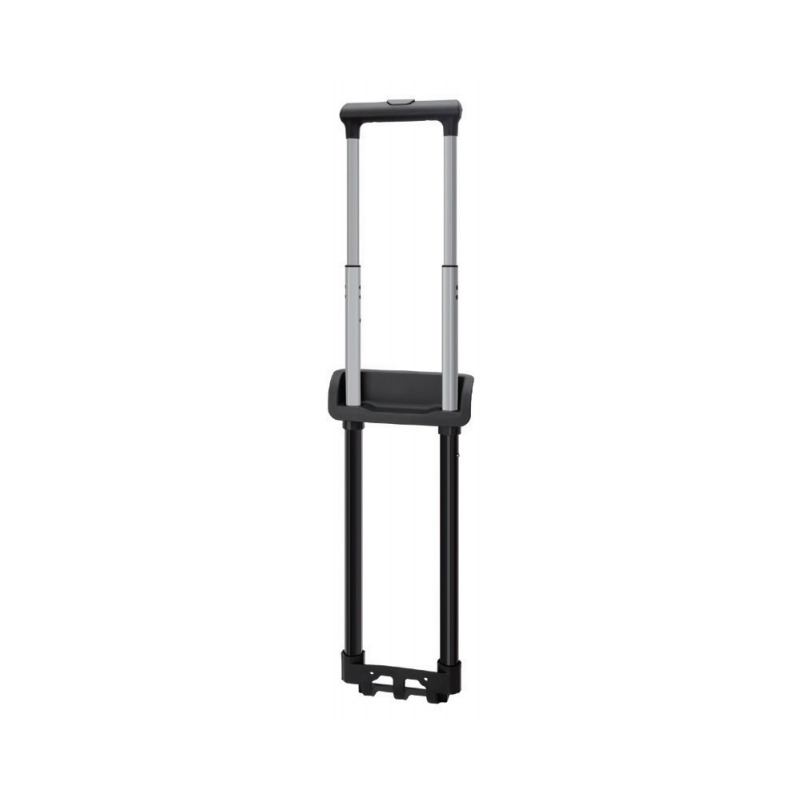
Model: LG-072
Number of sections: 2/3 sections
Small tube: 12×17.4mm
Middle tube:16.3×21.1mm
Outer tube: 21.2×25.1mm
Outer tube: Iron tube
Inner tube: Iron tube, Aluminium tube
L: Specified length
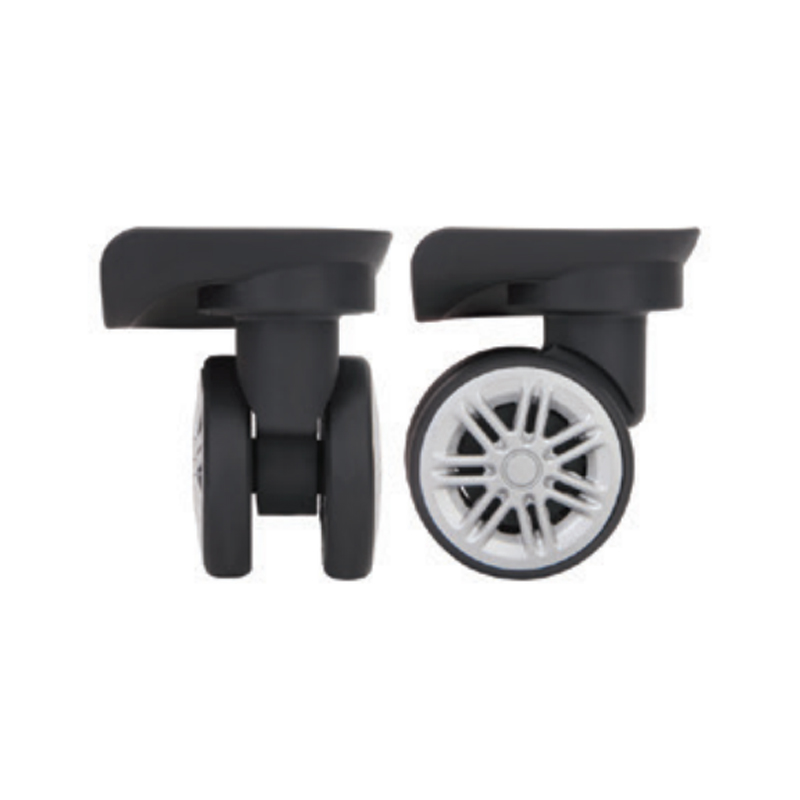
Model: Y-035-7-11
Specification: O: 50

