


 English
 中文简体
中文简体 русский
 Español
 عربى
عربى
H-016 Ethylene-Vinyl Acetate Fabric Suitcase
Material:600 Polyester
Size:20"24"28"32"




Luggage used to be judged almost entirely on durability — could it survive being thrown around a baggage hold. That's still true, but it's no longer the whole story. A fashionable trolley suitcase now has to hold up structurally while also functioning as a visible style choice, something travelers pick partly because of how it looks rolling through an airport, not just whether it protects what's inside.
The outer shell is where style and structure meet directly, and the material choice affects both at once. Polycarbonate shells have become common in this category because the material takes color and surface texture well — matte finishes, glossy panels, embossed patterns — while still flexing slightly under impact rather than cracking outright. ABS plastic, often blended with polycarbonate, brings the price point down while keeping a reasonably similar look, though it tends to be less resistant to stress fractures over repeated hard use.
Aluminum shells sit at a different end of the spectrum, offering a distinct metallic finish that reads differently than molded plastic and holds up structurally in a different way — it dents rather than cracks. Soft-shell designs, typically nylon or polyester with reinforced corners, take yet another visual direction, allowing for more color variety and printed patterns since the fabric surface accepts dye and print processes that a rigid shell can't replicate the same way.
Beyond the shell material itself, several details tend to define whether a suitcase reads as fashionable versus purely functional:
These elements often shift on a seasonal or trend cycle, similar to how apparel design moves, which is part of why manufacturers in this category tend to release updated colorways and finishes on a recurring schedule rather than keeping a single design static for years.
Appearance aside, the mechanical components underneath still carry real weight in how the suitcase performs day to day. Most fashionable trolley suitcases now use spinner wheels — four multi-directional wheels rather than two fixed ones — allowing the case to roll upright in any direction rather than needing to be tilted and dragged. That wheel type also opens up more design flexibility for the case body, since the base doesn't need to be angled for a two-wheel drag posture.
Telescoping handles, typically aluminum tubing set into the shell, need to extend smoothly and lock at a comfortable height without wobbling under the case's weight. Handle design also intersects with the exterior look — some models integrate the handle housing flush into the shell's silhouette, while others treat it as a visible design element with its own color or texture distinct from the main body.
Not every fashionable trolley suitcase targets the same customer. Some manufacturers focus on business travel, where style tends to mean cleaner lines, subdued color palettes, and understated branding. Others build toward a younger, more expressive market, where pattern, color saturation, and shape experimentation carry more weight than restraint.
For manufacturers and brands sourcing this category — whether building a private label line or supplying retail partners — that segmentation shapes decisions well before a shell color is finalized. Shell material, wheel configuration, size range across carry-on and checked options, and the overall design language all need to align with which traveler segment the line is actually built for, since a case designed around one style sensibility rarely translates cleanly into a completely different market without meaningful redesign.
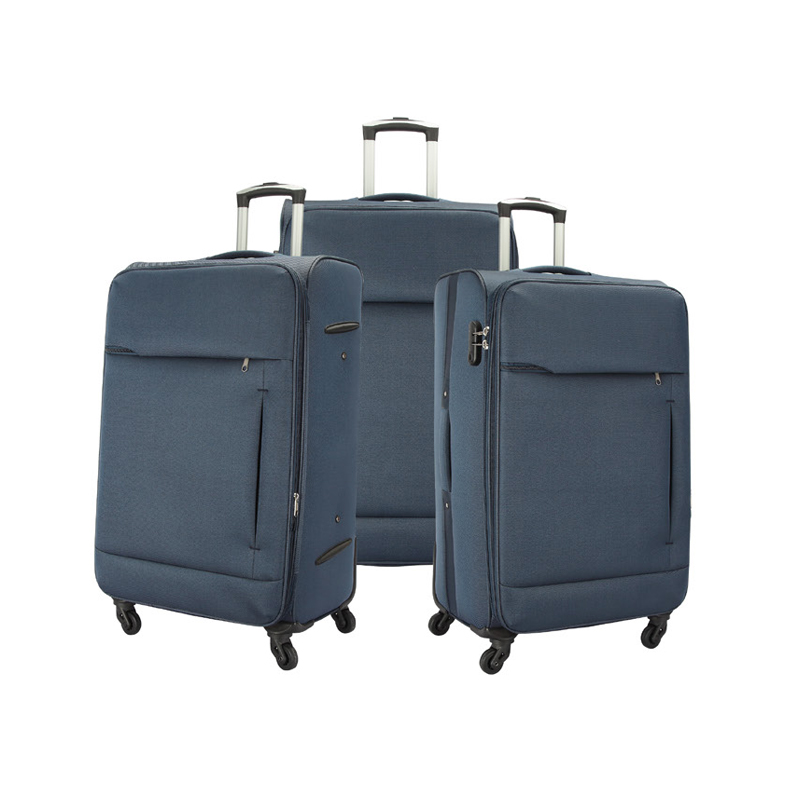
Material:600 Polyester
Size:20"24"28"32"
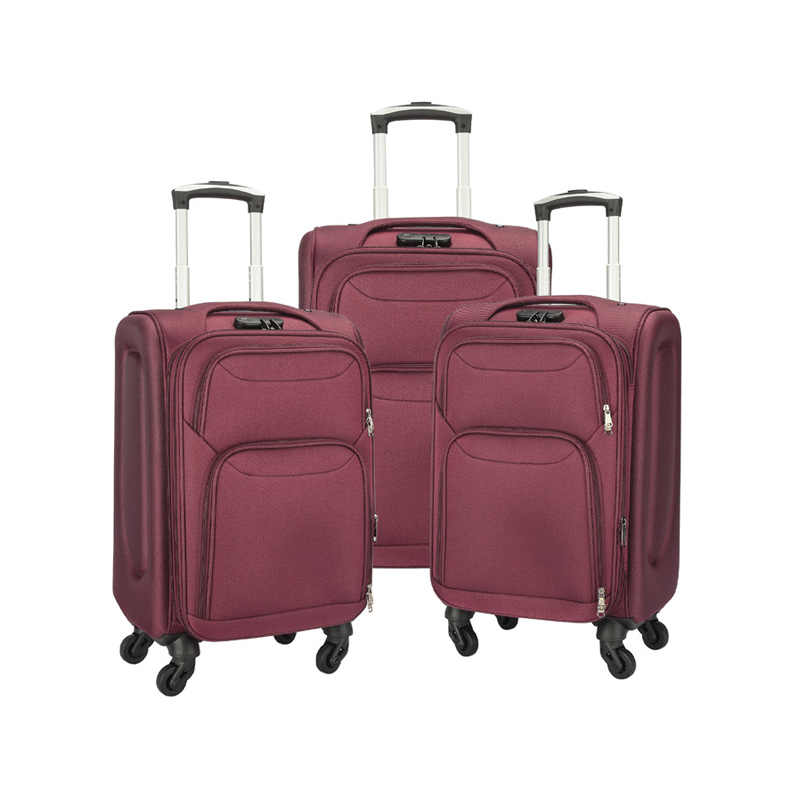
Material:600 Polyester
Size:20"24"28"32"
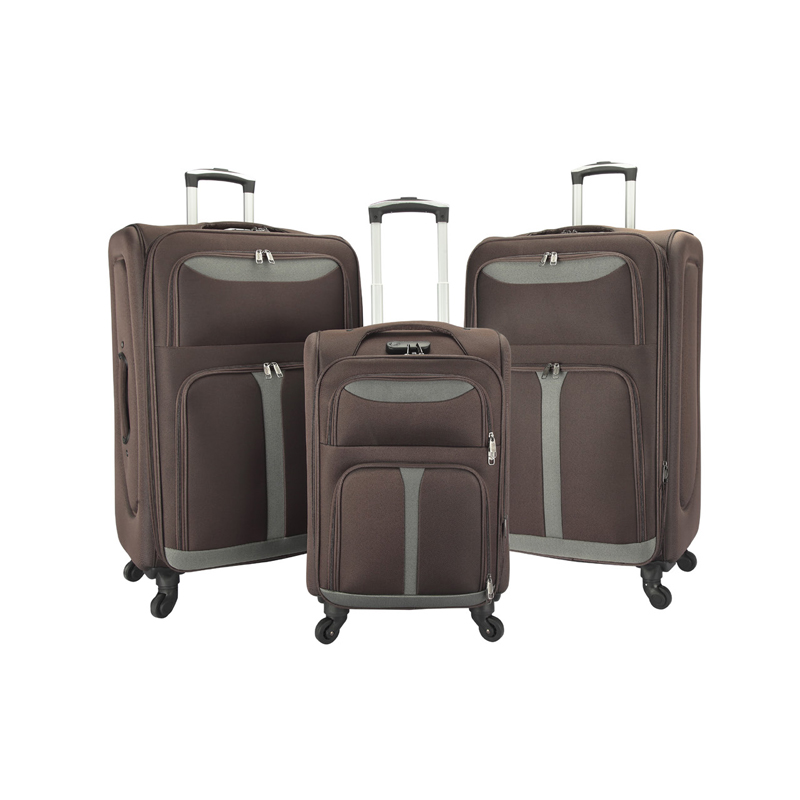
Material:600 Polyester
Size:20"24"28"32"
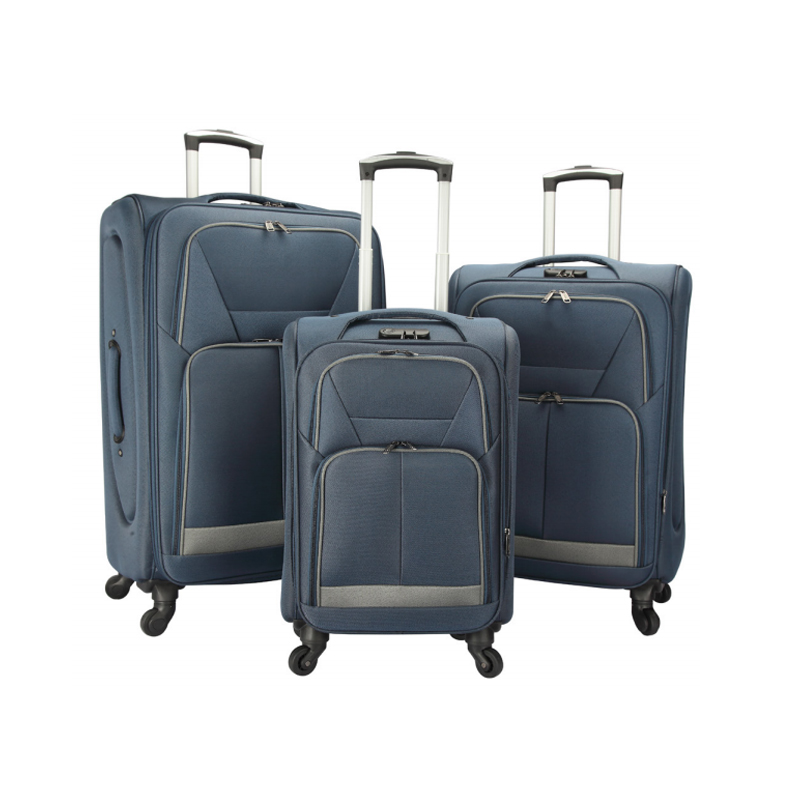
Material:600 Polyester
Size:20"24"28"32"
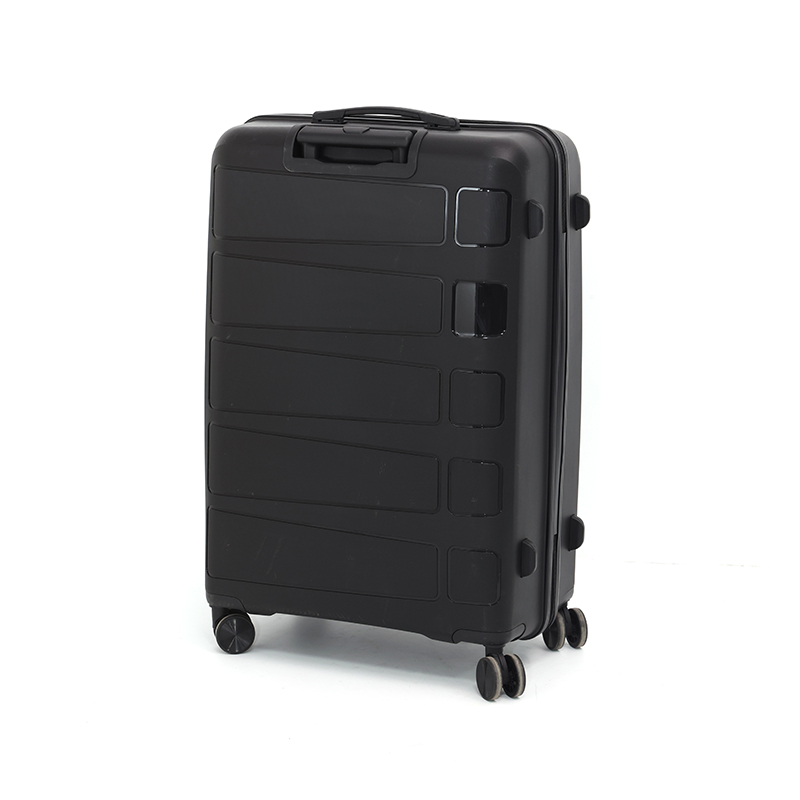
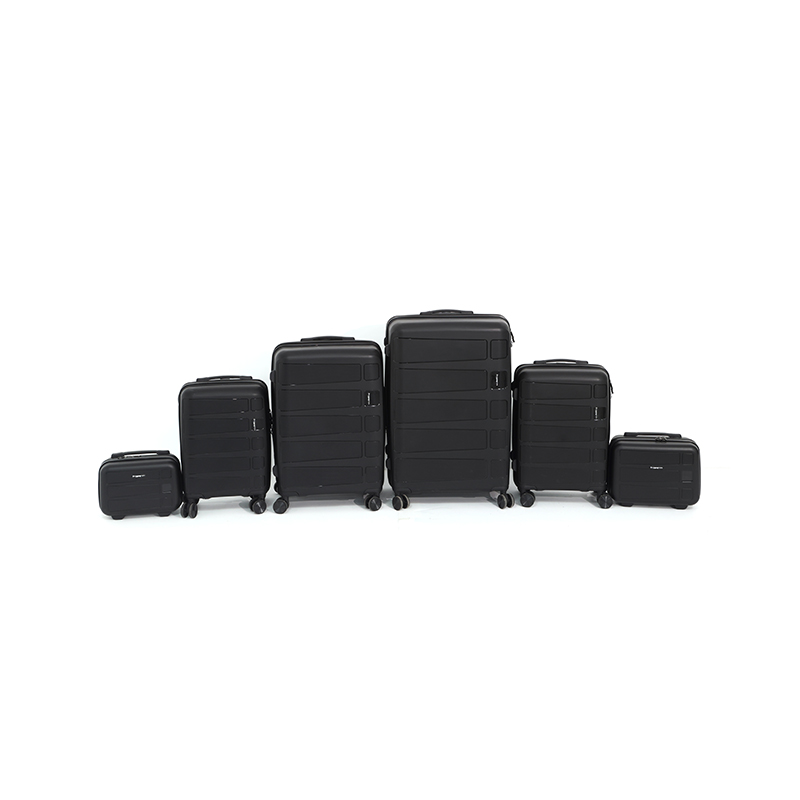
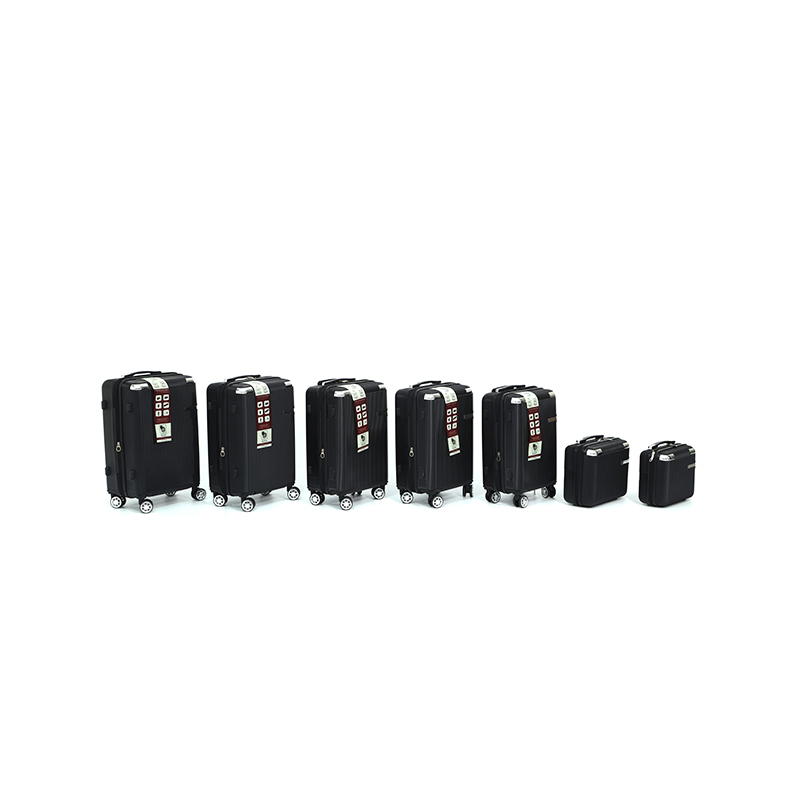
Size:12/14/18/20/24/28
31*21.5*14.5cm
33*25*16.5cm
50*33*20cm
53.5*35.5*23cm
63.5*42.5*27.5cm
73.5*49.5*30.5cm
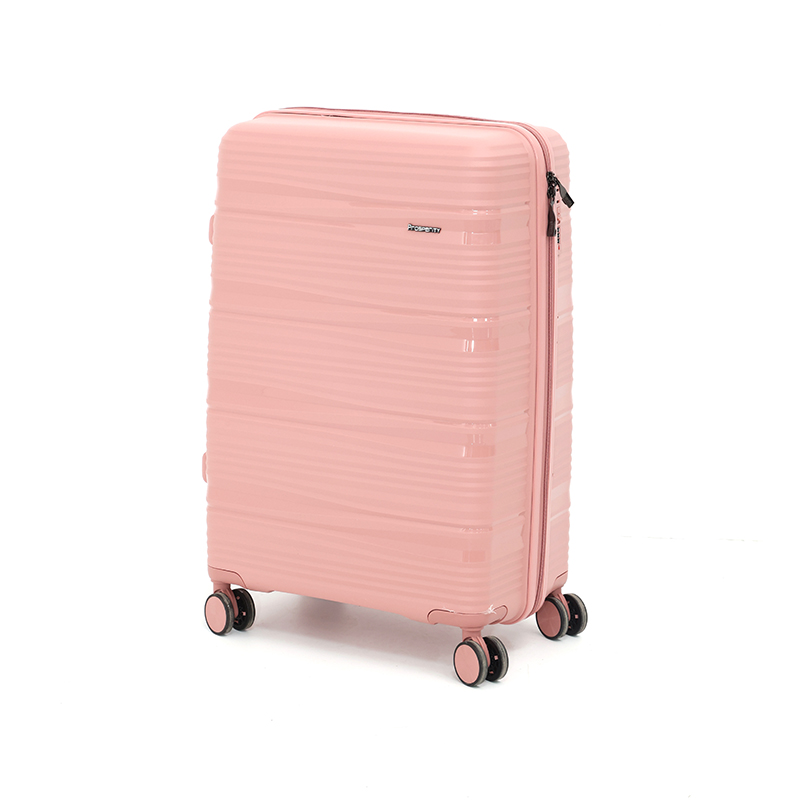
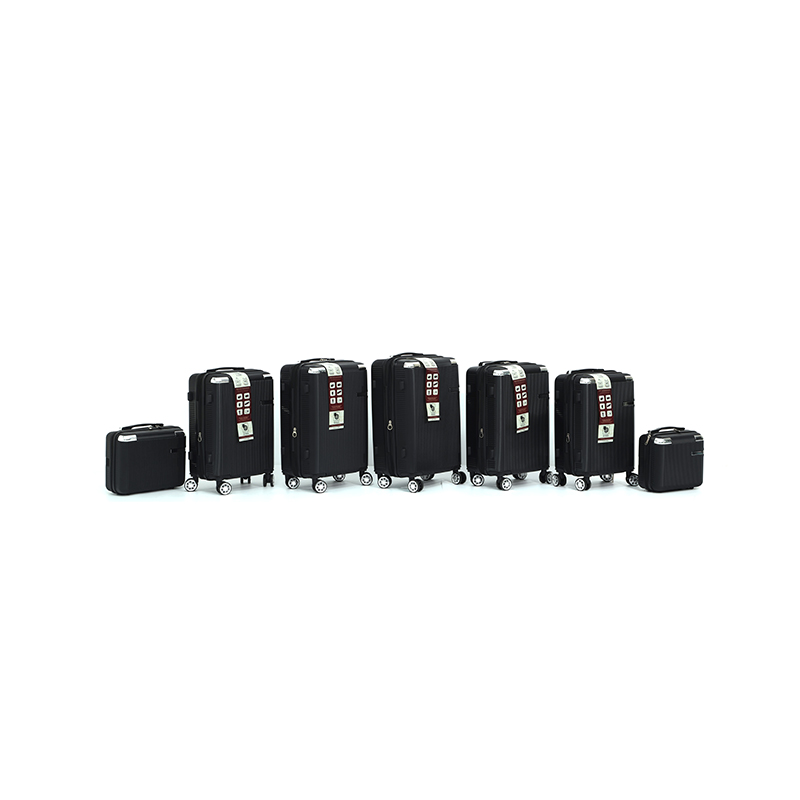
Size:14/18/22/26/30
33*25*16.5cm
50*33*20cm
59*38.5*24.5cm
68.5*44.5*29cm
78*51.5*34cm
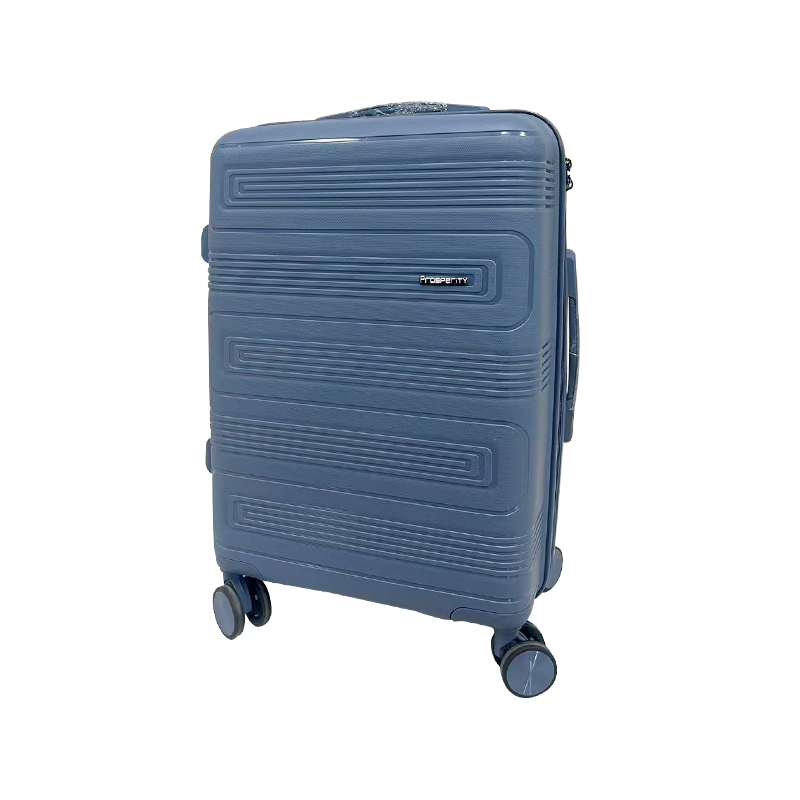
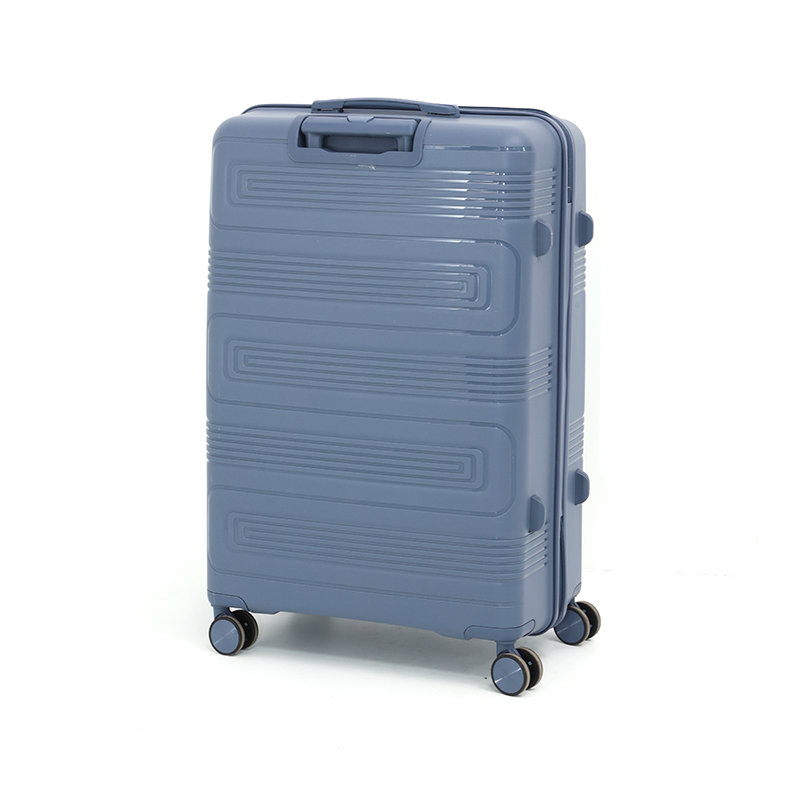
Size:15/21/25/29
37*26.5*18cm
56.5*37.5*23.5cm
65.5*43.5*28cm
76*50.5*31cm
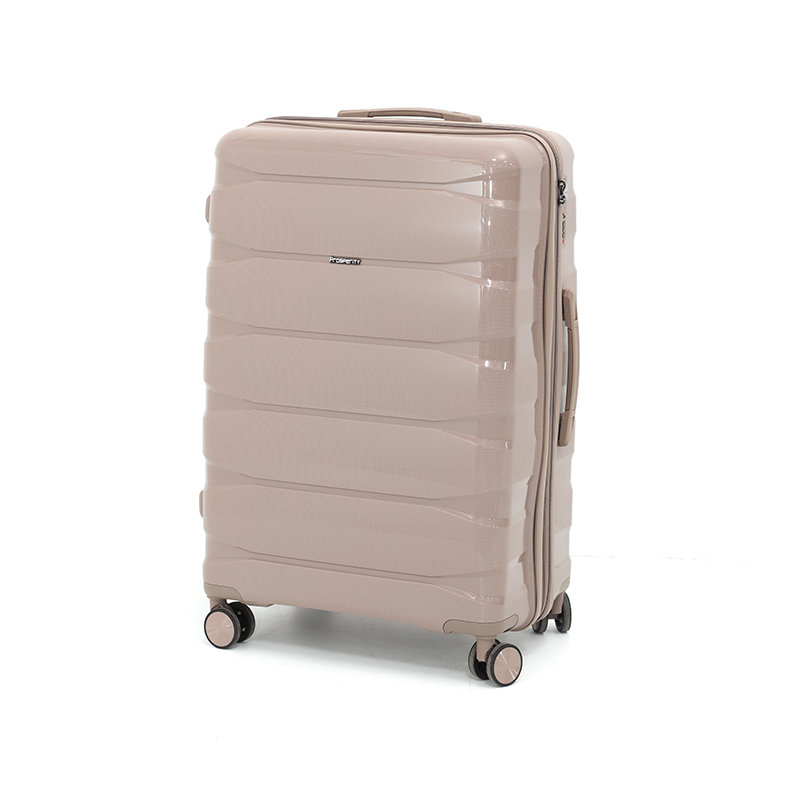
Size:13/19/23/27
32*22.5*16cm
52*34*21cm
61*40.5*26cm
70.5*46.5*29.5cm
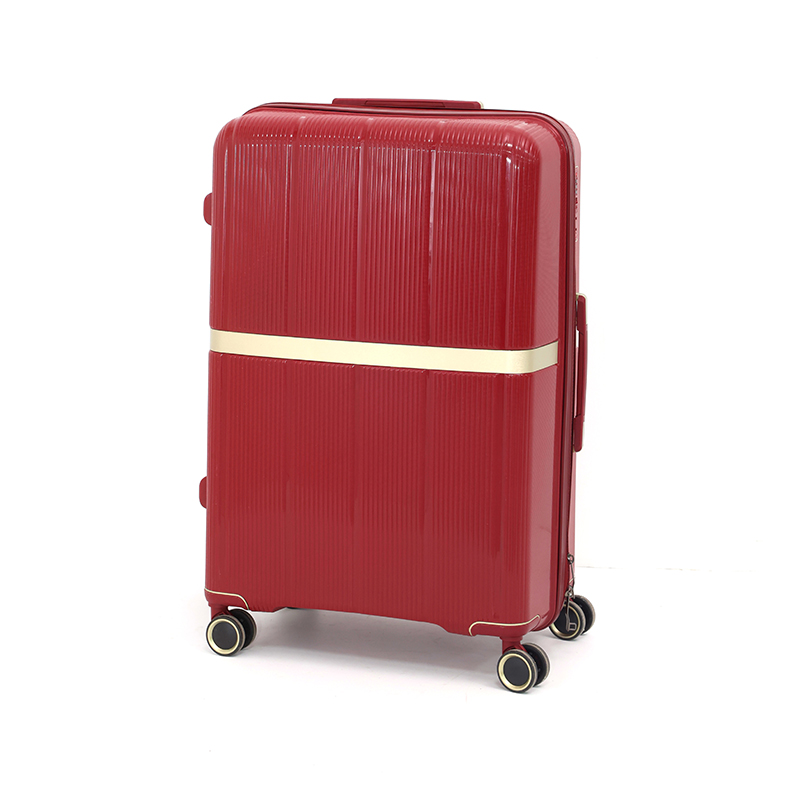
Size:14/18/20/24/28
33*25*16.5cm
50*33*20cm
53.5*35.5*23cm
63.5*42.5*27.5cm
73.5*49.5*30.5cm
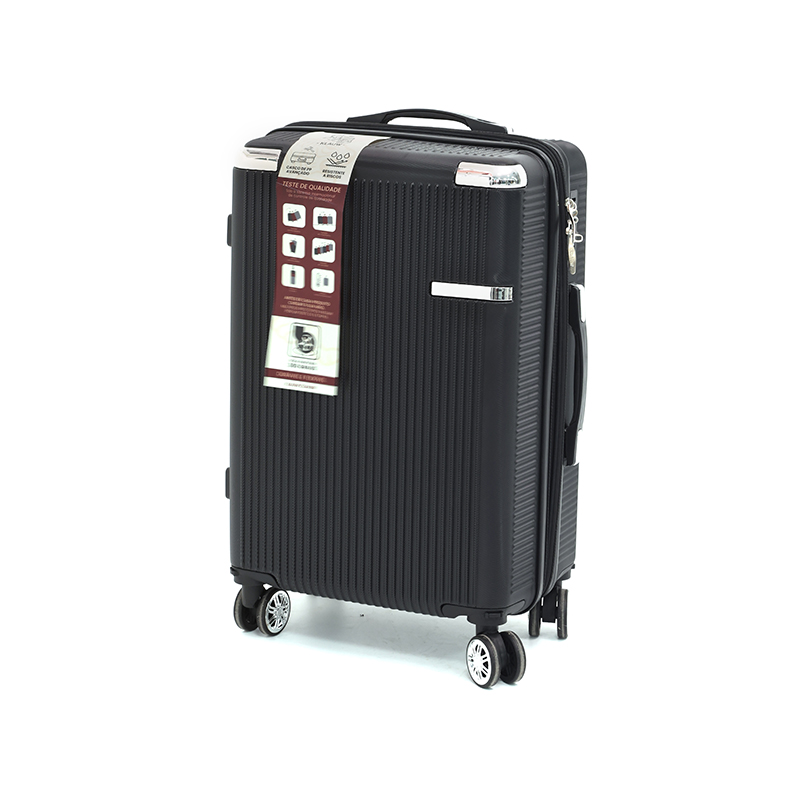
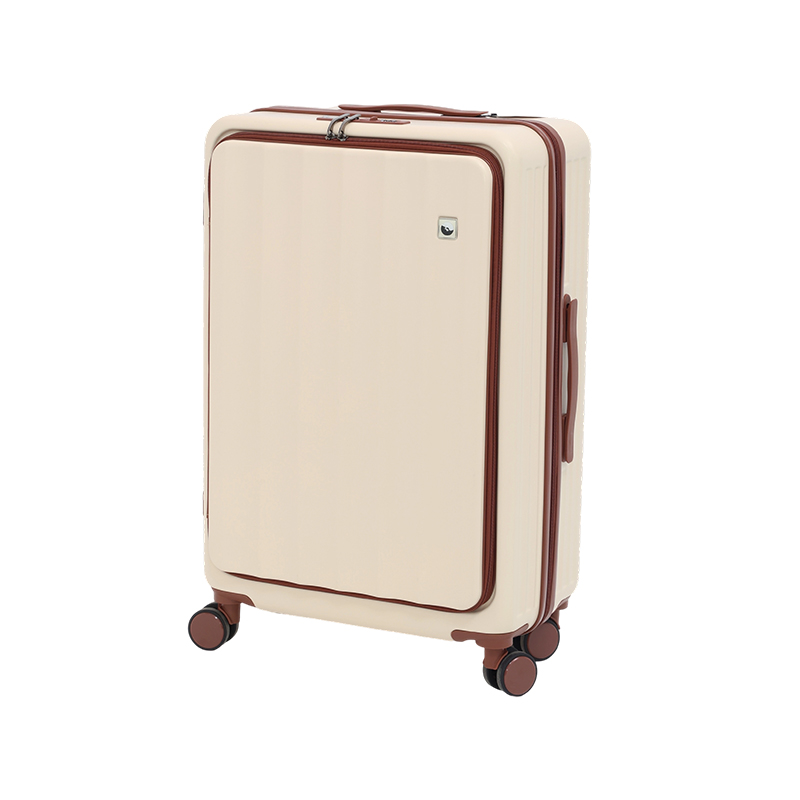
Size:12/14/18/19/20/21/22
Dimension:
31x26x15cm
35x30x16.5cm
52x35x23cm
53.5x35x25cm
56x36x25.5cm
58x38x26.5cm
60x39x28cm
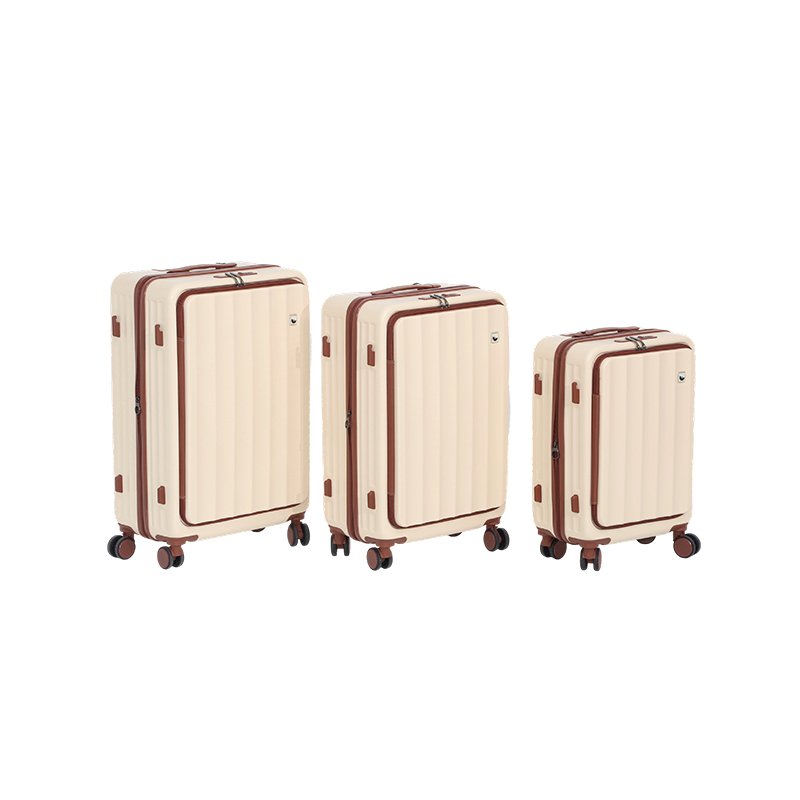
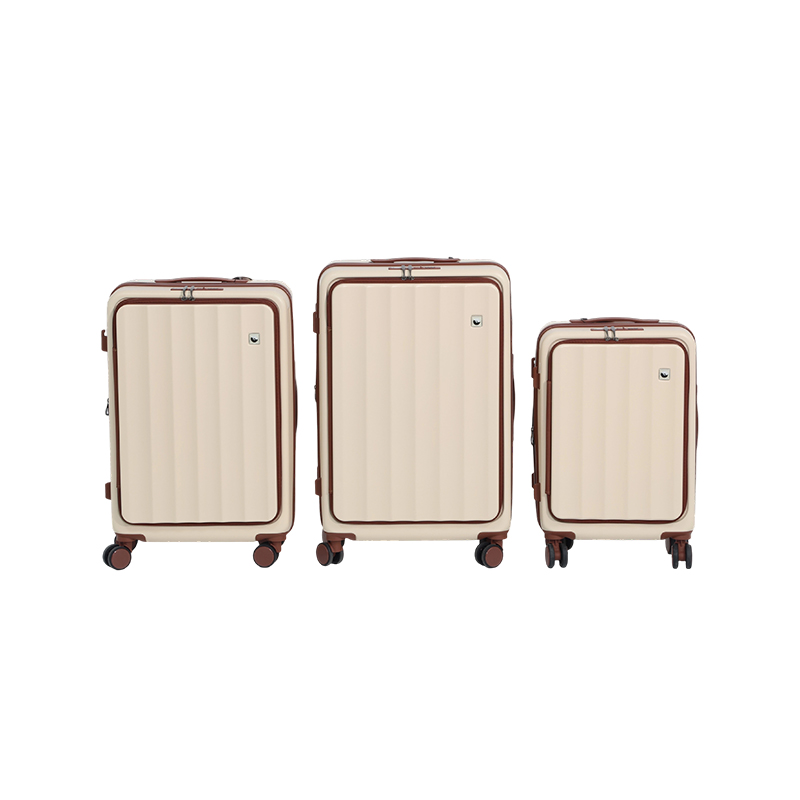
Size:20/24/28
55*35.5*23.5cm
64.5*42.5*26cm
69*45*27.5cm
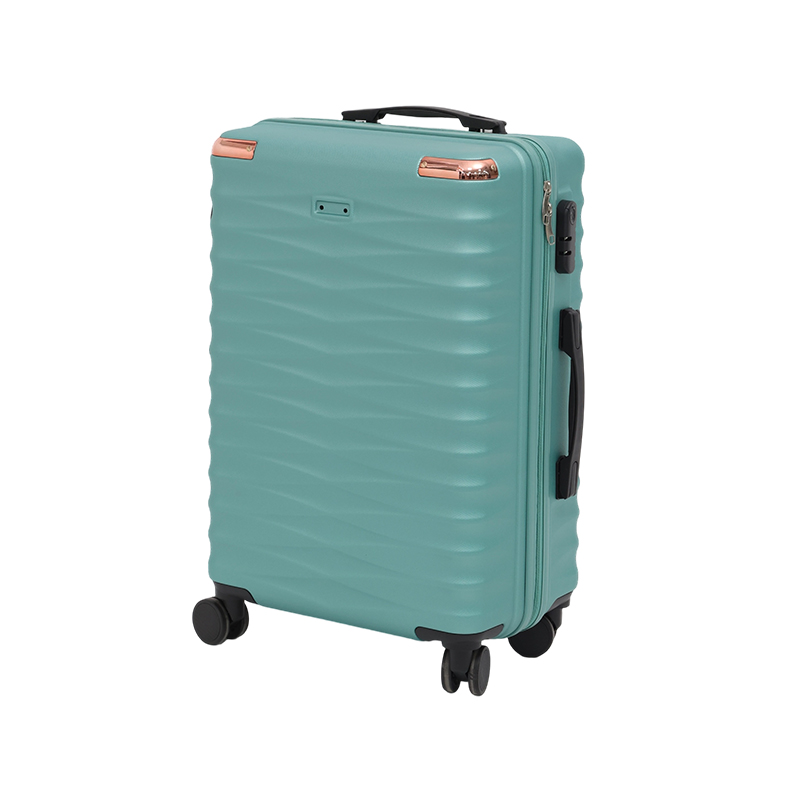
Size:19.5/23.5/27.5
19.5size:53.5×34×21cm/2.41kg
23.5size:61×39×25.5cm/3kg
27.5size:70.5×46×30cm/3.8kg
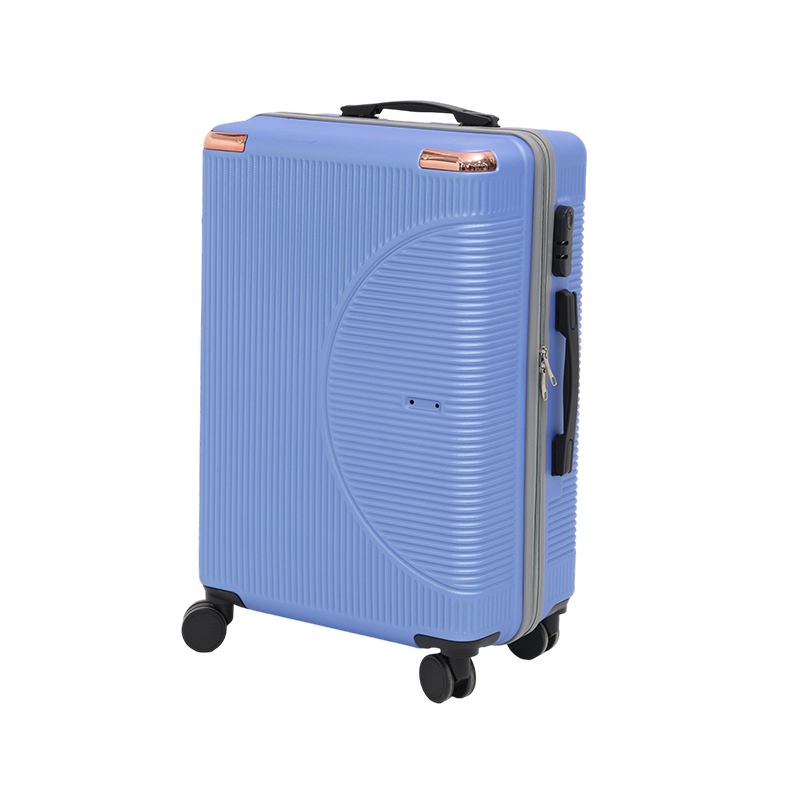
Size:20.5/24.5/28.5
20.5size:56.5×35×22cm/2.62kg
24.5size:64×41.5×27cm/3.35kg
28.5size:74.5×48×32.5cm/4.25kg
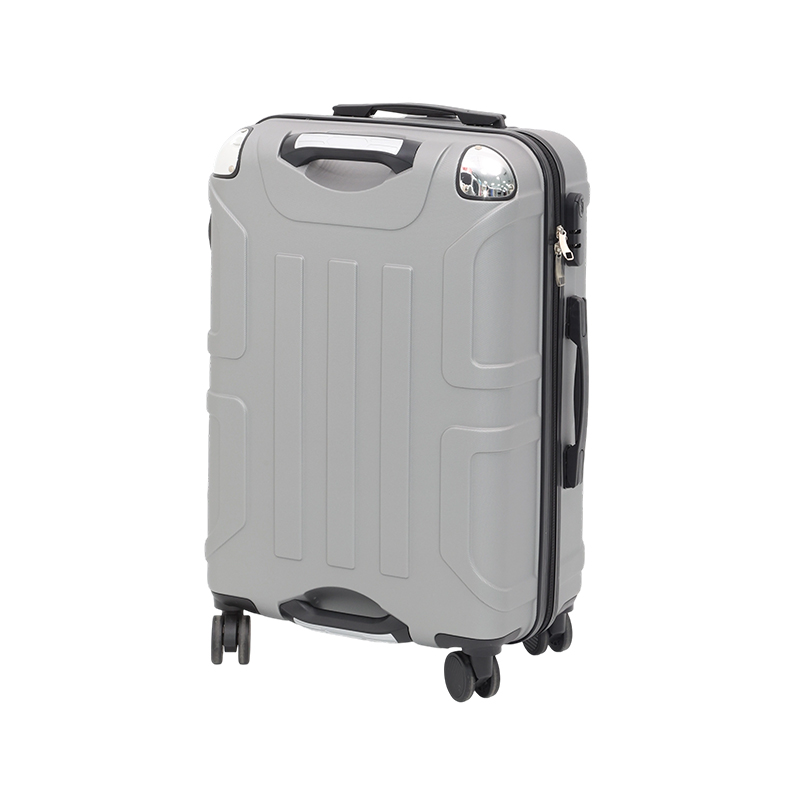
Size:19/23/27
19size: 54.5x34x21.5cm
23size: 62x39.5x25.5cm
27size: 71x46x29.5cm
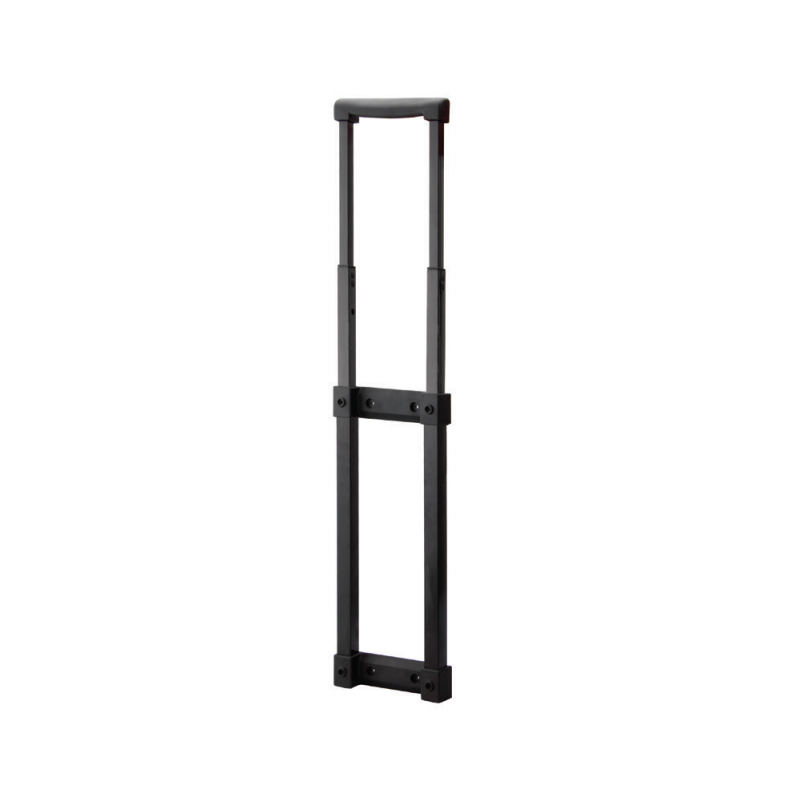
Model: LG-008
Sections: 2/3 sections
Small tube: 13×13mm
Middle tube: 16.5×16.5mm
Outer tube: 20×20mm
Outer tube: Iron tube
Inner tube: Iron tube
L: Specified length
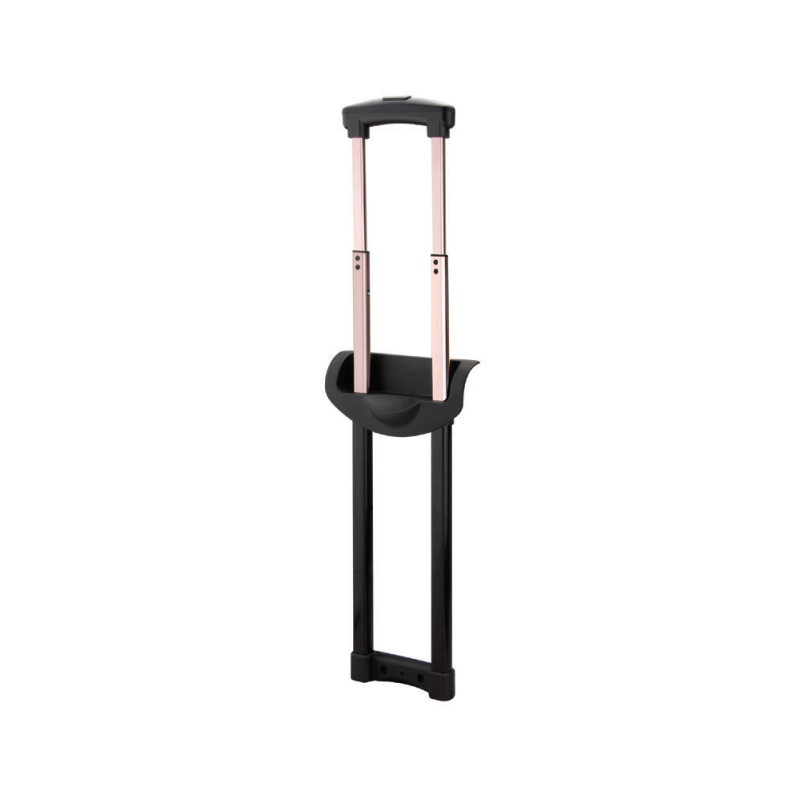
Model: LG-015B
Sections: 2/3 sections
Small tube: 12×18mm
Middle tube:17×23mm
Outer tube: 21×27mm
Outer tube: Iron tube
Inner tube: Aluminium tube, iron tube
L: Specified length
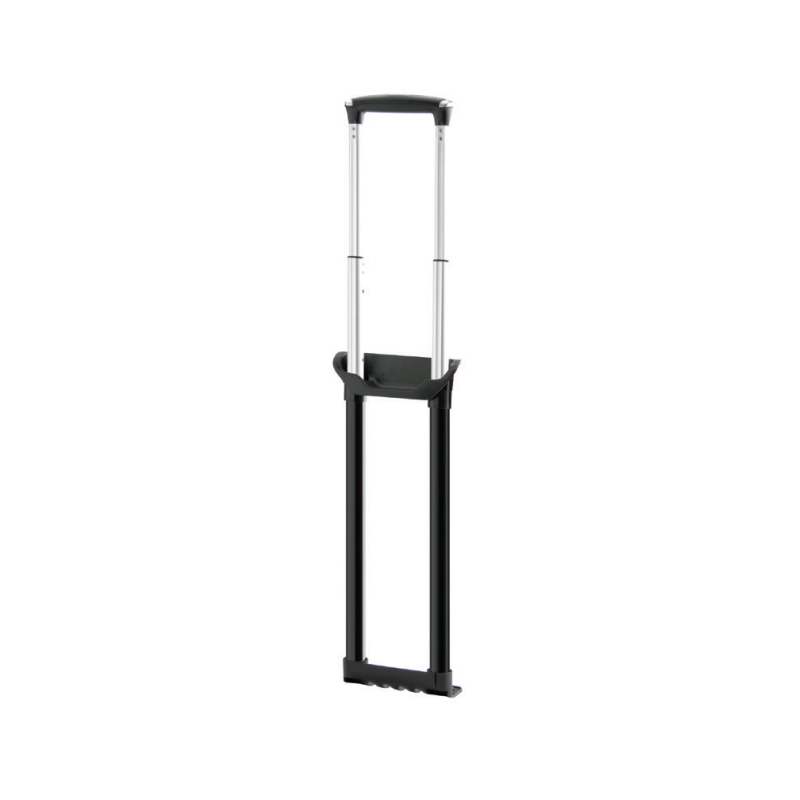
Model: LG-041
Number of sections: 2/3 sections
Small tube: 13×20.3mm
Middle tube:17.5×24.5mm
Outer tube: 21.5×28.5mm
Outer tube: Iron tube, Aluminium tube
Inner tube: Aluminium tube
L: Specified length
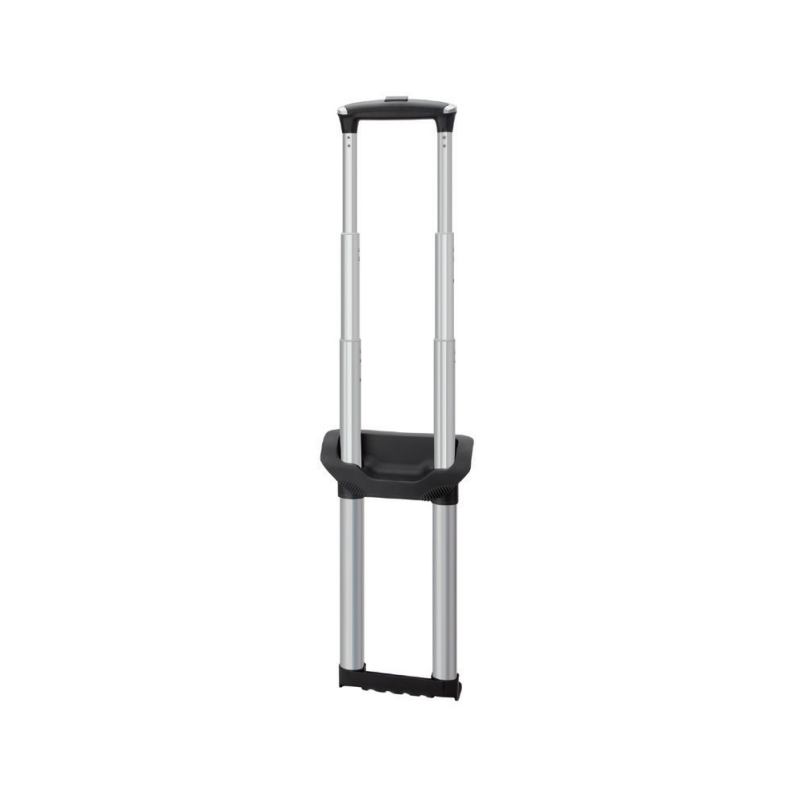
Model: LG-069
Number of sections: 4 sections
Small tube: 13×20.3mm
Middle tube:17.5×24.5mm
Outer tube: 19.5×27.5mm
Outer tube: 25.1×33.3mm
Outer tube: Iron tube
Inner tube: Aluminium tube
L: Specified length
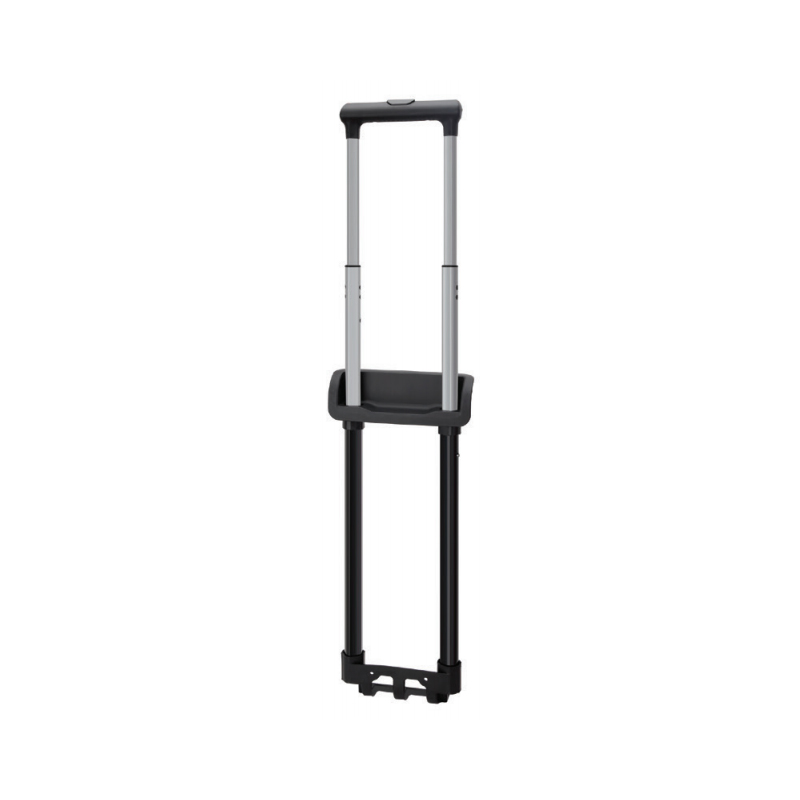
Model: LG-072
Number of sections: 2/3 sections
Small tube: 12×17.4mm
Middle tube:16.3×21.1mm
Outer tube: 21.2×25.1mm
Outer tube: Iron tube
Inner tube: Iron tube, Aluminium tube
L: Specified length
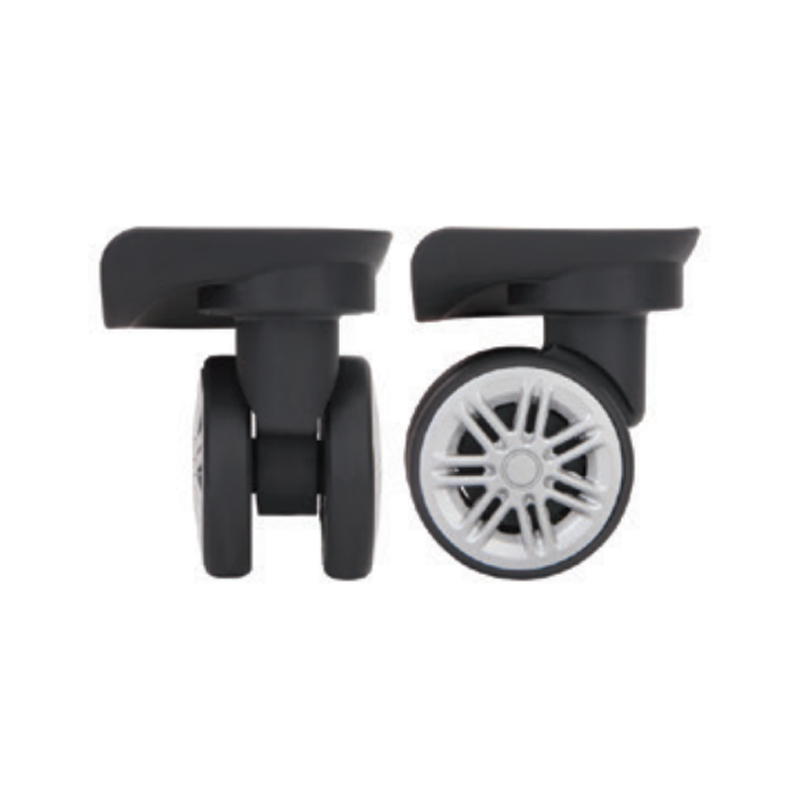
Model: Y-035-7-11
Specification: O: 50

