


 English
 中文简体
中文简体 русский
 Español
 عربى
عربى
H-016 Ethylene-Vinyl Acetate Fabric Suitcase
Material:600 Polyester
Size:20"24"28"32"




A suitcase with a single open cavity forces everything into one loose pile, which usually means digging through folded clothes to find a charger or a pair of socks buried near the bottom. Splitting the interior into defined sections — zippered dividers, mesh pockets, separate shoe compartments — gives travelers a system instead of a guessing game. That structure appeals to business travelers packing for quick turnaround trips just as much as it does to families trying to keep multiple people's items from mixing together in shared luggage.
Multi-compartment storage suitcases show up in both hardshell and softshell builds, and the compartment approach differs between the two. Hardshell versions typically rely on fixed interior panels and zippered mesh dividers attached to the shell's inner lining. Softshell versions often use additional exterior pockets alongside interior dividers, giving travelers more total access points but sometimes at the cost of overall structural rigidity. Buyers choosing between the two usually weigh how much they value a clean, protected shell against how much they want quick, layered access to different sections.
This suitcase style covers a fairly wide stretch of retail territory. Luggage specialty stores stock it for travelers who specifically request organizational features when shopping in person. Corporate travel programs sometimes issue branded versions to employees who travel frequently and need a dependable system for packing efficiently. Online direct-to-consumer luggage brands often build entire marketing campaigns around the compartment layout, since it's a feature that photographs well and demonstrates practical value clearly in product listings. Outdoor retailers carry rugged versions aimed at travelers who need separate space for gear versus clothing.
A frequent complaint distributors run into involves compartment zippers wearing out faster than the suitcase's main closure. Because internal dividers get opened and closed more often during a single trip, the smaller zippers experience disproportionate stress compared to the main zipper, which only cycles once or twice a day. Suppliers who use reinforced zipper tape on interior compartments tend to see fewer warranty claims tied to this specific issue.
Another recurring concern is compartment placement that looks organized on paper but doesn't match how people actually pack. A shoe compartment that's too shallow, or a mesh divider positioned awkwardly against the main zipper, can turn a selling point into a source of customer complaints. Buyers sourcing this category often request sample units for hands-on testing before committing to a bulk order, specifically to catch these layout issues early.
Weight distribution also comes up in sourcing conversations. Adding multiple internal panels and dividers increases the suitcase's base weight compared to a simpler single-cavity design, which matters for airlines with strict baggage limits. Buyers serving markets sensitive to weight restrictions often want confirmation of both empty weight and fully packed weight before finalizing an order.
Bulk orders of multi-compartment storage suitcases tend to benefit from more predictable production scheduling as well, since manufacturers running larger batches can maintain tighter consistency in compartment stitching and zipper alignment across each unit compared to smaller, fragmented production runs.
How many compartments does this type of suitcase typically include?
It varies by model, generally ranging from a few defined sections to a more extensive layout — buyers should confirm exact configurations against specific product lines.
Do more compartments mean less overall packing space?
Not necessarily, though poorly designed layouts can reduce usable volume, which is why interior structure matters as much as compartment count.
Are these suitcases available in carry-on sizes?
Yes, multi-compartment designs are common across both carry-on and checked luggage sizes, with smaller versions typically offering a scaled-down compartment layout.
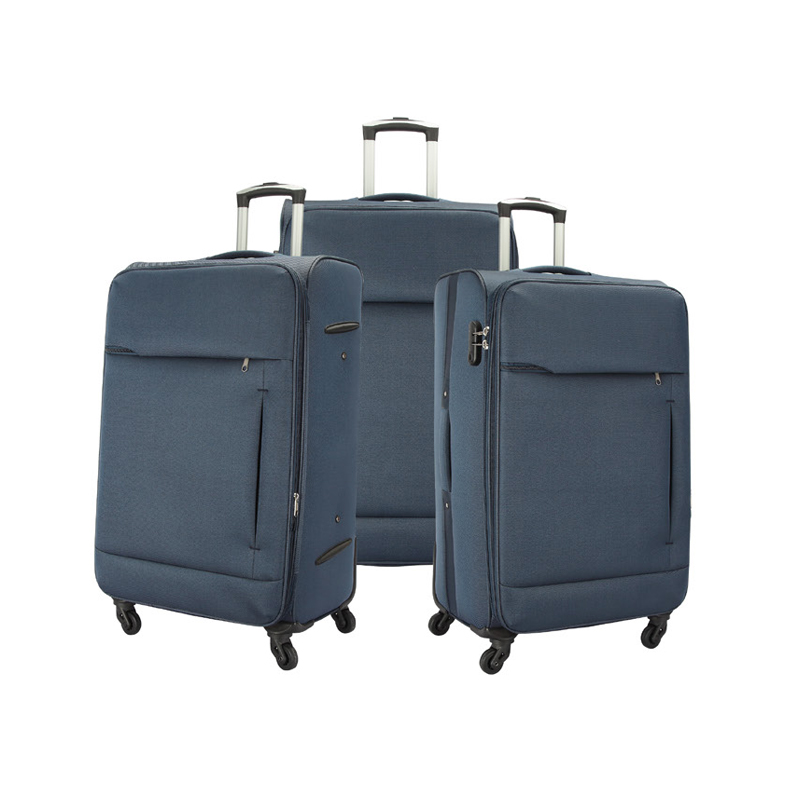
Material:600 Polyester
Size:20"24"28"32"
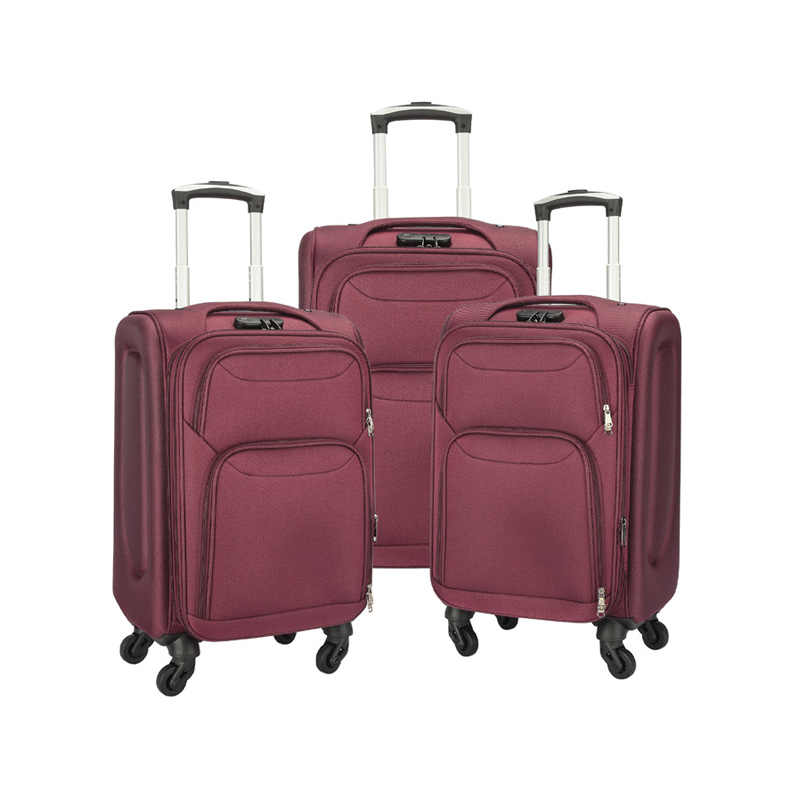
Material:600 Polyester
Size:20"24"28"32"
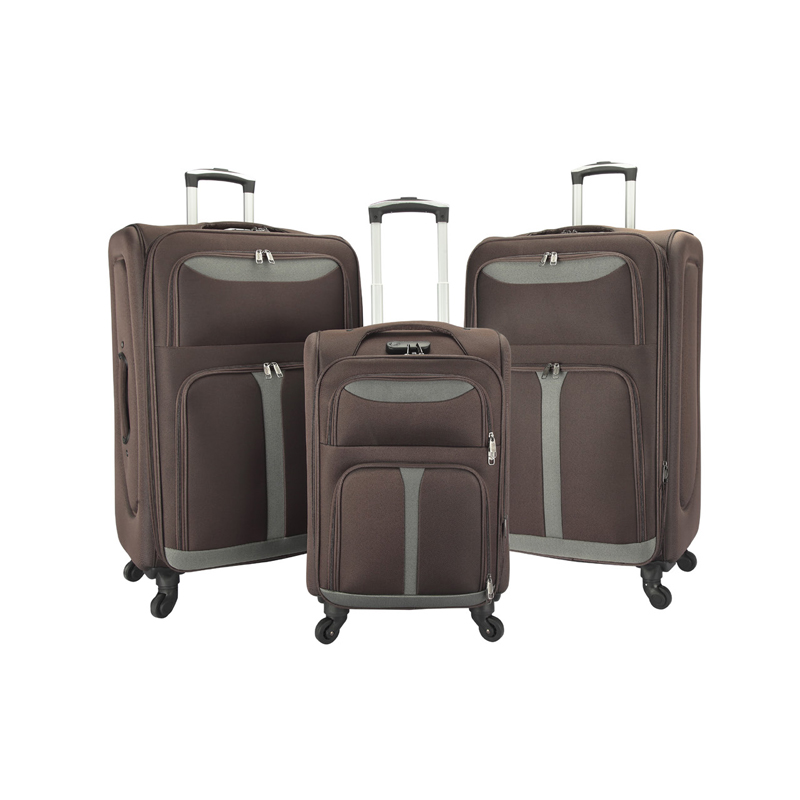
Material:600 Polyester
Size:20"24"28"32"
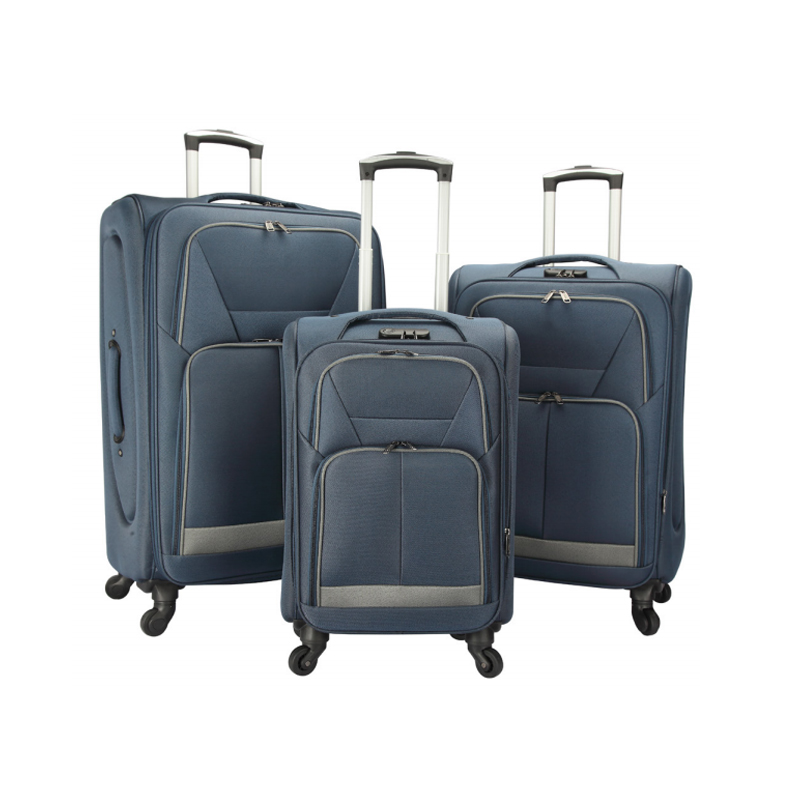
Material:600 Polyester
Size:20"24"28"32"
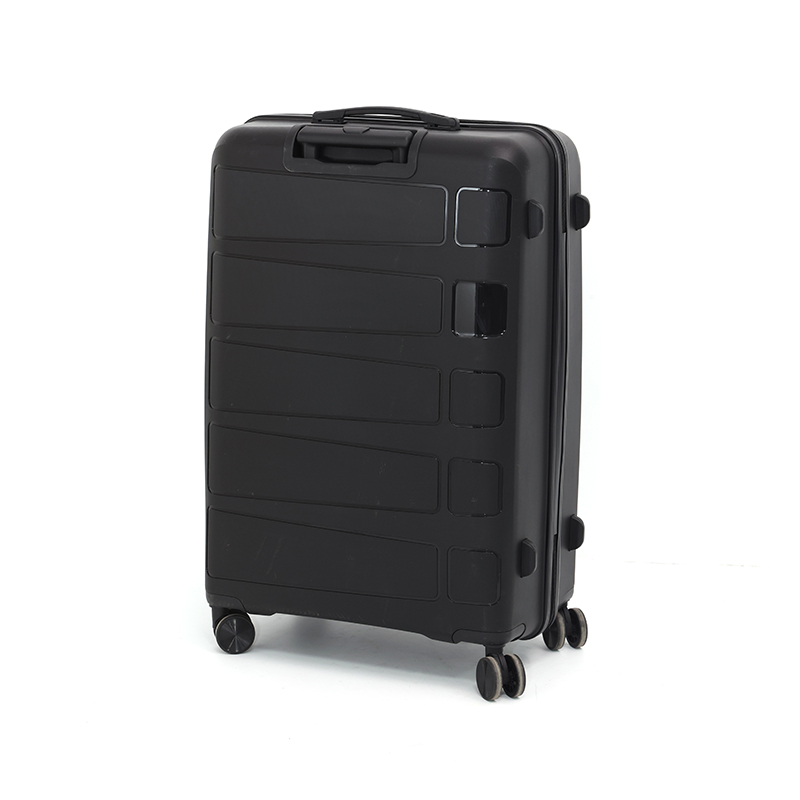
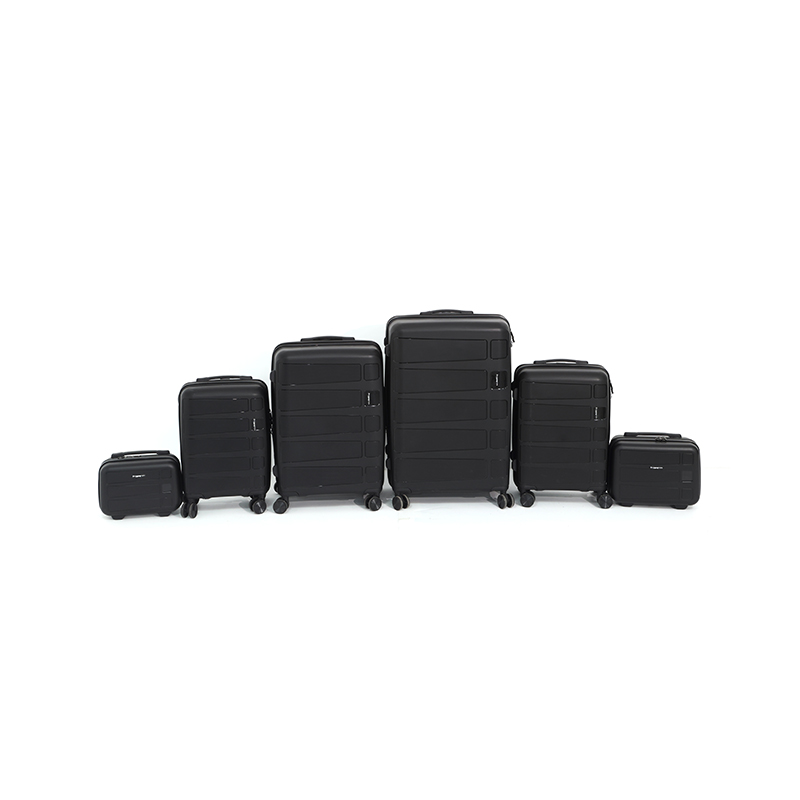
Size:12/14/18/20/24/28
31*21.5*14.5cm
33*25*16.5cm
50*33*20cm
53.5*35.5*23cm
63.5*42.5*27.5cm
73.5*49.5*30.5cm
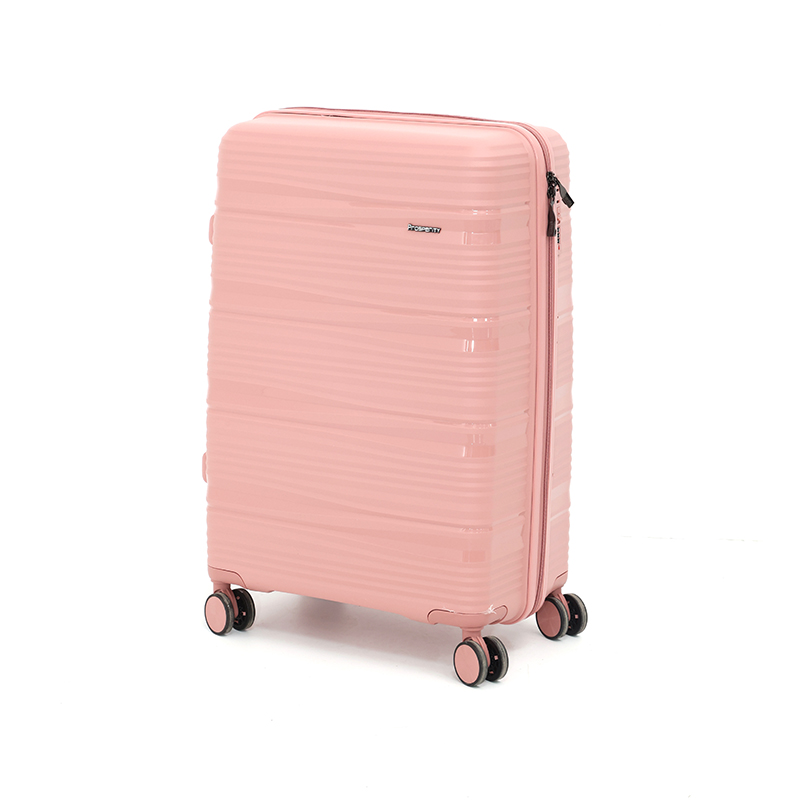
Size:14/18/22/26/30
33*25*16.5cm
50*33*20cm
59*38.5*24.5cm
68.5*44.5*29cm
78*51.5*34cm
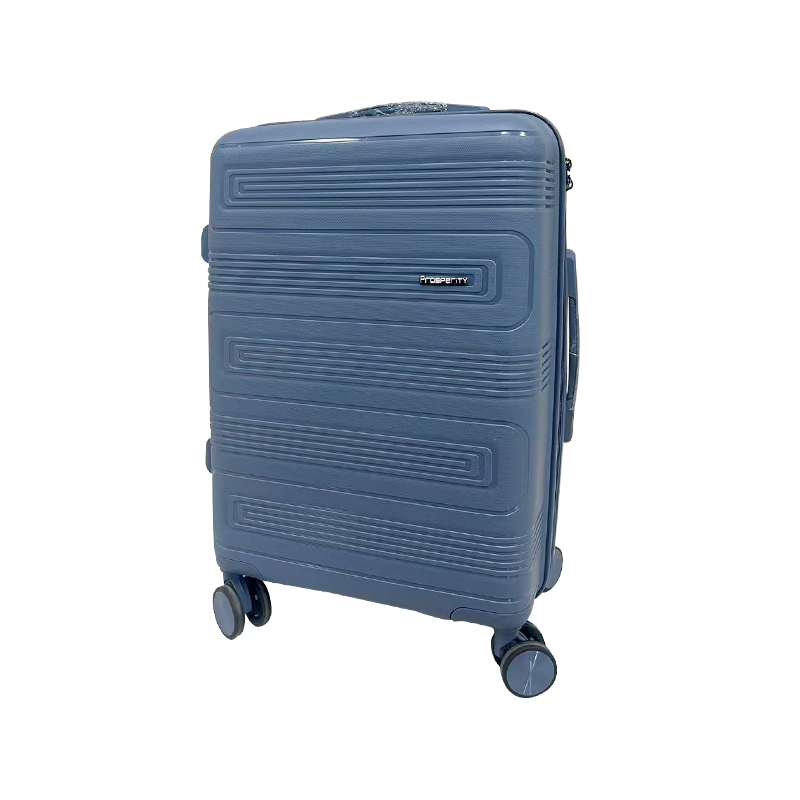
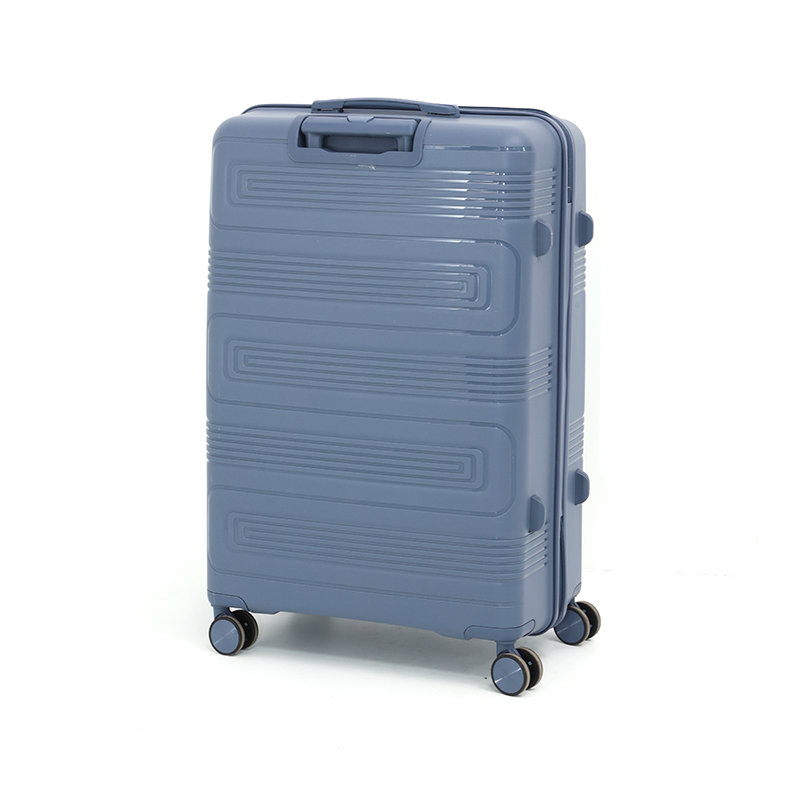
Size:15/21/25/29
37*26.5*18cm
56.5*37.5*23.5cm
65.5*43.5*28cm
76*50.5*31cm
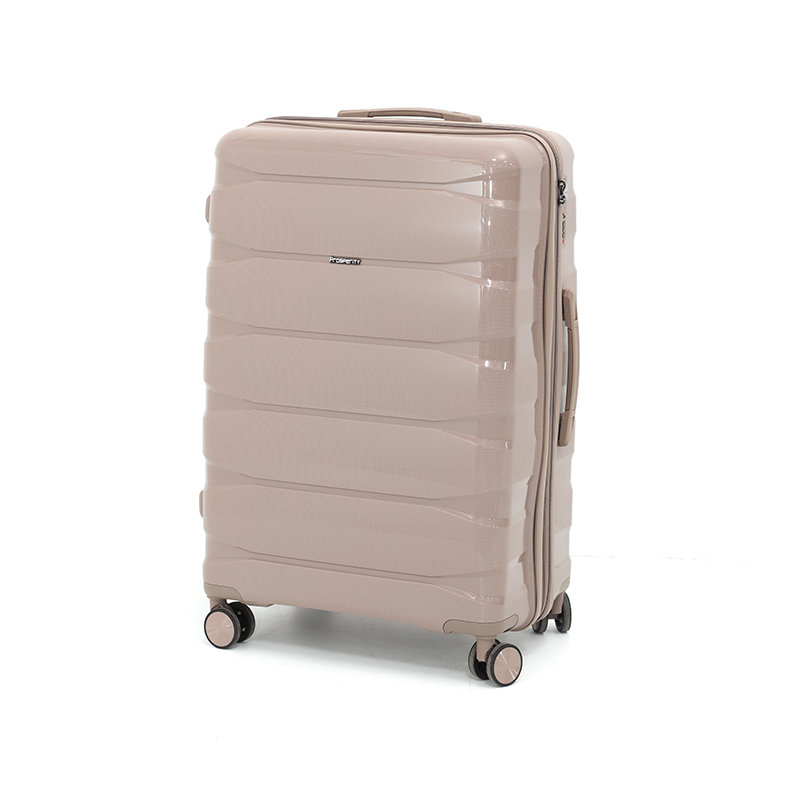
Size:13/19/23/27
32*22.5*16cm
52*34*21cm
61*40.5*26cm
70.5*46.5*29.5cm
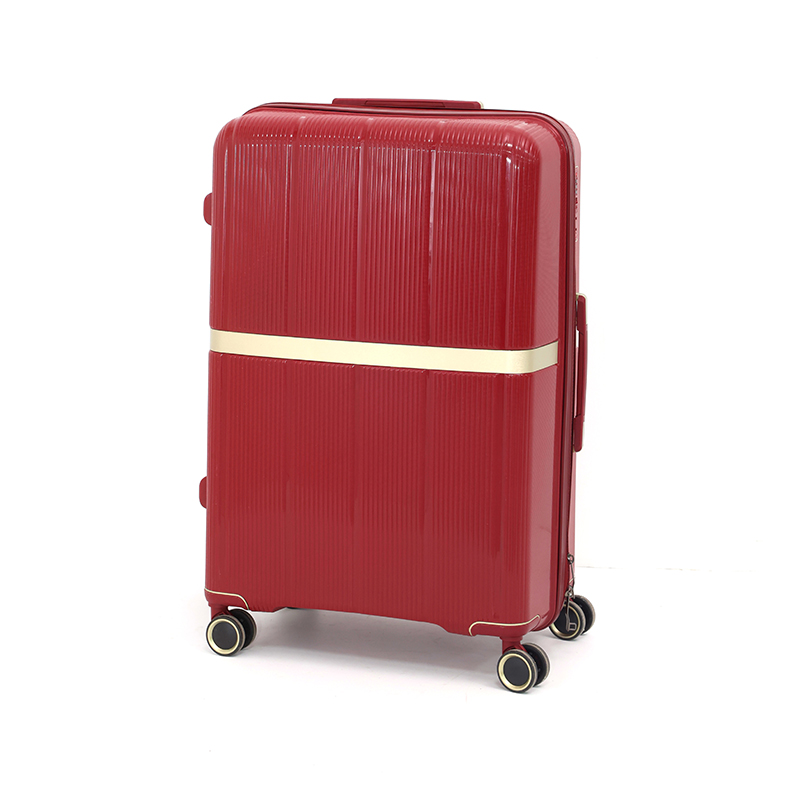
Size:14/18/20/24/28
33*25*16.5cm
50*33*20cm
53.5*35.5*23cm
63.5*42.5*27.5cm
73.5*49.5*30.5cm
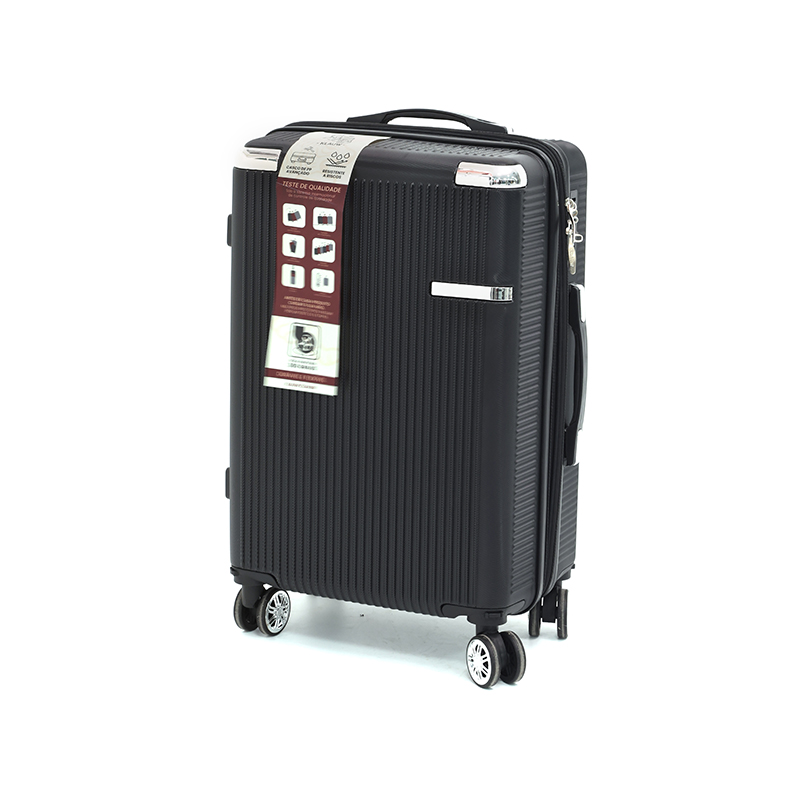
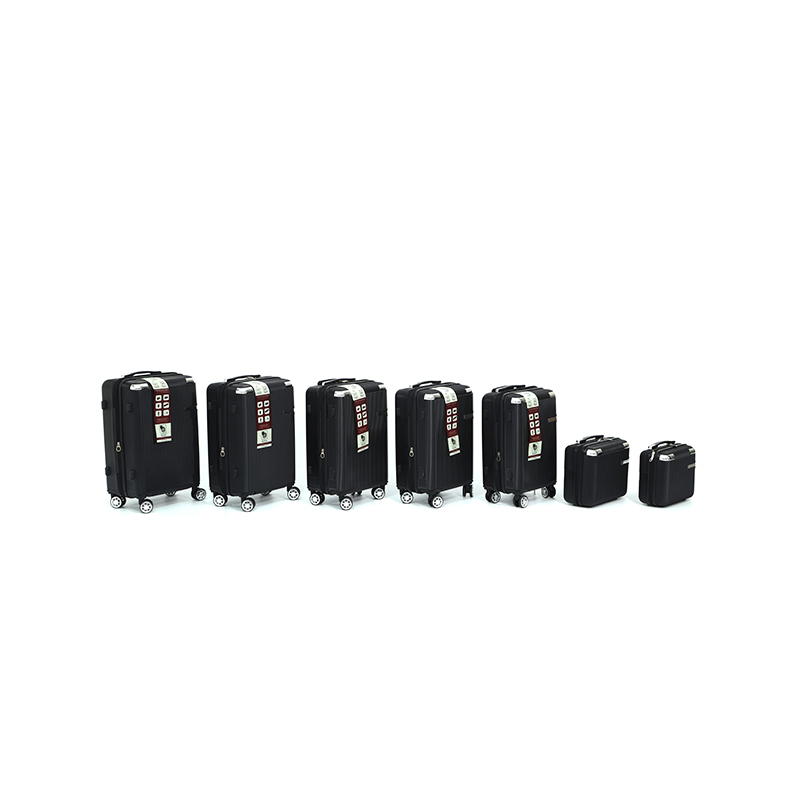
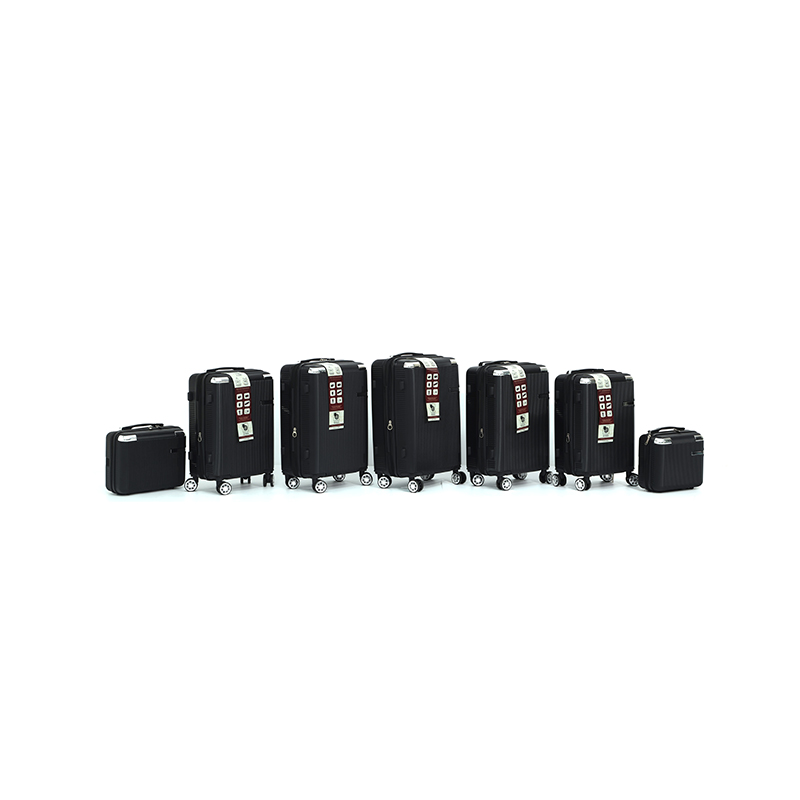
Size:12/14/18/19/20/21/22
Dimension:
31x26x15cm
35x30x16.5cm
52x35x23cm
53.5x35x25cm
56x36x25.5cm
58x38x26.5cm
60x39x28cm
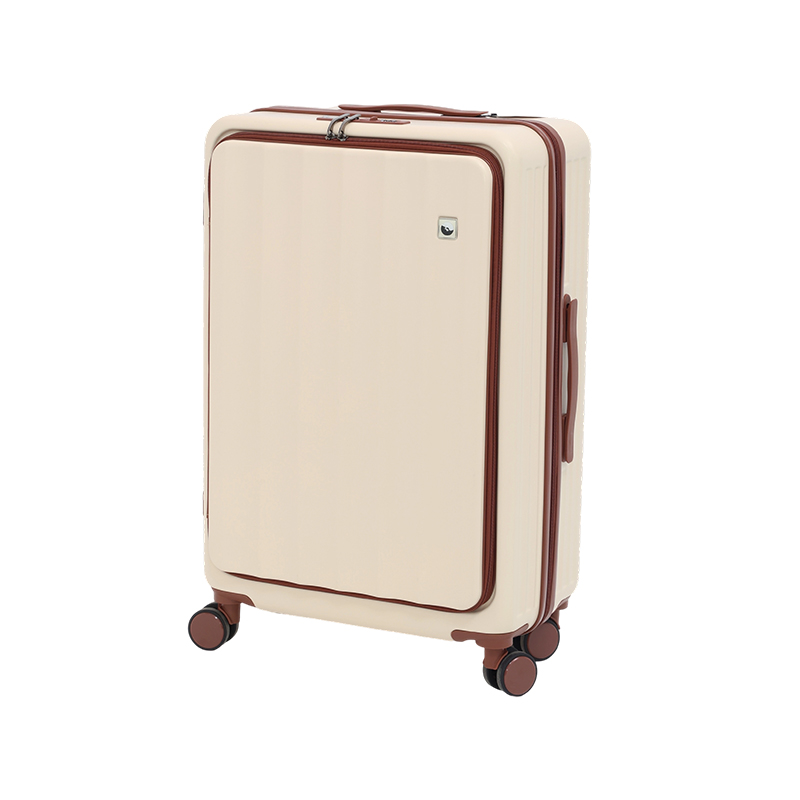
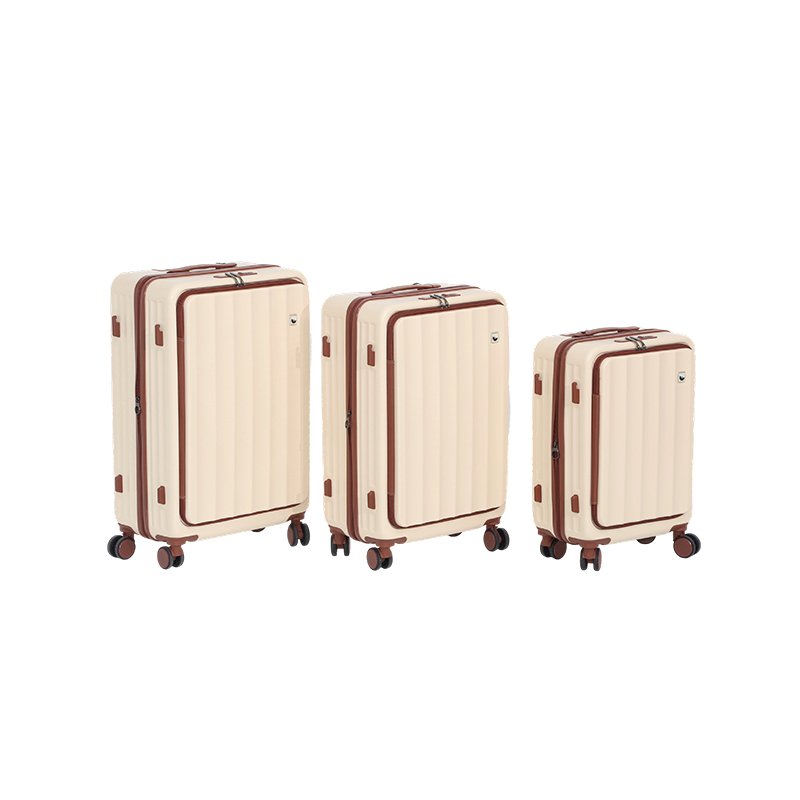
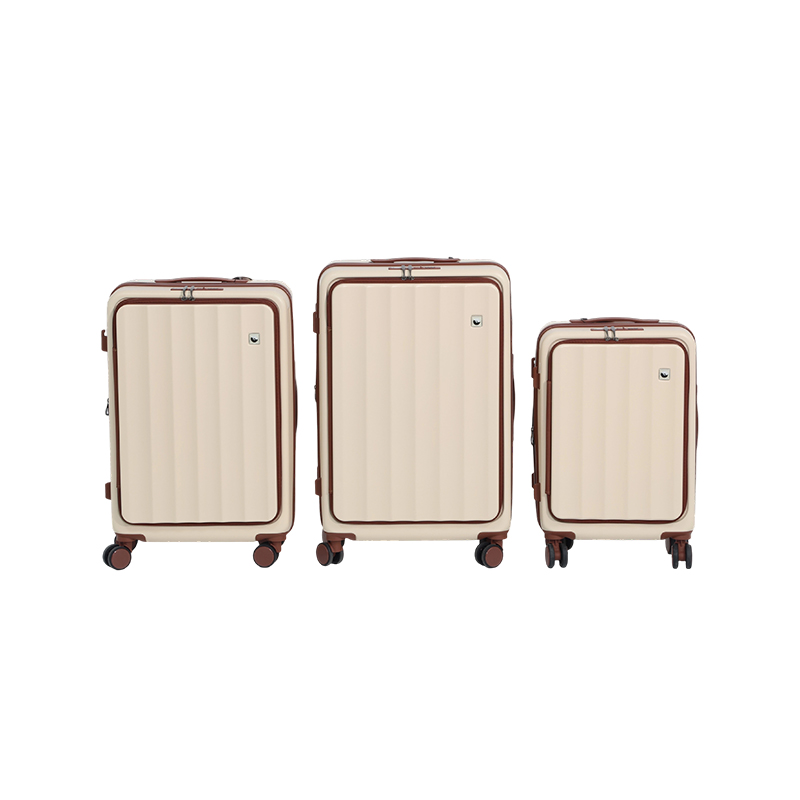
Size:20/24/28
55*35.5*23.5cm
64.5*42.5*26cm
69*45*27.5cm
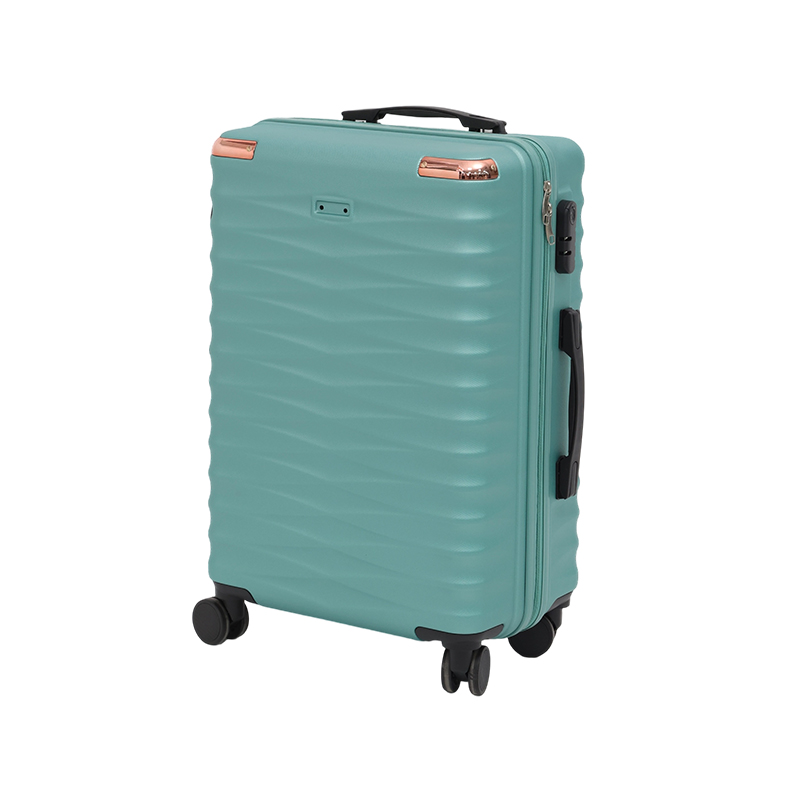
Size:19.5/23.5/27.5
19.5size:53.5×34×21cm/2.41kg
23.5size:61×39×25.5cm/3kg
27.5size:70.5×46×30cm/3.8kg
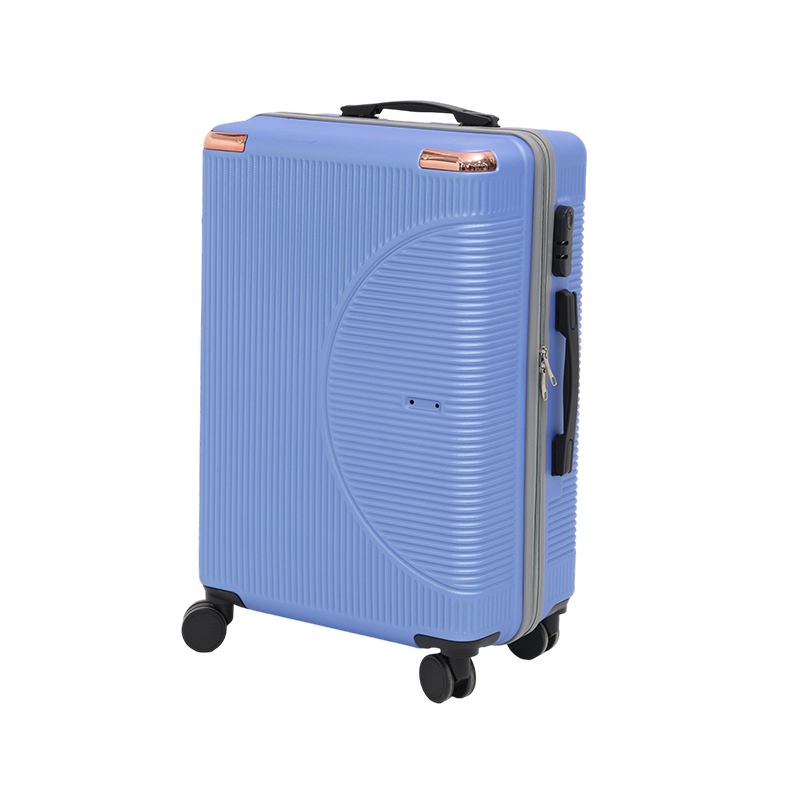
Size:20.5/24.5/28.5
20.5size:56.5×35×22cm/2.62kg
24.5size:64×41.5×27cm/3.35kg
28.5size:74.5×48×32.5cm/4.25kg
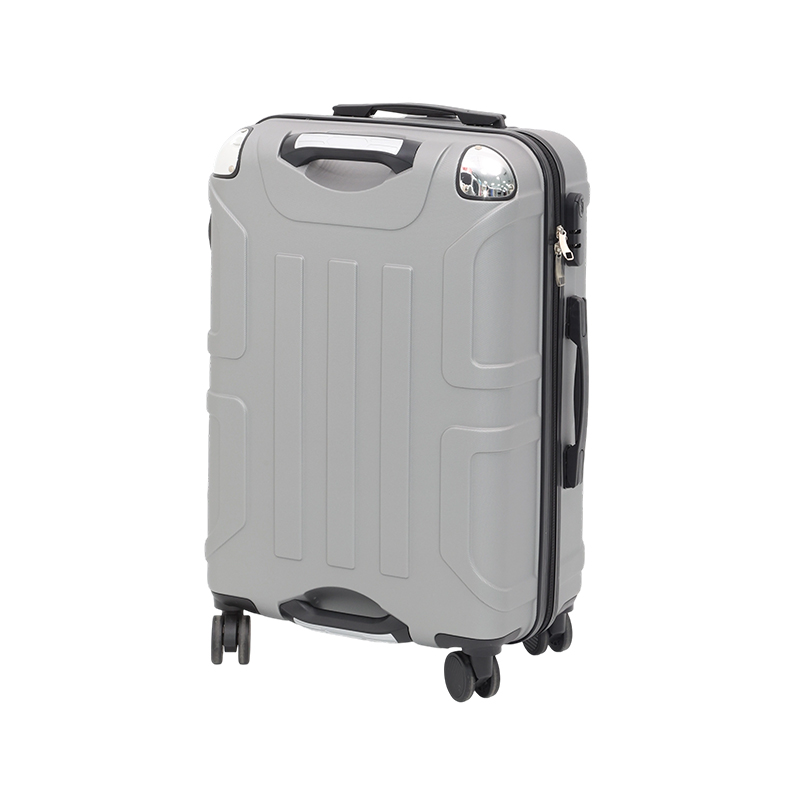
Size:19/23/27
19size: 54.5x34x21.5cm
23size: 62x39.5x25.5cm
27size: 71x46x29.5cm
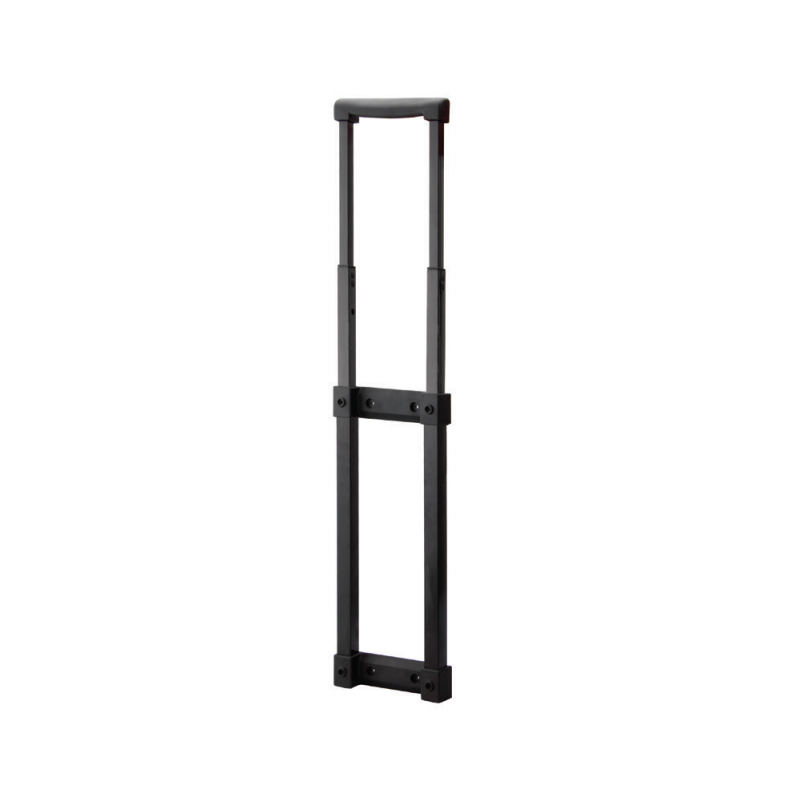
Model: LG-008
Sections: 2/3 sections
Small tube: 13×13mm
Middle tube: 16.5×16.5mm
Outer tube: 20×20mm
Outer tube: Iron tube
Inner tube: Iron tube
L: Specified length
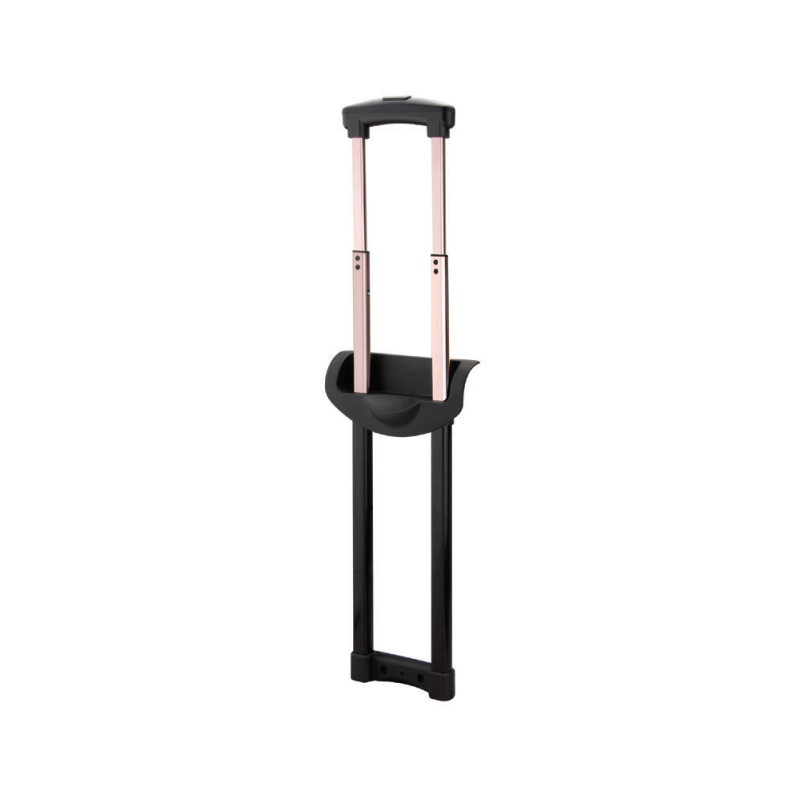
Model: LG-015B
Sections: 2/3 sections
Small tube: 12×18mm
Middle tube:17×23mm
Outer tube: 21×27mm
Outer tube: Iron tube
Inner tube: Aluminium tube, iron tube
L: Specified length
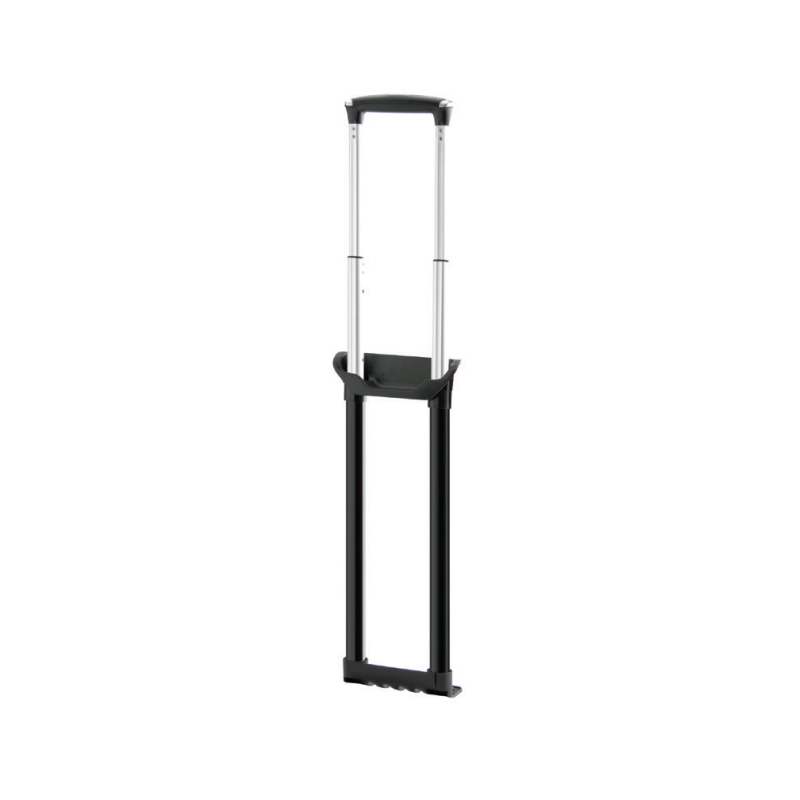
Model: LG-041
Number of sections: 2/3 sections
Small tube: 13×20.3mm
Middle tube:17.5×24.5mm
Outer tube: 21.5×28.5mm
Outer tube: Iron tube, Aluminium tube
Inner tube: Aluminium tube
L: Specified length
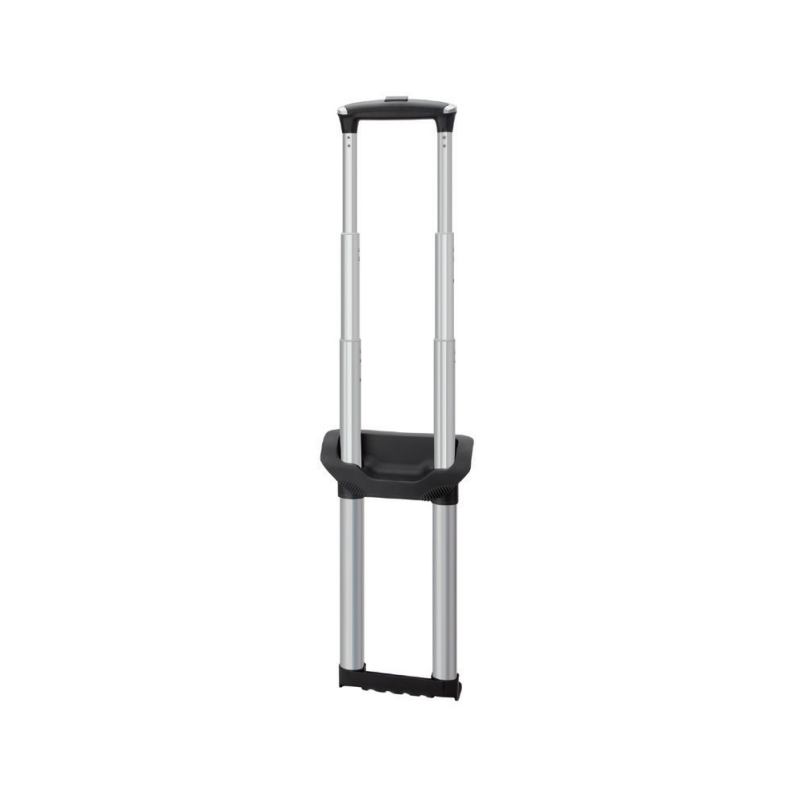
Model: LG-069
Number of sections: 4 sections
Small tube: 13×20.3mm
Middle tube:17.5×24.5mm
Outer tube: 19.5×27.5mm
Outer tube: 25.1×33.3mm
Outer tube: Iron tube
Inner tube: Aluminium tube
L: Specified length
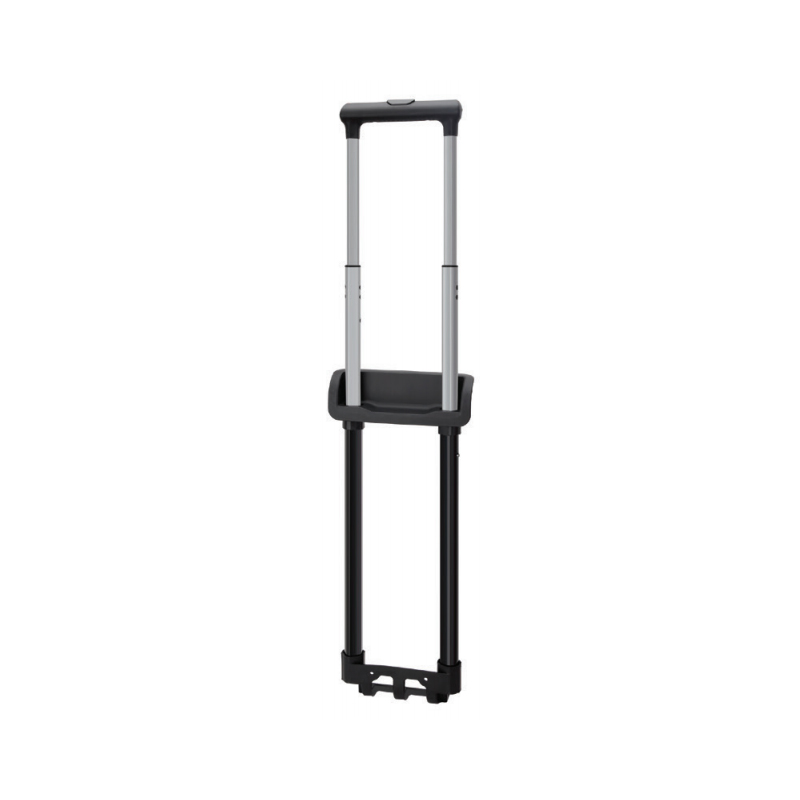
Model: LG-072
Number of sections: 2/3 sections
Small tube: 12×17.4mm
Middle tube:16.3×21.1mm
Outer tube: 21.2×25.1mm
Outer tube: Iron tube
Inner tube: Iron tube, Aluminium tube
L: Specified length
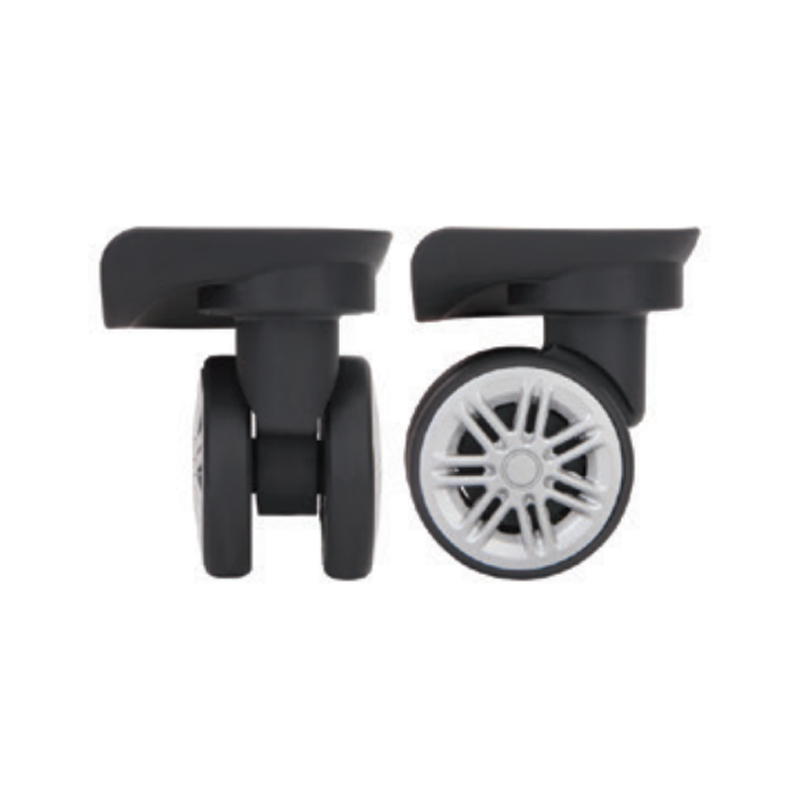
Model: Y-035-7-11
Specification: O: 50

