


 English
 中文简体
 русский
 Español
 عربى

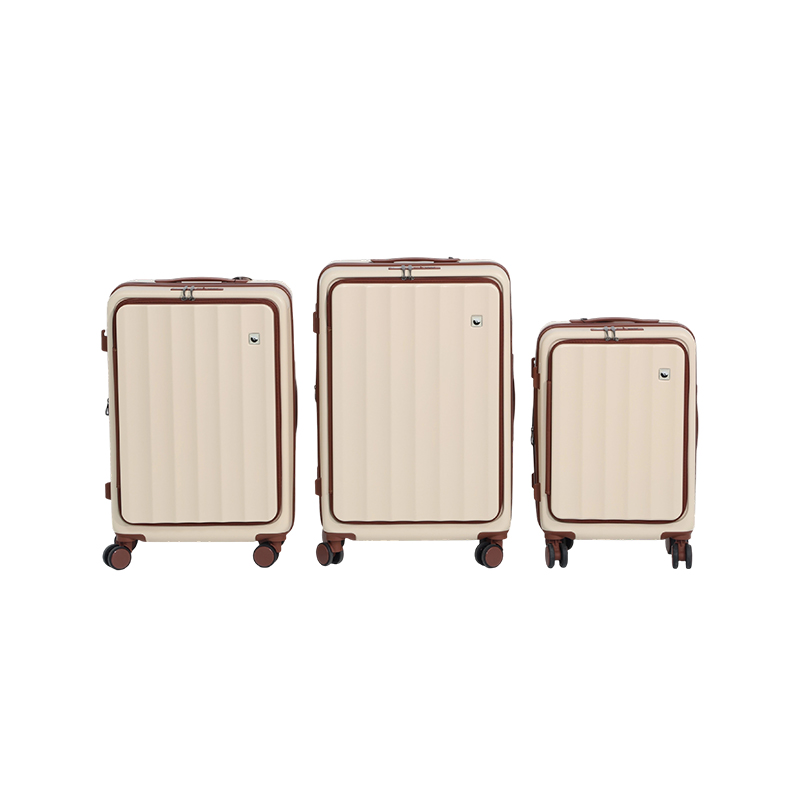
H-016 Ethylene-Vinyl Acetate Fabric Suitcase
Material:600 Polyester
Size:20"24"28"32"




Travel habits are changing, and luggage design is adapting to different journey lengths and transportation needs. For business travelers, weekend visitors, and frequent commuters, a compact suitcase can make moving between airports, train stations, hotels, and meeting locations more convenient. A Lightweight Carry-On Suitcase addresses this demand by combining manageable weight, organized storage, and a compact exterior design.
The weight of an empty suitcase affects how much luggage travelers can carry during a trip. A heavy case takes up part of the permitted baggage allowance before any personal belongings are packed. A lighter structure provides more flexibility for carrying clothing, electronic devices, documents, and travel accessories.
However, reducing weight does not simply mean making every component smaller or thinner. Manufacturers need to consider how the shell, frame, handle, and wheel assembly work together. The goal is to create a practical structure that supports regular travel while keeping the overall product manageable.
A Lightweight Carry-On Suitcase is particularly suitable for short business trips and weekend journeys, where travelers often prefer to keep essential belongings within easy reach.
The outer shell plays an important role in determining a suitcase's weight, appearance, and overall construction. Different materials offer different characteristics, allowing manufacturers to develop products for various market segments.
Polycarbonate is commonly used in lightweight luggage because it combines flexibility with impact resistance. ABS is another material used in suitcase manufacturing, offering a rigid shell structure and different surface styling possibilities. Some luggage designs combine materials to achieve specific weight, appearance, and structural requirements.
Fabric suitcases provide another approach. Polyester and nylon are frequently used for soft-sided luggage, with additional exterior pockets and flexible storage areas. Compared with hard-shell designs, fabric models often provide more flexibility in their exterior structure.
Mobility is another important part of carry-on luggage design. Most modern suitcases use either two-wheel or four-wheel configurations.
Two-wheel designs typically move by tilting and pulling the suitcase, making them suitable for different walking surfaces. Four-wheel spinner systems allow movement in multiple directions, which can be useful in airport terminals, hotel corridors, and other indoor spaces.
The telescopic handle also affects the overall travel experience. Its height adjustment, grip shape, and connection to the suitcase body should match the product's dimensions. Top and side carry handles provide additional ways to lift the case when placing it in storage areas or moving it through crowded spaces.
For a Lightweight Carry-On Suitcase, coordinating the wheel assembly and handle structure helps maintain a balanced design without adding unnecessary bulk.
Carry-on luggage serves several market segments. Business travelers often prefer compact designs with organized compartments for clothing, laptops, and documents. Leisure travelers may focus on interior capacity, exterior appearance, and easy mobility.
Online luggage retailers can offer different colors, shell textures, and interior layouts to appeal to various customer groups. Travel product distributors may also develop coordinated collections featuring carry-on cases, checked luggage, and matching travel accessories.
A Lightweight Carry-On Suitcase can also be customized for corporate gifting and private-label programs. Logo placement, exterior colors, lining patterns, zipper details, and packaging provide opportunities for brand differentiation.
Successful luggage design depends on how different components work as a complete product. Shell materials influence weight and appearance, interior compartments support organization, and wheels and handles determine how the suitcase moves.
A Lightweight Carry-On Suitcase brings these elements together in a compact format suited to short journeys and frequent travel. For manufacturers, it offers opportunities to develop different material combinations and functional layouts. For overseas buyers, understanding these design features helps identify products that match their target customers and luggage collection strategies.
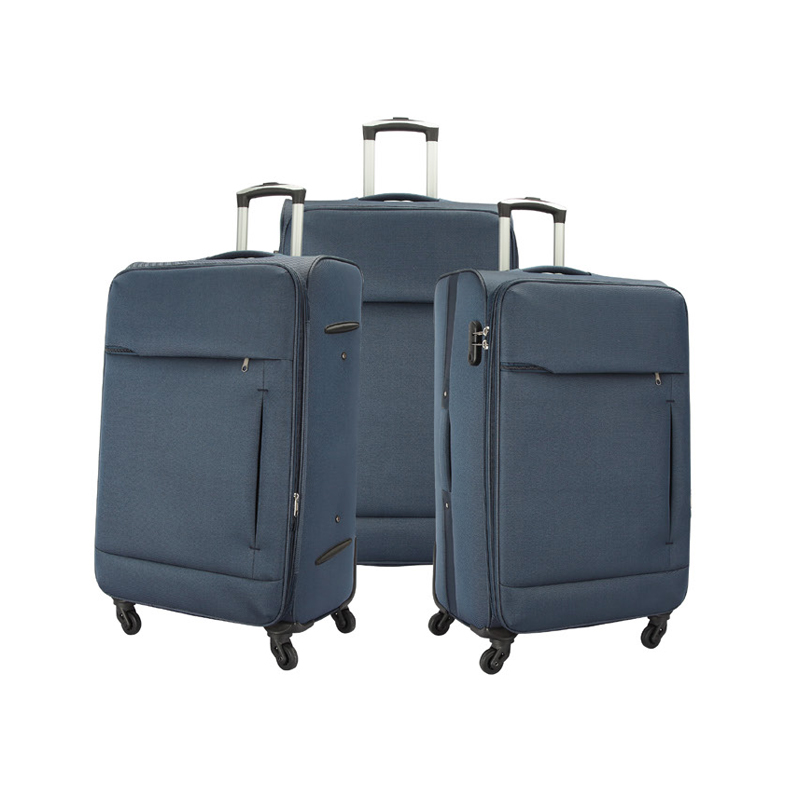
Material:600 Polyester
Size:20"24"28"32"
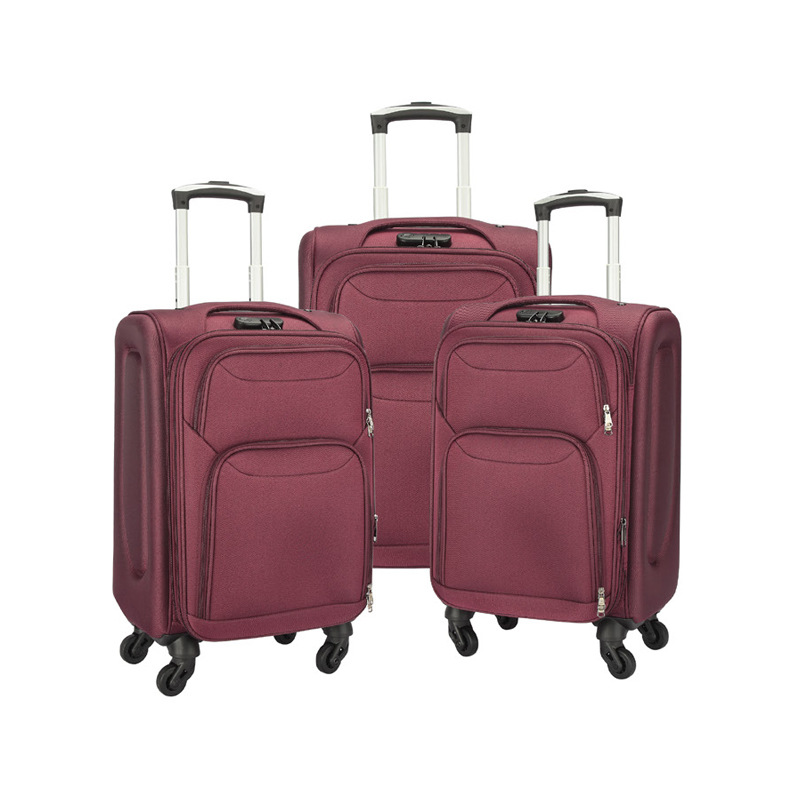
Material:600 Polyester
Size:20"24"28"32"
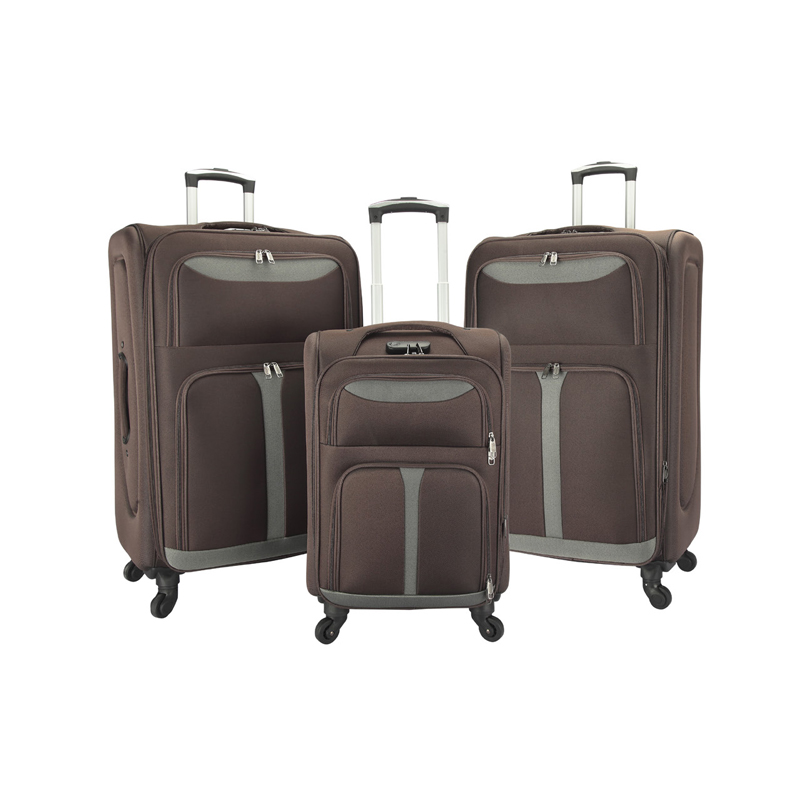
Material:600 Polyester
Size:20"24"28"32"
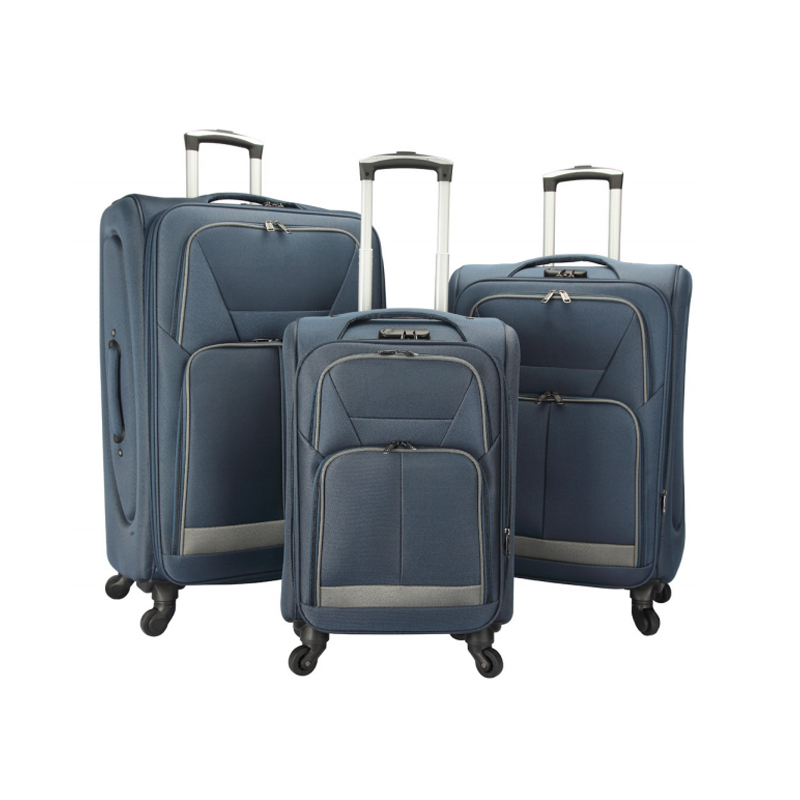
Material:600 Polyester
Size:20"24"28"32"
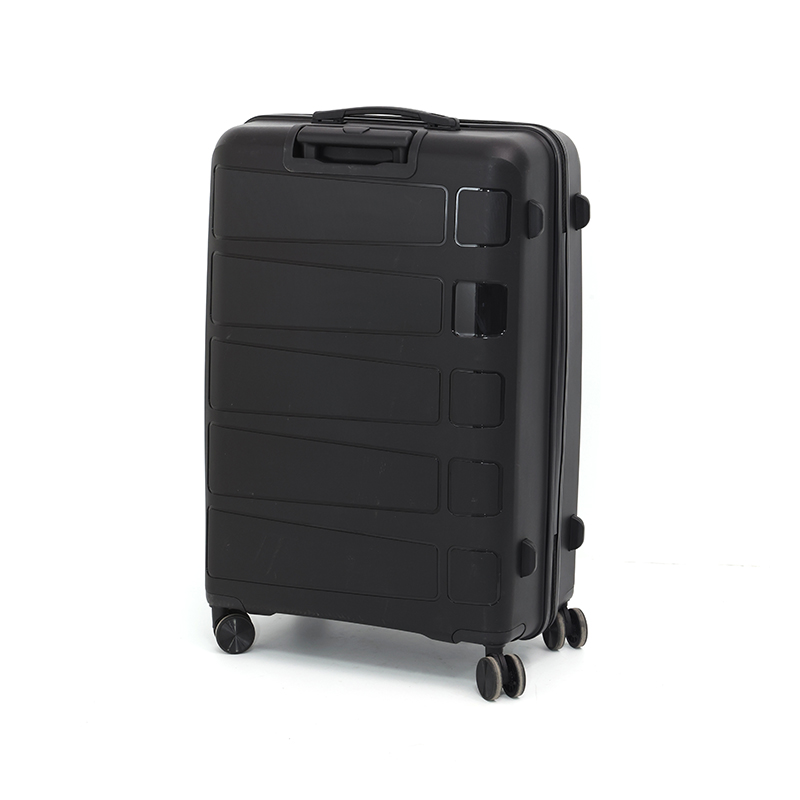
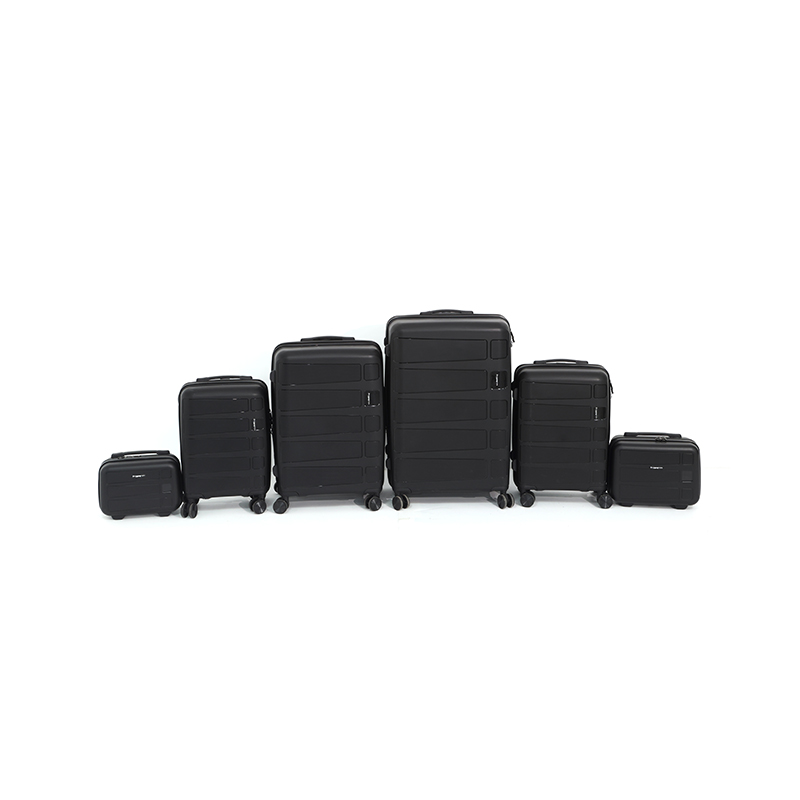
Size:12/14/18/20/24/28
31*21.5*14.5cm
33*25*16.5cm
50*33*20cm
53.5*35.5*23cm
63.5*42.5*27.5cm
73.5*49.5*30.5cm
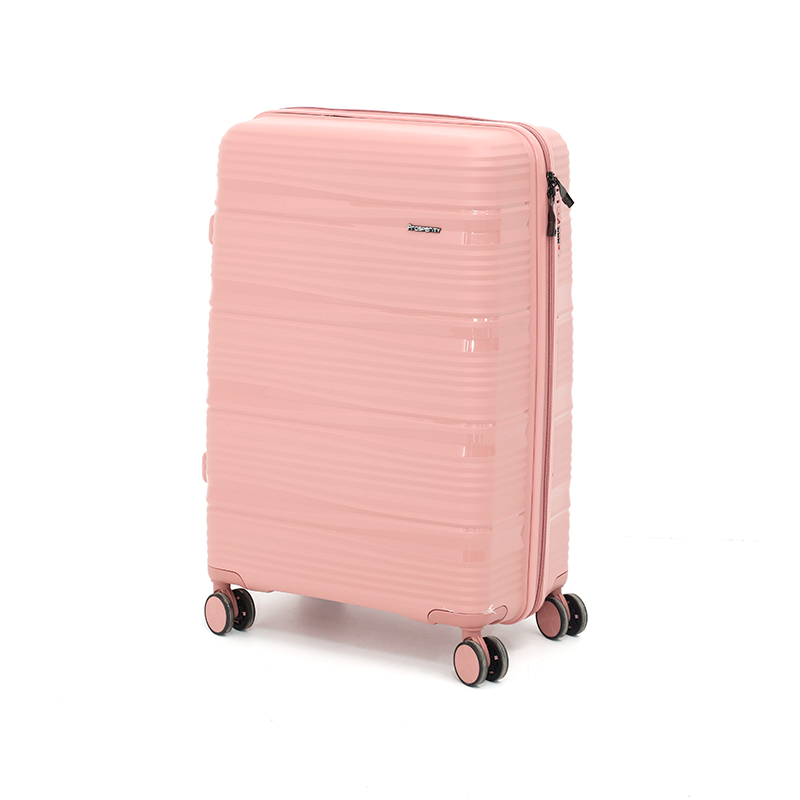
Size:14/18/22/26/30
33*25*16.5cm
50*33*20cm
59*38.5*24.5cm
68.5*44.5*29cm
78*51.5*34cm
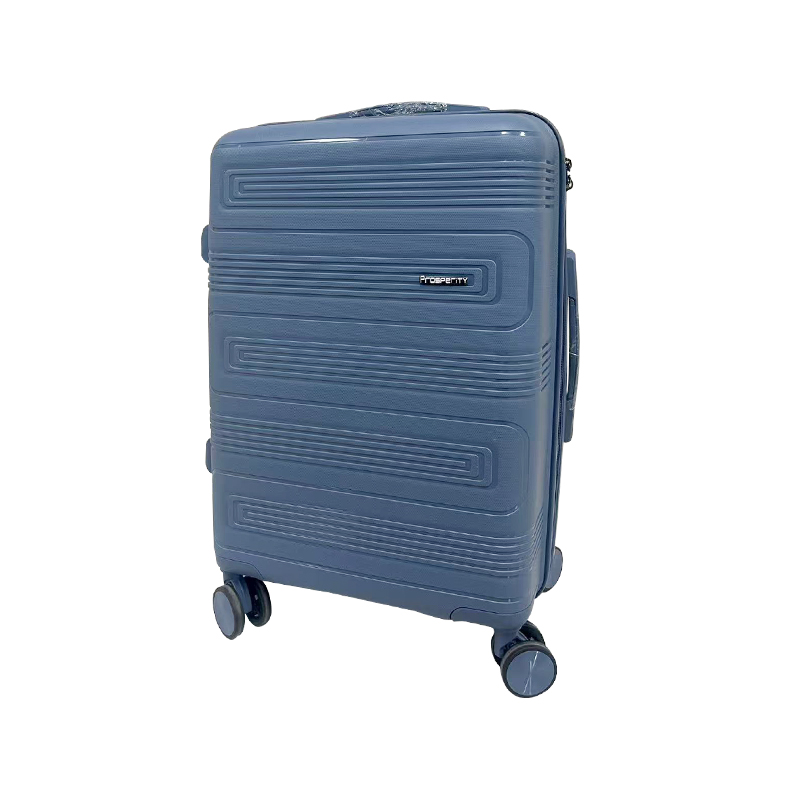
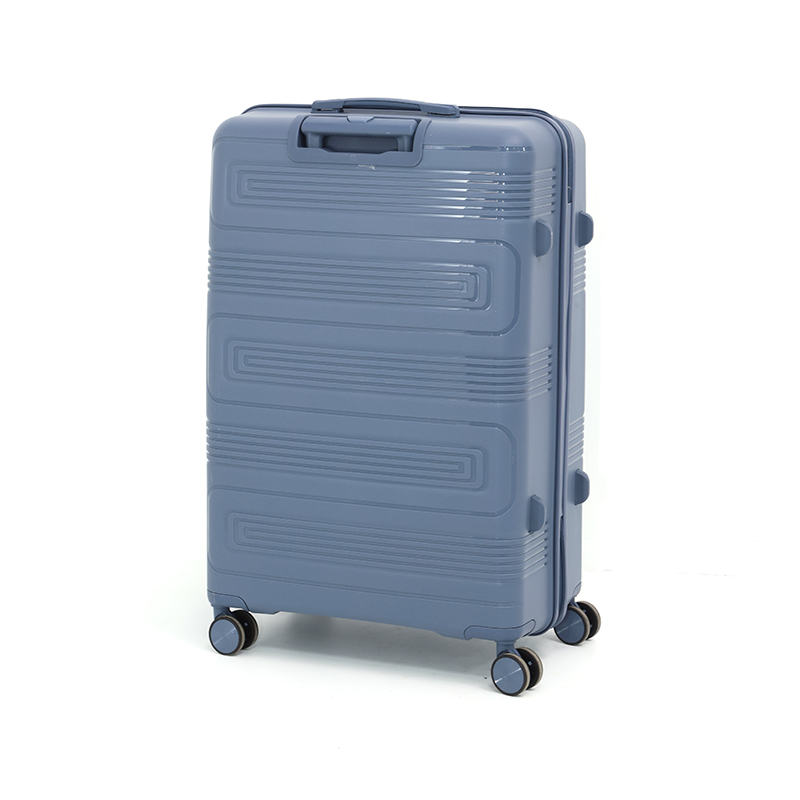
Size:15/21/25/29
37*26.5*18cm
56.5*37.5*23.5cm
65.5*43.5*28cm
76*50.5*31cm
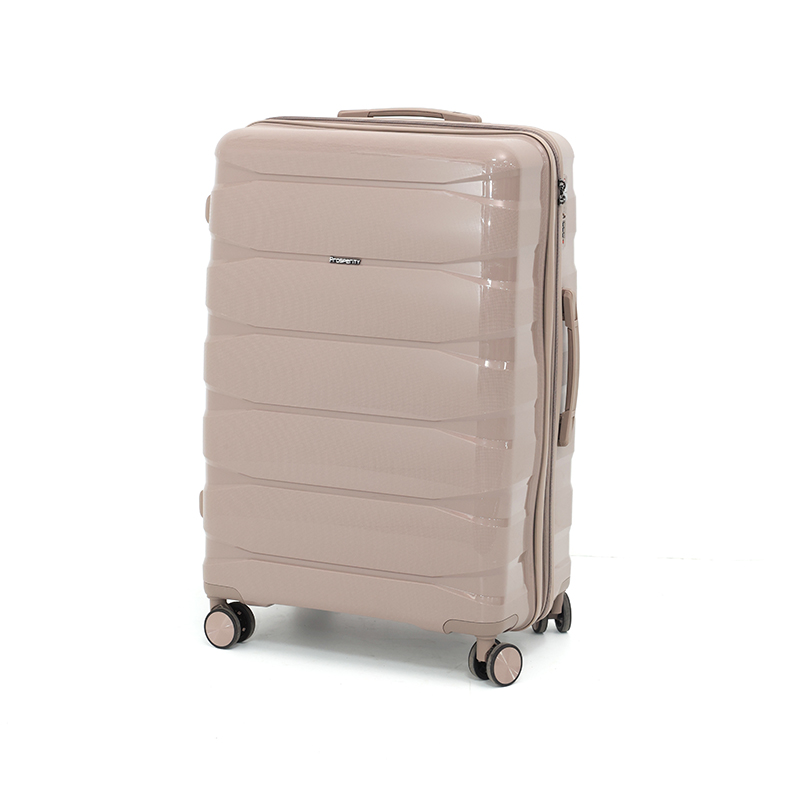
Size:13/19/23/27
32*22.5*16cm
52*34*21cm
61*40.5*26cm
70.5*46.5*29.5cm
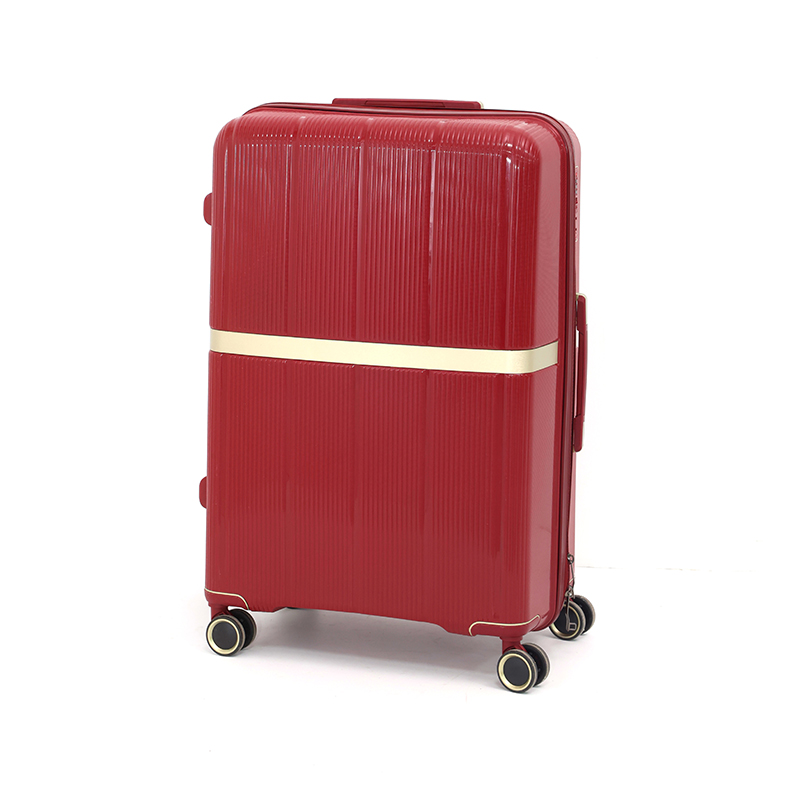
Size:14/18/20/24/28
33*25*16.5cm
50*33*20cm
53.5*35.5*23cm
63.5*42.5*27.5cm
73.5*49.5*30.5cm
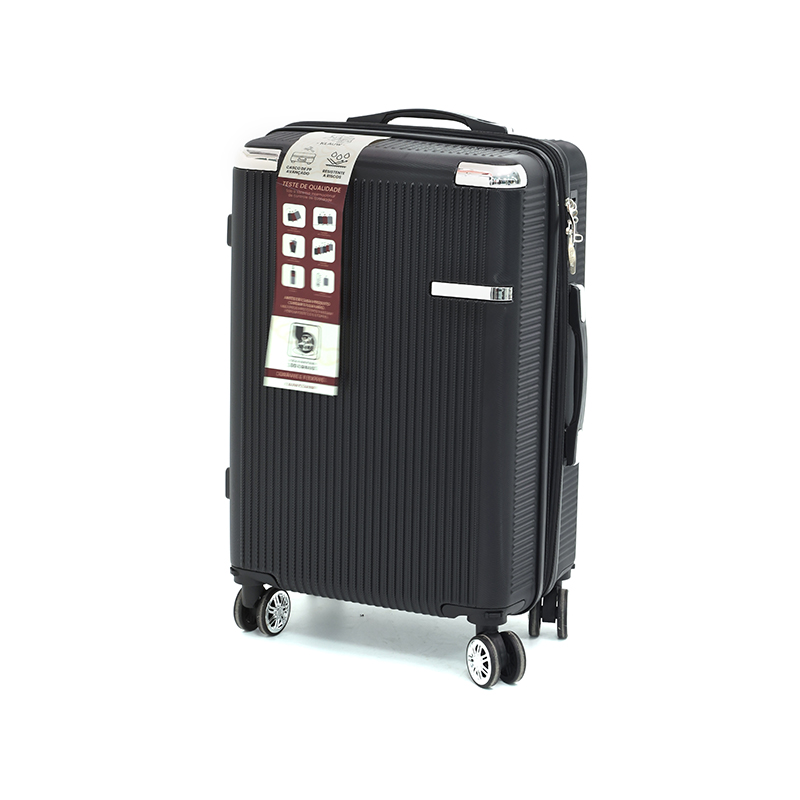
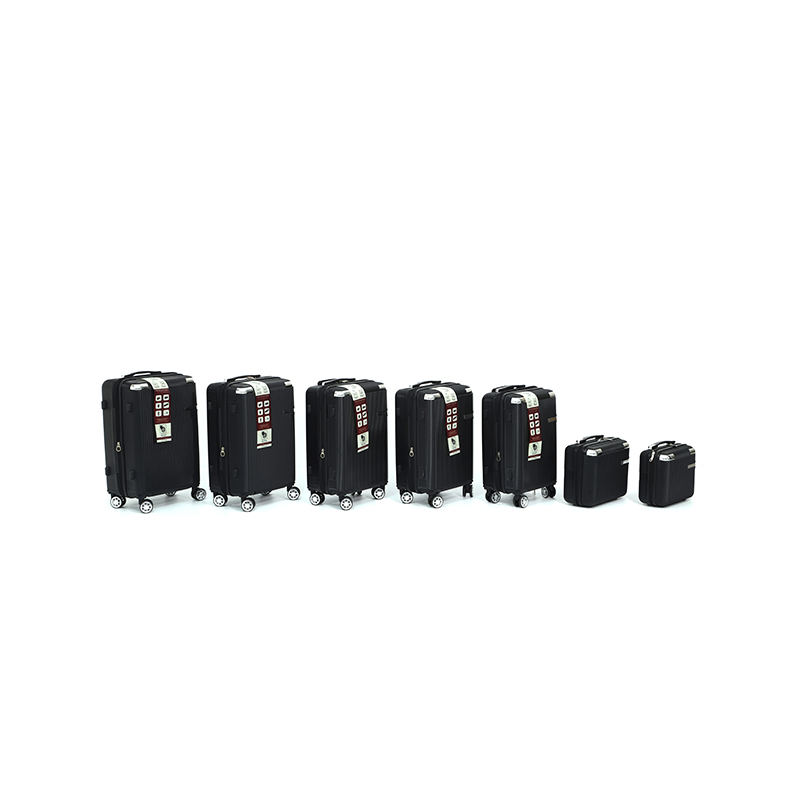
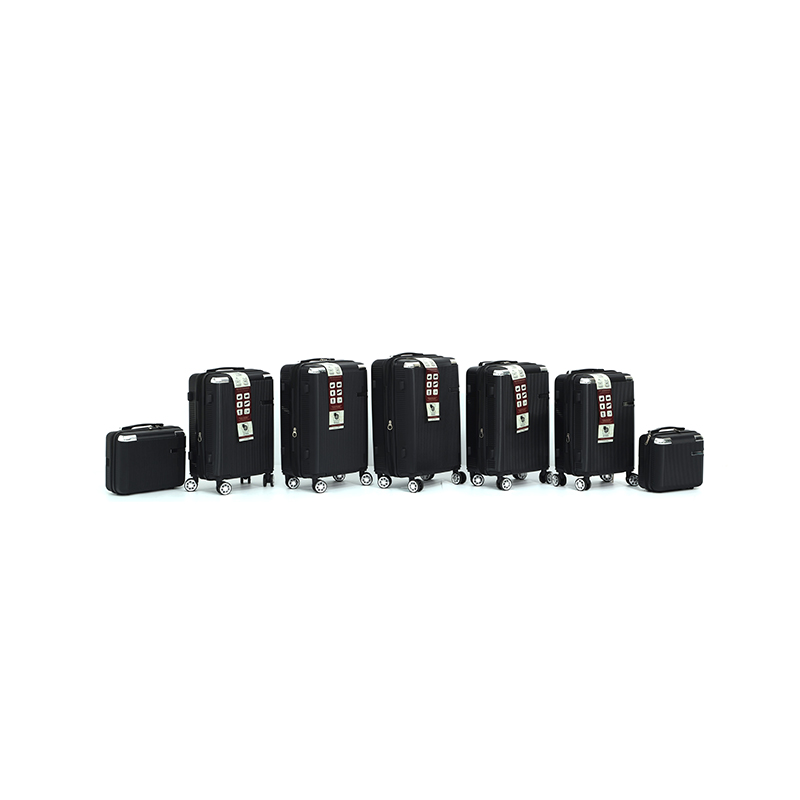
Size:12/14/18/19/20/21/22
Dimension:
31x26x15cm
35x30x16.5cm
52x35x23cm
53.5x35x25cm
56x36x25.5cm
58x38x26.5cm
60x39x28cm
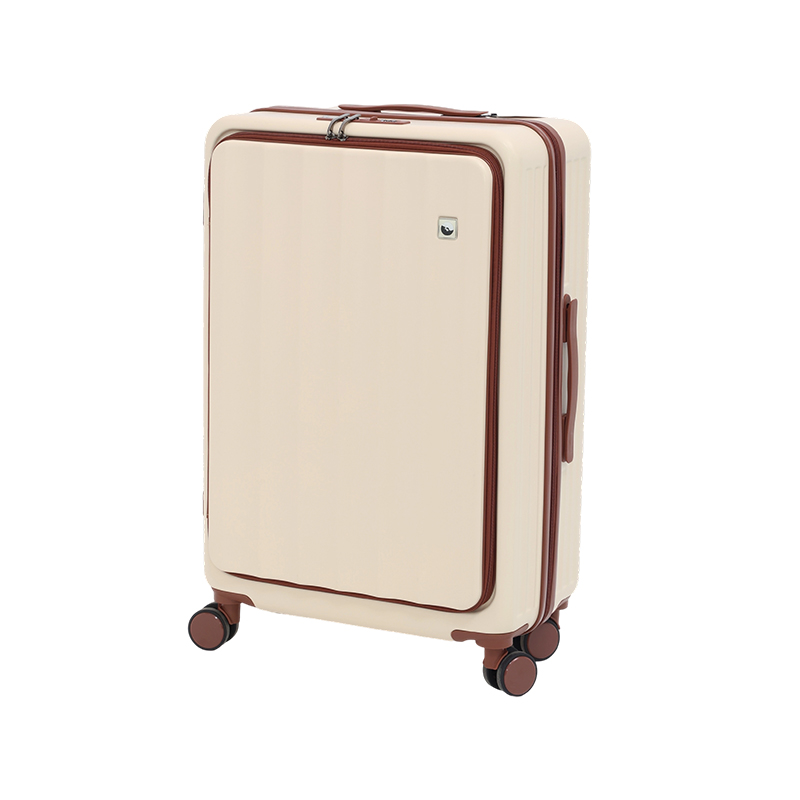
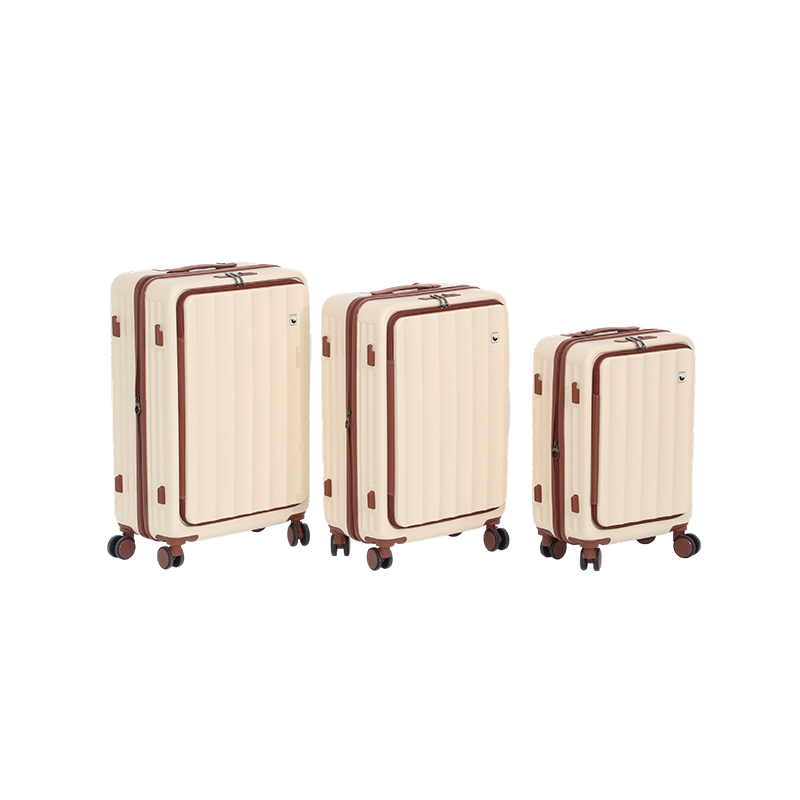
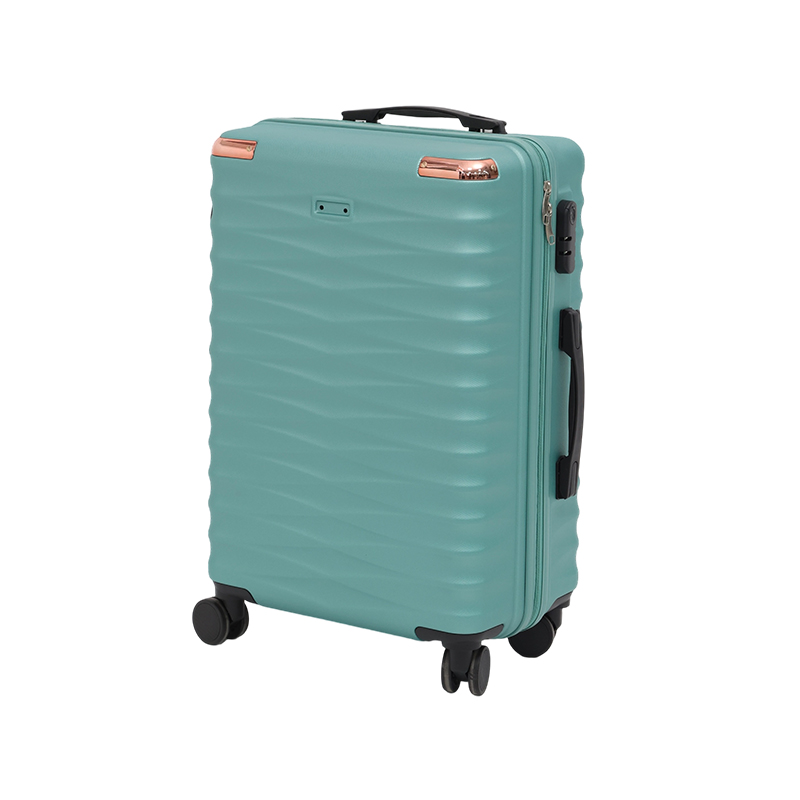
Size:20/24/28
55*35.5*23.5cm
64.5*42.5*26cm
69*45*27.5cm
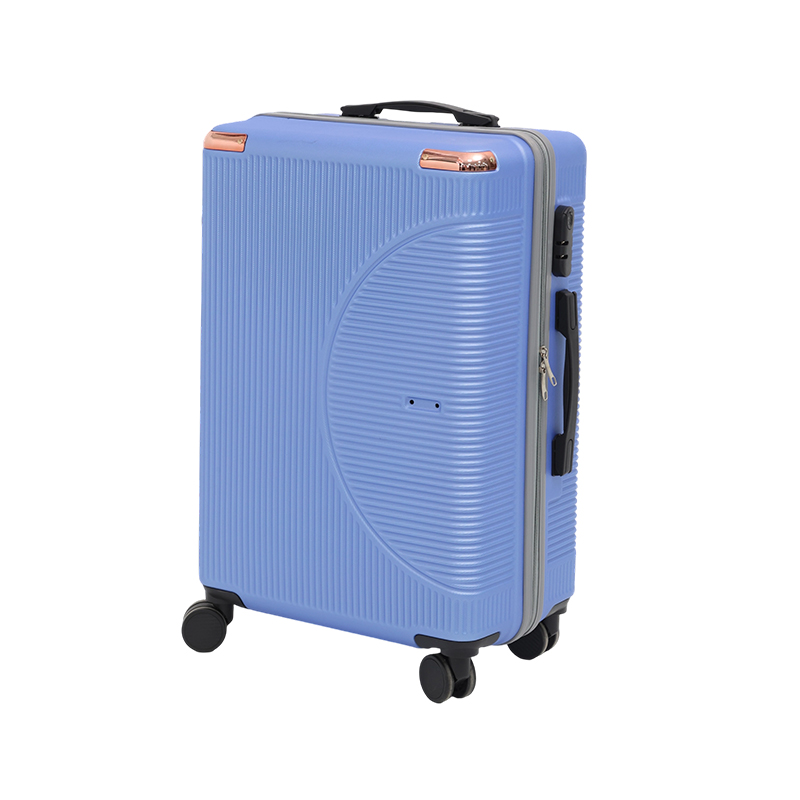
Size:19.5/23.5/27.5
19.5size:53.5×34×21cm/2.41kg
23.5size:61×39×25.5cm/3kg
27.5size:70.5×46×30cm/3.8kg
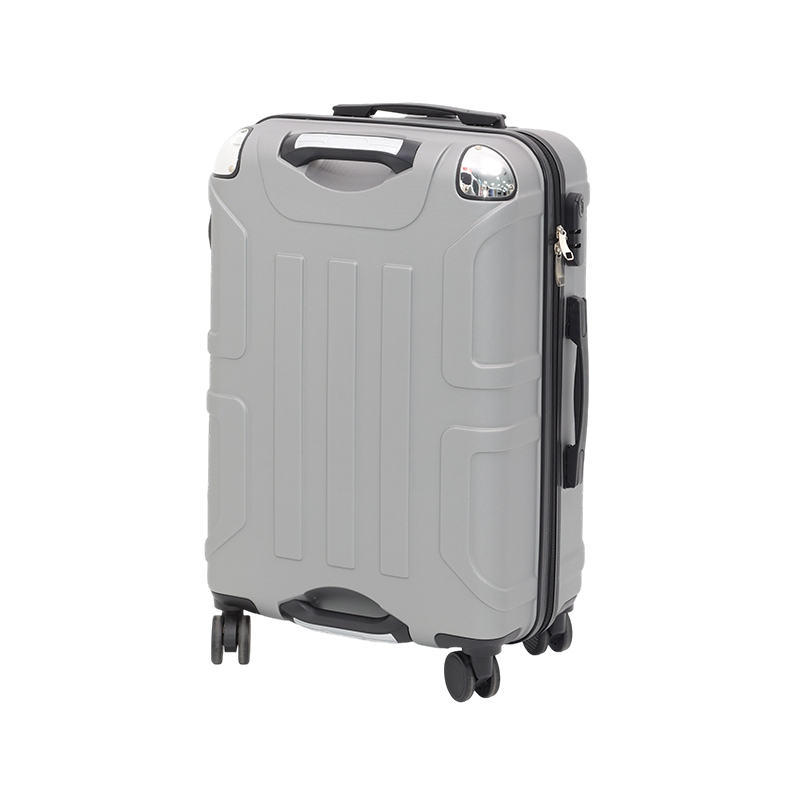
Size:20.5/24.5/28.5
20.5size:56.5×35×22cm/2.62kg
24.5size:64×41.5×27cm/3.35kg
28.5size:74.5×48×32.5cm/4.25kg
Size:19/23/27
19size: 54.5x34x21.5cm
23size: 62x39.5x25.5cm
27size: 71x46x29.5cm
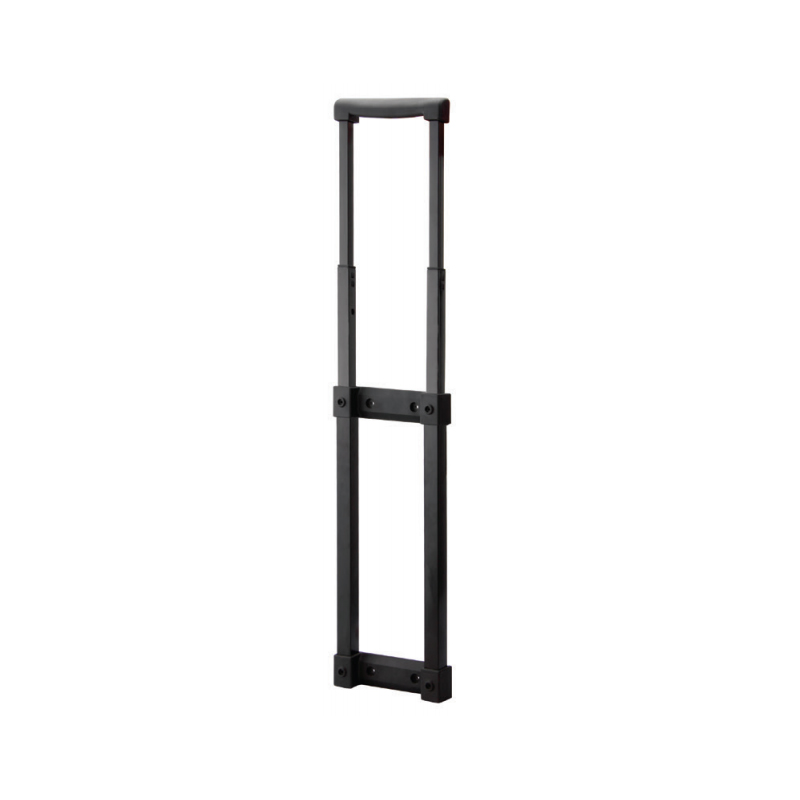
Model: LG-008
Sections: 2/3 sections
Small tube: 13×13mm
Middle tube: 16.5×16.5mm
Outer tube: 20×20mm
Outer tube: Iron tube
Inner tube: Iron tube
L: Specified length
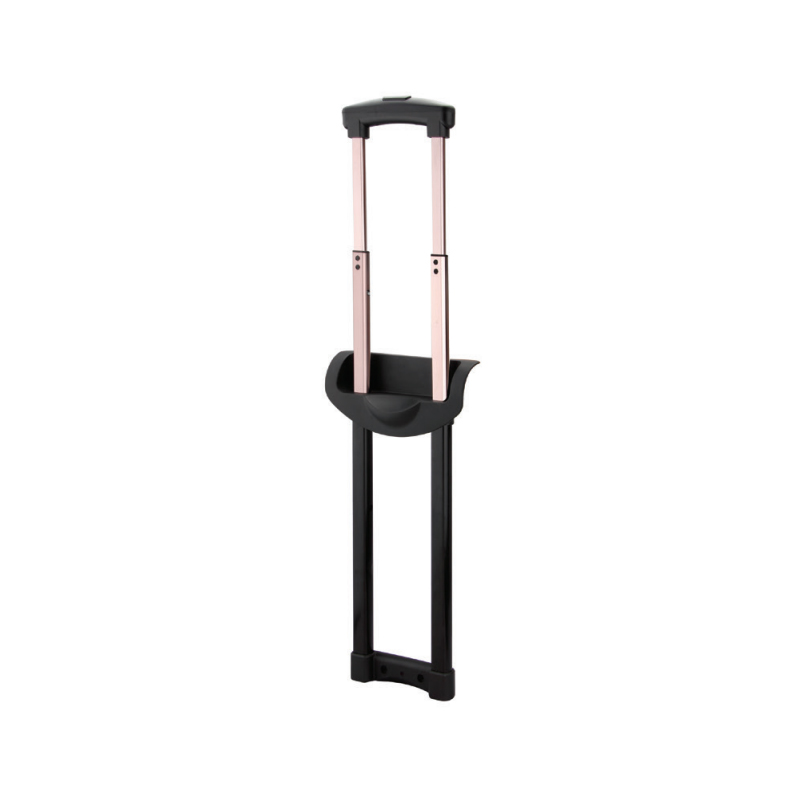
Model: LG-015B
Sections: 2/3 sections
Small tube: 12×18mm
Middle tube:17×23mm
Outer tube: 21×27mm
Outer tube: Iron tube
Inner tube: Aluminium tube, iron tube
L: Specified length
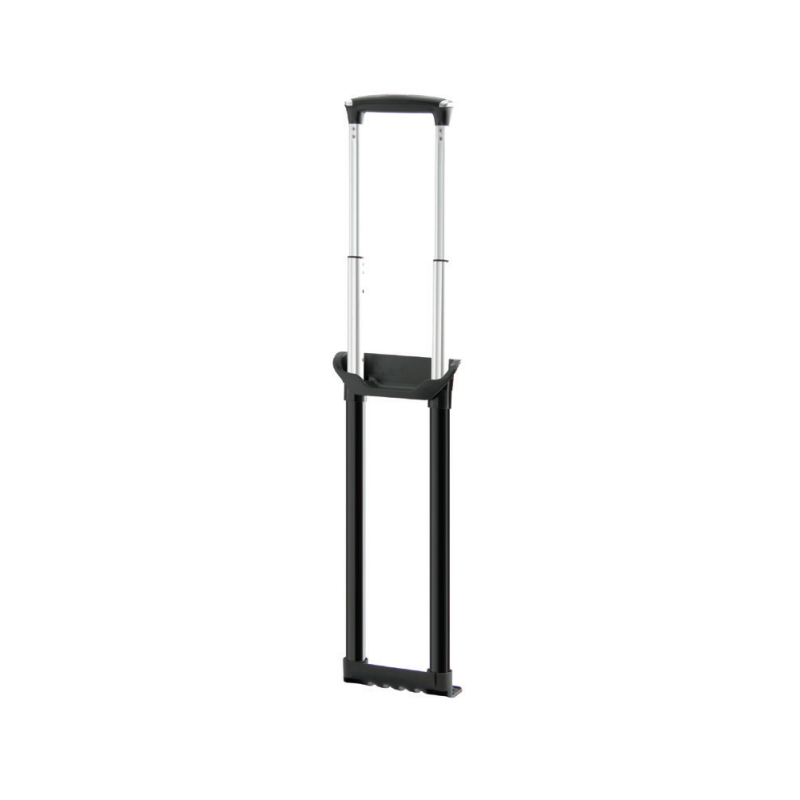
Model: LG-041
Number of sections: 2/3 sections
Small tube: 13×20.3mm
Middle tube:17.5×24.5mm
Outer tube: 21.5×28.5mm
Outer tube: Iron tube, Aluminium tube
Inner tube: Aluminium tube
L: Specified length
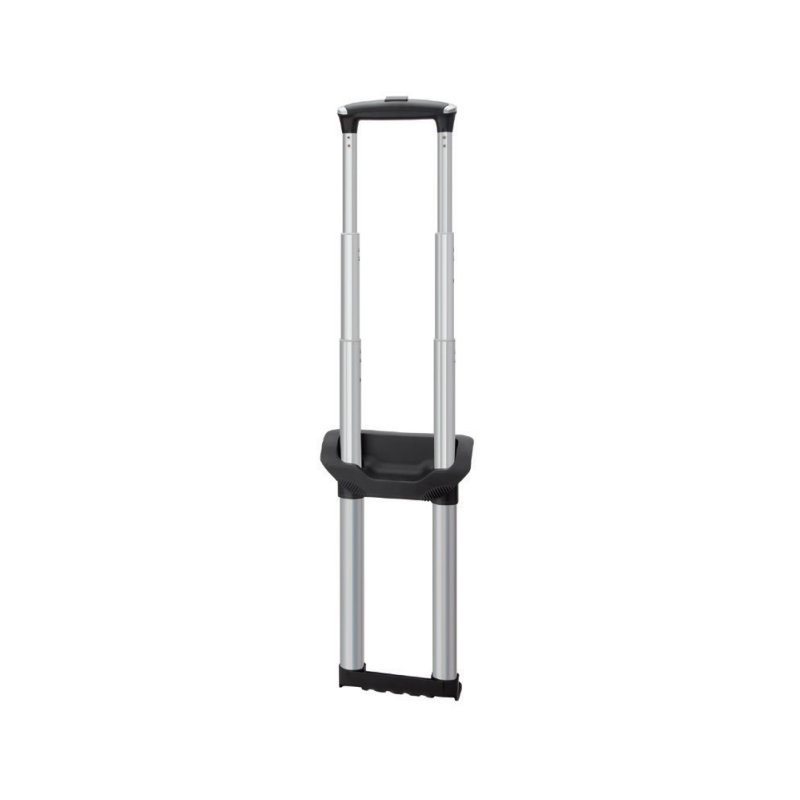
Model: LG-069
Number of sections: 4 sections
Small tube: 13×20.3mm
Middle tube:17.5×24.5mm
Outer tube: 19.5×27.5mm
Outer tube: 25.1×33.3mm
Outer tube: Iron tube
Inner tube: Aluminium tube
L: Specified length
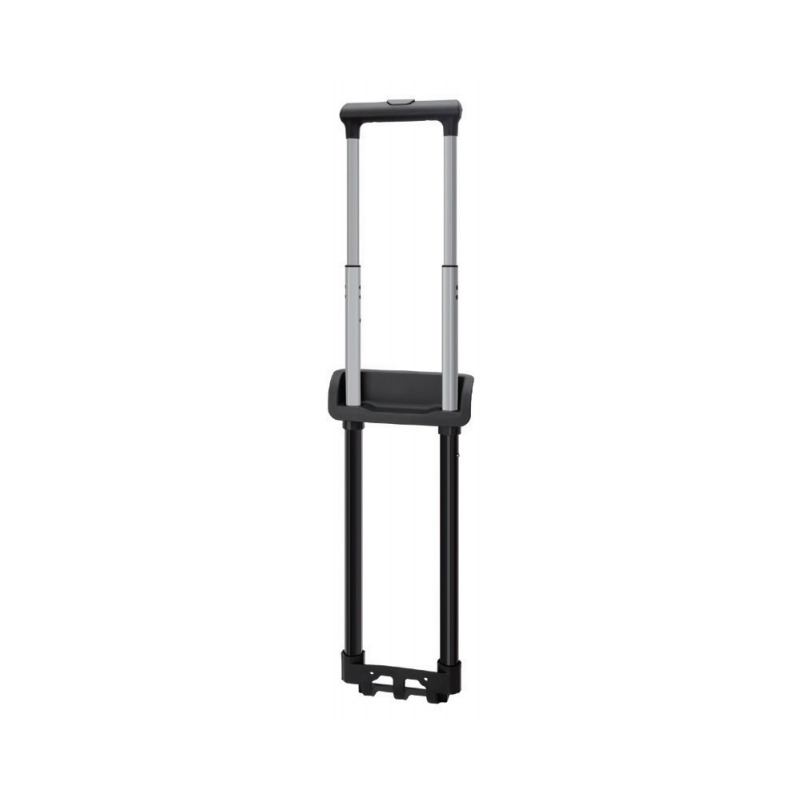
Model: LG-072
Number of sections: 2/3 sections
Small tube: 12×17.4mm
Middle tube:16.3×21.1mm
Outer tube: 21.2×25.1mm
Outer tube: Iron tube
Inner tube: Iron tube, Aluminium tube
L: Specified length
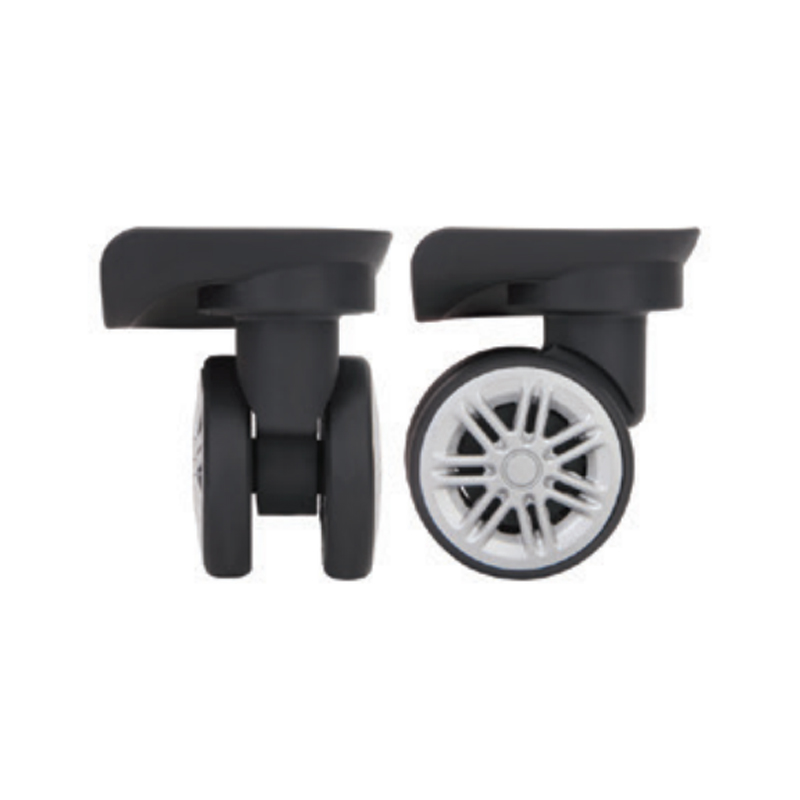
Model: Y-035-7-11
Specification: O: 50

