


 English
 中文简体
 русский
 Español
 عربى

H-016 Ethylene-Vinyl Acetate Fabric Suitcase
Material:600 Polyester
Size:20"24"28"32"




Hard-shell versions of the pressure-resistant and wear-resistant suitcase typically use molded polycarbonate or ABS panels formed into a curved or ribbed profile. The curvature helps distribute external pressure more evenly when the case sits at the bottom of a stacked pile in cargo holds or storage rooms. Internal frames or corner braces add further support so the shell does not flex inward enough to damage contents. Soft-shell models rely on dense woven fabrics stretched over a rigid or semi-rigid frame, with the fabric itself selected for tensile strength and the ability to recover after compression.
These design choices matter to distributors whose customers travel frequently or check bags on longer routes. A case that keeps its form under pressure reduces the chance of crushed items and maintains a clean exterior appearance for the next use.
Exterior surfaces receive attention for wear resistance. Hard shells often feature a textured or lightly pebbled finish that hides minor scuffs and reduces the visibility of contact marks from other luggage. Soft-shell fabrics may include a tightly woven ballistic nylon or polyester with a protective coating that limits fiber breakdown from friction. Reinforced corners and edge guards, whether molded into the shell or added as separate pieces, take the brunt of contact with floors, carts, and loading equipment.
Zippers and hardware are chosen to match the overall durability profile. Larger-gauge zipper tapes and robust pulls operate smoothly even after repeated exposure to dust and impact. Wheel housings and handle bases are recessed or shielded so they do not become early wear points.
Inside a pressure-resistant and wear-resistant suitcase, cross straps, padded dividers, and fixed or adjustable panels help keep packed items in place when the case experiences external force. The goal is to limit shifting that could concentrate pressure on a single area of the shell. Some designs include a separate compartment for shoes or laundry that stays isolated and adds a secondary structural layer.
These interior elements support the exterior performance. When contents remain organized, the shell experiences more uniform loading and is less likely to develop localized stress points.
Business travelers who check bags on multi-leg itineraries benefit from a case that tolerates stacking and rough transfers between flights. Families packing for extended trips value the same traits when luggage moves through multiple vehicles and storage areas. Corporate buyers assembling travel kits for field teams or sales staff look for pieces that retain appearance and function after repeated cycles of use and transport.
In retail environments, the combination of pressure resistance and wear resistance becomes a straightforward talking point. Staff can demonstrate the shell’s rigidity and point to reinforced zones without needing complex technical language. The product communicates readiness for real handling conditions.
Color and texture consistency across the shell or fabric supports private-label and branded programs. Hard-shell finishes can be matched to specific brand palettes while retaining the textured surface that aids wear resistance. Soft-shell fabrics are available in a range of neutrals and deeper tones that hide everyday marks. Hardware finishes—such as brushed metal or coated plastics—are selected to coordinate with the overall look and to resist scratching from contact with other objects.
An pressure-resistant and wear-resistant suitcase therefore offers a practical response to the physical realities of modern travel. It pairs a structure that manages external load with surfaces that limit visible and functional wear. For overseas buyers building assortments for frequent travelers and mixed-use retail channels, the balance of form retention, abrasion resistance, and clear functional design provides a useful reference when comparing options.
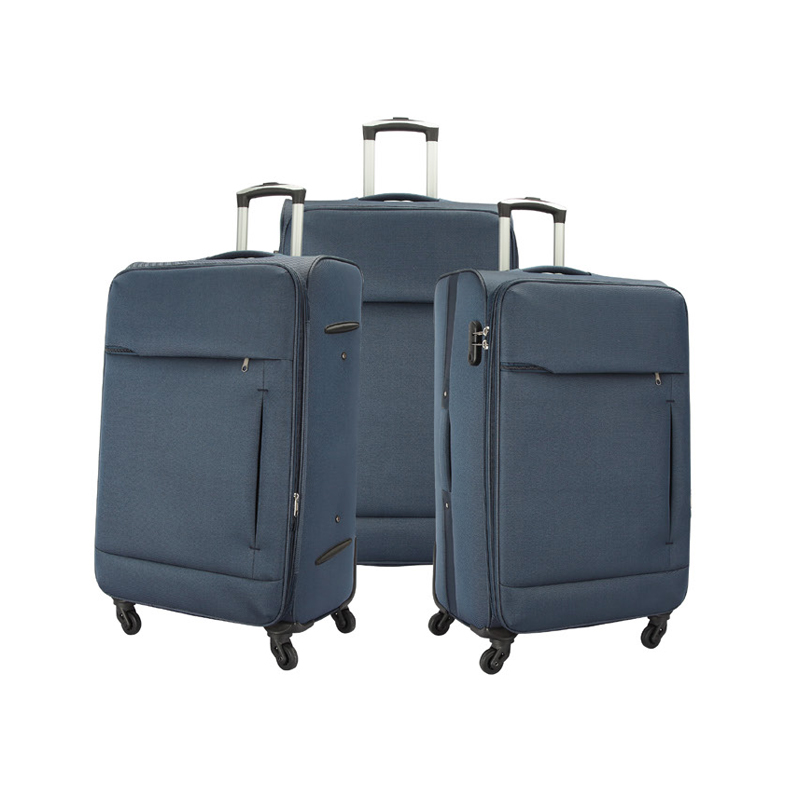
Material:600 Polyester
Size:20"24"28"32"
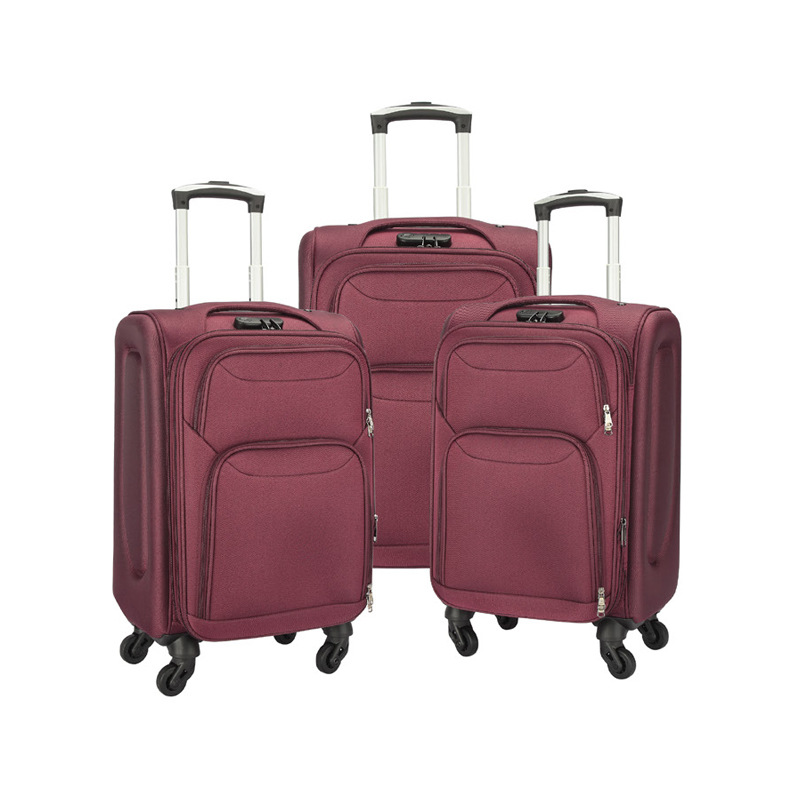
Material:600 Polyester
Size:20"24"28"32"
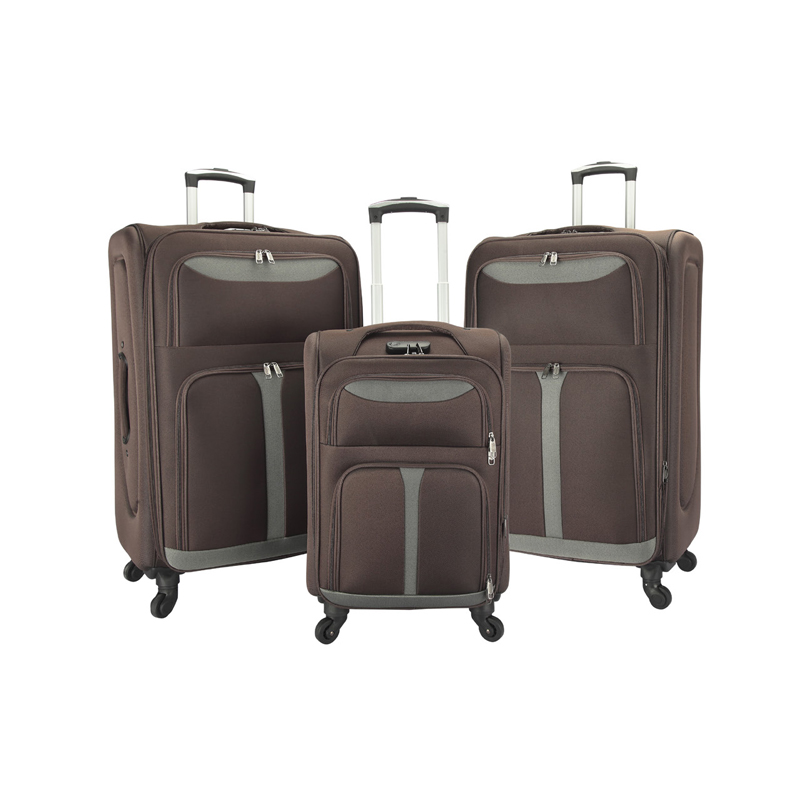
Material:600 Polyester
Size:20"24"28"32"
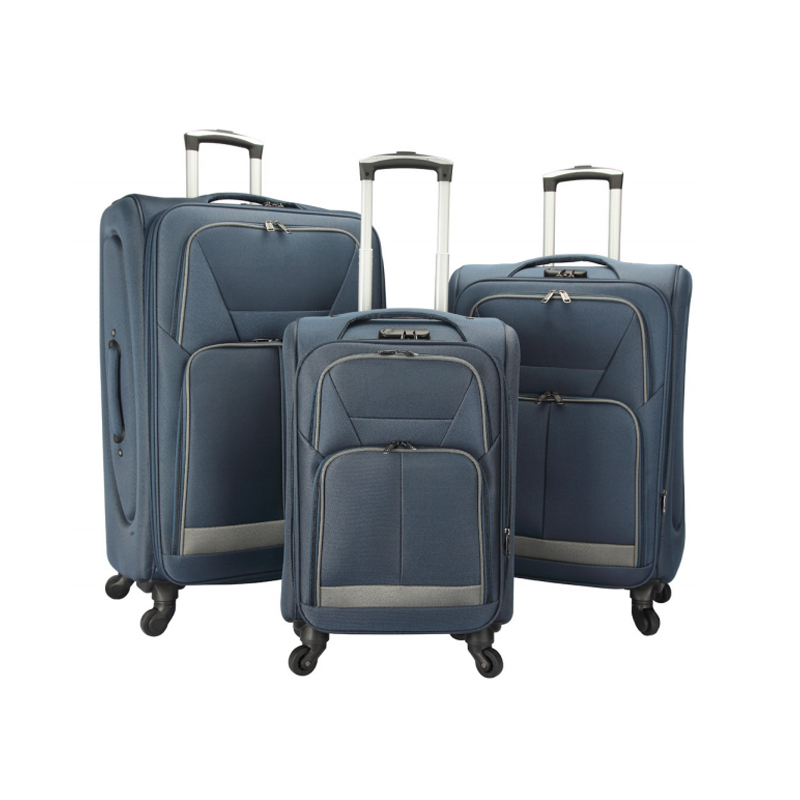
Material:600 Polyester
Size:20"24"28"32"
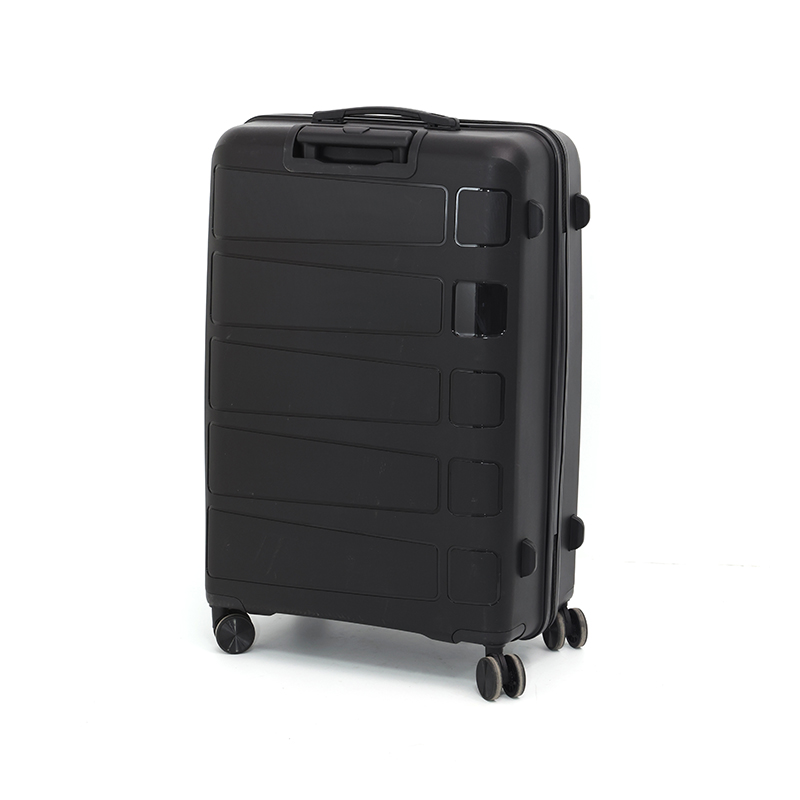
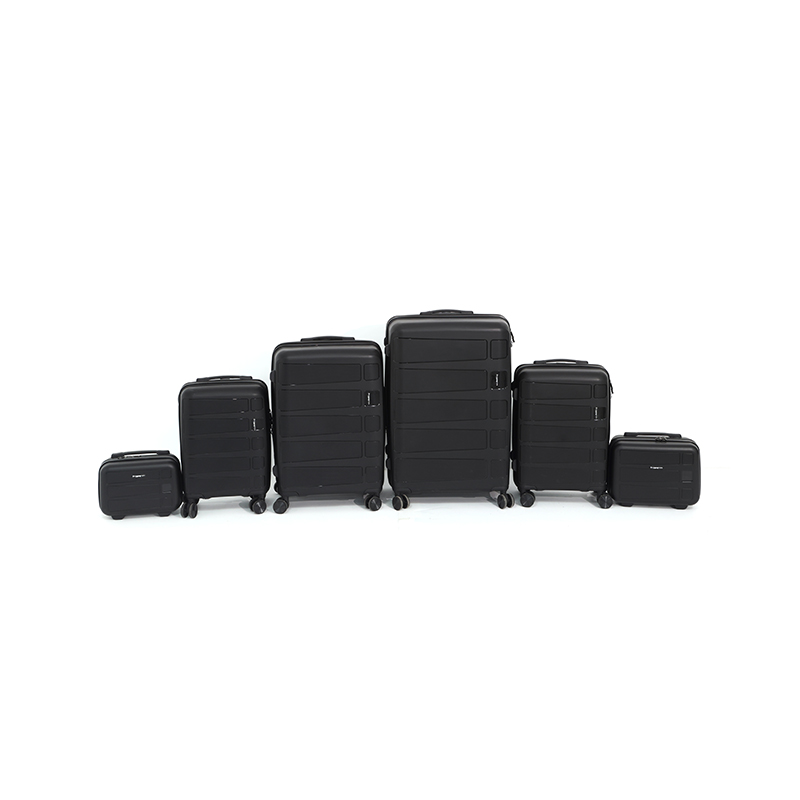
Size:12/14/18/20/24/28
31*21.5*14.5cm
33*25*16.5cm
50*33*20cm
53.5*35.5*23cm
63.5*42.5*27.5cm
73.5*49.5*30.5cm
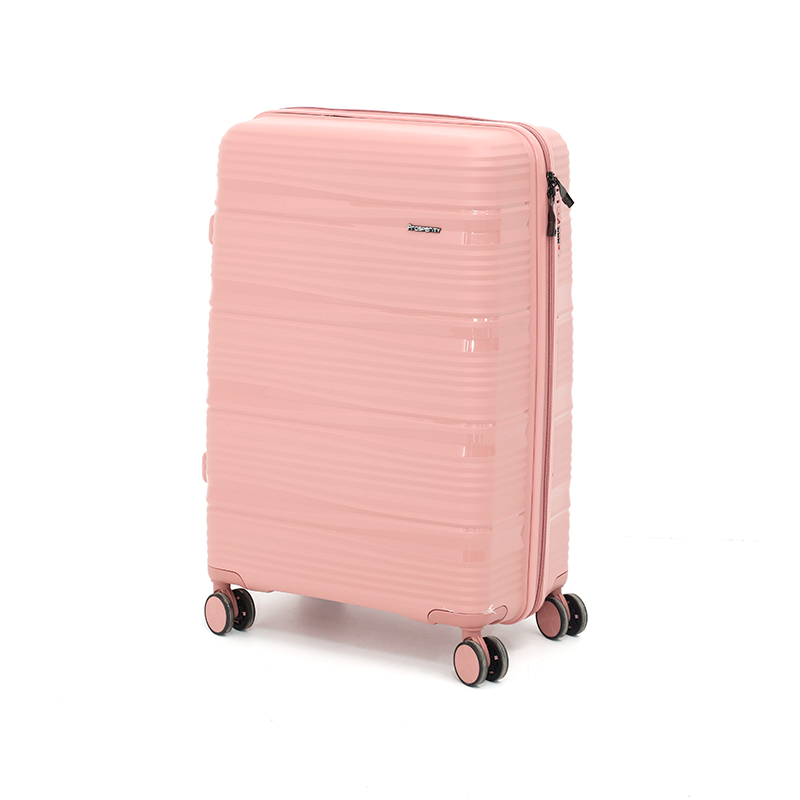
Size:14/18/22/26/30
33*25*16.5cm
50*33*20cm
59*38.5*24.5cm
68.5*44.5*29cm
78*51.5*34cm
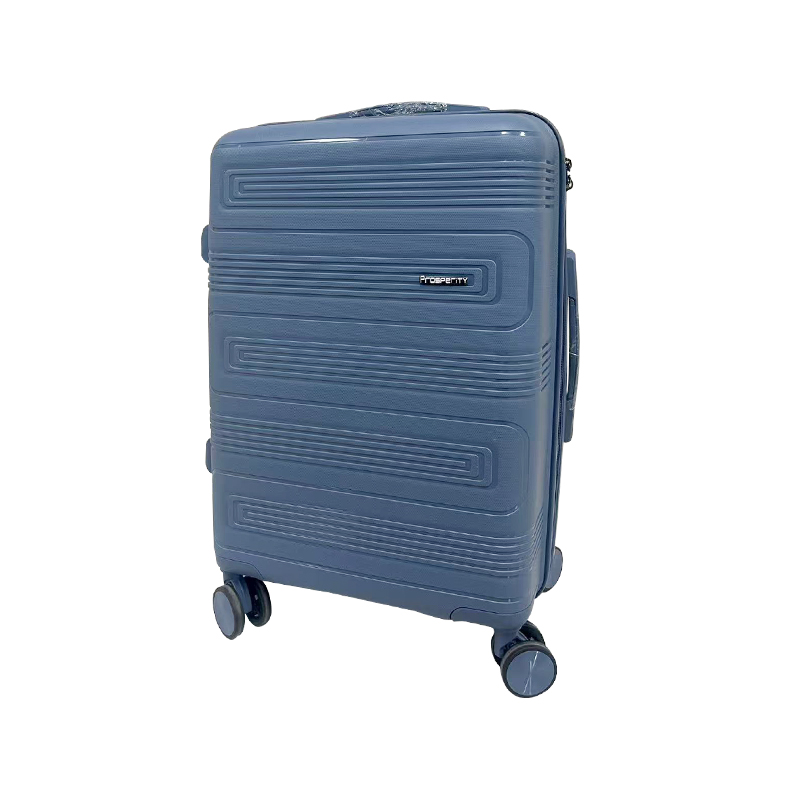
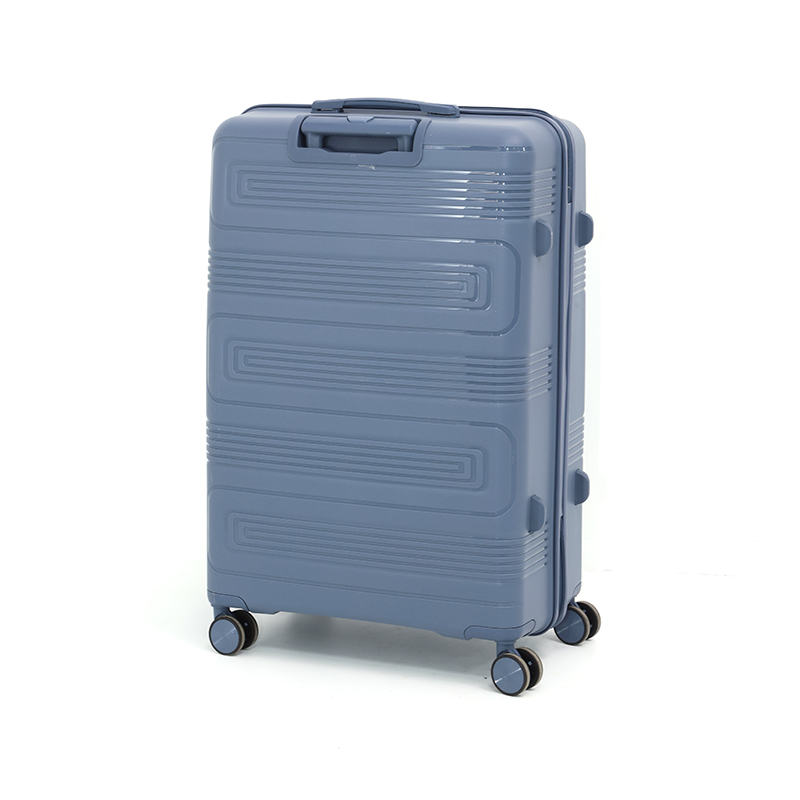
Size:15/21/25/29
37*26.5*18cm
56.5*37.5*23.5cm
65.5*43.5*28cm
76*50.5*31cm
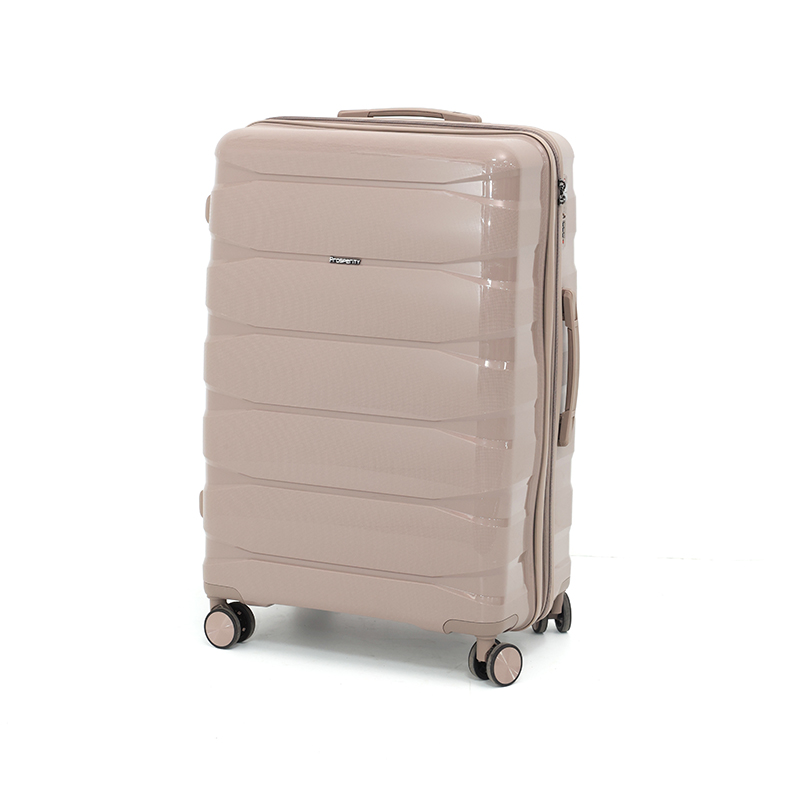
Size:13/19/23/27
32*22.5*16cm
52*34*21cm
61*40.5*26cm
70.5*46.5*29.5cm
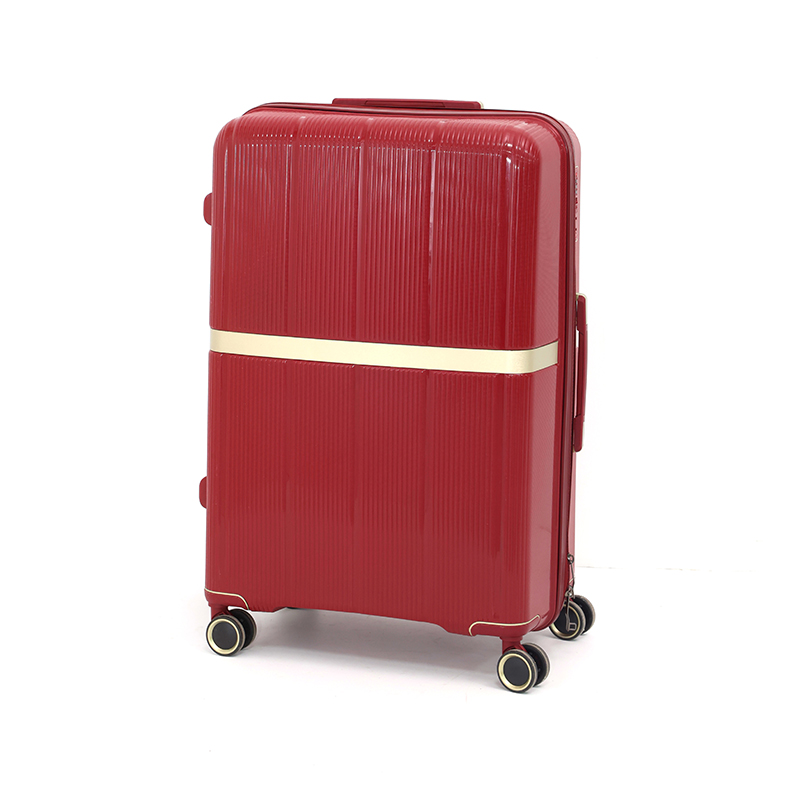
Size:14/18/20/24/28
33*25*16.5cm
50*33*20cm
53.5*35.5*23cm
63.5*42.5*27.5cm
73.5*49.5*30.5cm
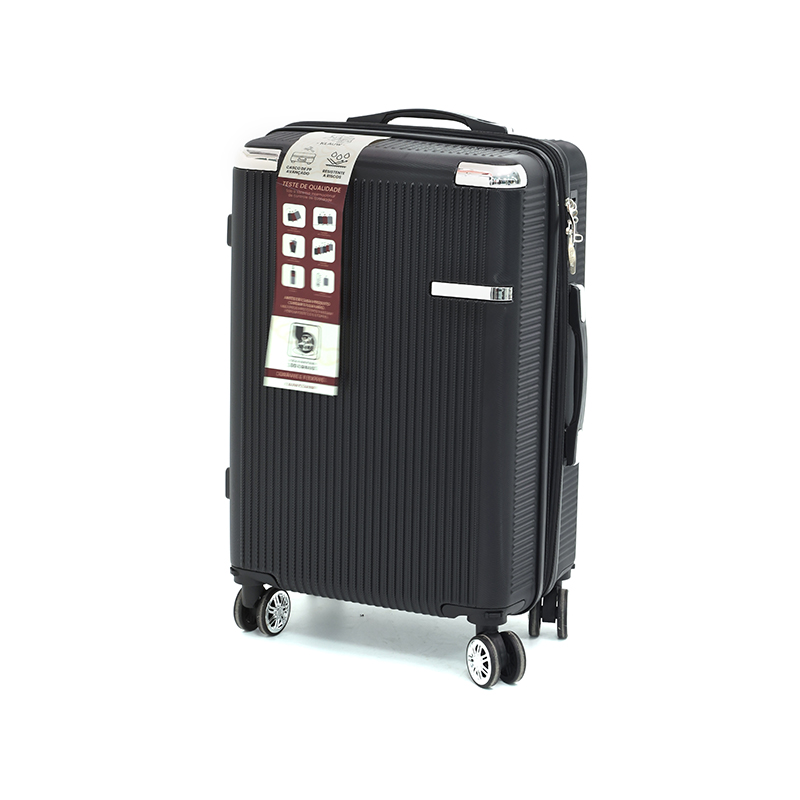
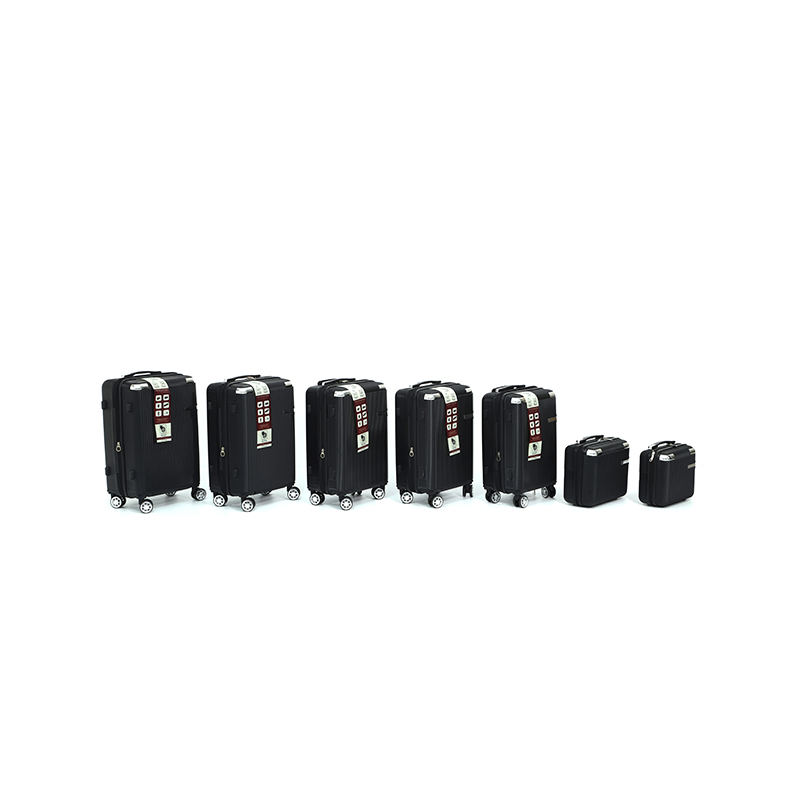
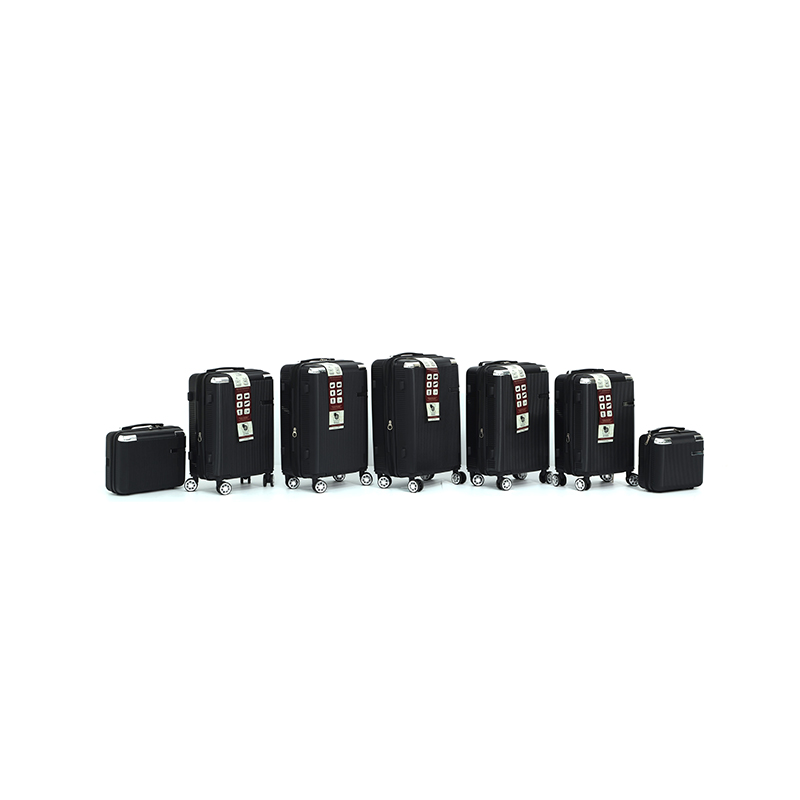
Size:12/14/18/19/20/21/22
Dimension:
31x26x15cm
35x30x16.5cm
52x35x23cm
53.5x35x25cm
56x36x25.5cm
58x38x26.5cm
60x39x28cm
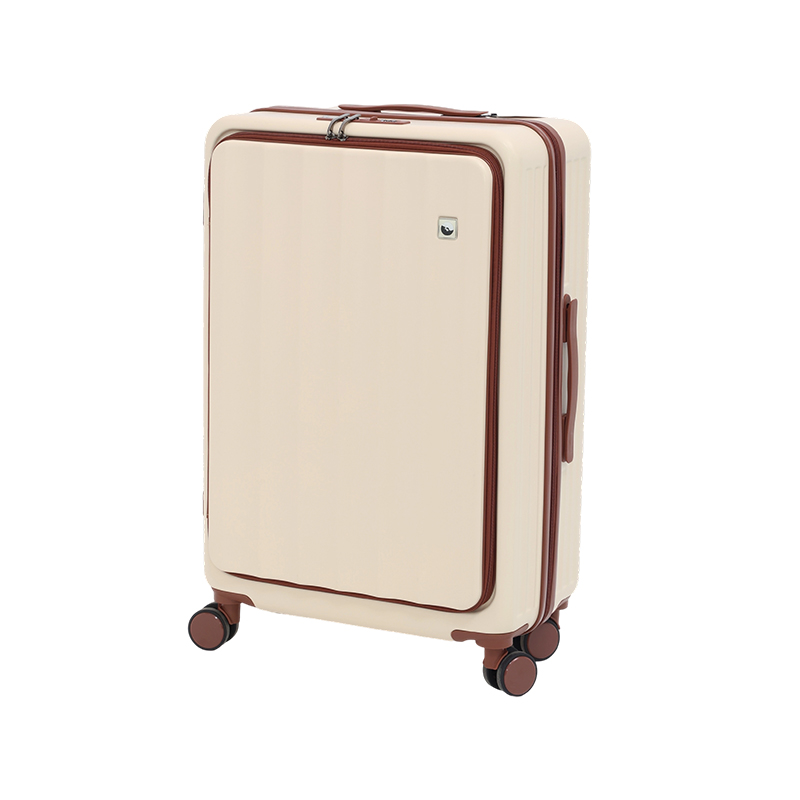
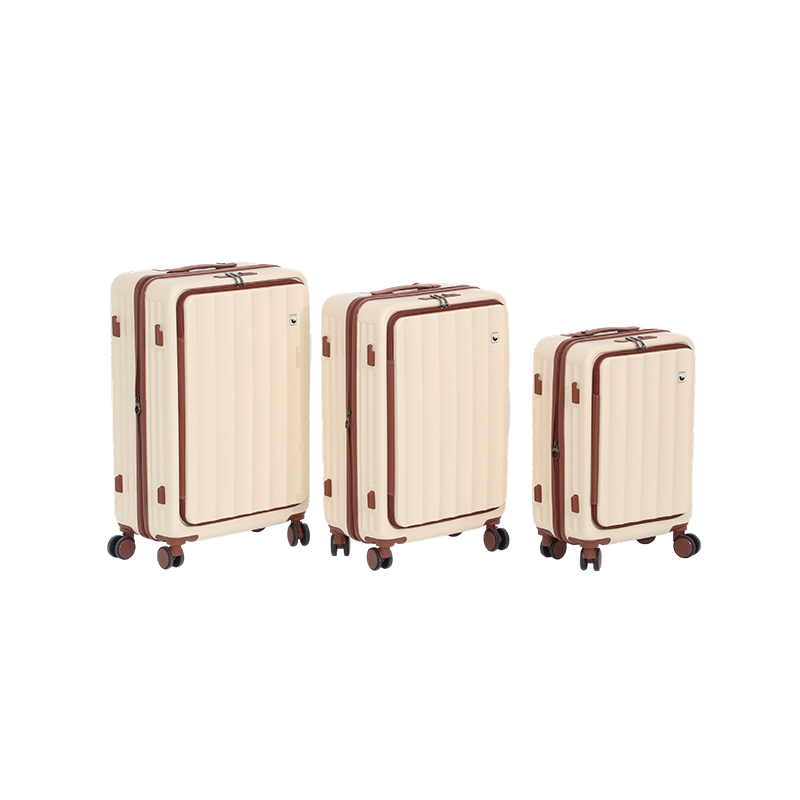
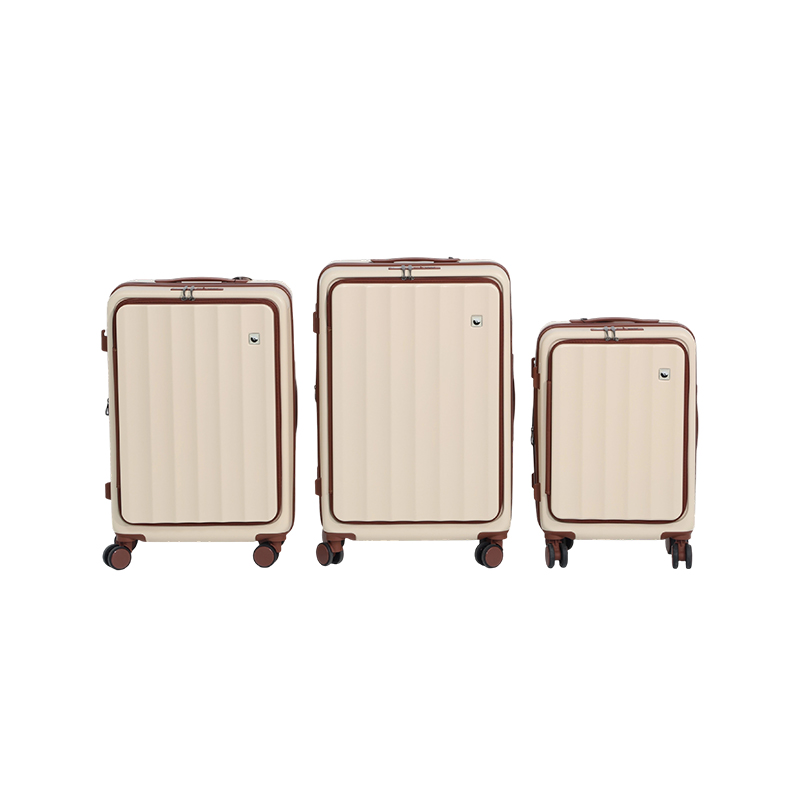
Size:20/24/28
55*35.5*23.5cm
64.5*42.5*26cm
69*45*27.5cm
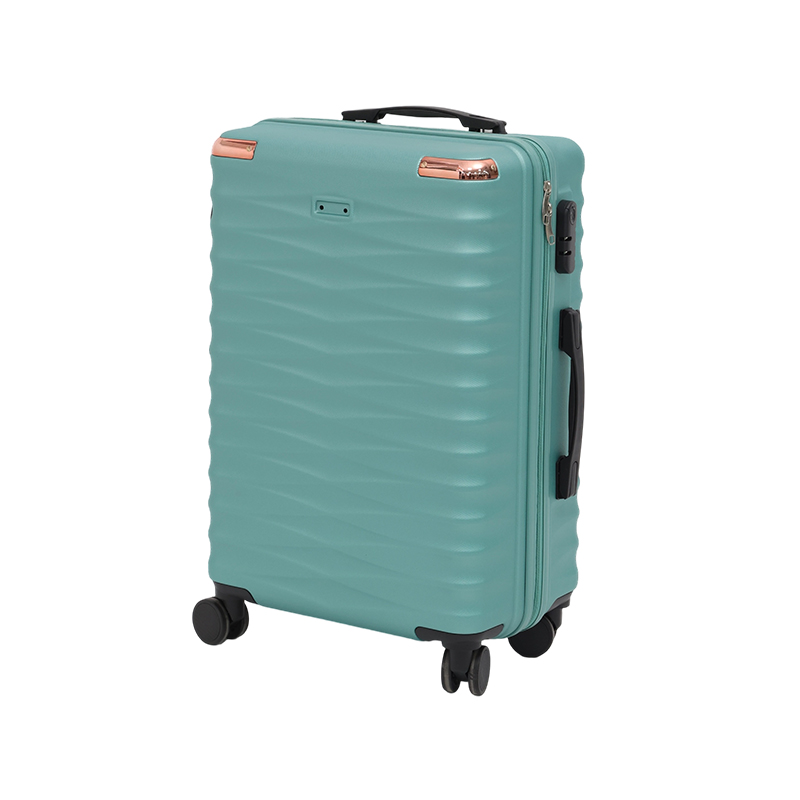
Size:19.5/23.5/27.5
19.5size:53.5×34×21cm/2.41kg
23.5size:61×39×25.5cm/3kg
27.5size:70.5×46×30cm/3.8kg
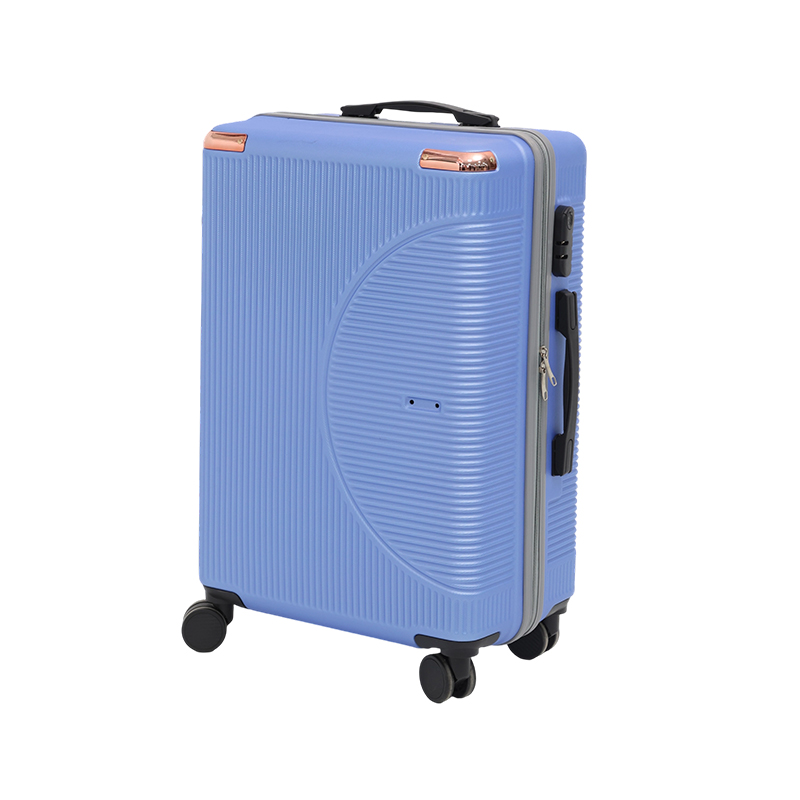
Size:20.5/24.5/28.5
20.5size:56.5×35×22cm/2.62kg
24.5size:64×41.5×27cm/3.35kg
28.5size:74.5×48×32.5cm/4.25kg
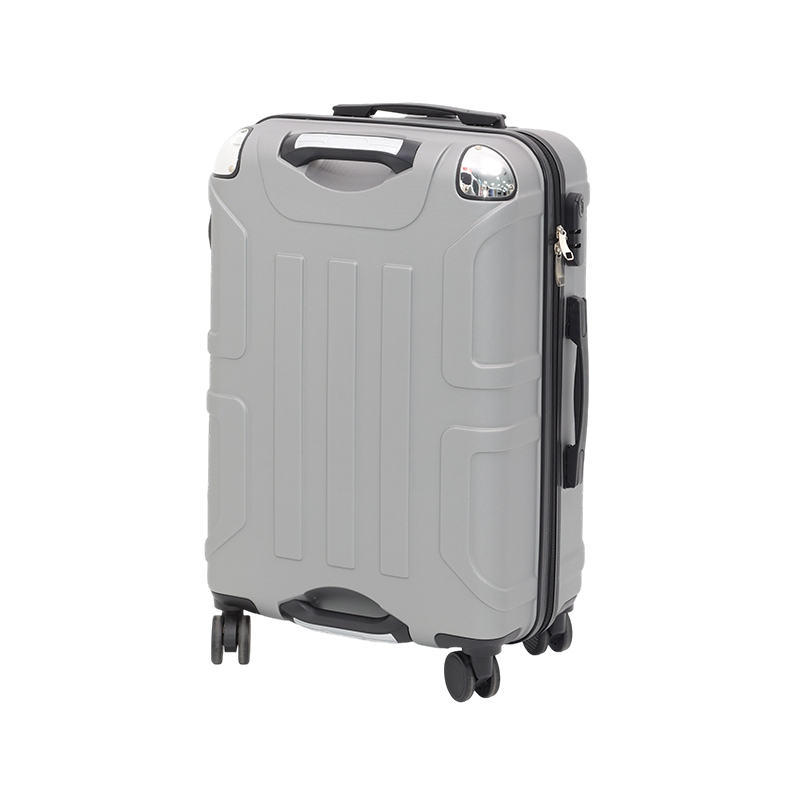
Size:19/23/27
19size: 54.5x34x21.5cm
23size: 62x39.5x25.5cm
27size: 71x46x29.5cm
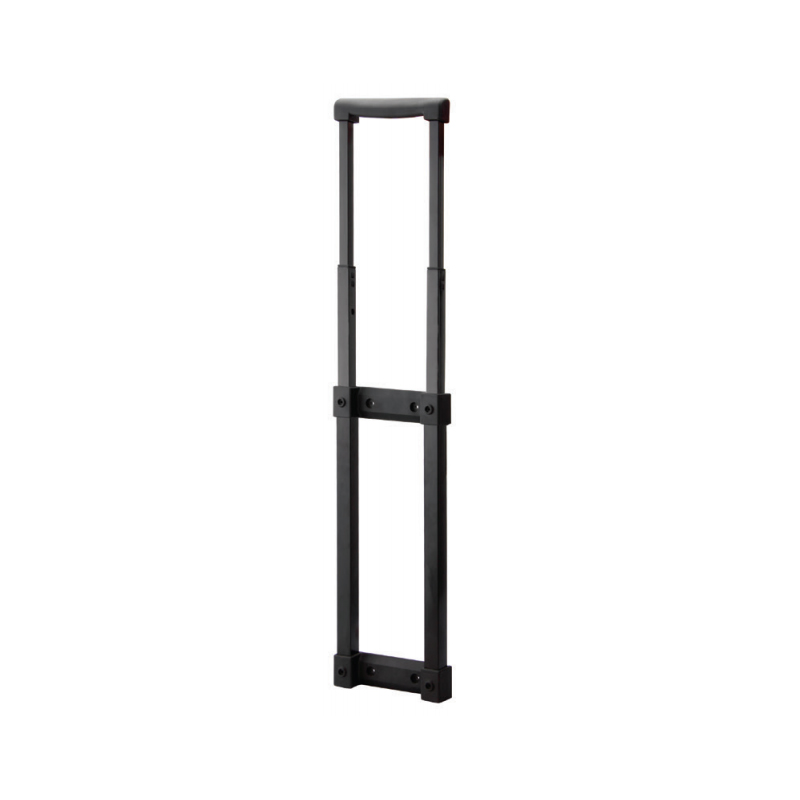
Model: LG-008
Sections: 2/3 sections
Small tube: 13×13mm
Middle tube: 16.5×16.5mm
Outer tube: 20×20mm
Outer tube: Iron tube
Inner tube: Iron tube
L: Specified length
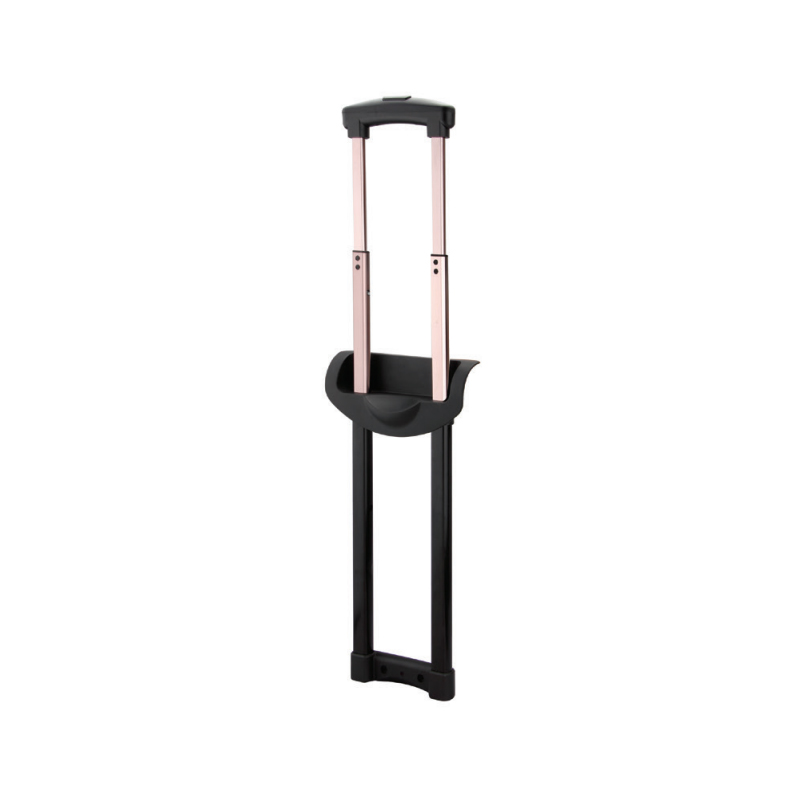
Model: LG-015B
Sections: 2/3 sections
Small tube: 12×18mm
Middle tube:17×23mm
Outer tube: 21×27mm
Outer tube: Iron tube
Inner tube: Aluminium tube, iron tube
L: Specified length
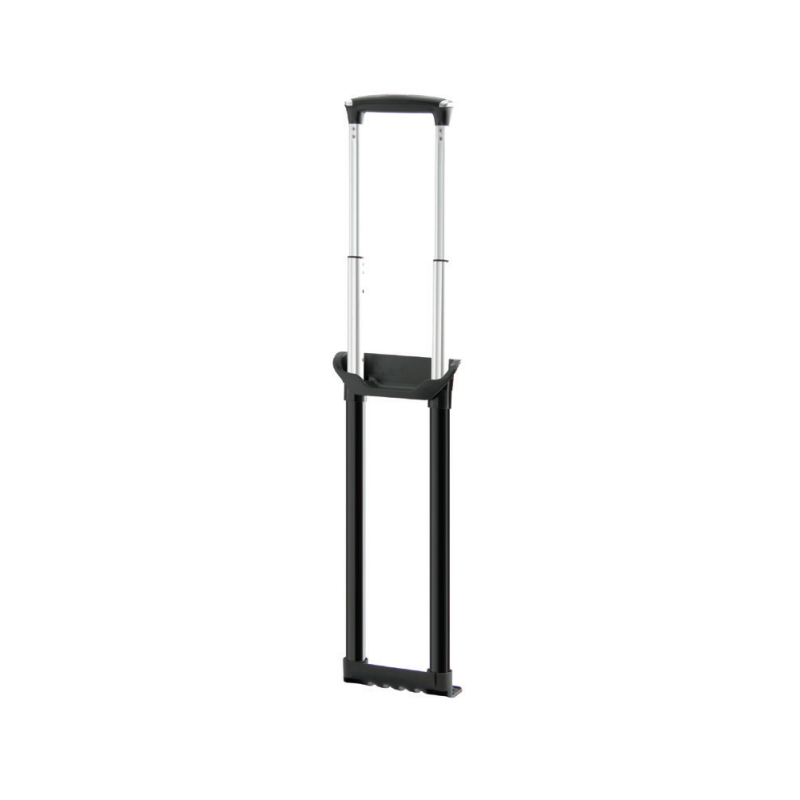
Model: LG-041
Number of sections: 2/3 sections
Small tube: 13×20.3mm
Middle tube:17.5×24.5mm
Outer tube: 21.5×28.5mm
Outer tube: Iron tube, Aluminium tube
Inner tube: Aluminium tube
L: Specified length
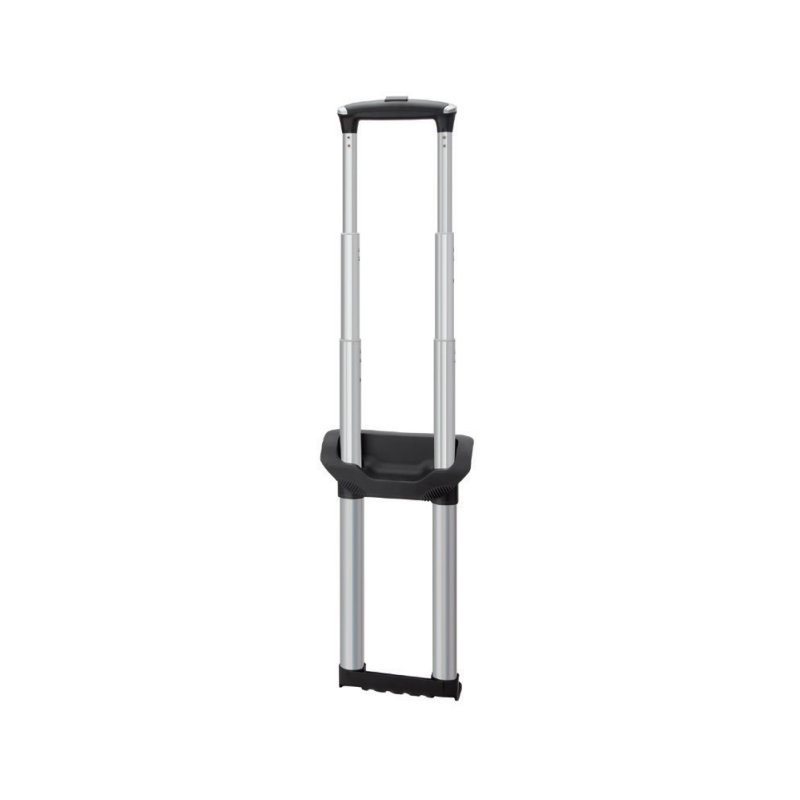
Model: LG-069
Number of sections: 4 sections
Small tube: 13×20.3mm
Middle tube:17.5×24.5mm
Outer tube: 19.5×27.5mm
Outer tube: 25.1×33.3mm
Outer tube: Iron tube
Inner tube: Aluminium tube
L: Specified length
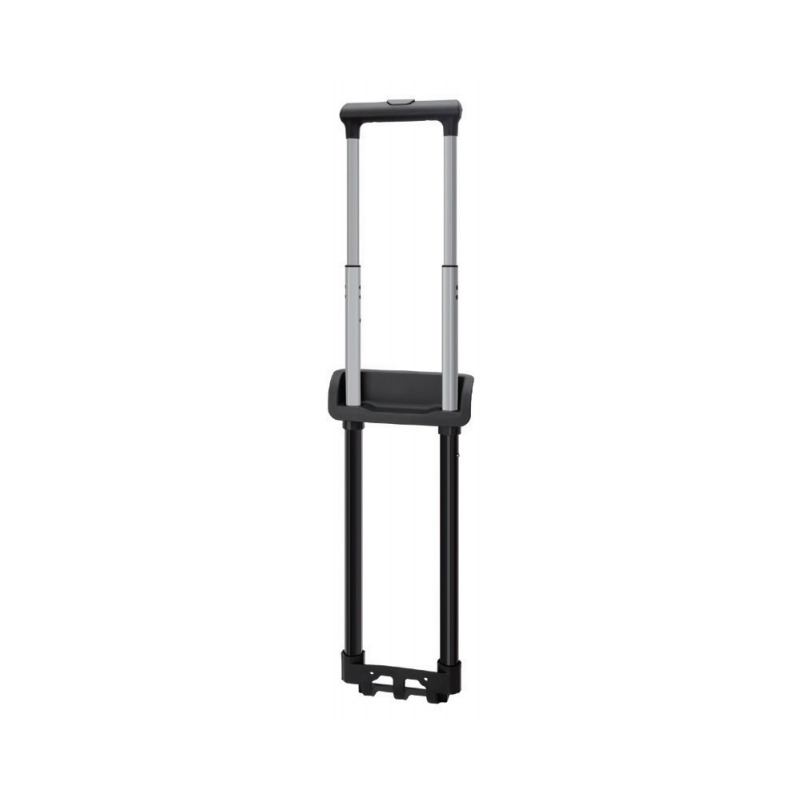
Model: LG-072
Number of sections: 2/3 sections
Small tube: 12×17.4mm
Middle tube:16.3×21.1mm
Outer tube: 21.2×25.1mm
Outer tube: Iron tube
Inner tube: Iron tube, Aluminium tube
L: Specified length
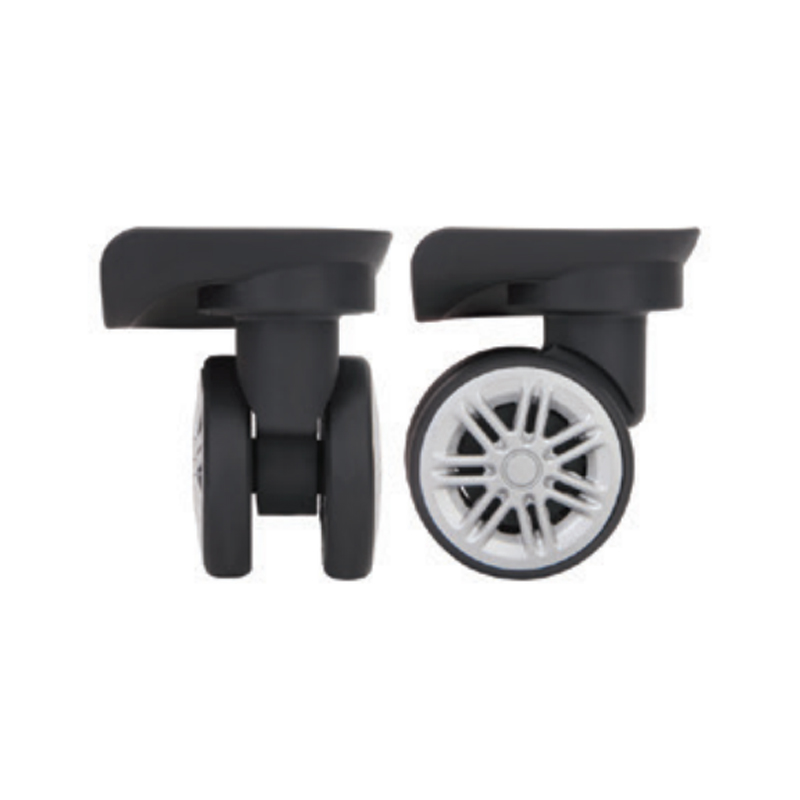
Model: Y-035-7-11
Specification: O: 50

