


 English
 中文简体
中文简体 русский
 Español
 عربى
عربى
H-016 Ethylene-Vinyl Acetate Fabric Suitcase
Material:600 Polyester
Size:20"24"28"32"




Pressure resistance isn't just about having a hard shell. Plenty of hard-shell bags crack under sustained load. What actually matters is how the shell distributes force. Polycarbonate and ABS composite materials are built to flex on impact rather than fracture — they absorb the hit and spring back. Aluminum frames, on the other hand, offer rigid structure without flexing, which suits travelers who want zero give at all.
Some luggage makers have started adapting a honeycomb panel design inside the shell — borrowed, interestingly, from aerospace construction — where the internal geometry spreads pressure across a wider surface area. Instead of one corner taking the full force of a drop, the load gets distributed. That's why a well-built Pressure-Resistant And Wear-Resistant Suitcase can take a hard knock and come out looking fine, while a cheaper bag dents and stays that way.
Scratch a glossy hard-shell bag against a rough conveyor belt once, and you'll see a white streak appear. Do it five more times and the whole surface looks like it's been through something serious. Glossy finishes are notoriously unforgiving — every scrape shows up clearly against the shiny base.
Matte and textured shell finishes behave differently. Minor scuffs tend to blend into the surface texture rather than standing out. Beyond finish type, the material itself matters — polypropylene, for instance, has a natural resistance to surface abrasion that many other plastics don't. Some manufacturers also apply a secondary protective coating before the shell leaves the factory, which adds another layer of scratch resistance without meaningfully changing the weight.
What to Actually Check Before Buying:
Business travelers who fly every couple of weeks are the obvious answer. But wear-resistant and pressure-resistant suitcases make just as much sense for cruise passengers who drag their bags across docks and gangways, or for families where kids are inevitably going to sit on, lean against, and drag the luggage sideways through every airport they pass through. Teachers traveling for summer programs, photographers hauling gear to shoots, nurses relocating between short-term contracts — really, anyone whose bag sees the outside of a closet more than a few times a year ends up noticing the difference sooner or later.
Road-trippers who strap bags to roof racks see real benefits too. Vibration, UV exposure, and rope friction are hard on ordinary shells — after a long highway drive in summer heat, a thin-walled bag can come off looking genuinely rough. And for anyone combining flights with trains and buses across multiple countries, the more punishment a bag can take without showing it, the better. At some point it stops being about the bag and starts being about one less thing to worry about on the road.
Luggage isn't glamorous, but a bad bag makes travel noticeably worse. A pressure-resistant and wear-resistant suitcase won't transform the experience entirely — flights are still long, delays still happen — but it removes one persistent, annoying variable from the equation. The bag shows up looking the same way it left. That's a small thing, maybe, until you've watched a cheap suitcase fall apart at baggage claim for the third time. Then it feels pretty significant.
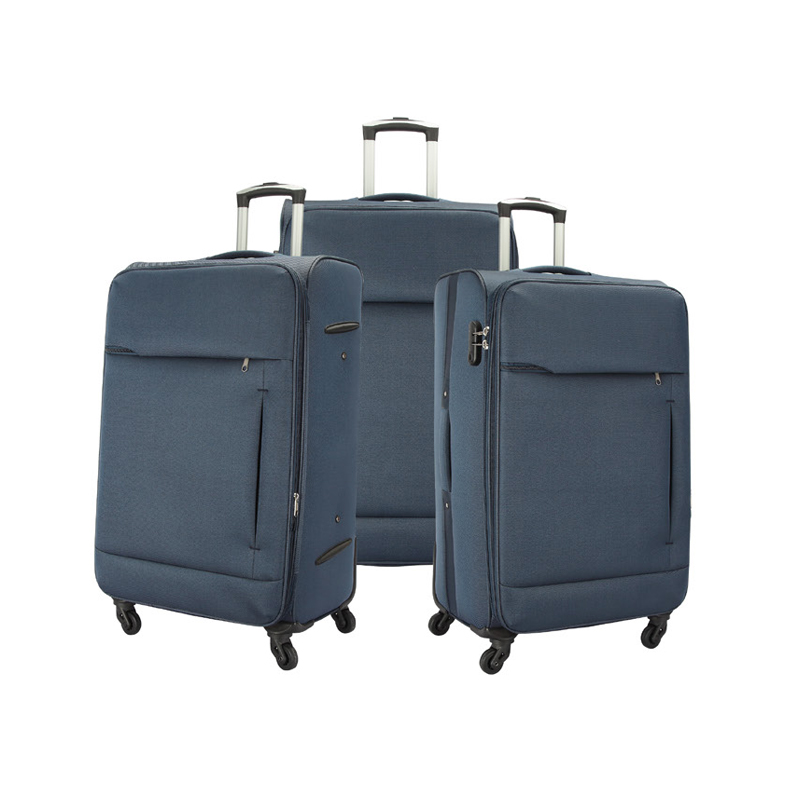
Material:600 Polyester
Size:20"24"28"32"
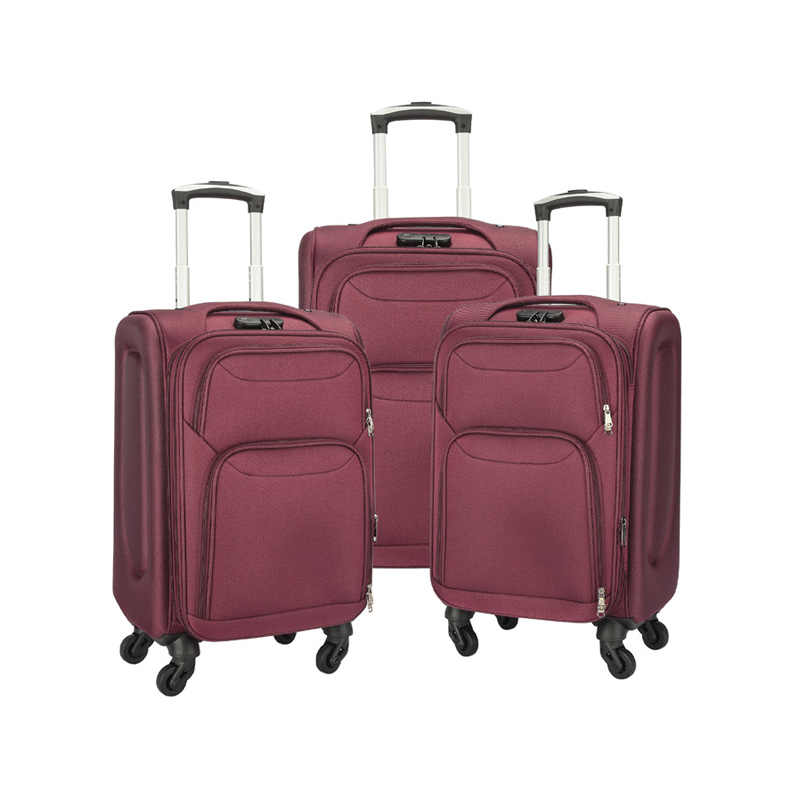
Material:600 Polyester
Size:20"24"28"32"
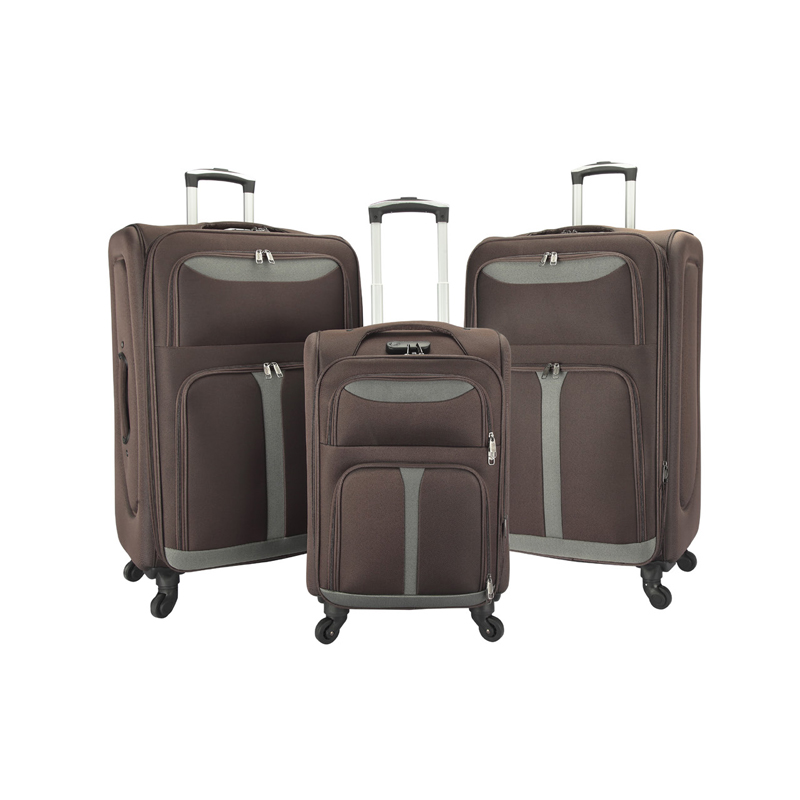
Material:600 Polyester
Size:20"24"28"32"
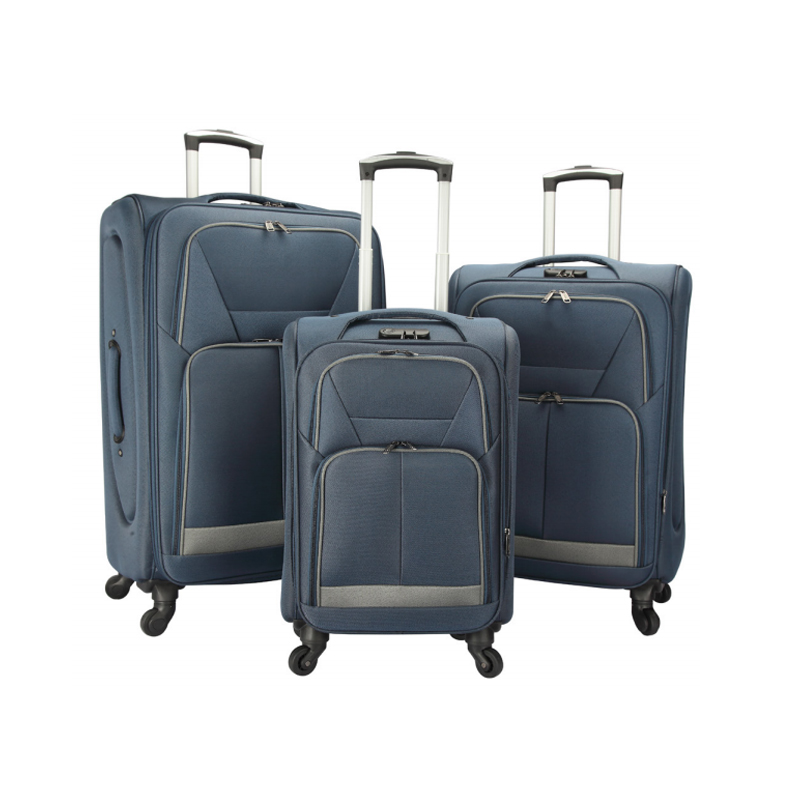
Material:600 Polyester
Size:20"24"28"32"
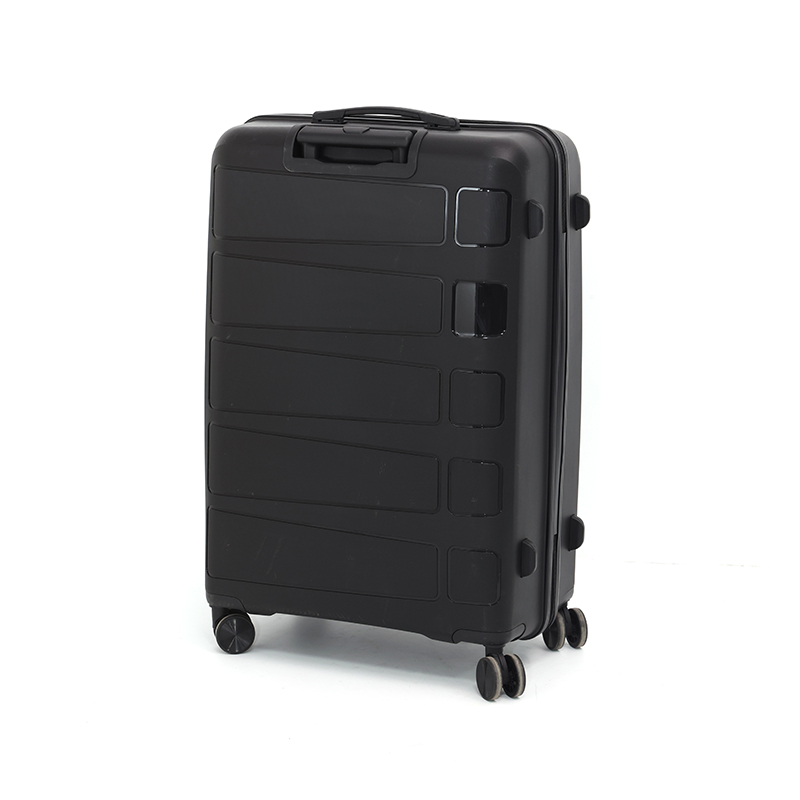
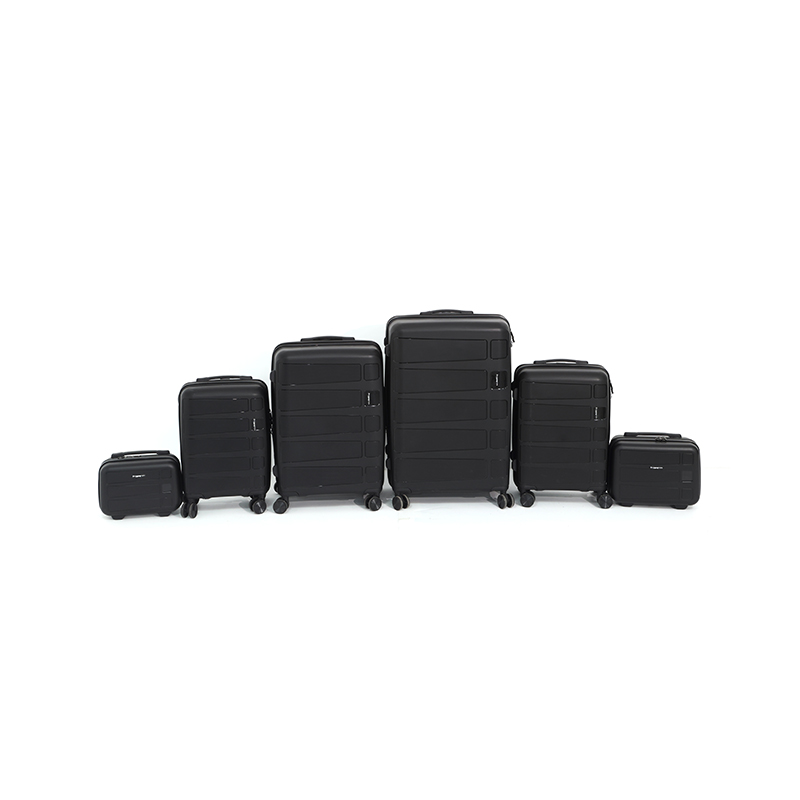
Size:12/14/18/20/24/28
31*21.5*14.5cm
33*25*16.5cm
50*33*20cm
53.5*35.5*23cm
63.5*42.5*27.5cm
73.5*49.5*30.5cm
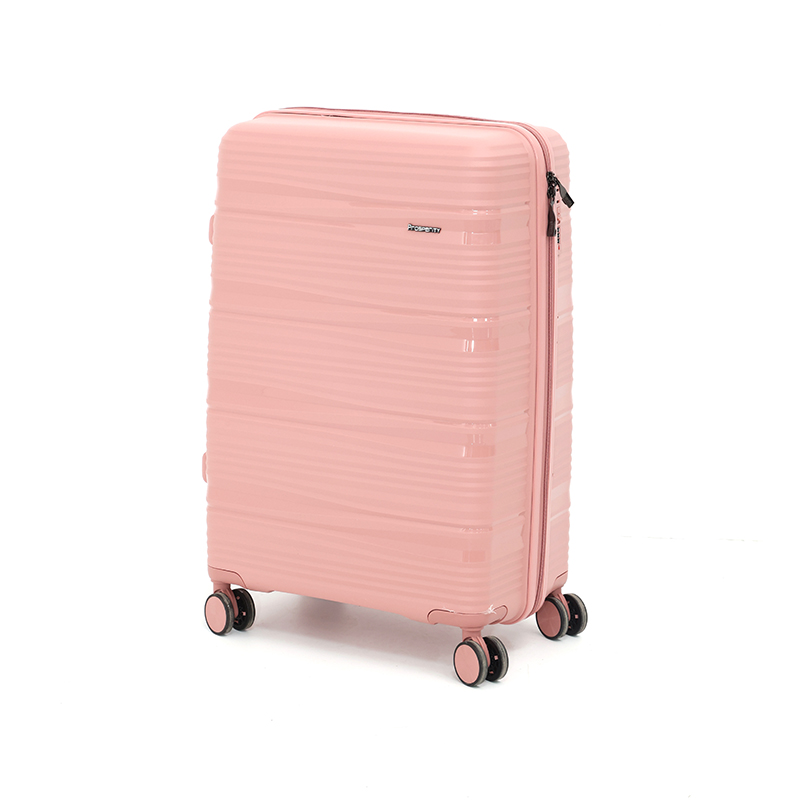
Size:14/18/22/26/30
33*25*16.5cm
50*33*20cm
59*38.5*24.5cm
68.5*44.5*29cm
78*51.5*34cm
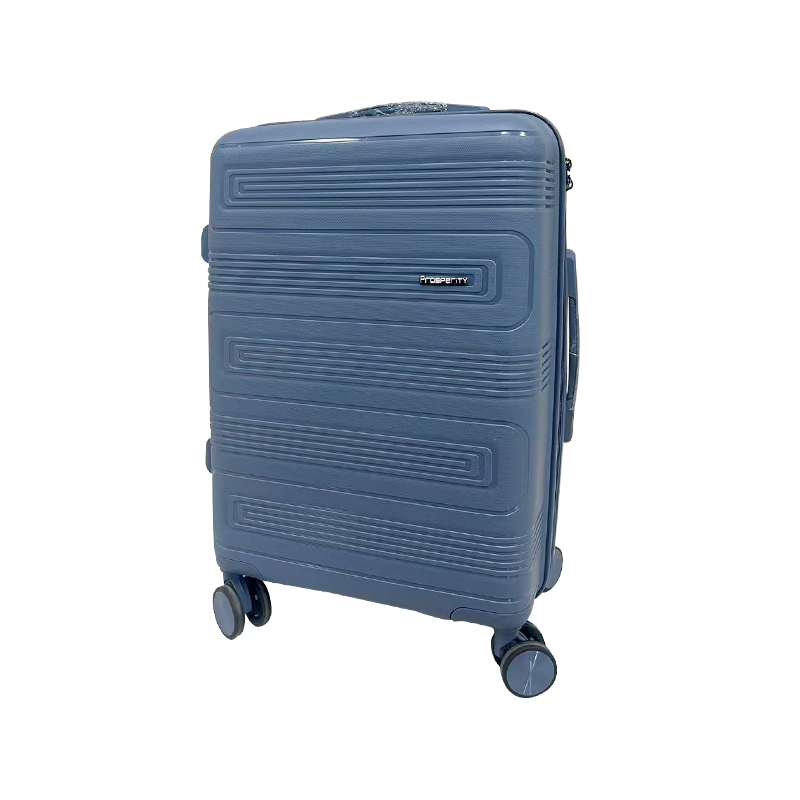
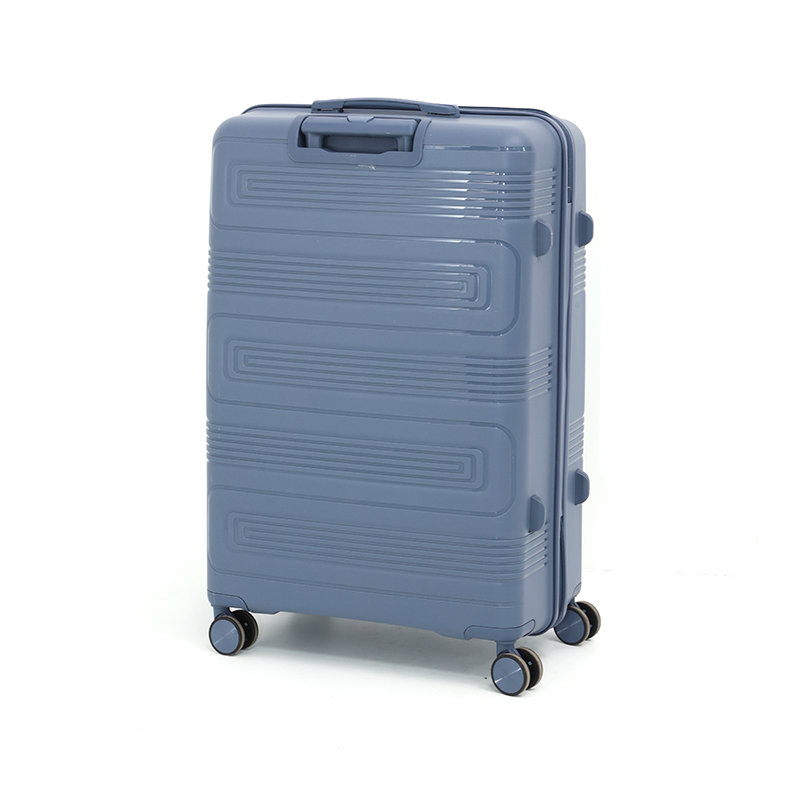
Size:15/21/25/29
37*26.5*18cm
56.5*37.5*23.5cm
65.5*43.5*28cm
76*50.5*31cm
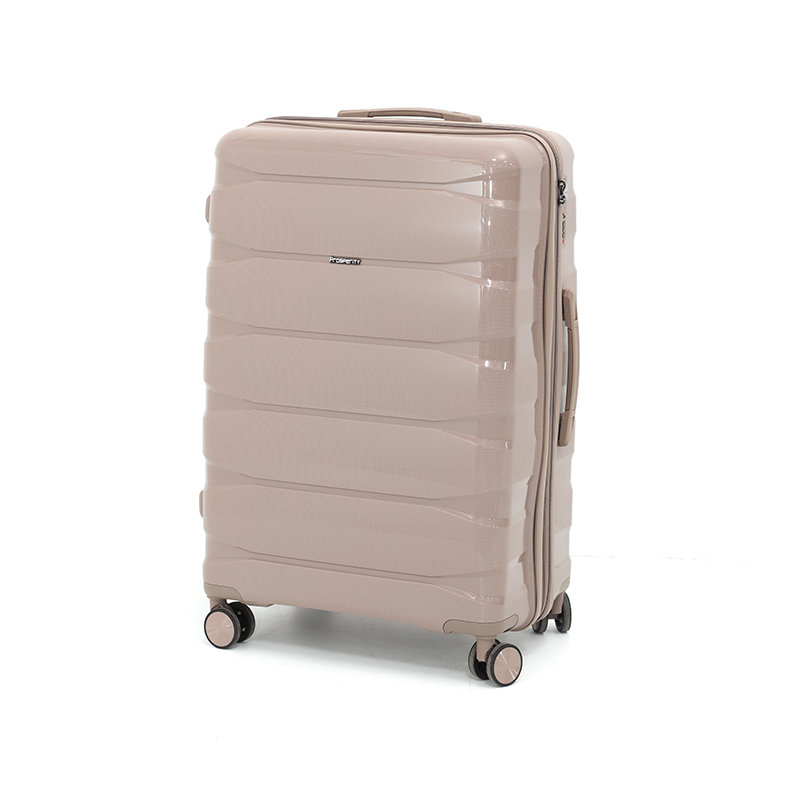
Size:13/19/23/27
32*22.5*16cm
52*34*21cm
61*40.5*26cm
70.5*46.5*29.5cm
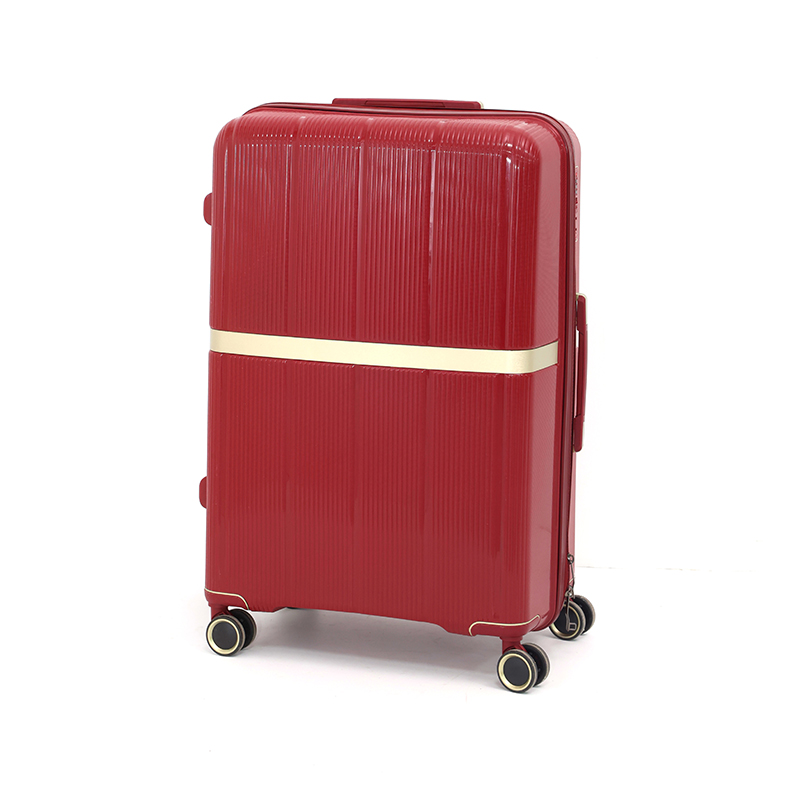
Size:14/18/20/24/28
33*25*16.5cm
50*33*20cm
53.5*35.5*23cm
63.5*42.5*27.5cm
73.5*49.5*30.5cm
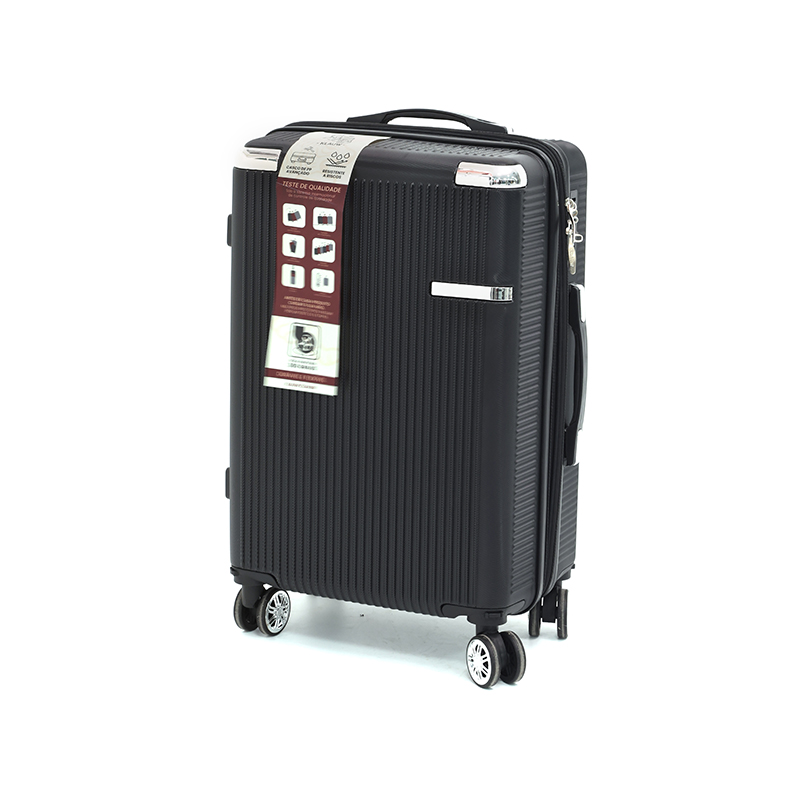
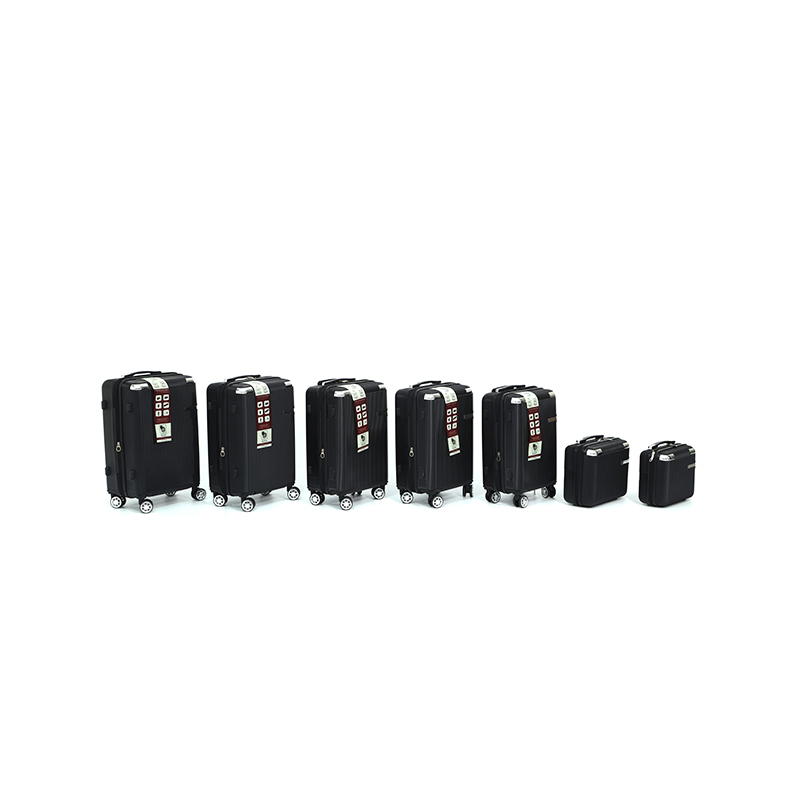
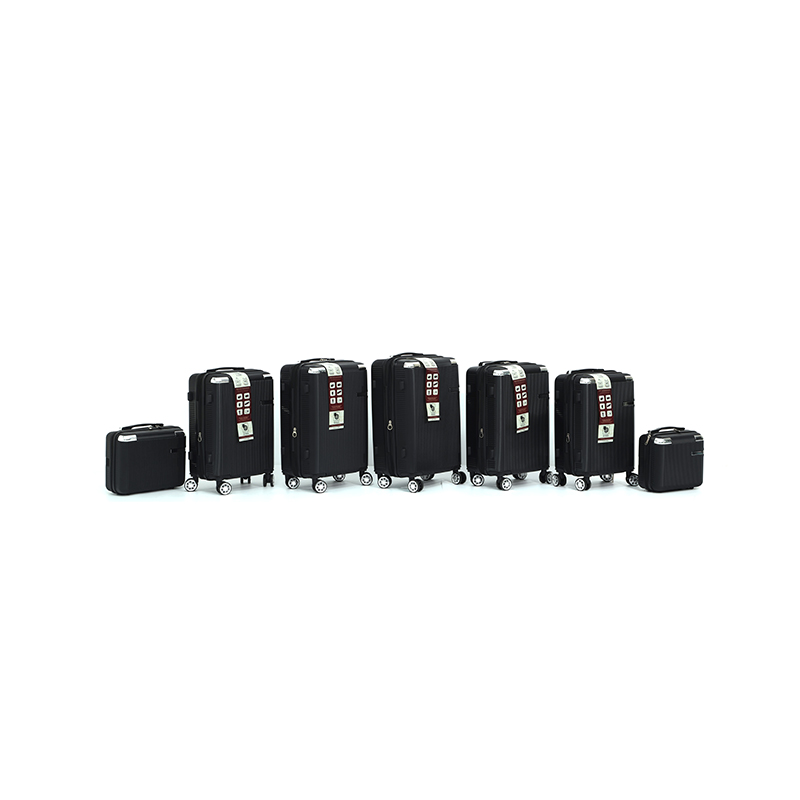
Size:12/14/18/19/20/21/22
Dimension:
31x26x15cm
35x30x16.5cm
52x35x23cm
53.5x35x25cm
56x36x25.5cm
58x38x26.5cm
60x39x28cm
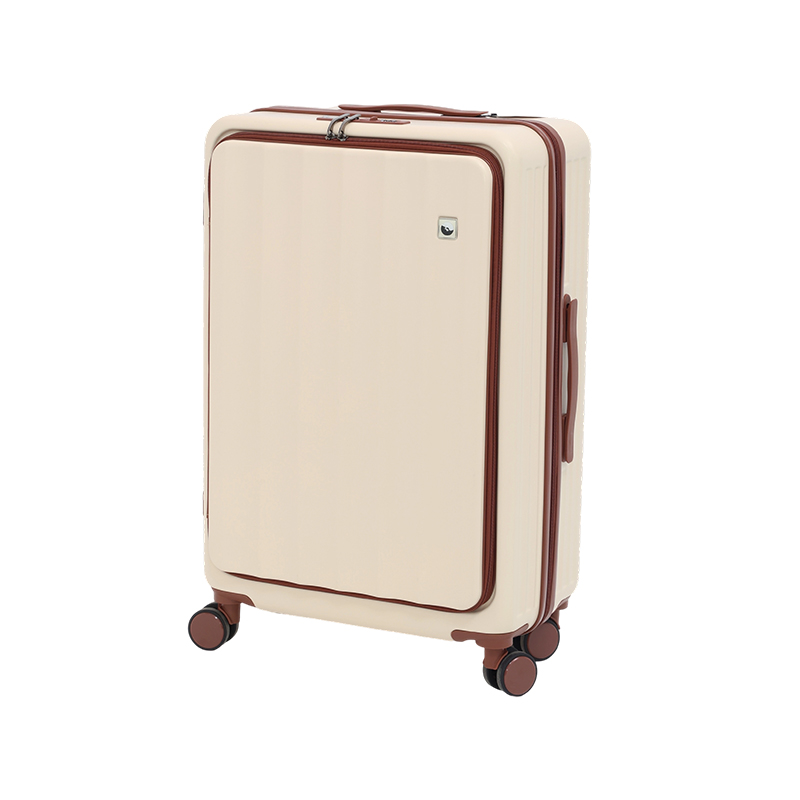
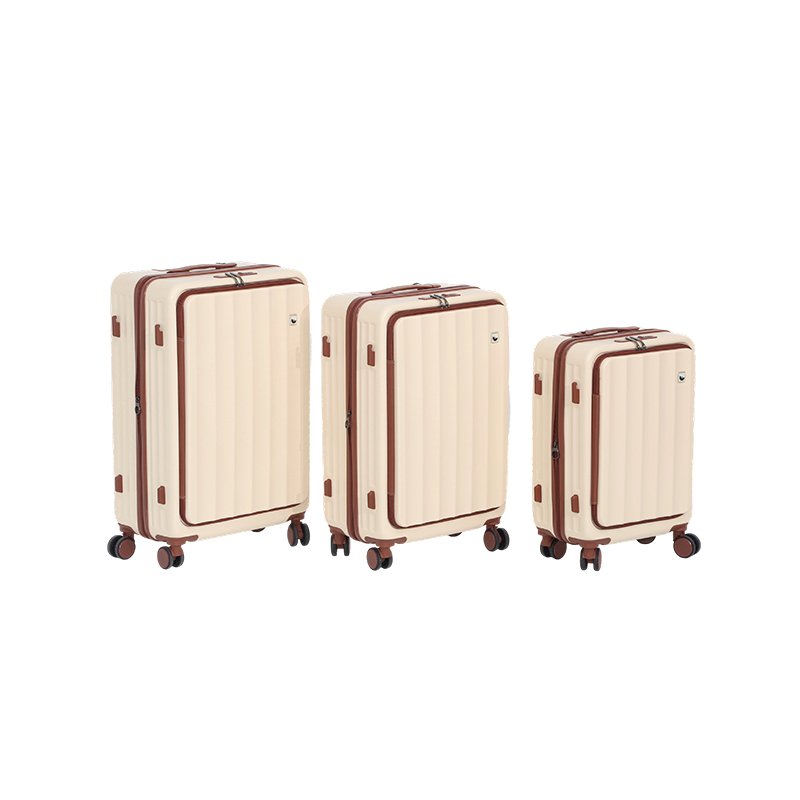
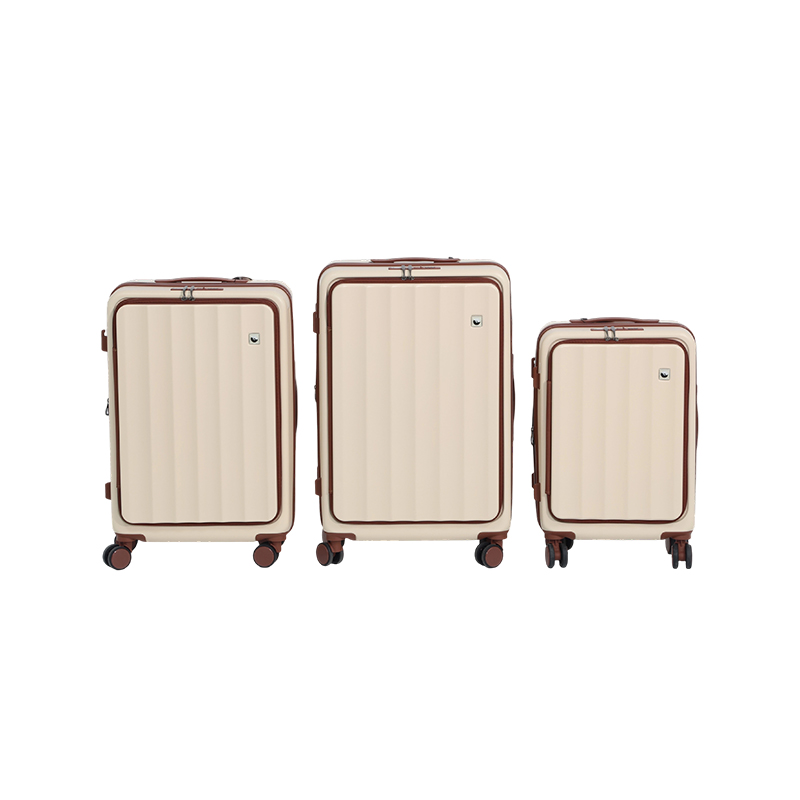
Size:20/24/28
55*35.5*23.5cm
64.5*42.5*26cm
69*45*27.5cm
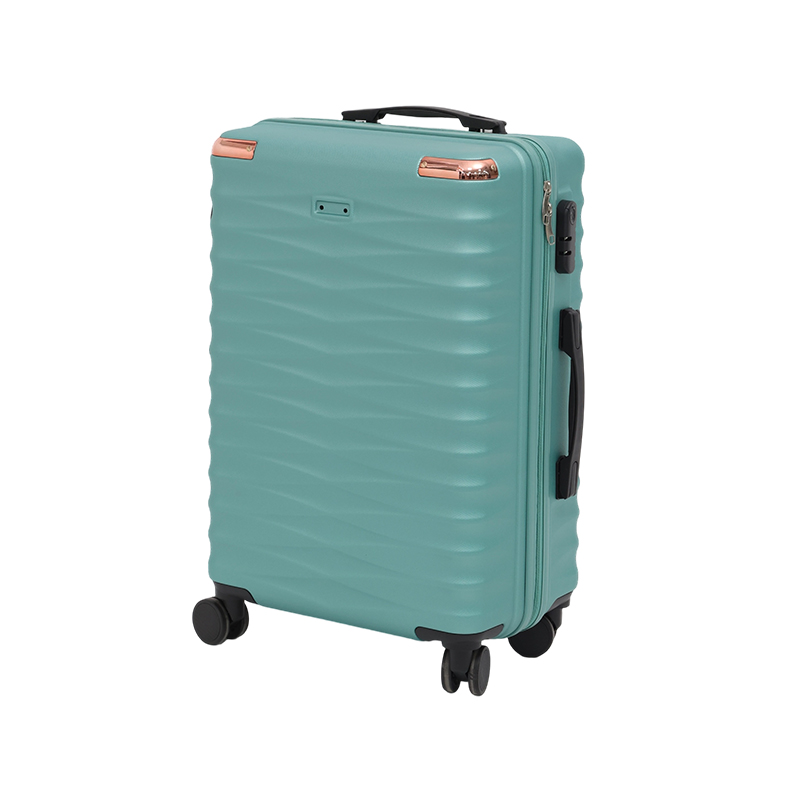
Size:19.5/23.5/27.5
19.5size:53.5×34×21cm/2.41kg
23.5size:61×39×25.5cm/3kg
27.5size:70.5×46×30cm/3.8kg
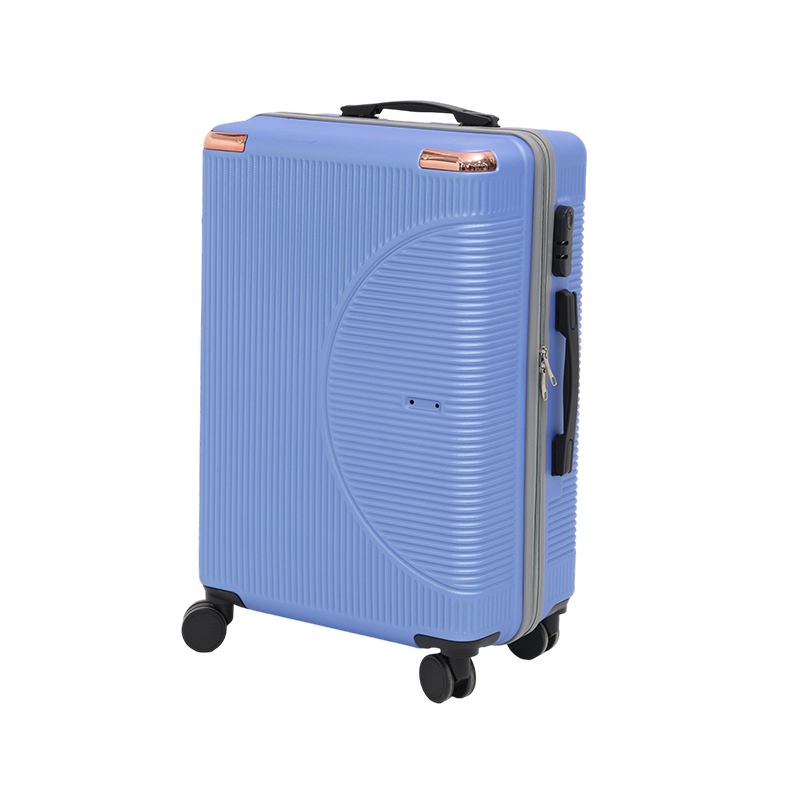
Size:20.5/24.5/28.5
20.5size:56.5×35×22cm/2.62kg
24.5size:64×41.5×27cm/3.35kg
28.5size:74.5×48×32.5cm/4.25kg
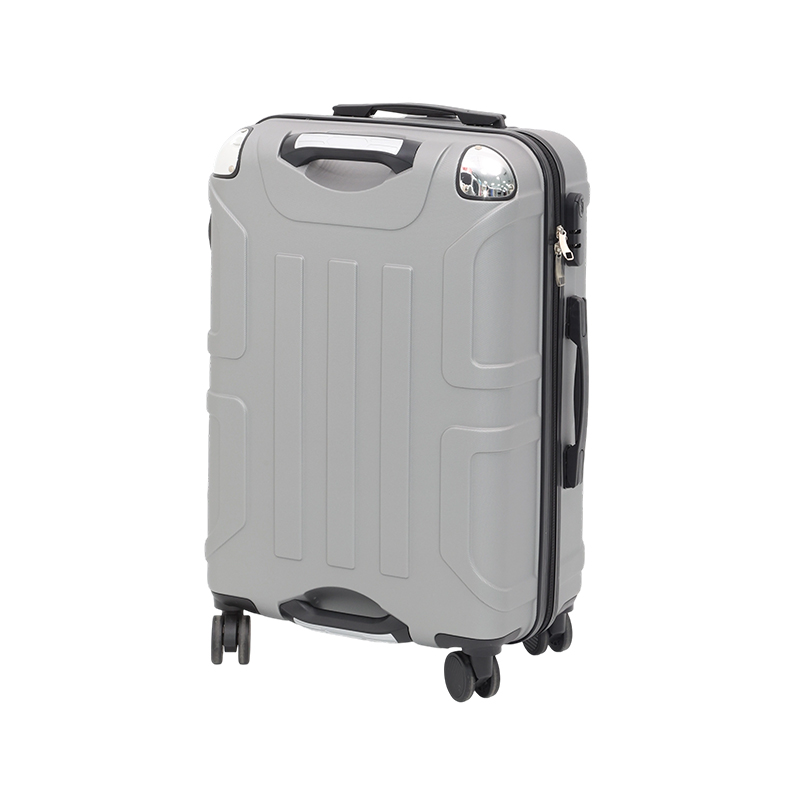
Size:19/23/27
19size: 54.5x34x21.5cm
23size: 62x39.5x25.5cm
27size: 71x46x29.5cm
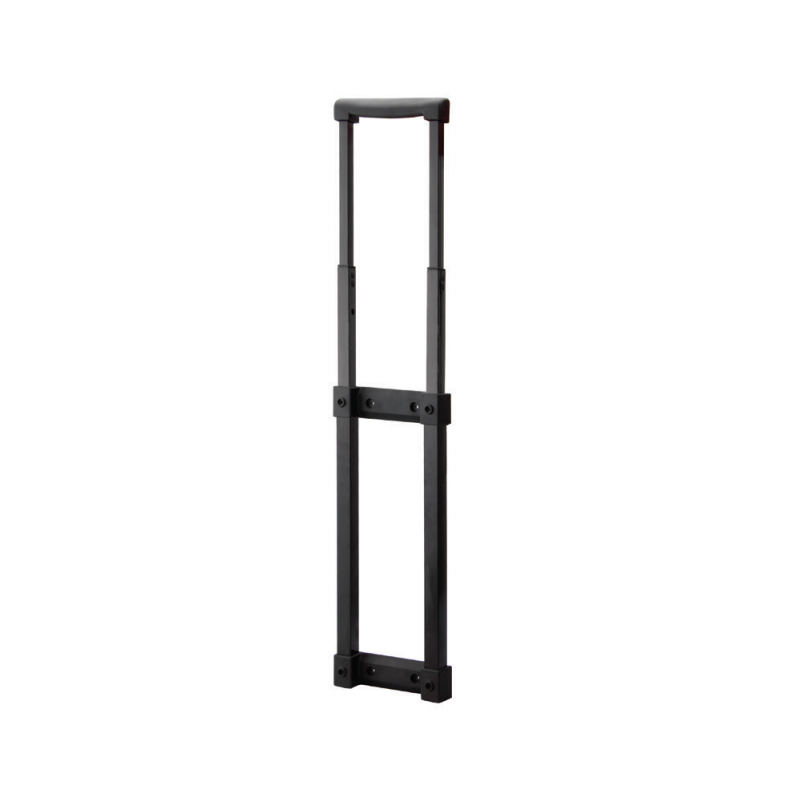
Model: LG-008
Sections: 2/3 sections
Small tube: 13×13mm
Middle tube: 16.5×16.5mm
Outer tube: 20×20mm
Outer tube: Iron tube
Inner tube: Iron tube
L: Specified length
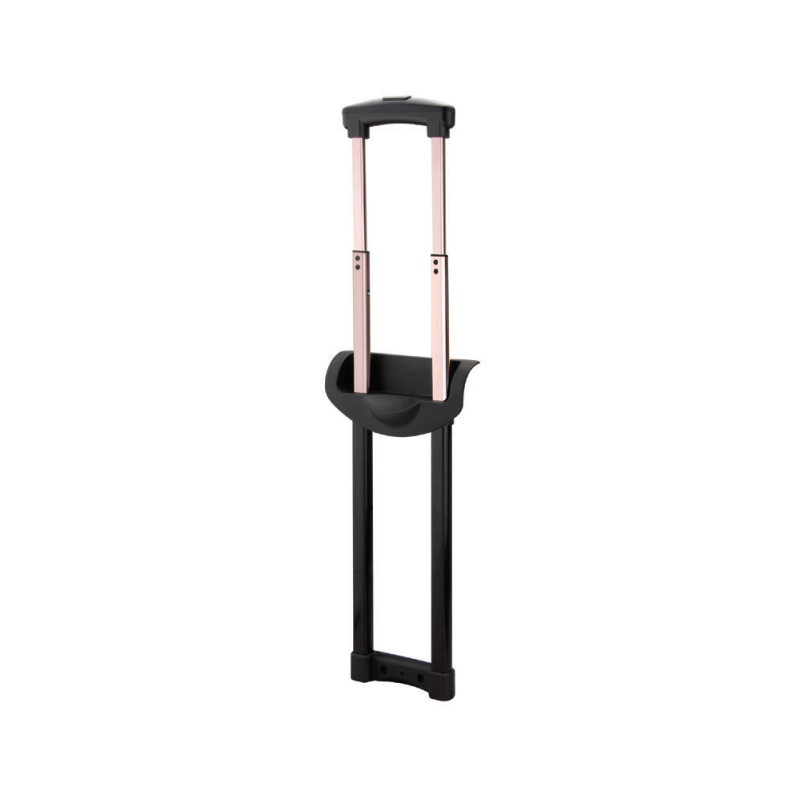
Model: LG-015B
Sections: 2/3 sections
Small tube: 12×18mm
Middle tube:17×23mm
Outer tube: 21×27mm
Outer tube: Iron tube
Inner tube: Aluminium tube, iron tube
L: Specified length
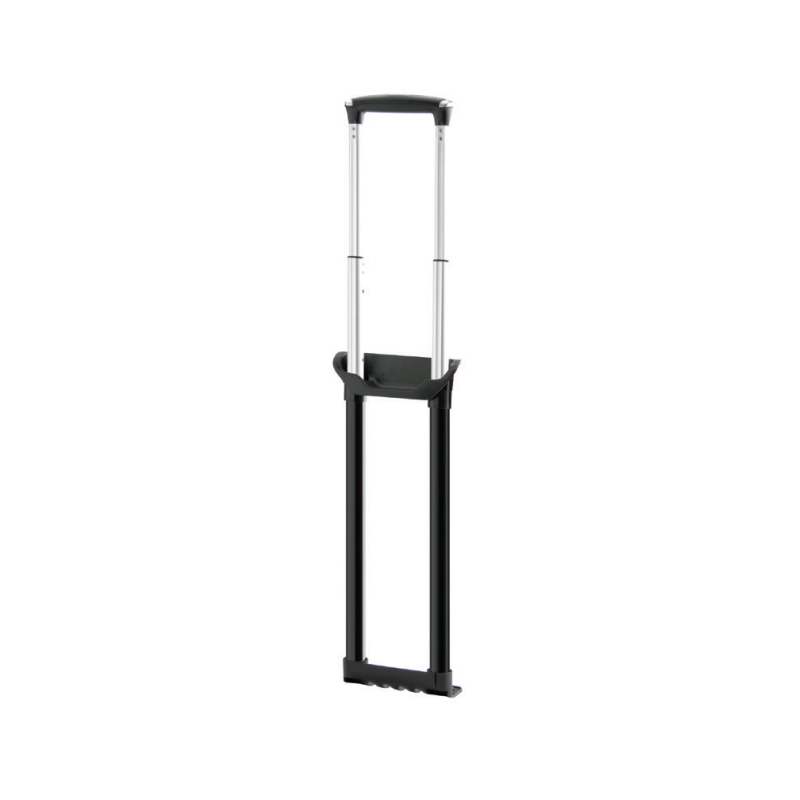
Model: LG-041
Number of sections: 2/3 sections
Small tube: 13×20.3mm
Middle tube:17.5×24.5mm
Outer tube: 21.5×28.5mm
Outer tube: Iron tube, Aluminium tube
Inner tube: Aluminium tube
L: Specified length
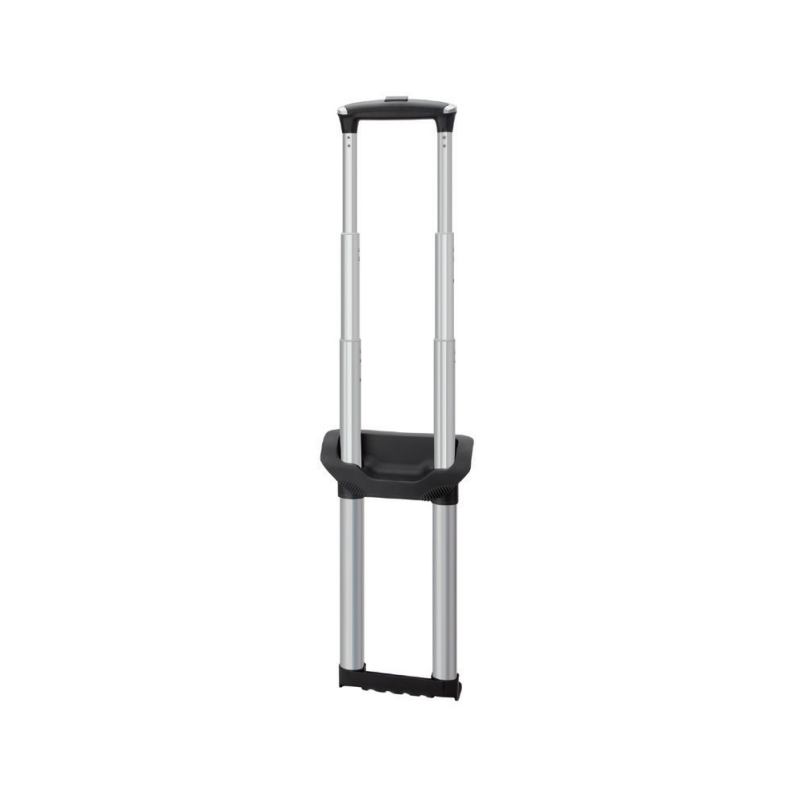
Model: LG-069
Number of sections: 4 sections
Small tube: 13×20.3mm
Middle tube:17.5×24.5mm
Outer tube: 19.5×27.5mm
Outer tube: 25.1×33.3mm
Outer tube: Iron tube
Inner tube: Aluminium tube
L: Specified length
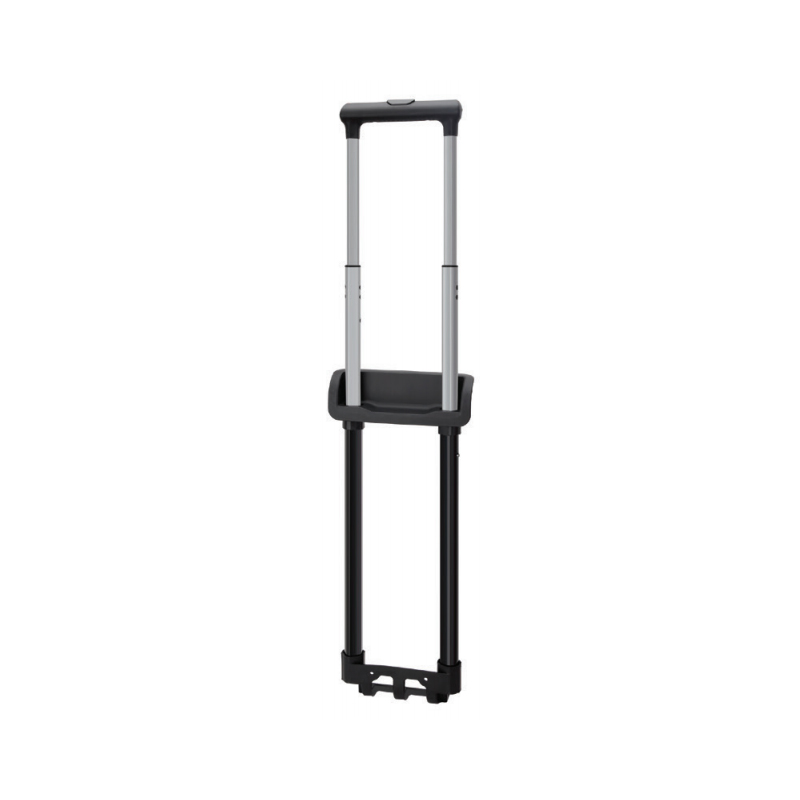
Model: LG-072
Number of sections: 2/3 sections
Small tube: 12×17.4mm
Middle tube:16.3×21.1mm
Outer tube: 21.2×25.1mm
Outer tube: Iron tube
Inner tube: Iron tube, Aluminium tube
L: Specified length
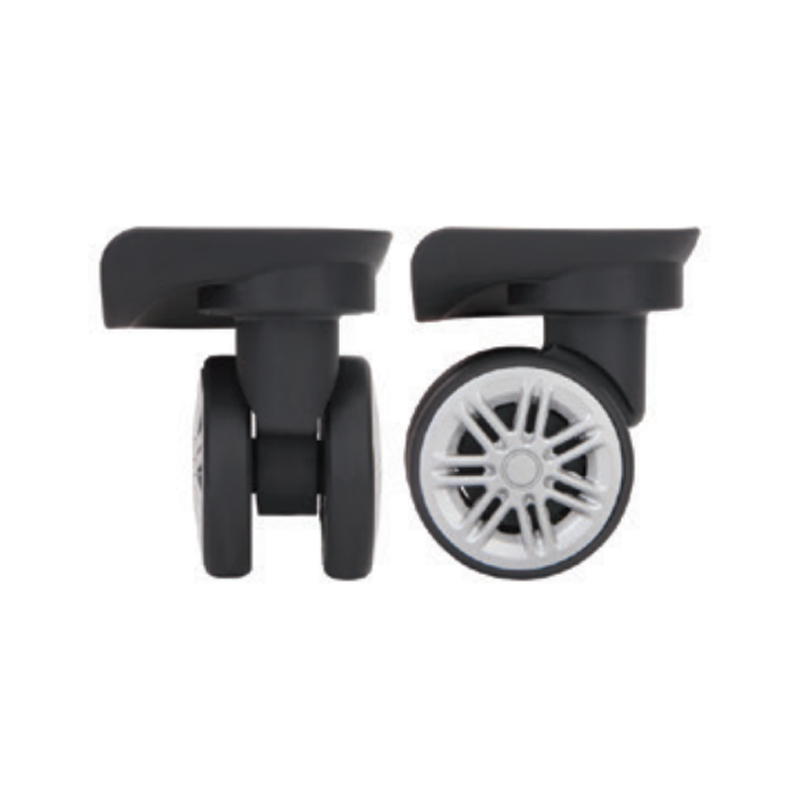
Model: Y-035-7-11
Specification: O: 50

