


 English
 中文简体
中文简体 русский
 Español
 عربى
عربى
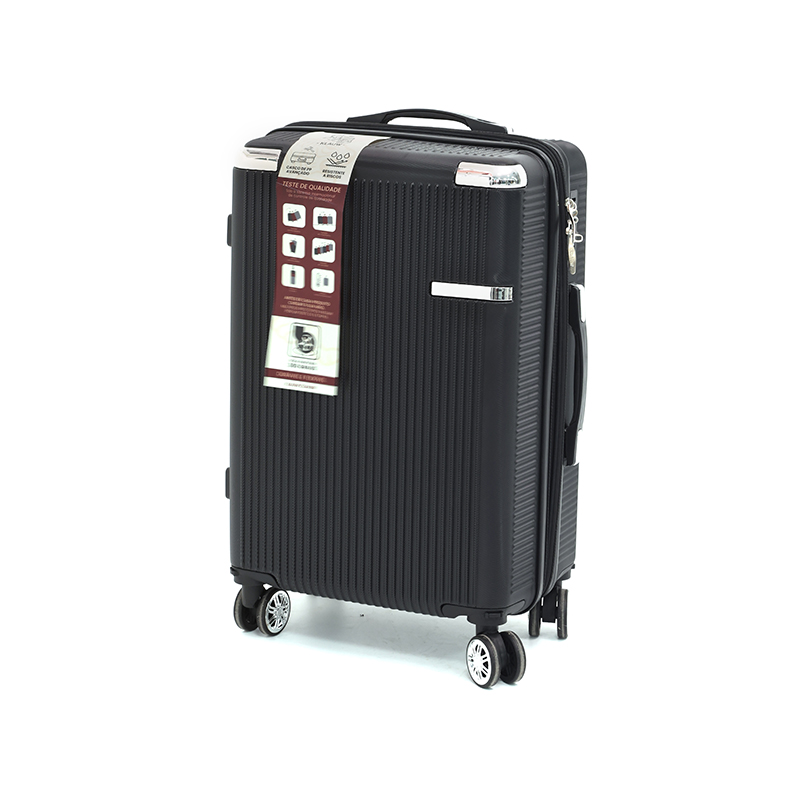
H-016 Ethylene-Vinyl Acetate Fabric Suitcase
Material:600 Polyester
Size:20"24"28"32"




You can't just hollow out a shell and call it lightweight. Make the walls too thin and the bag folds under cargo pressure. Pick a frame material that's too rigid without being strong enough and it shatters on impact rather than flexing. The engineering behind a genuinely lightweight carry-on suitcase is less obvious than it looks from the outside.
Polycarbonate has become the standard hard-shell choice for good reason — it bends on impact rather than cracking, which lets manufacturers use thinner panels without ending up with a fragile product. Some designs now mix polycarbonate with ABS in a layered composite, which shaves a bit more off the weight while reinforcing the corners and frame edges where stress actually concentrates. It's not glamorous material science, but it works.
Soft-shell lightweight carry-ons work differently. Ballistic nylon and high-denier polyester are tough against tearing and surface abrasion, and a soft-sided bag can compress slightly when an overhead bin is packed tighter than expected. The downside is real, though — anything fragile packed inside a soft shell is depending on padding and luck rather than a rigid outer layer.
Weight and dimensions get all the attention, but a lightweight carry-on suitcase with a badly designed interior becomes frustrating during the trip. No compression straps means clothes shift during transit and arrive creased. A single undivided compartment means you're unpacking half the bag at security to reach what's at the bottom. Small details — a zip mesh panel, a couple of elastic loops, one secure outer pocket — make a real difference to how usable the bag actually feels day to day.
A rear-panel laptop sleeve is worth looking for if you travel for work. Not because the sleeve itself is complicated, but because being able to pull out just your laptop at security — without opening the main compartment — keeps the line moving and your packing intact. Minor thing in isolation. Fewer minors across a year of weekly flights.
Hard shells hold their shape, protect breakables, and clean up easily after a dirty carousel. They look put-together after a dozen trips in a way that fabric bags often don't. Soft shells pack a bit lighter, flex into tighter spaces, and usually offer grab-and-go exterior pockets that hard cases can't match. Neither format is wrong. What matters is which one fits how you actually travel — not how you imagine you'll travel.
One detail that rarely gets enough attention: zipper construction. A carry-on gets opened and closed constantly — at packing, at security, at the hotel, at the airport again on the way back. Cheap zipper coils start catching within a few months. Reinforced tape and a well-manufactured pull make the bag genuinely nicer to use over time. It sounds minor until your zipper jams at 5 a.m. before a connection.
A well-made lightweight carry-on suitcase costs more than a basic bag from a discount retailer. That's just true. But run the math across a year of travel and the picture shifts. One avoided checked-bag fee covers a chunk of the price difference. Thirty fewer minutes at baggage claim per trip — across fifteen or twenty flights — starts to feel like it has actual value. And not replacing a broken bag every eighteen months matters too. Spend more once, replace less often. That's roughly how it works out.
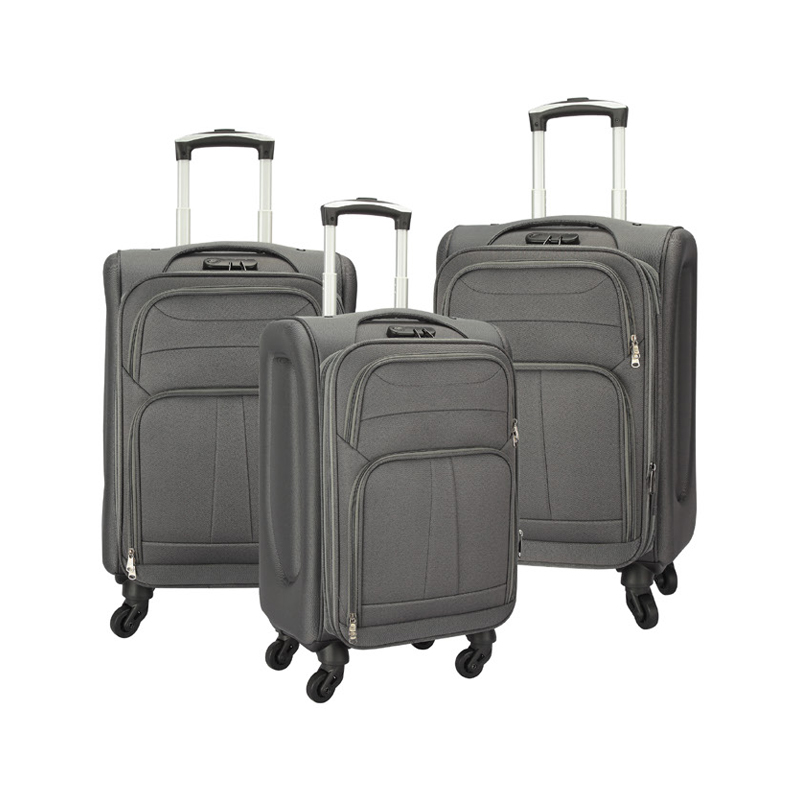
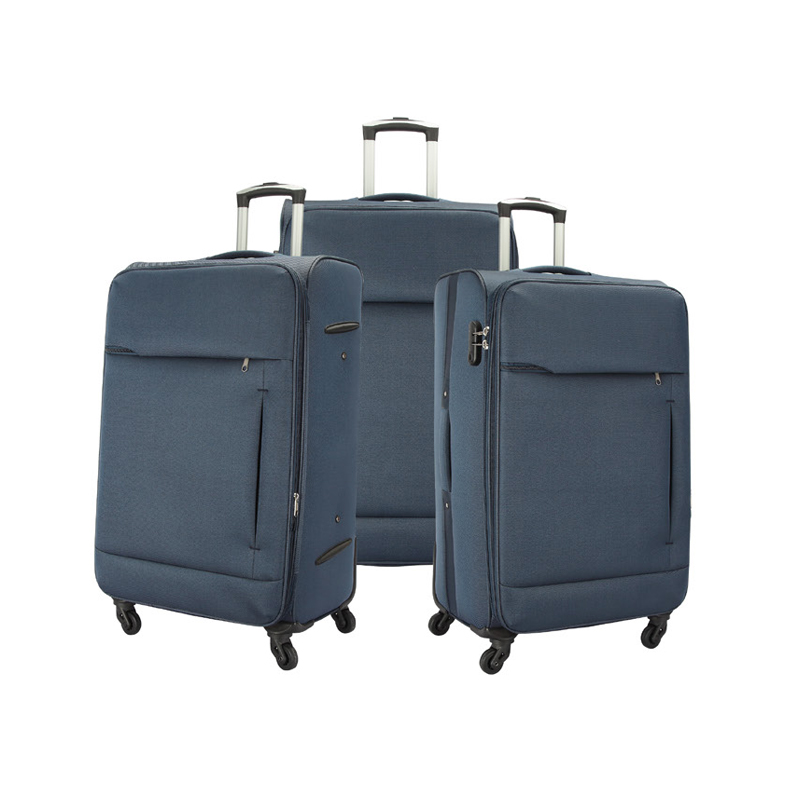
Material:600 Polyester
Size:20"24"28"32"
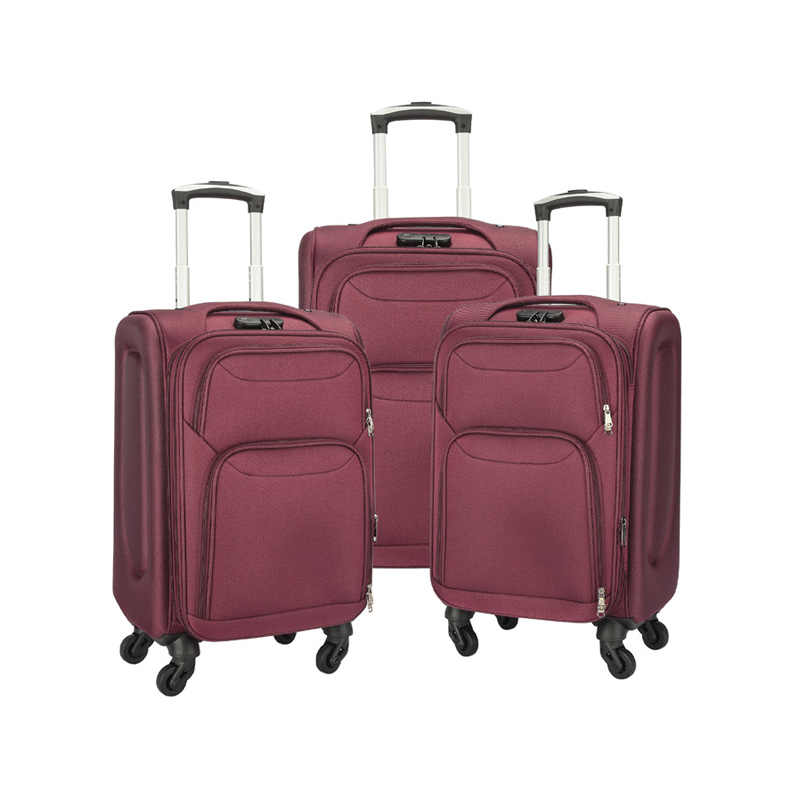
Material:600 Polyester
Size:20"24"28"32"
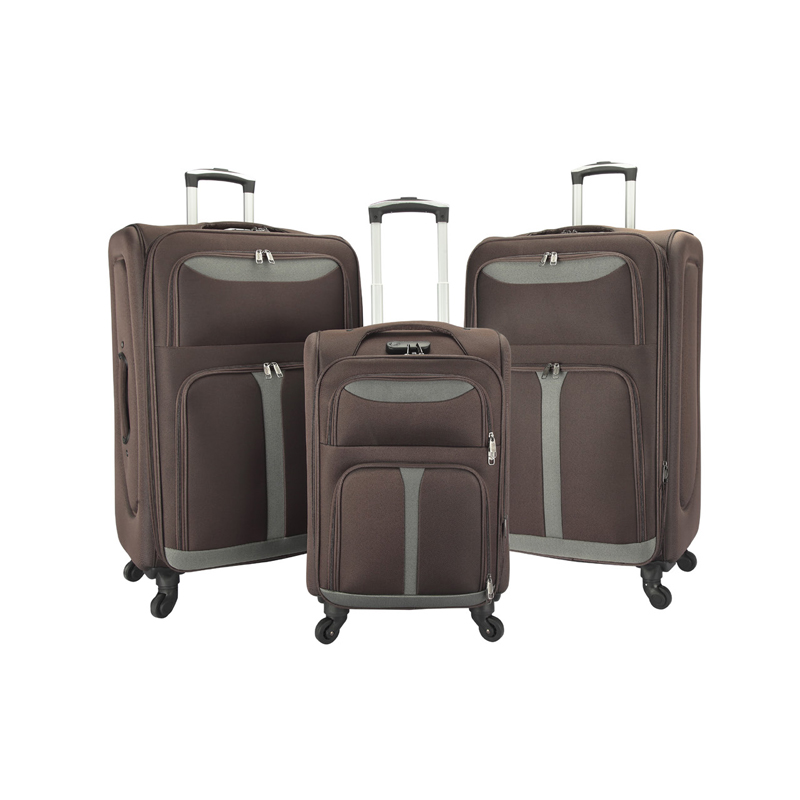
Material:600 Polyester
Size:20"24"28"32"
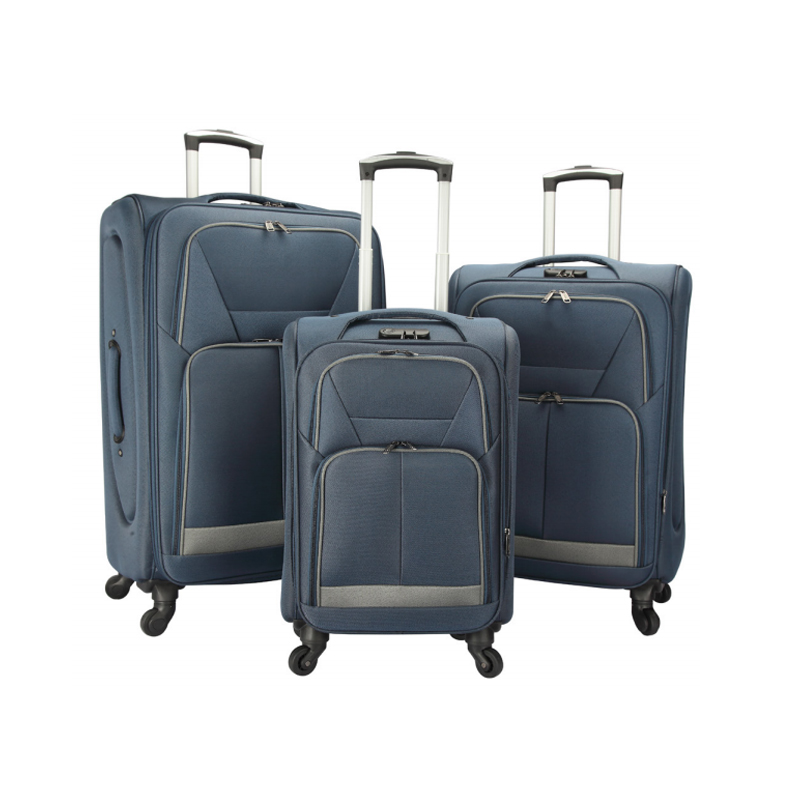
Material:600 Polyester
Size:20"24"28"32"
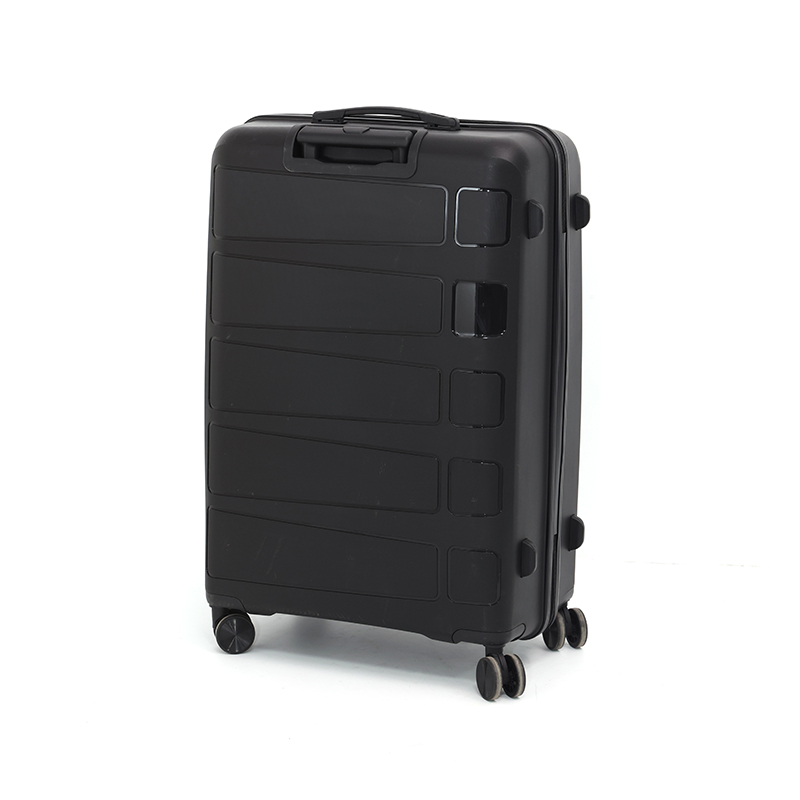
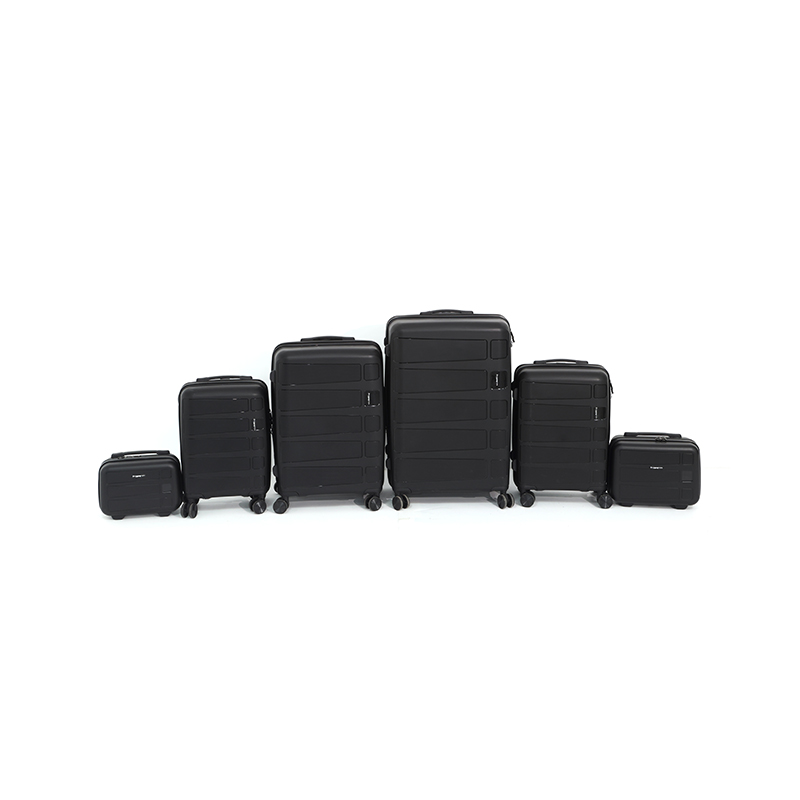
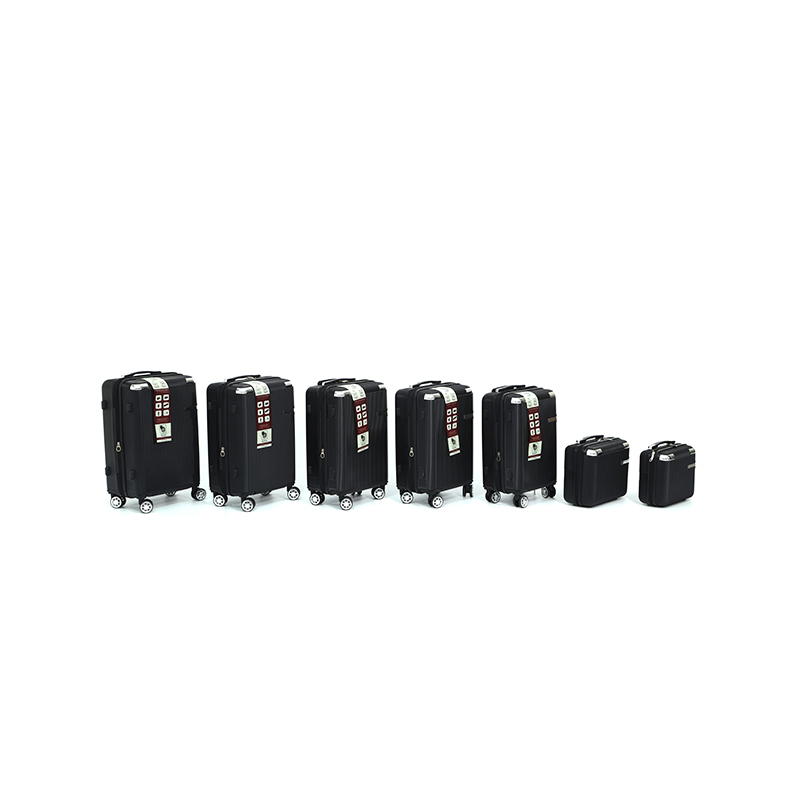
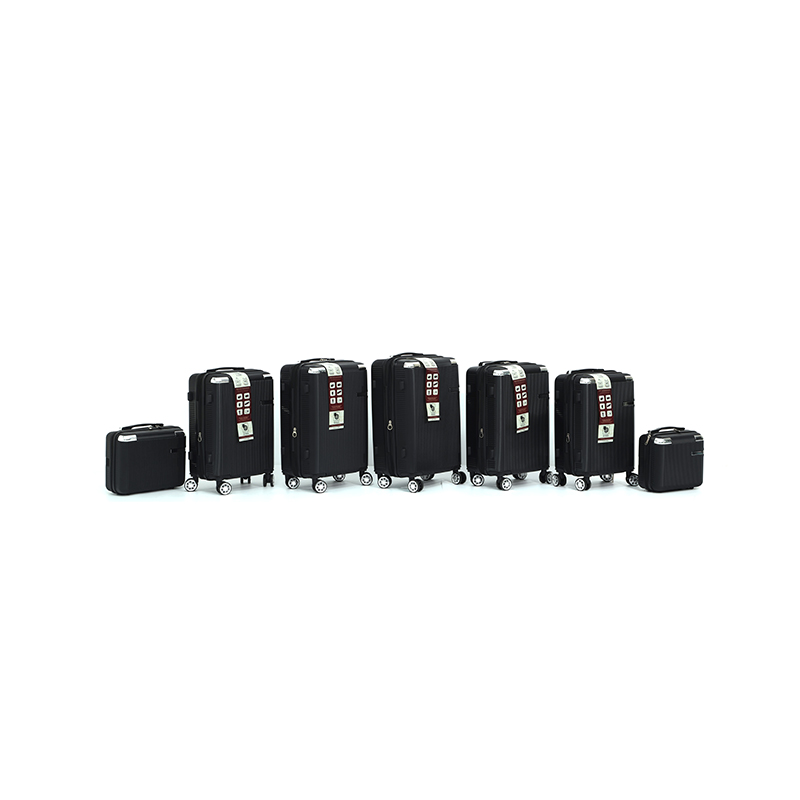
Size:12/14/18/20/24/28
31*21.5*14.5cm
33*25*16.5cm
50*33*20cm
53.5*35.5*23cm
63.5*42.5*27.5cm
73.5*49.5*30.5cm
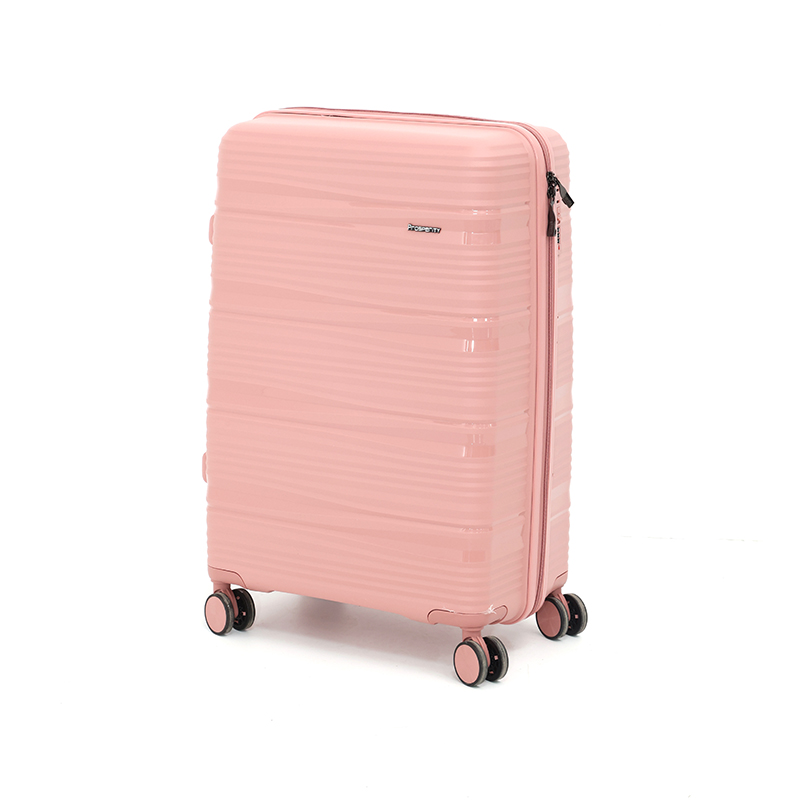
Size:14/18/22/26/30
33*25*16.5cm
50*33*20cm
59*38.5*24.5cm
68.5*44.5*29cm
78*51.5*34cm
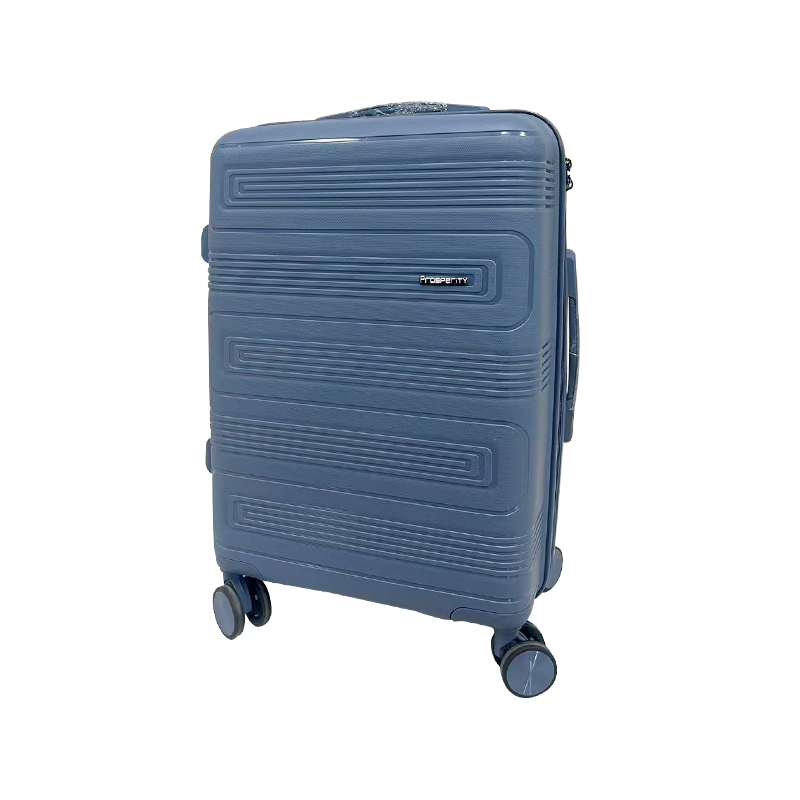
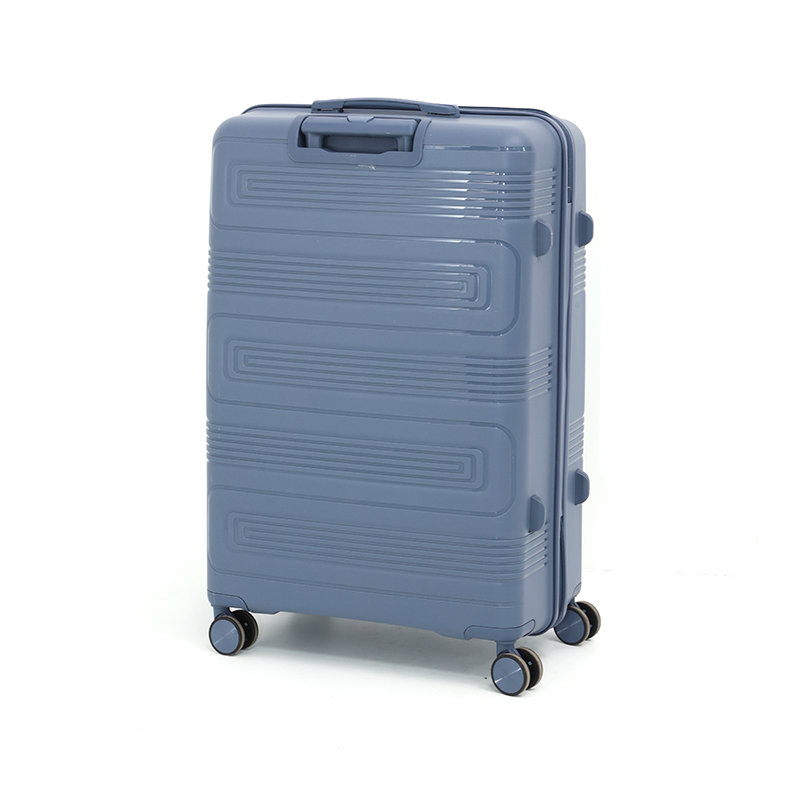
Size:15/21/25/29
37*26.5*18cm
56.5*37.5*23.5cm
65.5*43.5*28cm
76*50.5*31cm
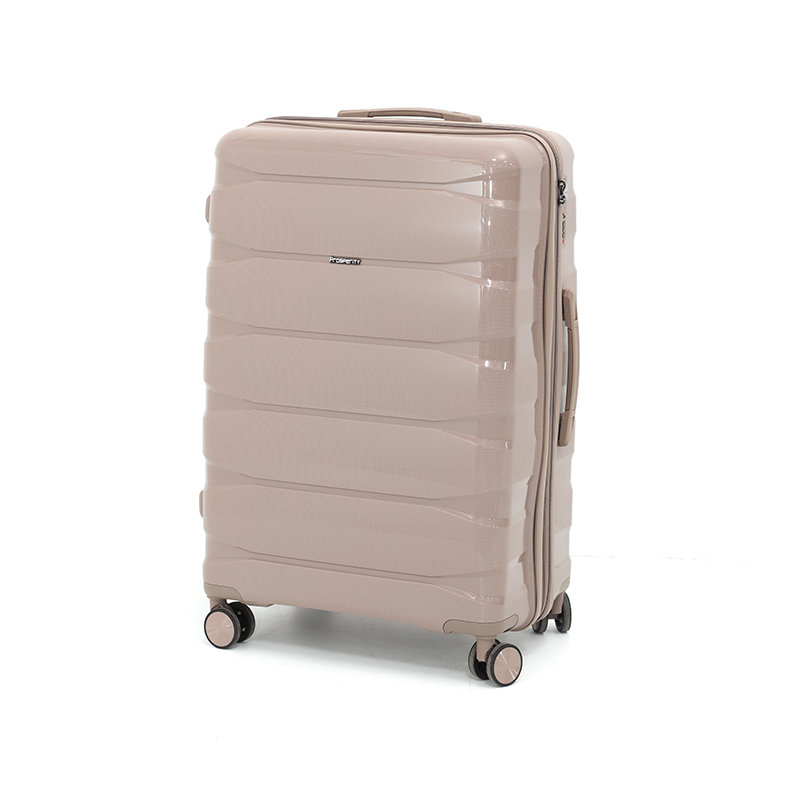
Size:13/19/23/27
32*22.5*16cm
52*34*21cm
61*40.5*26cm
70.5*46.5*29.5cm
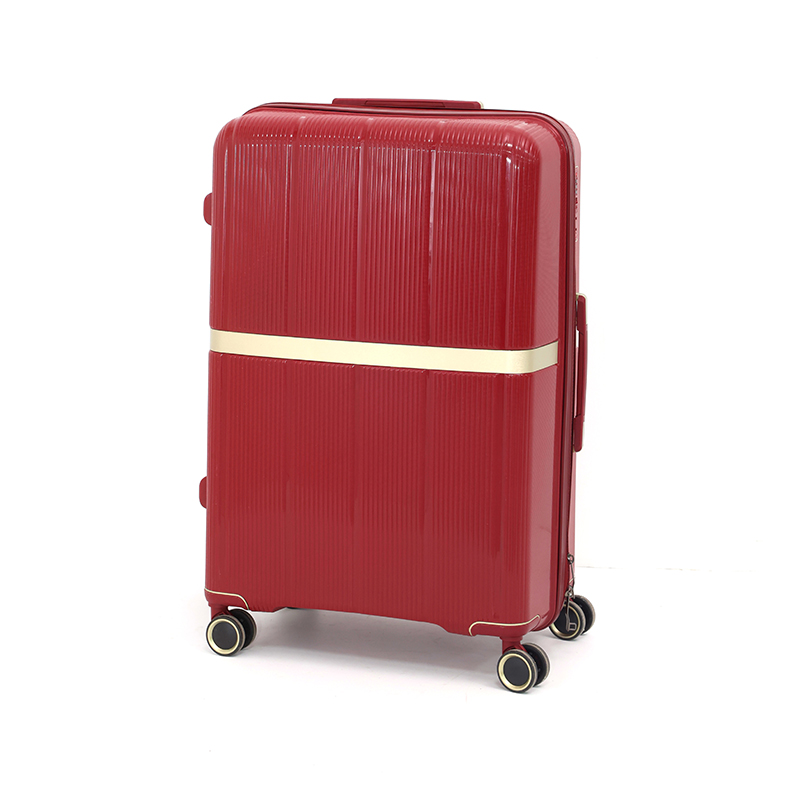
Size:14/18/20/24/28
33*25*16.5cm
50*33*20cm
53.5*35.5*23cm
63.5*42.5*27.5cm
73.5*49.5*30.5cm
Size:12/14/18/19/20/21/22
Dimension:
31x26x15cm
35x30x16.5cm
52x35x23cm
53.5x35x25cm
56x36x25.5cm
58x38x26.5cm
60x39x28cm
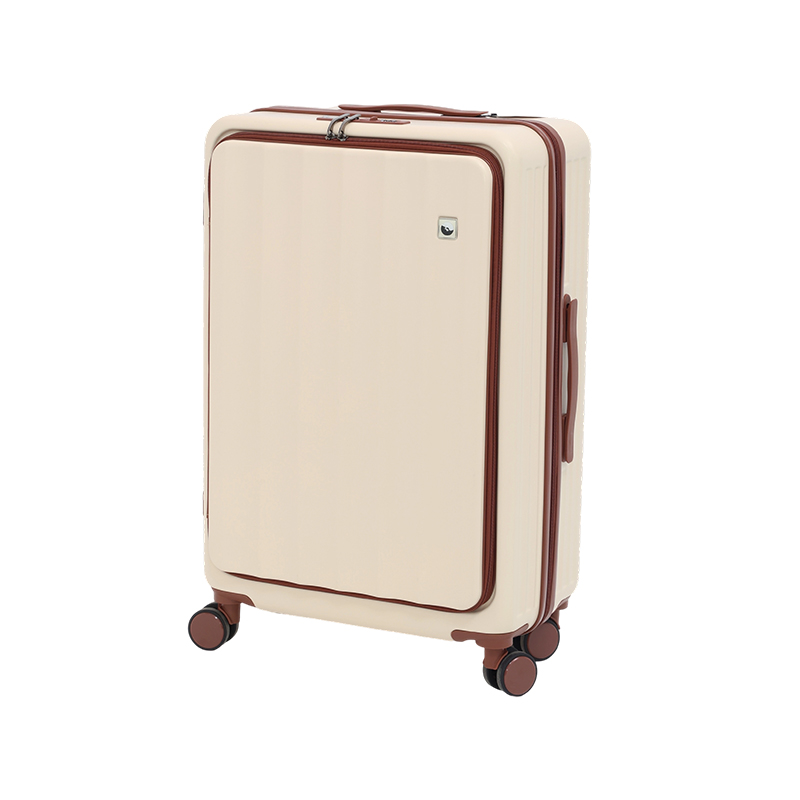
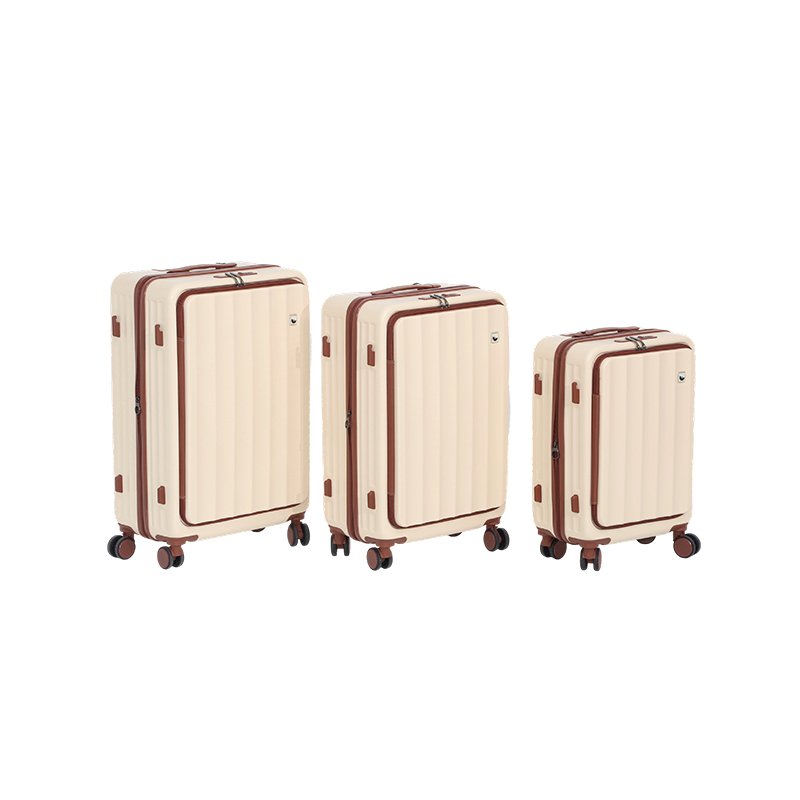
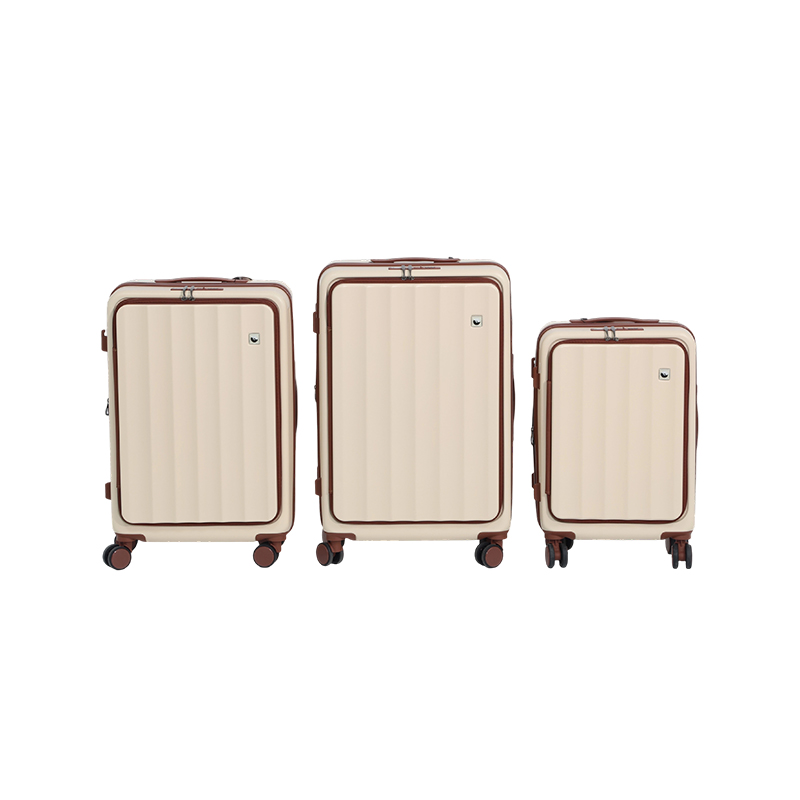
Size:20/24/28
55*35.5*23.5cm
64.5*42.5*26cm
69*45*27.5cm
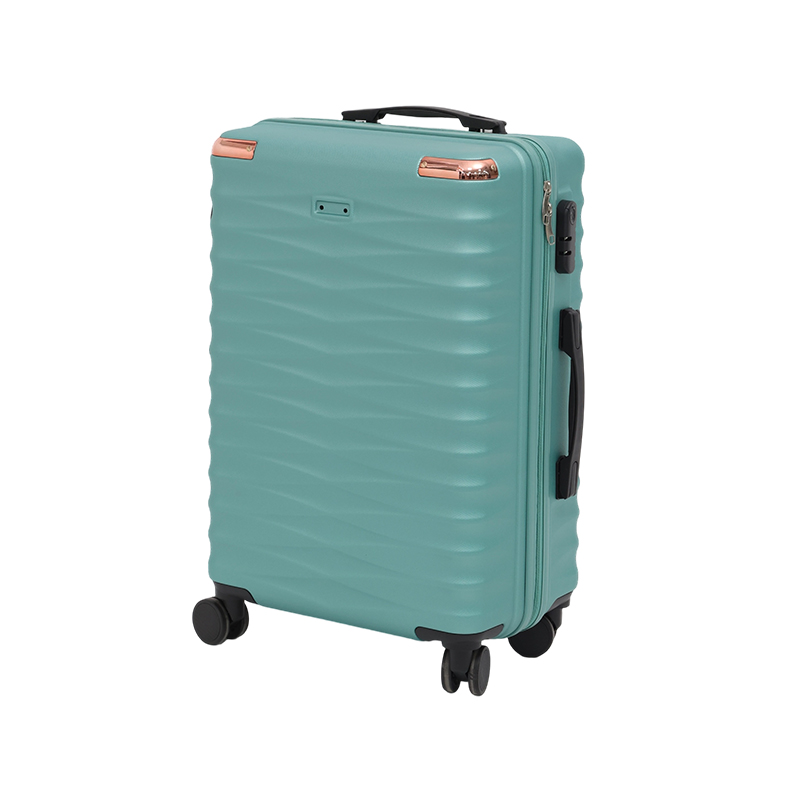
Size:19.5/23.5/27.5
19.5size:53.5×34×21cm/2.41kg
23.5size:61×39×25.5cm/3kg
27.5size:70.5×46×30cm/3.8kg
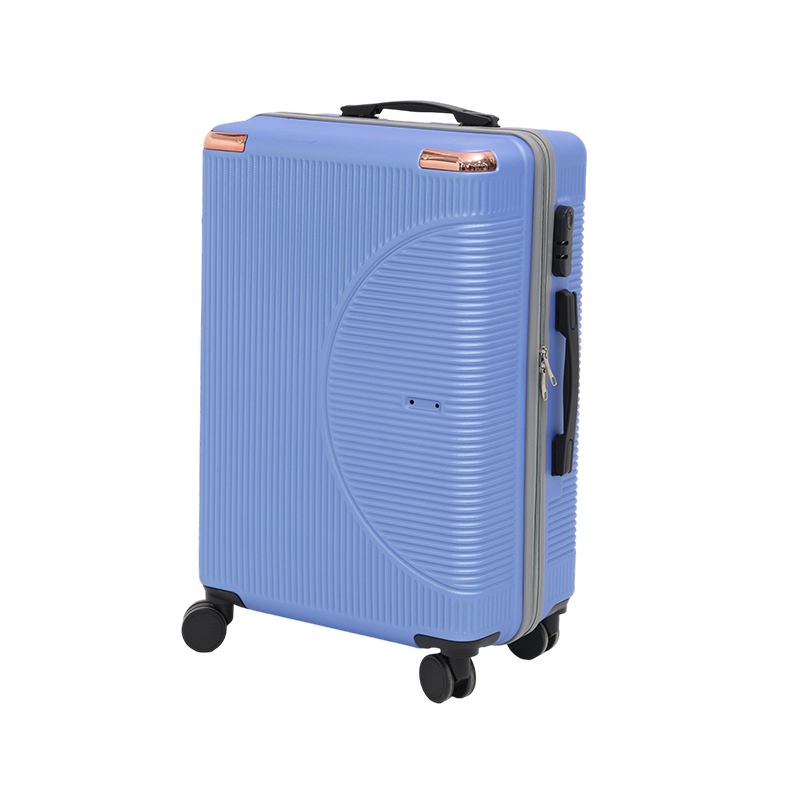
Size:20.5/24.5/28.5
20.5size:56.5×35×22cm/2.62kg
24.5size:64×41.5×27cm/3.35kg
28.5size:74.5×48×32.5cm/4.25kg
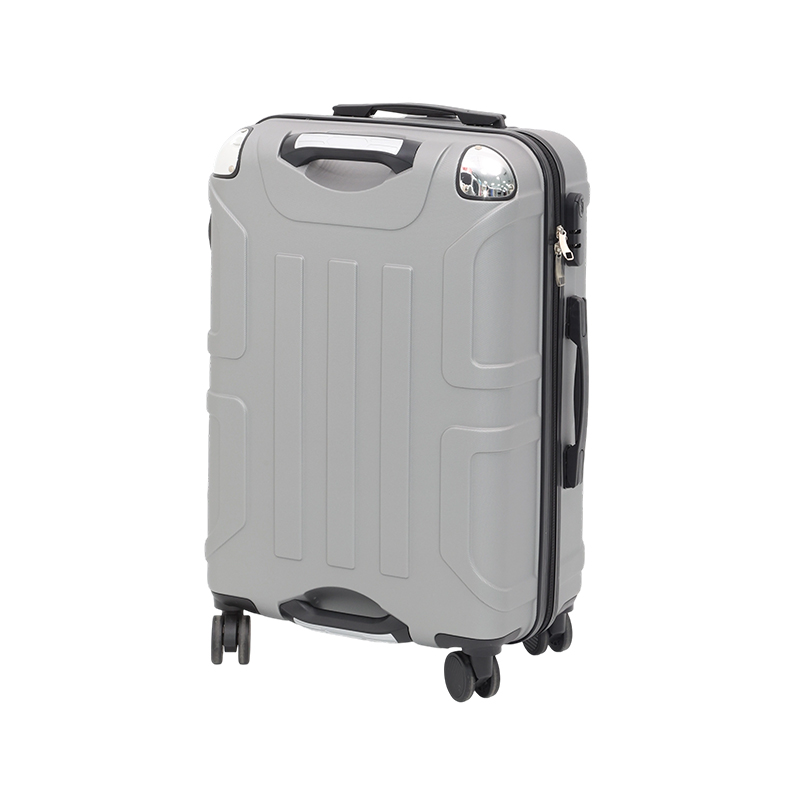
Size:19/23/27
19size: 54.5x34x21.5cm
23size: 62x39.5x25.5cm
27size: 71x46x29.5cm
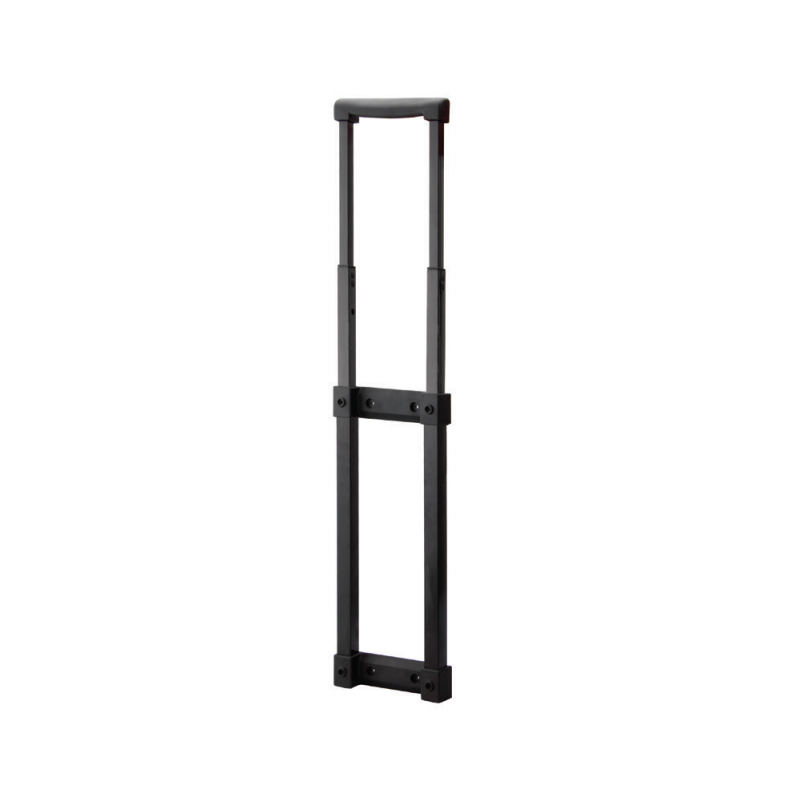
Model: LG-008
Sections: 2/3 sections
Small tube: 13×13mm
Middle tube: 16.5×16.5mm
Outer tube: 20×20mm
Outer tube: Iron tube
Inner tube: Iron tube
L: Specified length
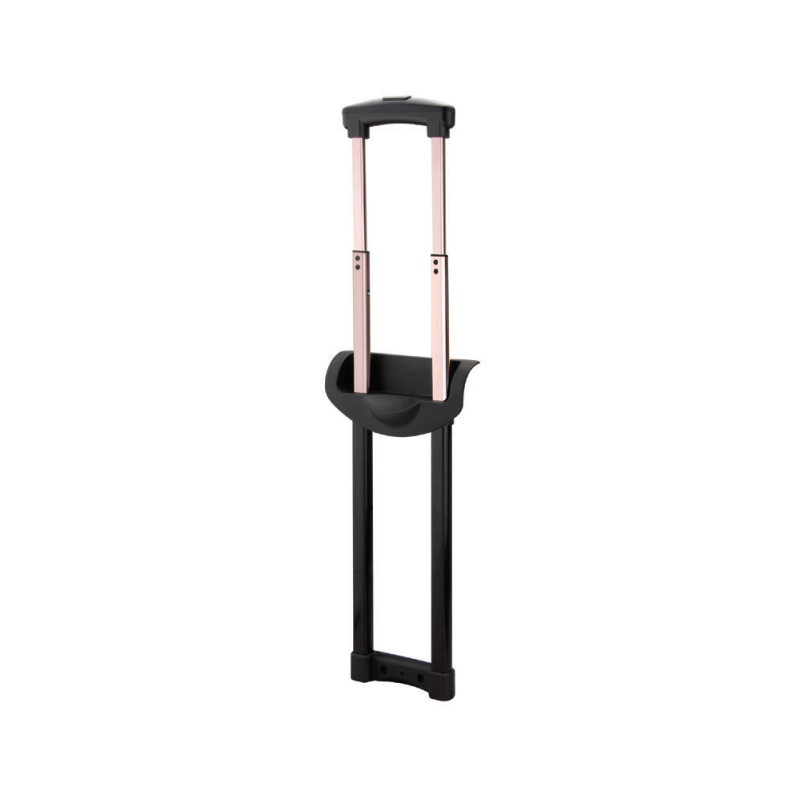
Model: LG-015B
Sections: 2/3 sections
Small tube: 12×18mm
Middle tube:17×23mm
Outer tube: 21×27mm
Outer tube: Iron tube
Inner tube: Aluminium tube, iron tube
L: Specified length
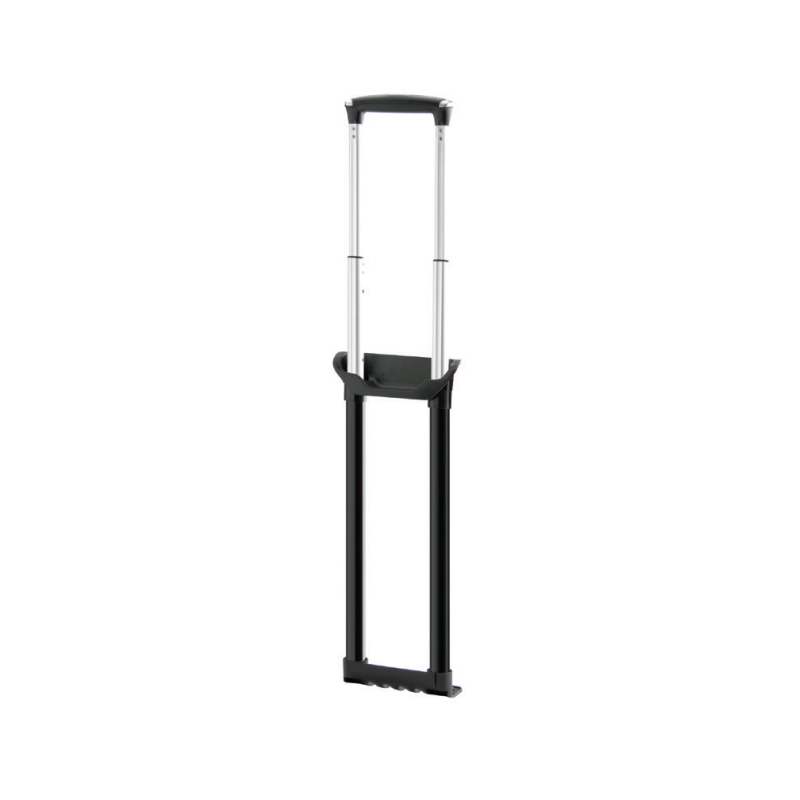
Model: LG-041
Number of sections: 2/3 sections
Small tube: 13×20.3mm
Middle tube:17.5×24.5mm
Outer tube: 21.5×28.5mm
Outer tube: Iron tube, Aluminium tube
Inner tube: Aluminium tube
L: Specified length
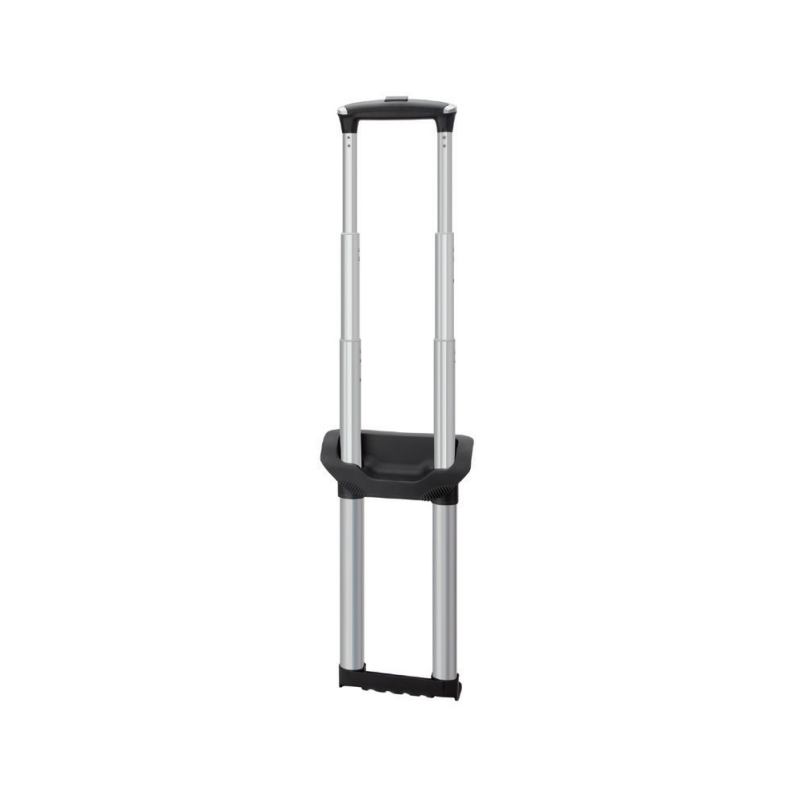
Model: LG-069
Number of sections: 4 sections
Small tube: 13×20.3mm
Middle tube:17.5×24.5mm
Outer tube: 19.5×27.5mm
Outer tube: 25.1×33.3mm
Outer tube: Iron tube
Inner tube: Aluminium tube
L: Specified length
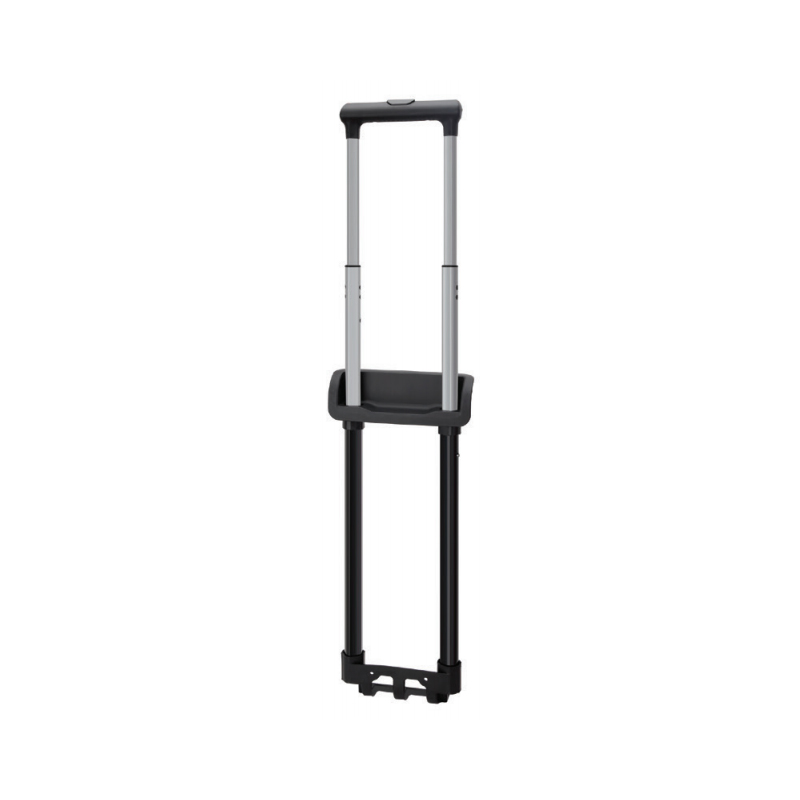
Model: LG-072
Number of sections: 2/3 sections
Small tube: 12×17.4mm
Middle tube:16.3×21.1mm
Outer tube: 21.2×25.1mm
Outer tube: Iron tube
Inner tube: Iron tube, Aluminium tube
L: Specified length
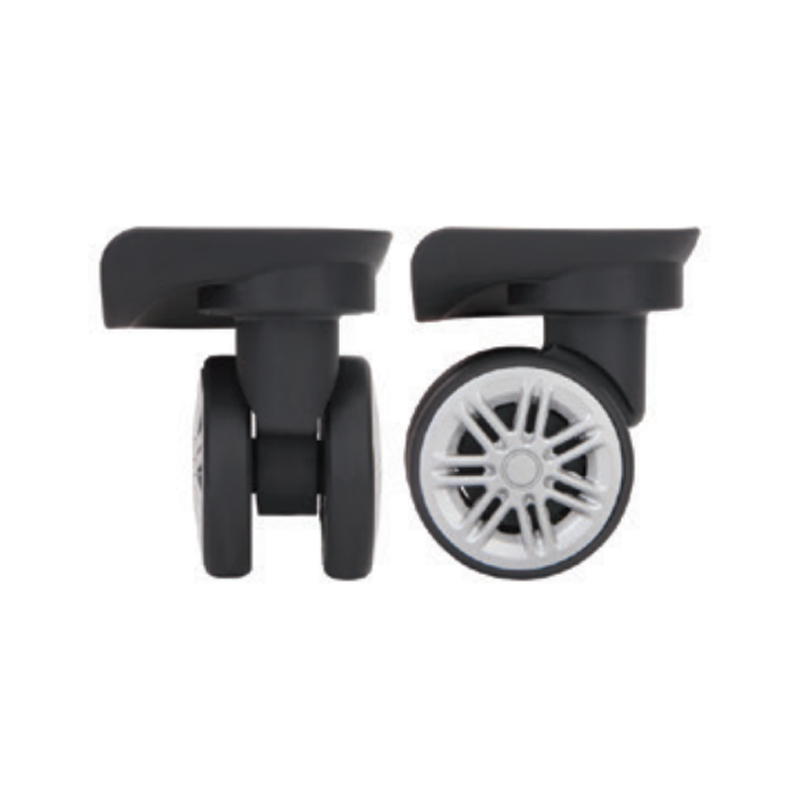
Model: Y-035-7-11
Specification: O: 50

