


 English
 中文简体
中文简体 русский
 Español
 عربى
عربى
H-016 Ethylene-Vinyl Acetate Fabric Suitcase
Material:600 Polyester
Size:20"24"28"32"




The suitcase with combination lock has moved from a niche security feature to a baseline expectation for a significant share of the traveling public. Whether for business trips, international travel, or extended stays, luggage that offers built-in locking without the need to carry a separate key has become a practical default for people who move through airports and hotels regularly. The shift reflects both changes in how people think about travel security and the wider availability of luggage designed with integrated locking as a standard feature rather than an upgrade.
Combination locks on suitcases come in two broad configurations. There is a built-in dial lock, typically a three-digit or four-digit mechanism integrated directly into the zipper pull system or the frame latch. The second involves a separate combination padlock threaded through the zipper pulls, which can be removed or replaced independently of the bag itself. Built-in systems are more common on hard-shell luggage, where the locking mechanism is often incorporated into the frame hardware. Soft-shell bags more frequently rely on add-on locks, though integrated options exist across both categories.
The three-digit combination remains common on budget and mid-range luggage, offering a pool of 1,000 possible codes. Four-digit systems raise that to 10,000 combinations, which provides a meaningful step up in resistance to casual guessing or sequential attempts. Neither system is designed to stop a determined effort with tools, but both present enough of a barrier to deter opportunistic access in hotel rooms, storage areas, or during transit. The combination lock's practical value is less about defeating a focused attack and more about reducing exposure to low-effort theft.
Hard-shell suitcases with frame latches and integrated combination locks are often used for carrying checked luggage, valuables, electronics, or documents that the traveler would rather not transfer to a carry-on. The rigid shell and locking latch together make the bag harder to access quickly, which is the relevant scenario in travel theft situations. Soft-shell bags with combination locks are more commonly used as cabin luggage, where the lock functions more as a tamper indicator than a serious deterrent, since soft shells can be accessed through the material itself regardless of zipper security.
Frame construction and zipper quality interact with lock security in ways that are not always obvious from product listings. A combination lock on a bag with lightweight zippers and thin zipper tape provides limited protection, because the zipper can be separated and re-closed with a ballpoint pen regardless of whether the lock is engaged. Luggage designed with security in mind typically combines a reliable locking mechanism with reinforced zipper construction or, in the case of hard shells, frame latches that resist prying. Shoppers comparing options benefit from evaluating the full closure system rather than focusing on the lock alone.
The Suitcase With Combination Lock appeals across a range of traveler profiles — from students checking bags on budget carriers to business travelers moving through multiple cities in a single week. Its continued presence across luggage lines at varied price points reflects straightforward demand: people want a bag they can secure without tracking a key, and manufacturers have settled on the combination lock as the mechanism that delivers that in a format many travelers find usable.
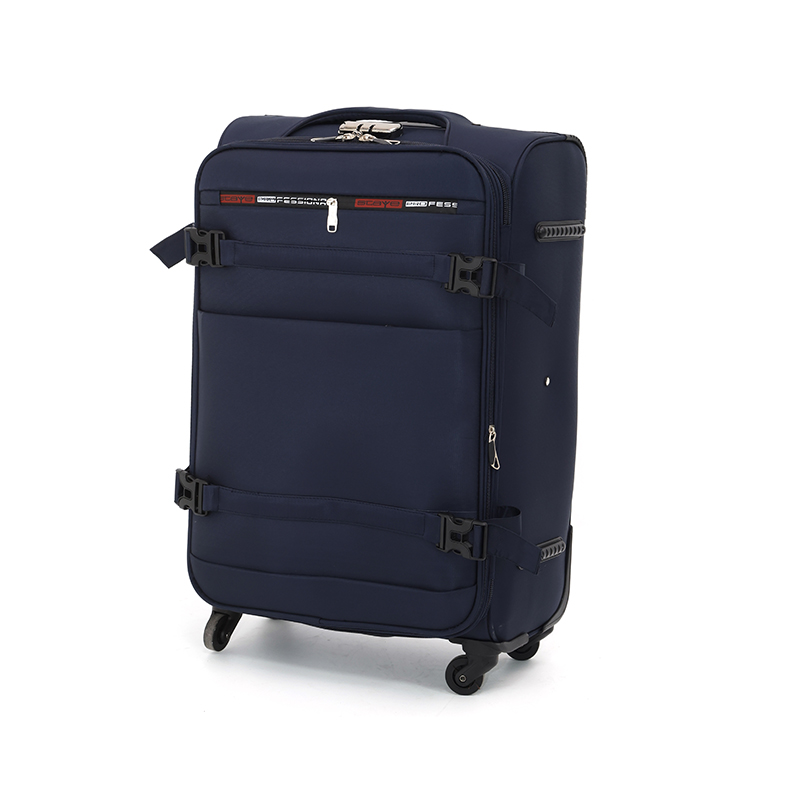
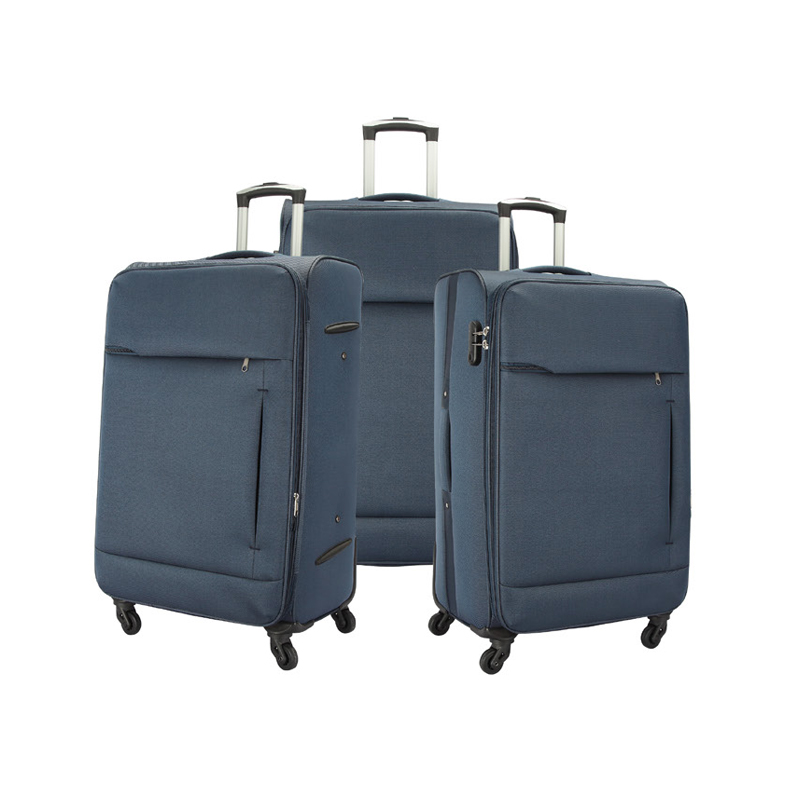
Material:600 Polyester
Size:20"24"28"32"
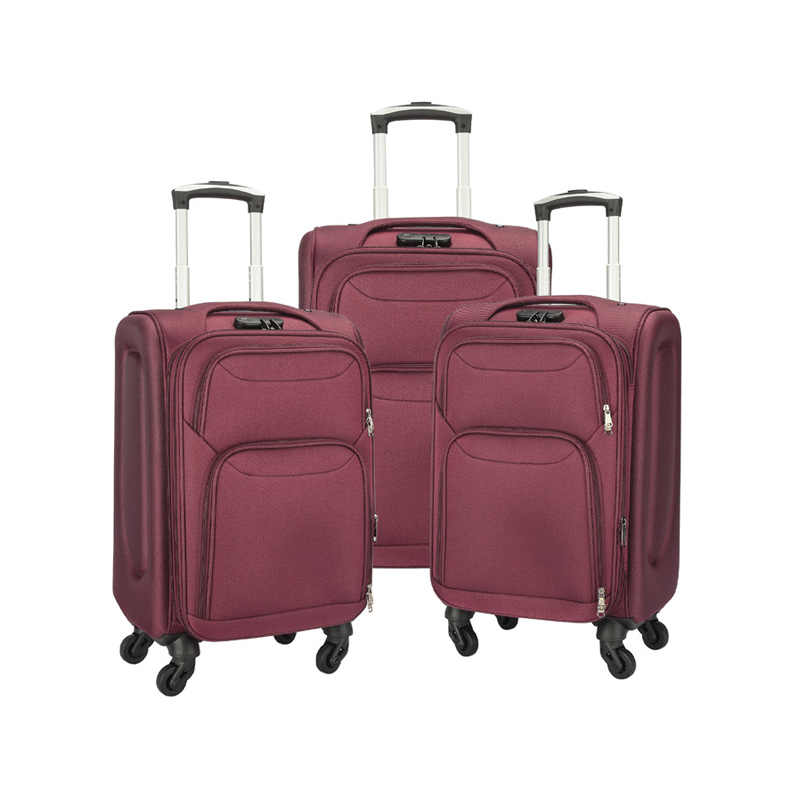
Material:600 Polyester
Size:20"24"28"32"
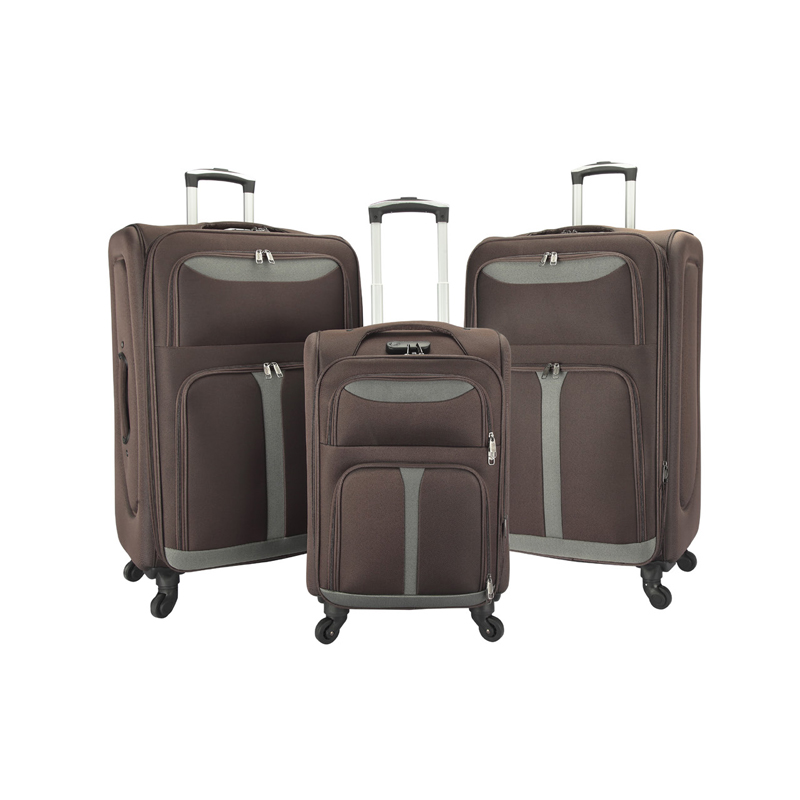
Material:600 Polyester
Size:20"24"28"32"
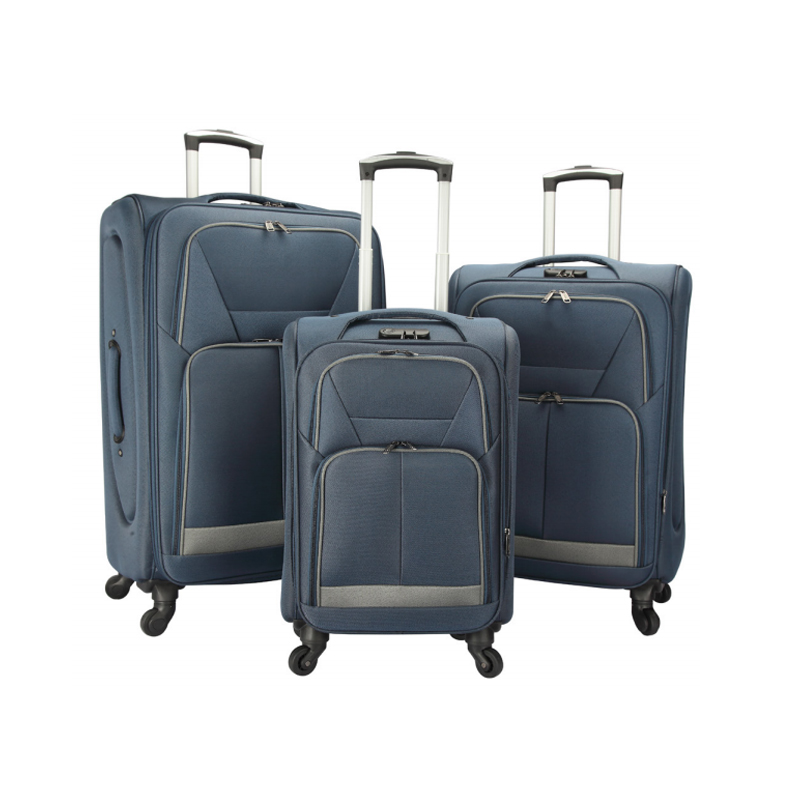
Material:600 Polyester
Size:20"24"28"32"
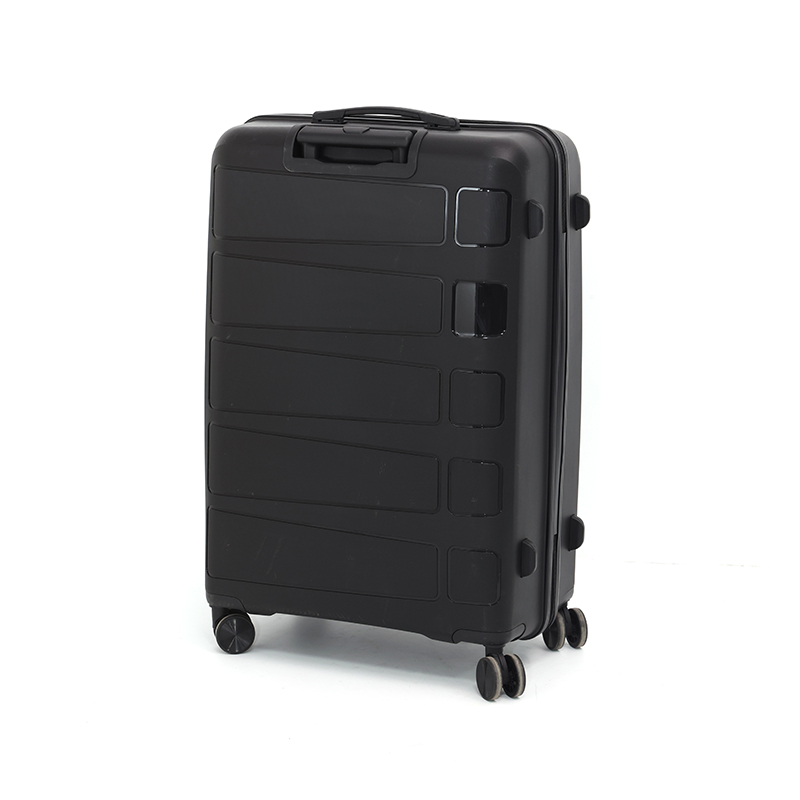
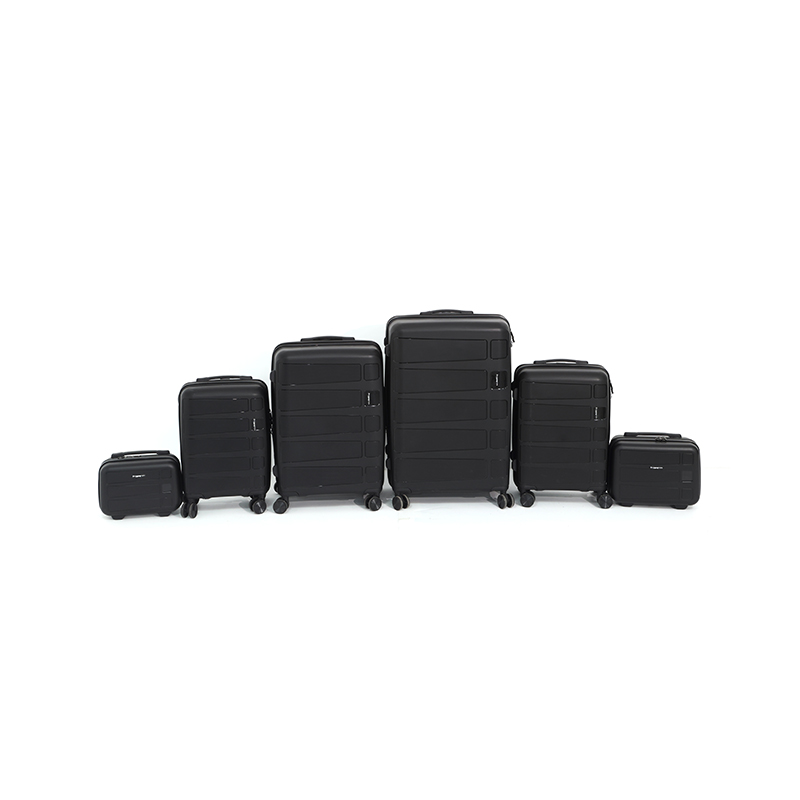
Size:12/14/18/20/24/28
31*21.5*14.5cm
33*25*16.5cm
50*33*20cm
53.5*35.5*23cm
63.5*42.5*27.5cm
73.5*49.5*30.5cm
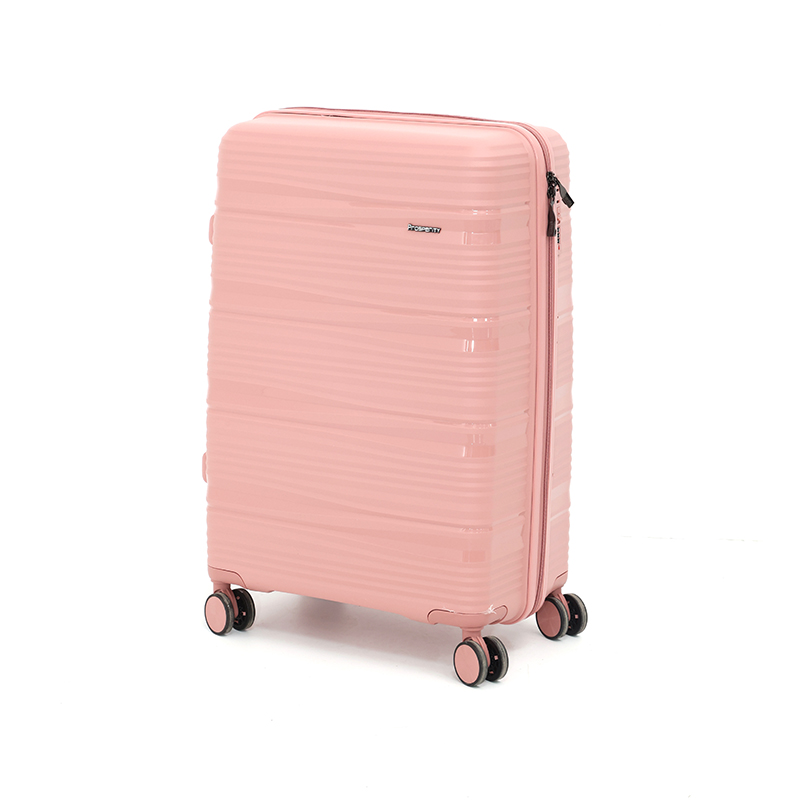
Size:14/18/22/26/30
33*25*16.5cm
50*33*20cm
59*38.5*24.5cm
68.5*44.5*29cm
78*51.5*34cm
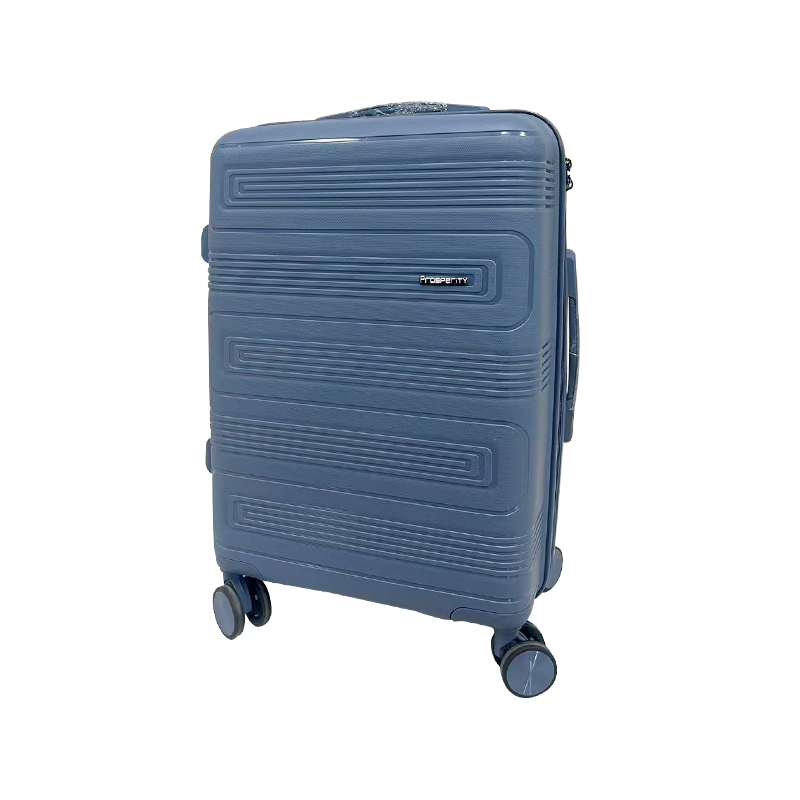
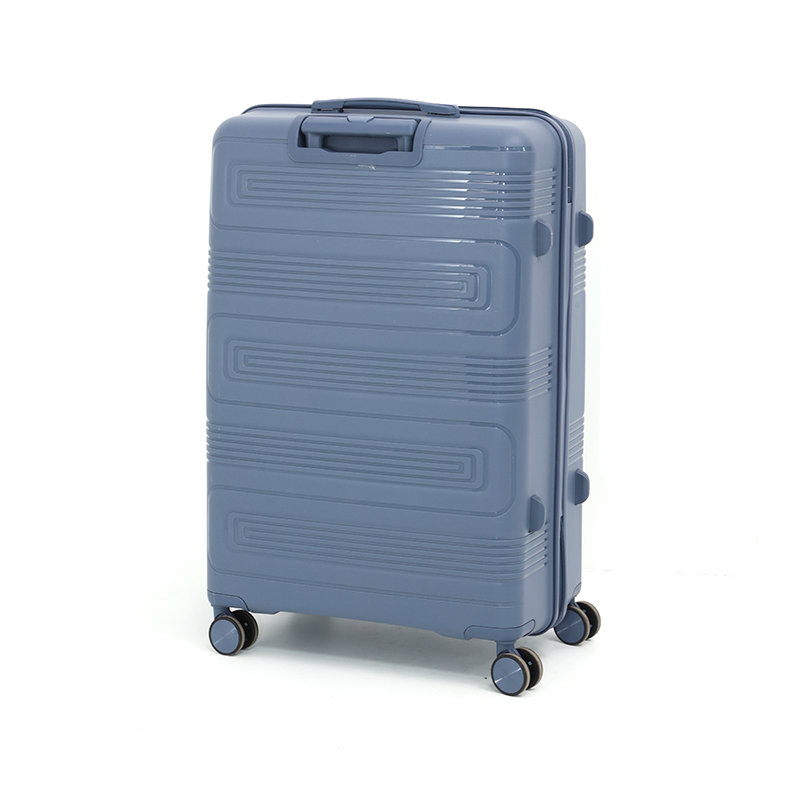
Size:15/21/25/29
37*26.5*18cm
56.5*37.5*23.5cm
65.5*43.5*28cm
76*50.5*31cm
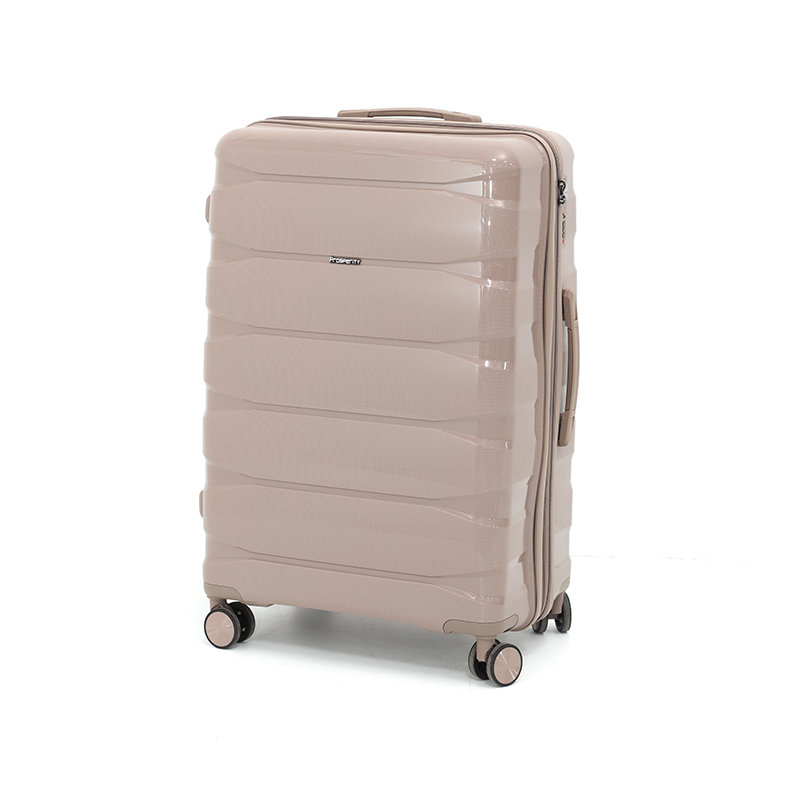
Size:13/19/23/27
32*22.5*16cm
52*34*21cm
61*40.5*26cm
70.5*46.5*29.5cm
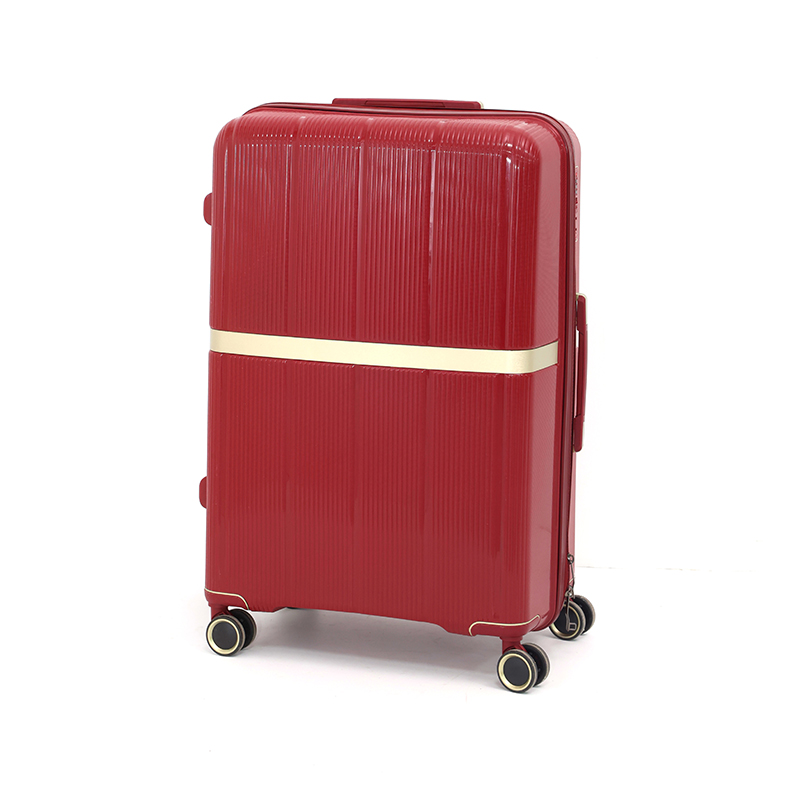
Size:14/18/20/24/28
33*25*16.5cm
50*33*20cm
53.5*35.5*23cm
63.5*42.5*27.5cm
73.5*49.5*30.5cm
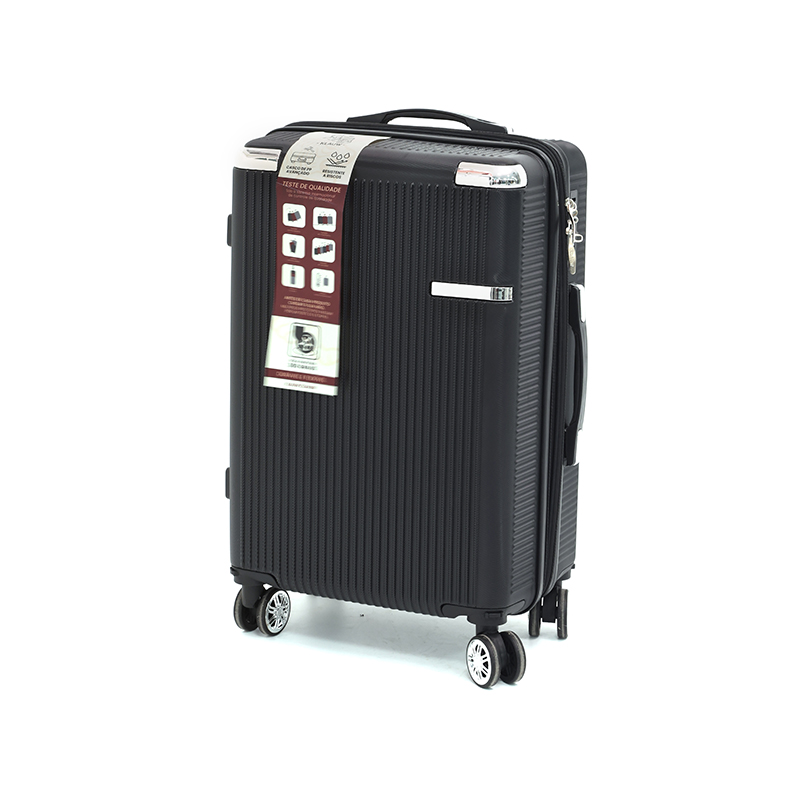
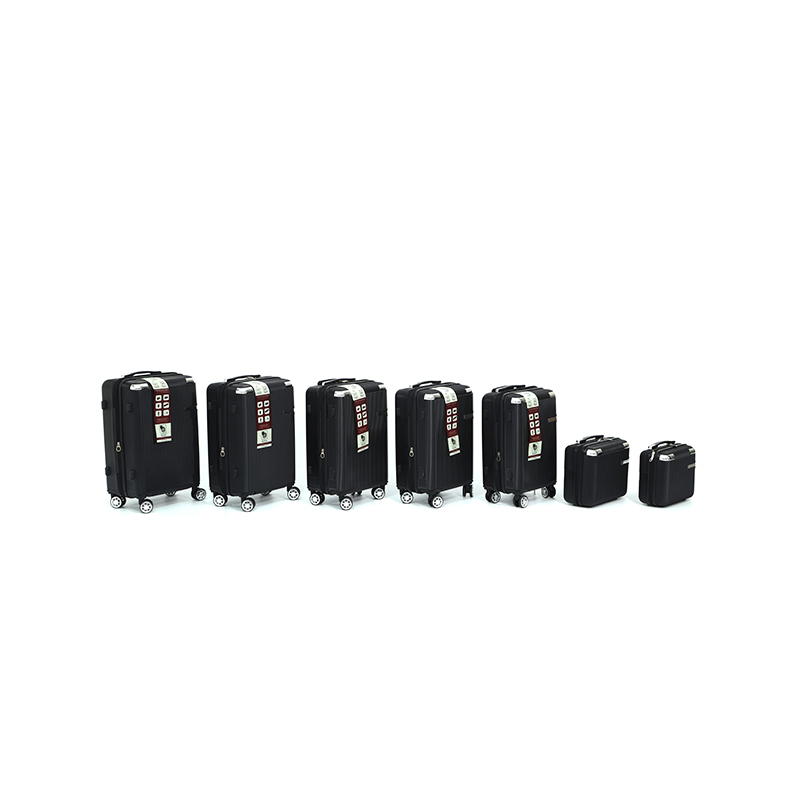
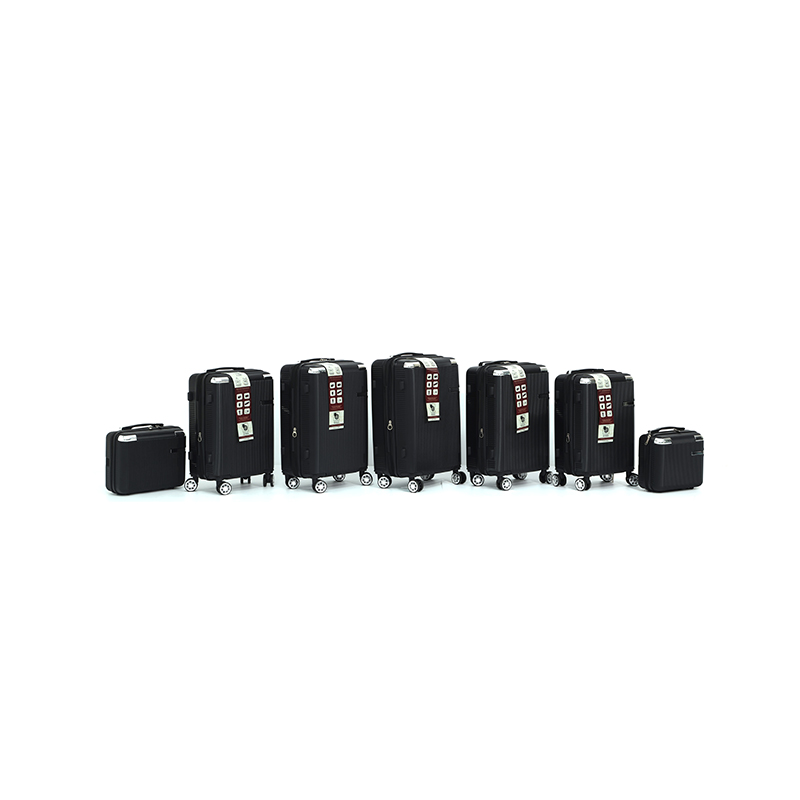
Size:12/14/18/19/20/21/22
Dimension:
31x26x15cm
35x30x16.5cm
52x35x23cm
53.5x35x25cm
56x36x25.5cm
58x38x26.5cm
60x39x28cm
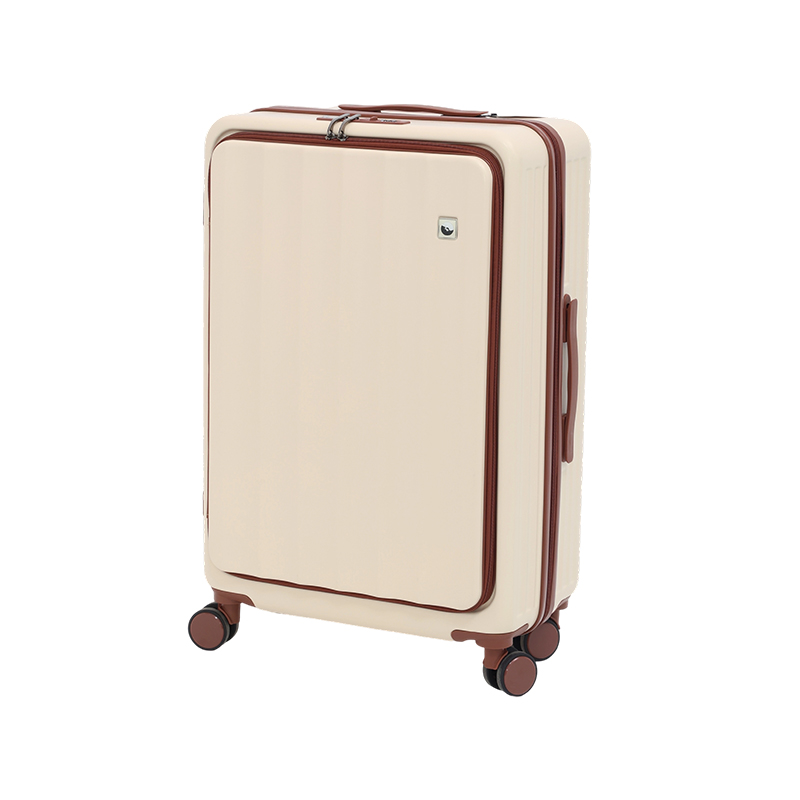
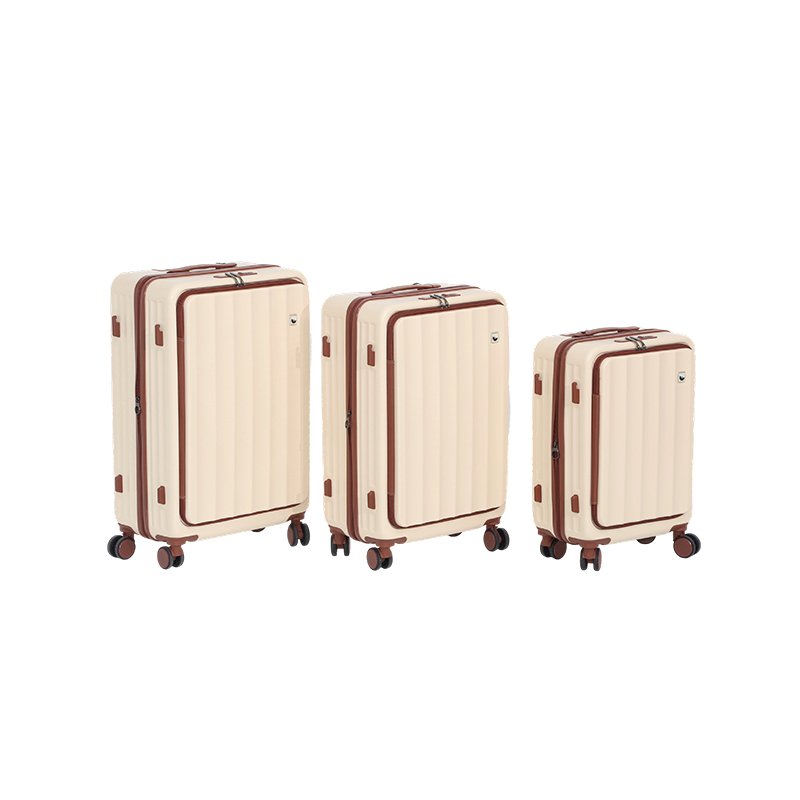
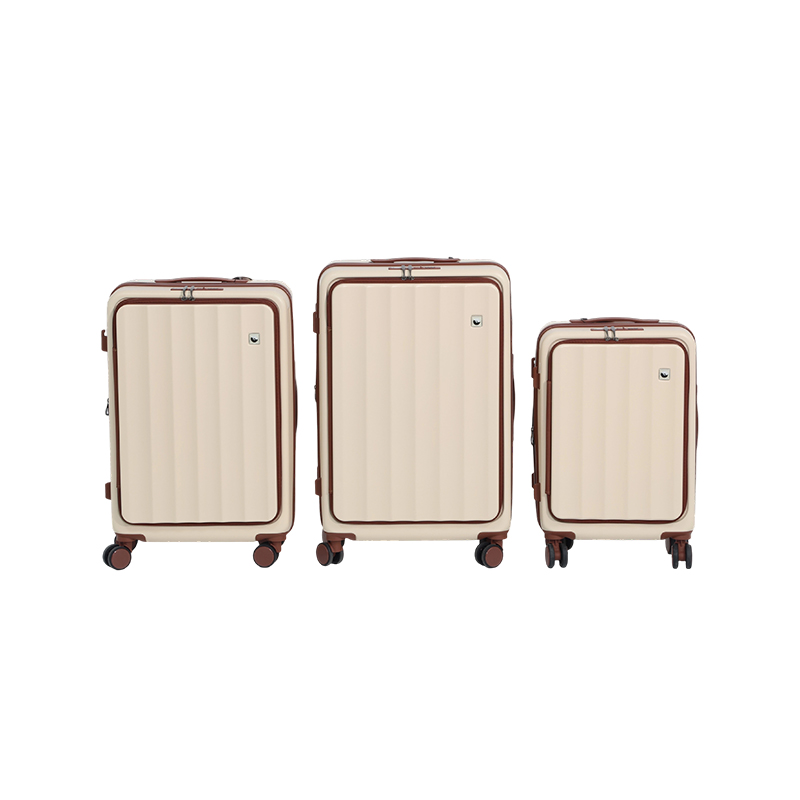
Size:20/24/28
55*35.5*23.5cm
64.5*42.5*26cm
69*45*27.5cm
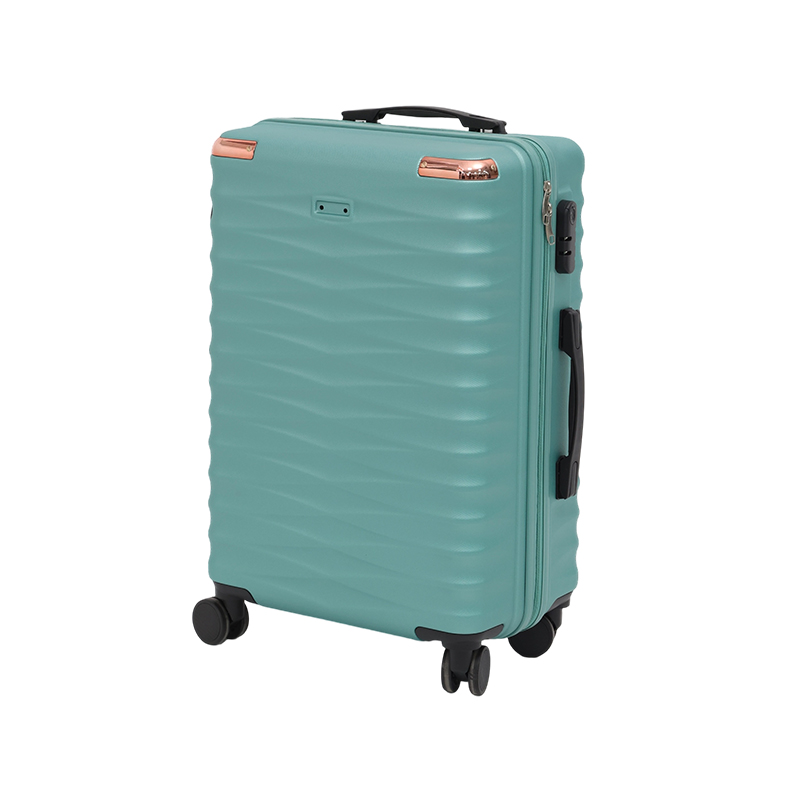
Size:19.5/23.5/27.5
19.5size:53.5×34×21cm/2.41kg
23.5size:61×39×25.5cm/3kg
27.5size:70.5×46×30cm/3.8kg
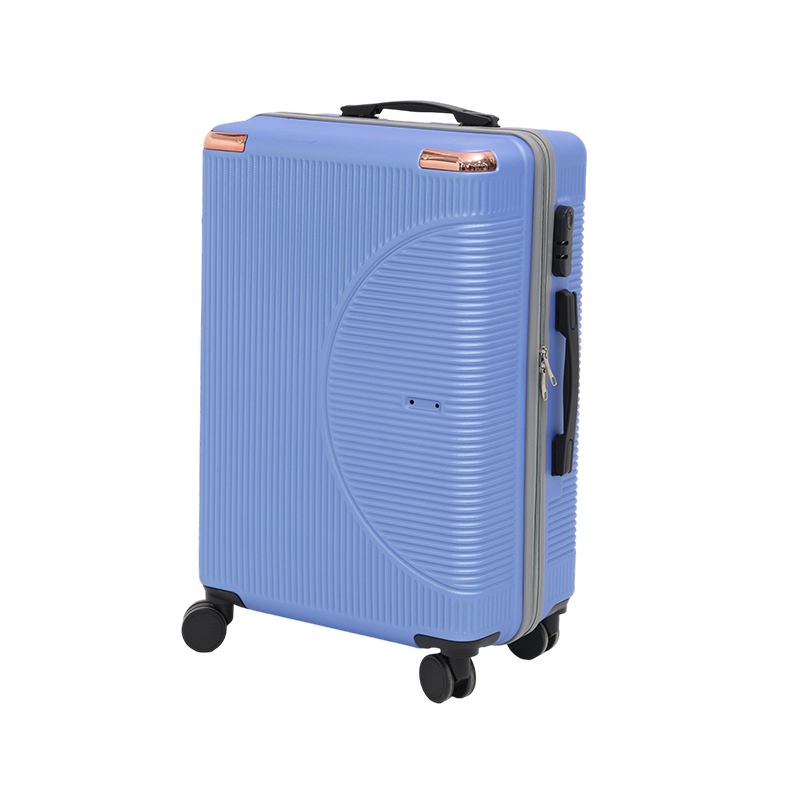
Size:20.5/24.5/28.5
20.5size:56.5×35×22cm/2.62kg
24.5size:64×41.5×27cm/3.35kg
28.5size:74.5×48×32.5cm/4.25kg
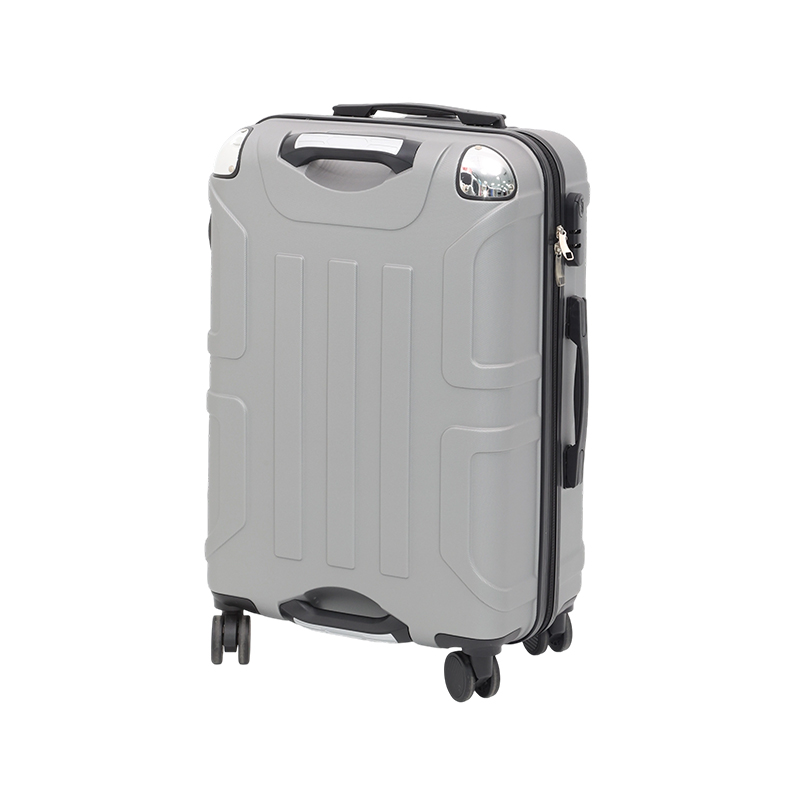
Size:19/23/27
19size: 54.5x34x21.5cm
23size: 62x39.5x25.5cm
27size: 71x46x29.5cm
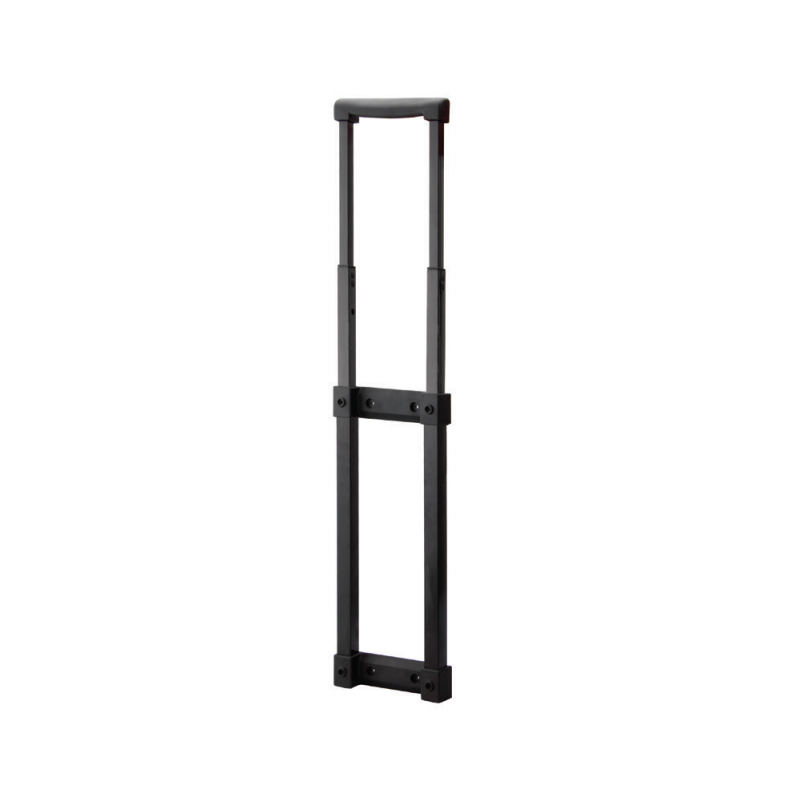
Model: LG-008
Sections: 2/3 sections
Small tube: 13×13mm
Middle tube: 16.5×16.5mm
Outer tube: 20×20mm
Outer tube: Iron tube
Inner tube: Iron tube
L: Specified length
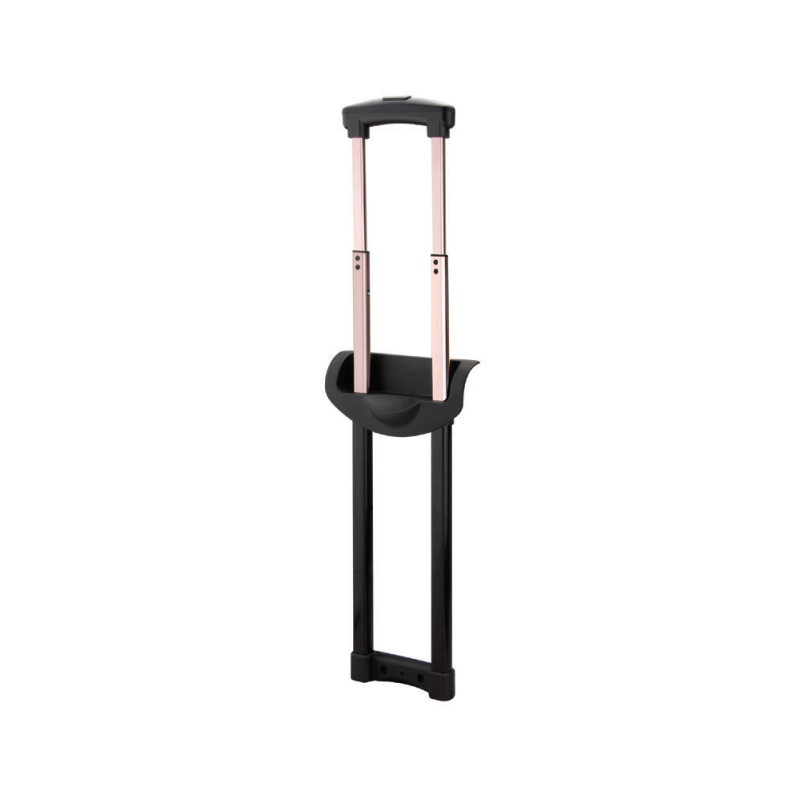
Model: LG-015B
Sections: 2/3 sections
Small tube: 12×18mm
Middle tube:17×23mm
Outer tube: 21×27mm
Outer tube: Iron tube
Inner tube: Aluminium tube, iron tube
L: Specified length
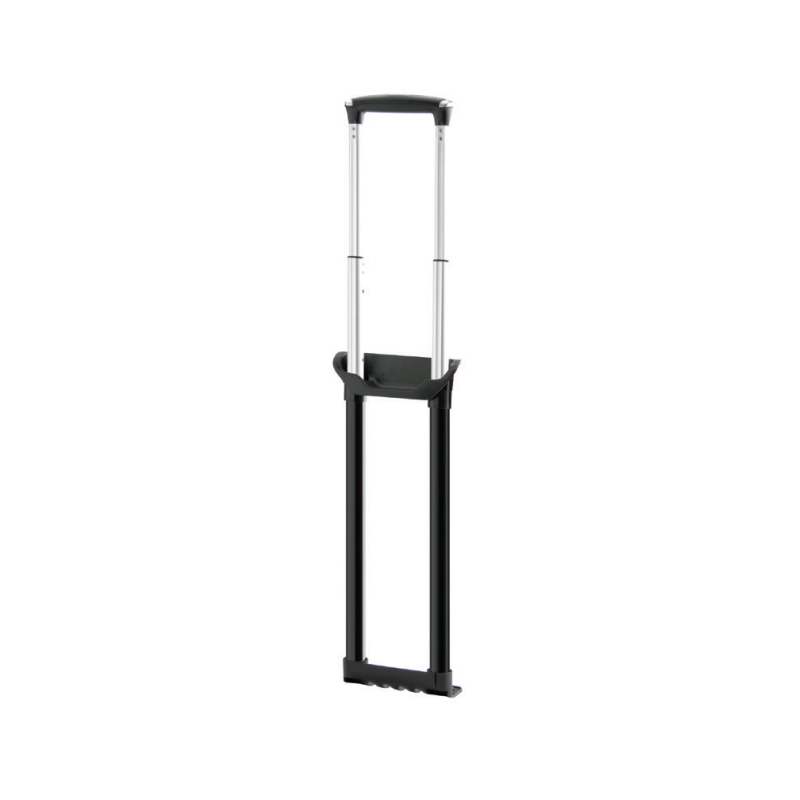
Model: LG-041
Number of sections: 2/3 sections
Small tube: 13×20.3mm
Middle tube:17.5×24.5mm
Outer tube: 21.5×28.5mm
Outer tube: Iron tube, Aluminium tube
Inner tube: Aluminium tube
L: Specified length
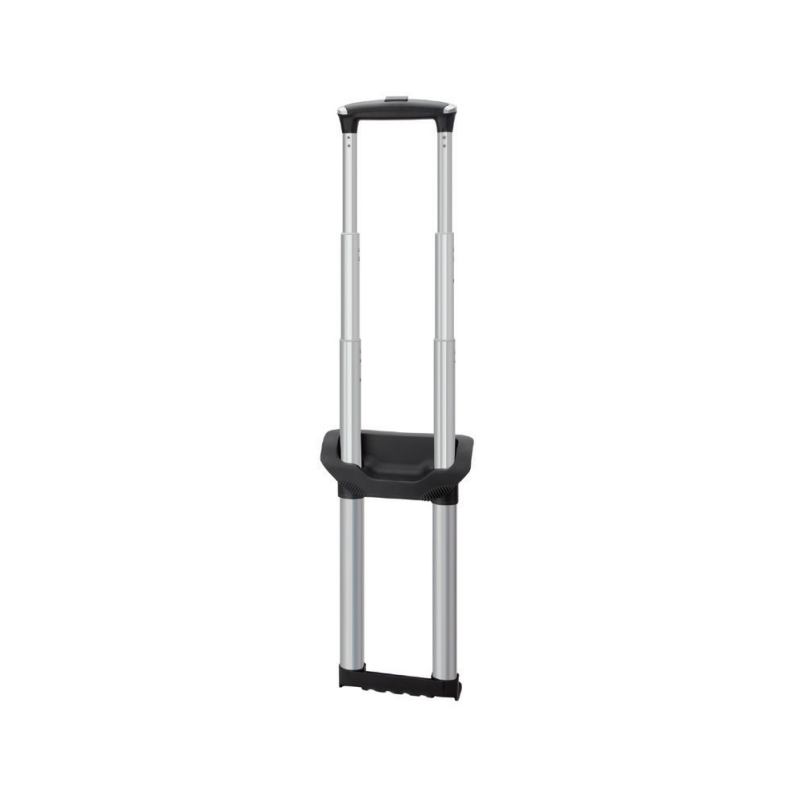
Model: LG-069
Number of sections: 4 sections
Small tube: 13×20.3mm
Middle tube:17.5×24.5mm
Outer tube: 19.5×27.5mm
Outer tube: 25.1×33.3mm
Outer tube: Iron tube
Inner tube: Aluminium tube
L: Specified length
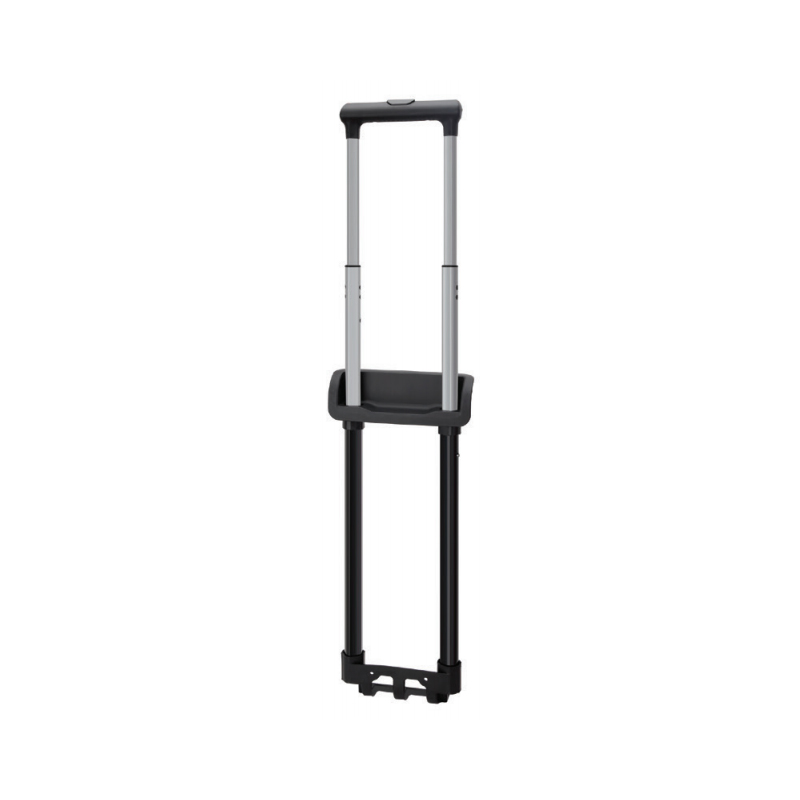
Model: LG-072
Number of sections: 2/3 sections
Small tube: 12×17.4mm
Middle tube:16.3×21.1mm
Outer tube: 21.2×25.1mm
Outer tube: Iron tube
Inner tube: Iron tube, Aluminium tube
L: Specified length
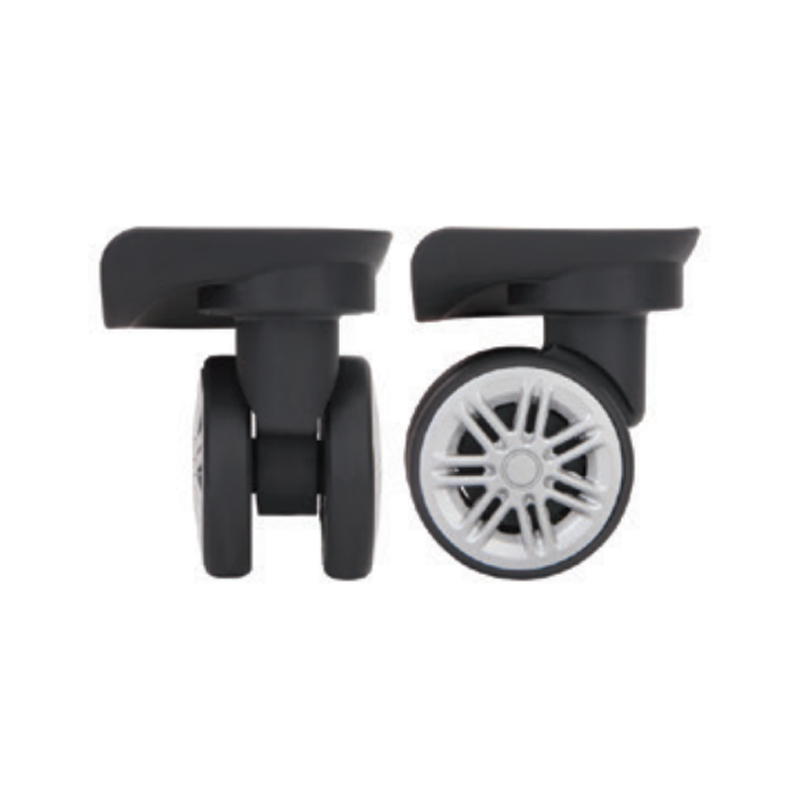
Model: Y-035-7-11
Specification: O: 50

