


 English
 中文简体
中文简体 русский
 Español
 عربى
عربى
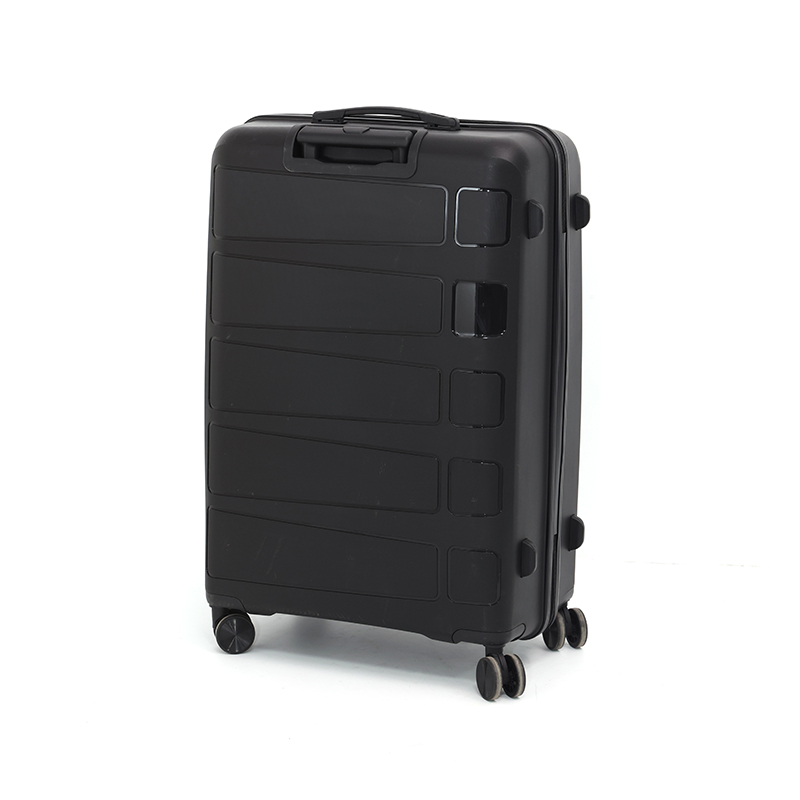
H-016 Ethylene-Vinyl Acetate Fabric Suitcase
Material:600 Polyester
Size:20"24"28"32"




Travel habits have shifted over the years, and packing needs rarely stay the same from one trip to the next. A suitcase that can only hold a fixed volume forces travelers to either overpack cautiously or risk running out of room mid-trip. An expandable capacity suitcase solves that by building in a secondary zipper that opens up several extra centimeters of depth when needed, then zips flat again for the return flight or for storage between trips. That flexibility is exactly why the category keeps a steady spot in luggage retail lineups.
The appeal isn't limited to one kind of traveler. Business travelers who add a few days of leisure onto a work trip often need that extra capacity for last-minute additions. Families packing for multiple people in shared luggage appreciate having room to adjust as needs change throughout a trip. Shoppers who travel specifically to bring things home — whether that's souvenirs, specialty goods, or bulk purchases — rely on the expansion feature on almost every trip rather than occasionally.
Buyers sourcing this category tend to focus on a fairly consistent set of priorities:
Suppliers who can demonstrate durability on these two points tend to build more trust with procurement teams than those relying only on marketing copy about capacity numbers.
Expandable capacity suitcases show up in both hardshell and softshell construction, and each style handles the expansion feature a little differently. Hardshell versions typically use a hinged or pleated expansion panel built into the shell itself, offering a cleaner look but requiring more precise engineering to avoid weak points. Softshell versions rely on fabric gussets, which tend to be more forgiving structurally but can show wear faster with frequent expansion and compression. Buyers choosing between the two usually weigh aesthetic preference against how often the expansion feature will actually get used.
A frequent issue distributors run into is expansion zipper failure showing up disproportionately in customer complaints and returns. Because that zipper gets used more often than the main closure — expanded on the way home, flattened again for storage — it experiences more wear over the life of the product. Suppliers who use reinforced zipper tape and tested pull mechanisms tend to see fewer warranty claims tied to this specific failure point.
Weight is another recurring concern. Adding an expansion mechanism can increase the suitcase's base weight compared to a fixed-capacity model, which matters to airline baggage allowances. Buyers sourcing for markets with strict carry-on weight limits often want confirmation of both empty weight and expanded weight before committing to a bulk order.
Wheel and handle durability also come up frequently in sourcing conversations, since an expanded suitcase carries more weight and stress across the same wheel and handle assembly. A suitcase that performs fine at standard capacity can sometimes reveal structural weaknesses only once it's packed to its expanded limit, which is why buyers often request stress testing data at both capacity settings rather than just one.
Bulk orders of Expandable Capacity Suitcases tend to benefit from more predictable production scheduling as well, since manufacturers running larger batches can maintain tighter consistency in zipper quality and panel alignment across each unit compared to smaller, fragmented production runs.
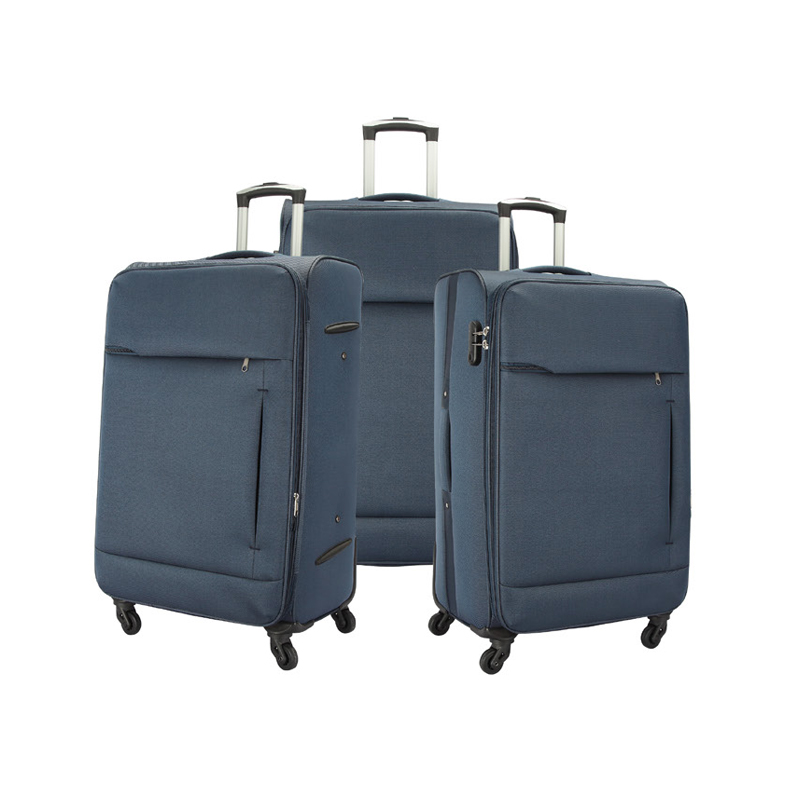
Material:600 Polyester
Size:20"24"28"32"
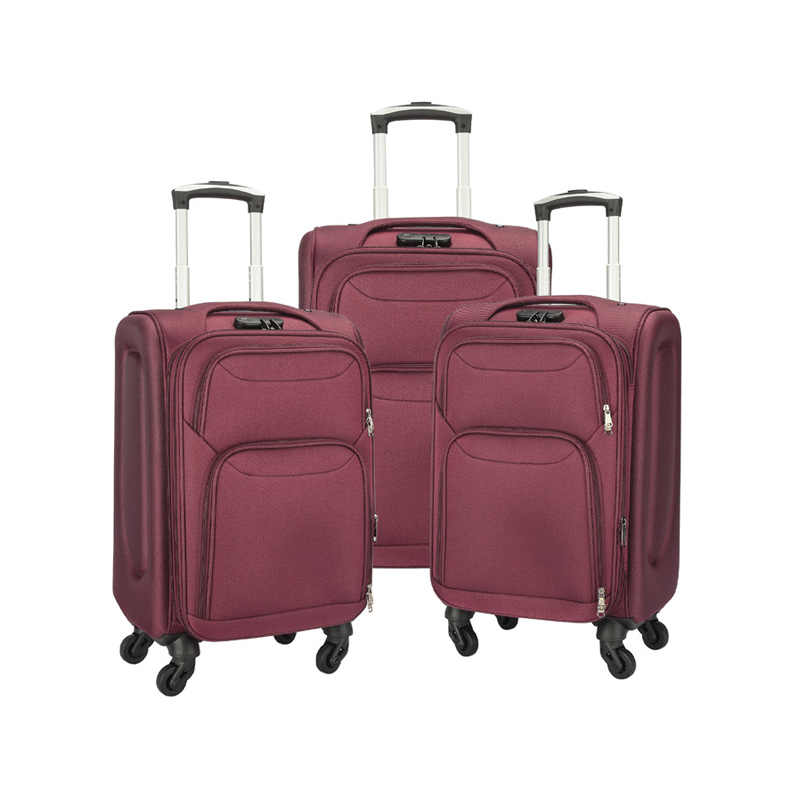
Material:600 Polyester
Size:20"24"28"32"
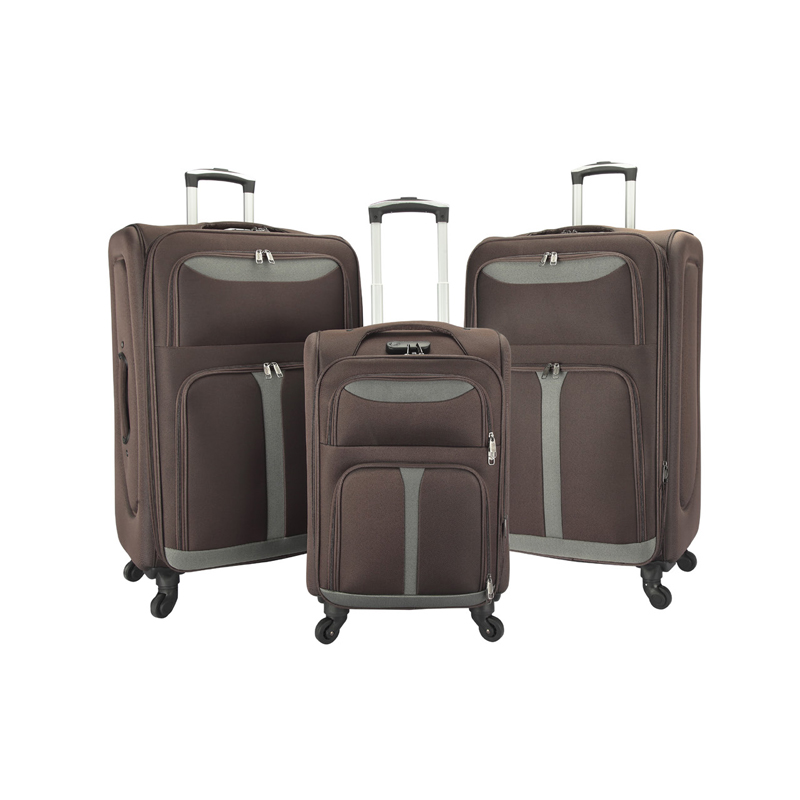
Material:600 Polyester
Size:20"24"28"32"
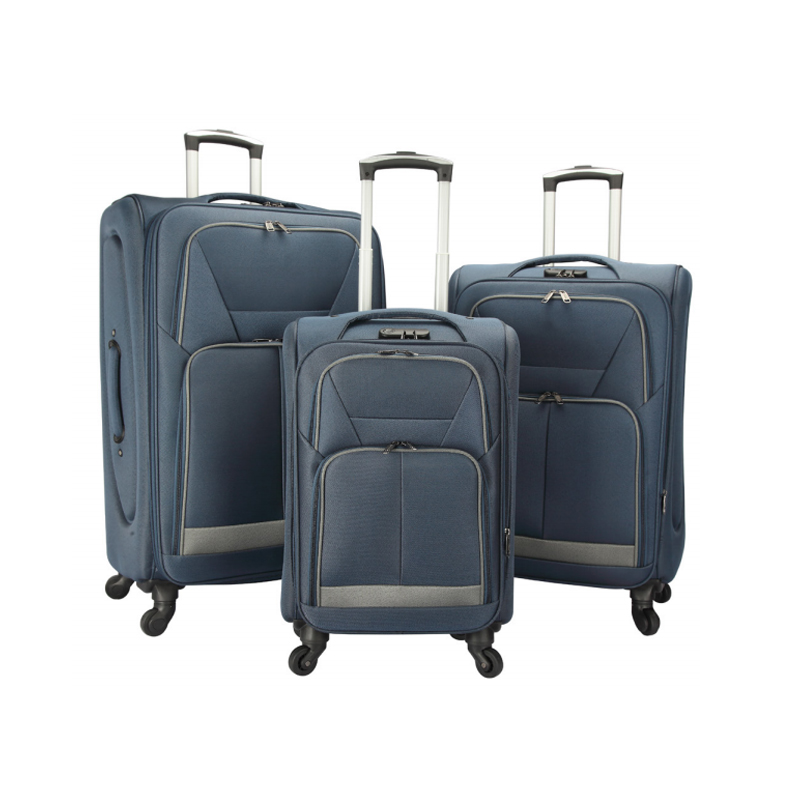
Material:600 Polyester
Size:20"24"28"32"
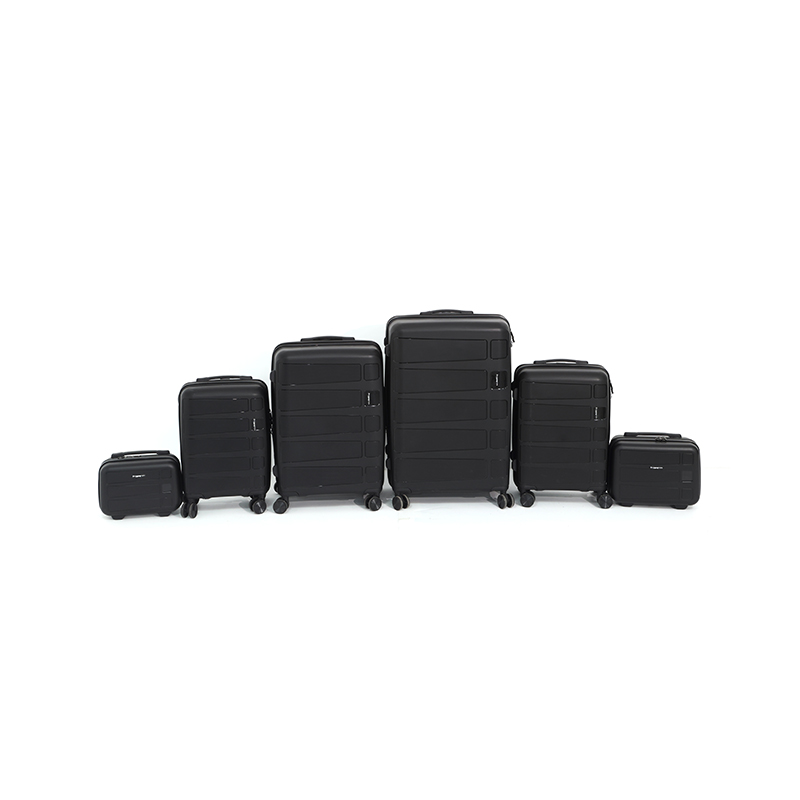
Size:12/14/18/20/24/28
31*21.5*14.5cm
33*25*16.5cm
50*33*20cm
53.5*35.5*23cm
63.5*42.5*27.5cm
73.5*49.5*30.5cm
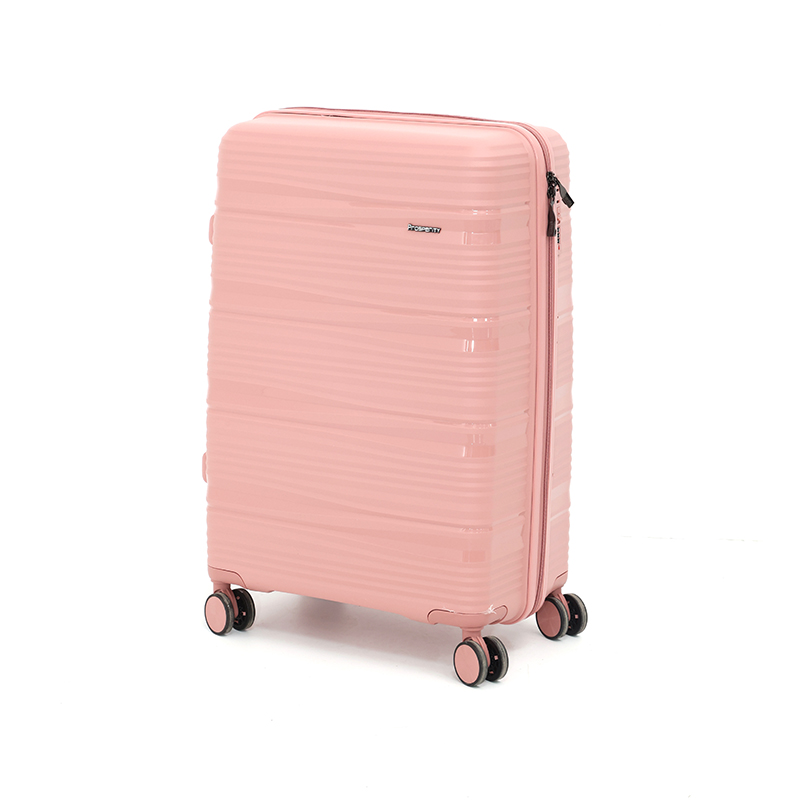
Size:14/18/22/26/30
33*25*16.5cm
50*33*20cm
59*38.5*24.5cm
68.5*44.5*29cm
78*51.5*34cm
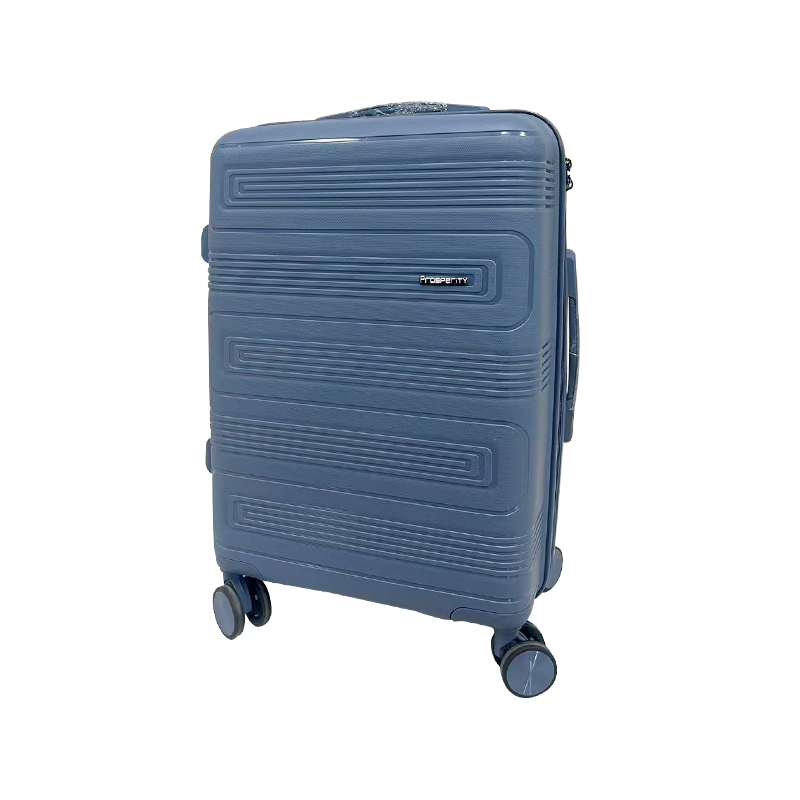
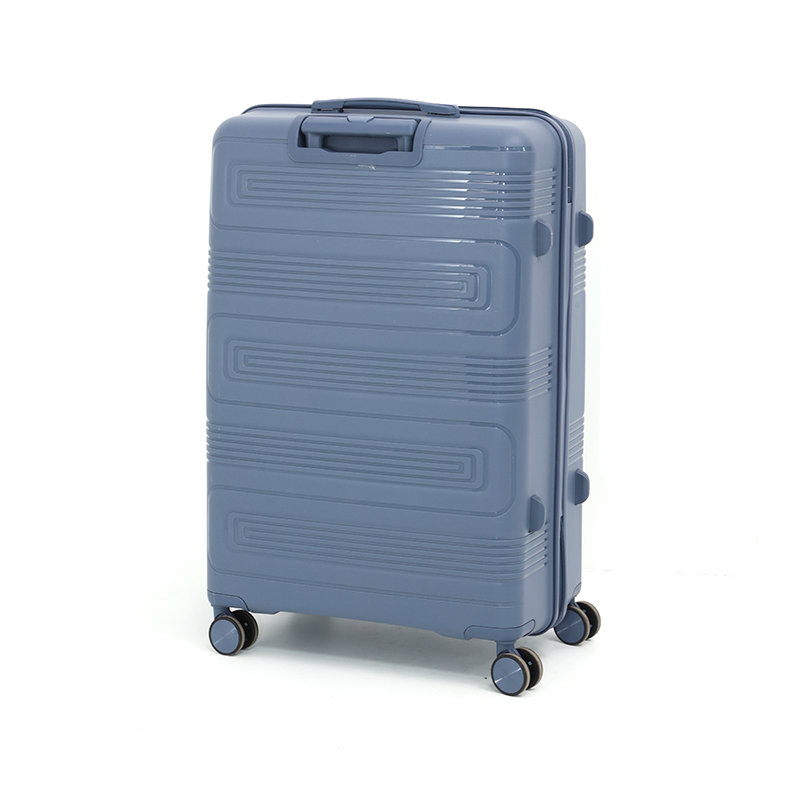
Size:15/21/25/29
37*26.5*18cm
56.5*37.5*23.5cm
65.5*43.5*28cm
76*50.5*31cm
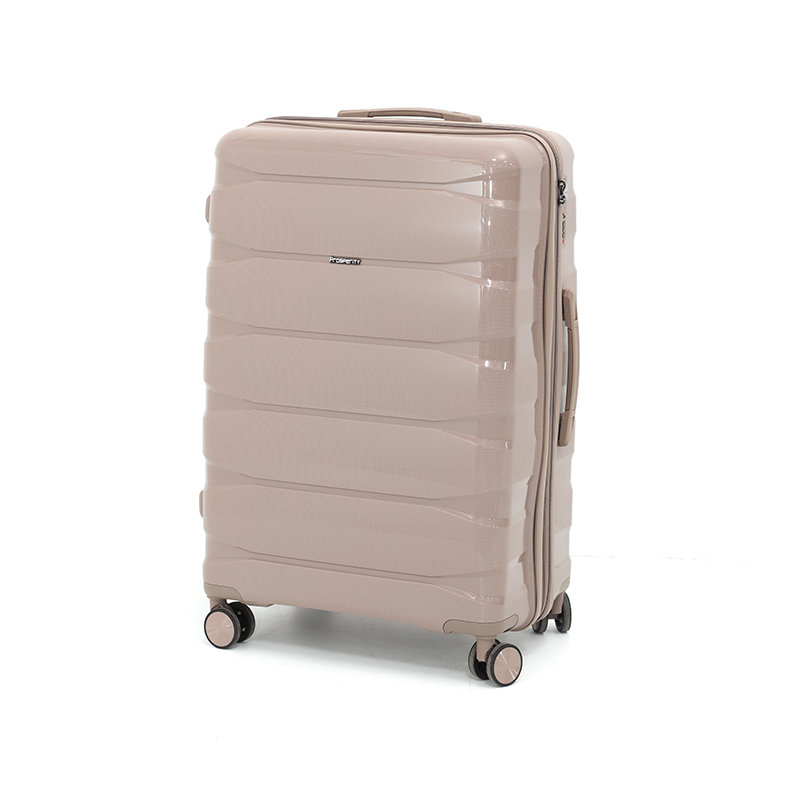
Size:13/19/23/27
32*22.5*16cm
52*34*21cm
61*40.5*26cm
70.5*46.5*29.5cm
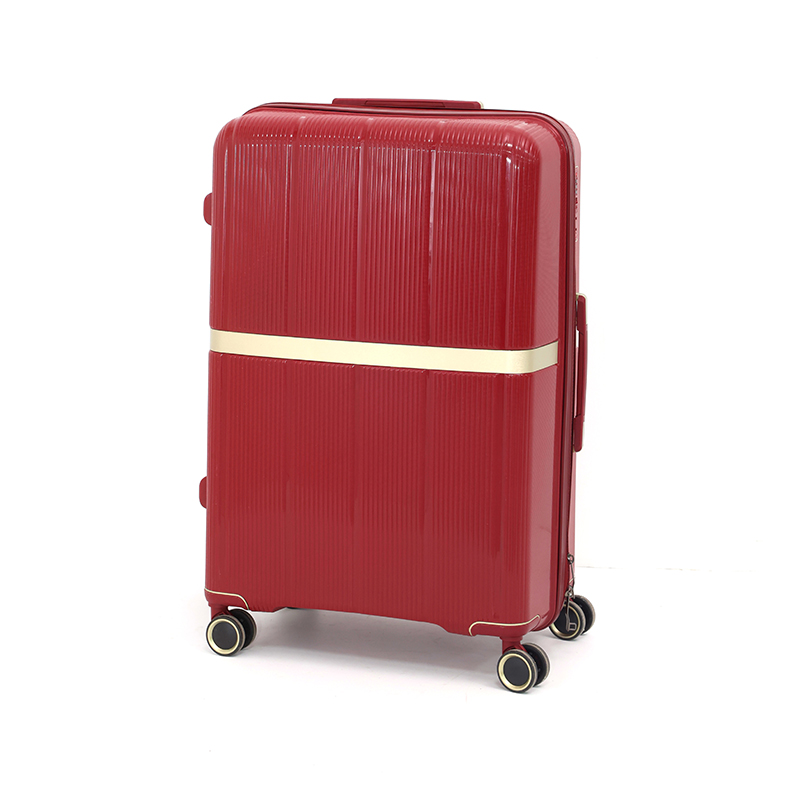
Size:14/18/20/24/28
33*25*16.5cm
50*33*20cm
53.5*35.5*23cm
63.5*42.5*27.5cm
73.5*49.5*30.5cm
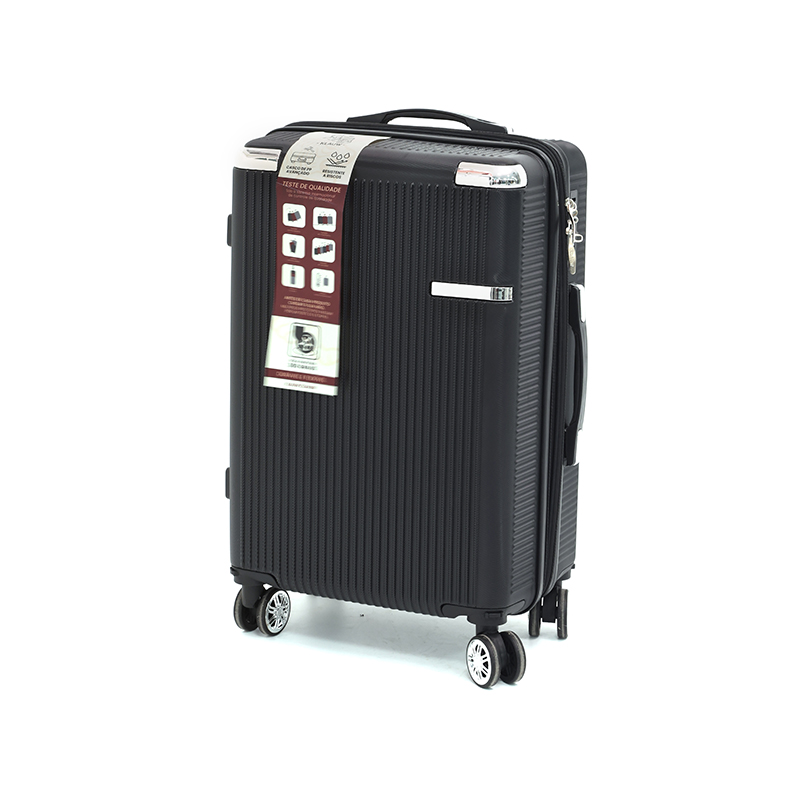
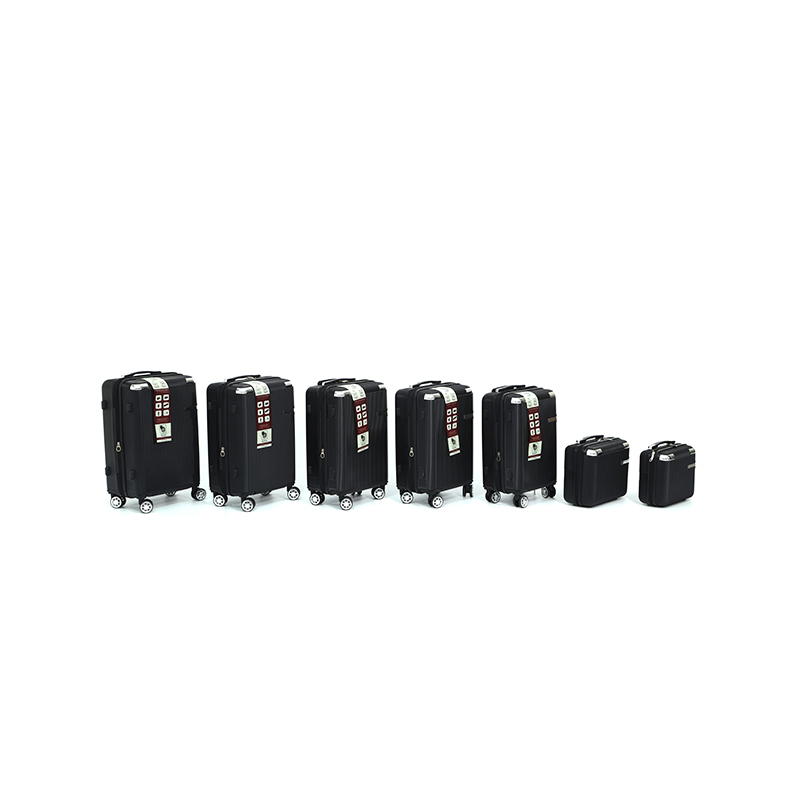
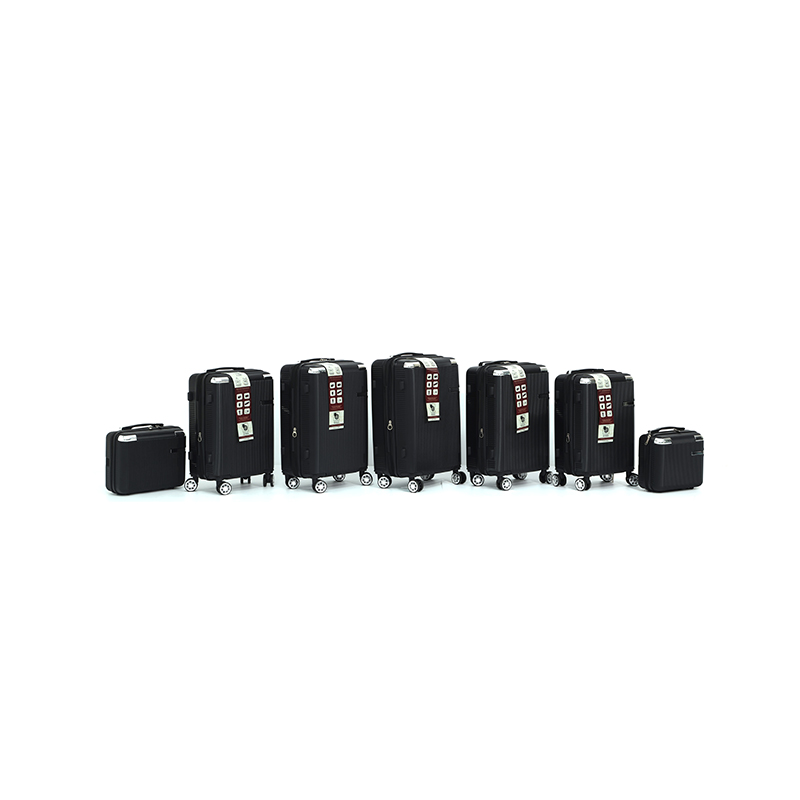
Size:12/14/18/19/20/21/22
Dimension:
31x26x15cm
35x30x16.5cm
52x35x23cm
53.5x35x25cm
56x36x25.5cm
58x38x26.5cm
60x39x28cm
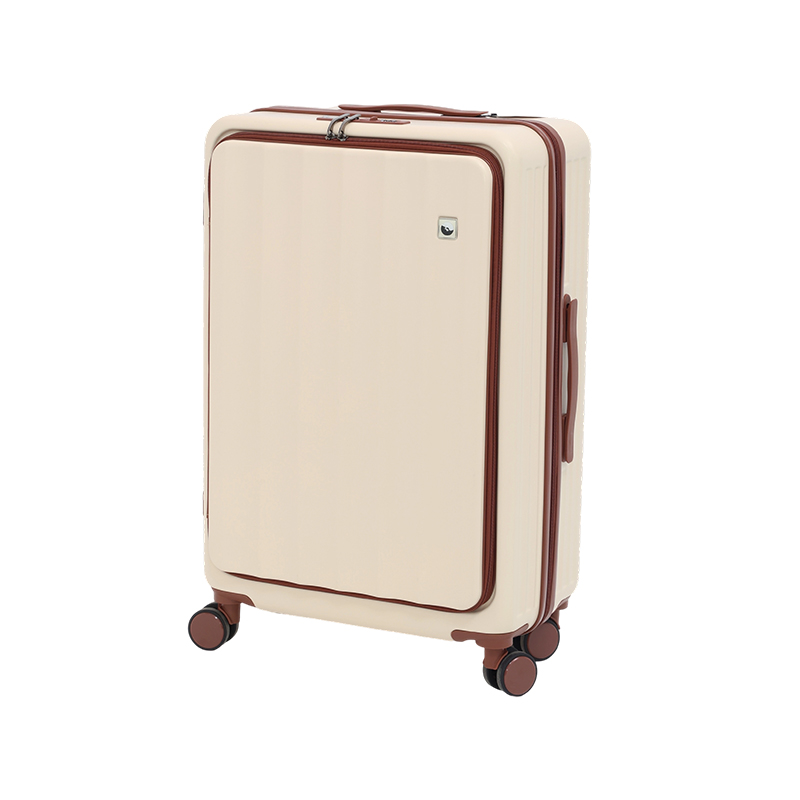
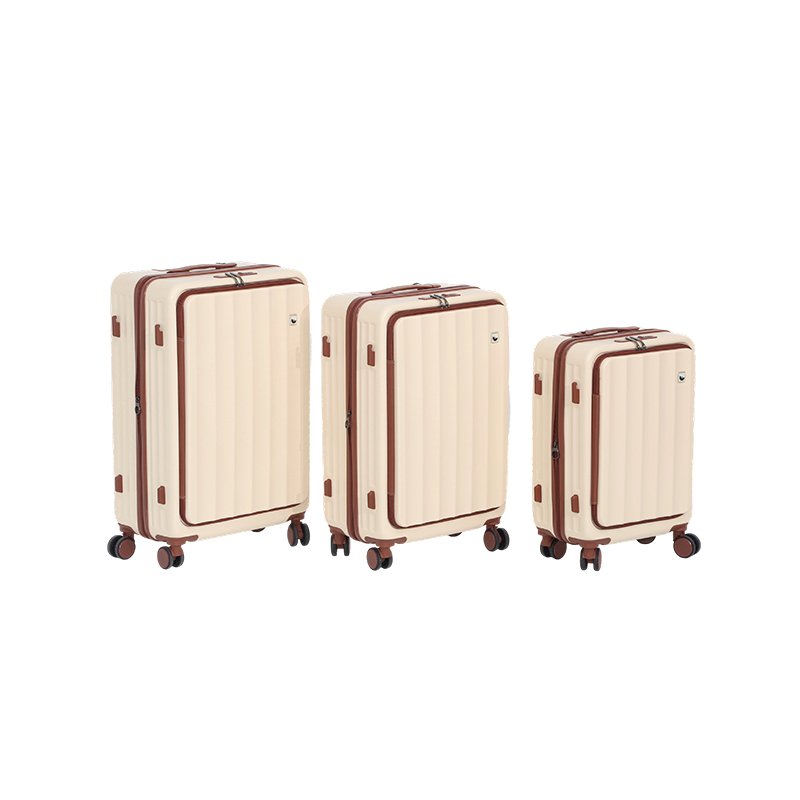
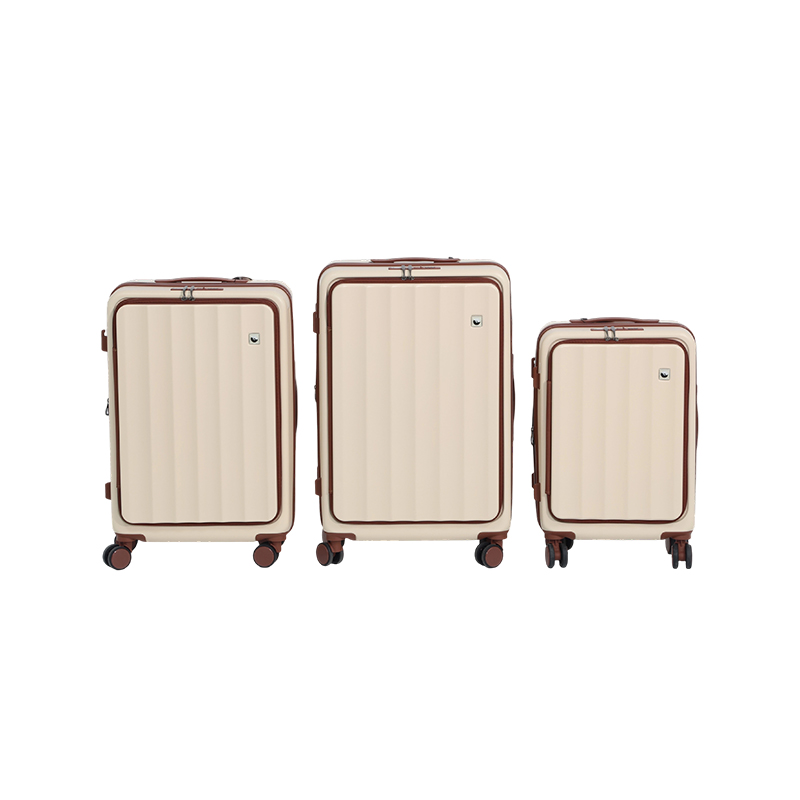
Size:20/24/28
55*35.5*23.5cm
64.5*42.5*26cm
69*45*27.5cm
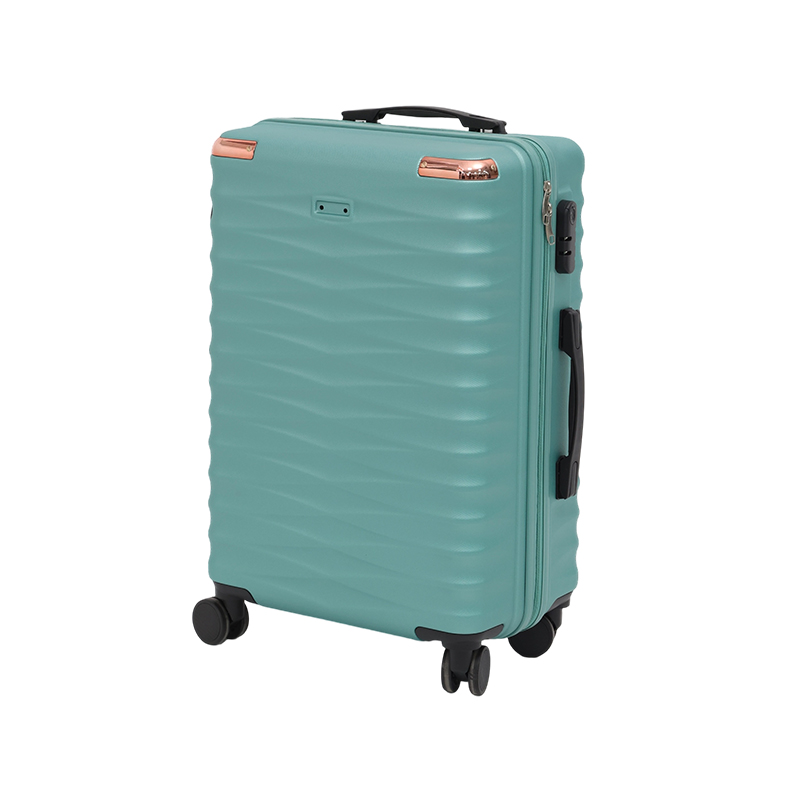
Size:19.5/23.5/27.5
19.5size:53.5×34×21cm/2.41kg
23.5size:61×39×25.5cm/3kg
27.5size:70.5×46×30cm/3.8kg
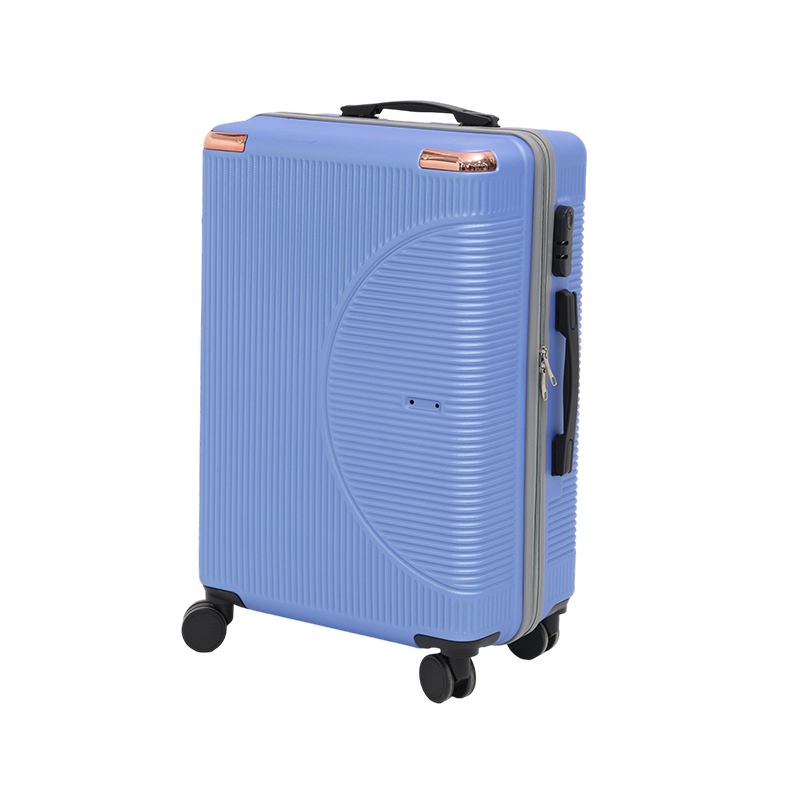
Size:20.5/24.5/28.5
20.5size:56.5×35×22cm/2.62kg
24.5size:64×41.5×27cm/3.35kg
28.5size:74.5×48×32.5cm/4.25kg
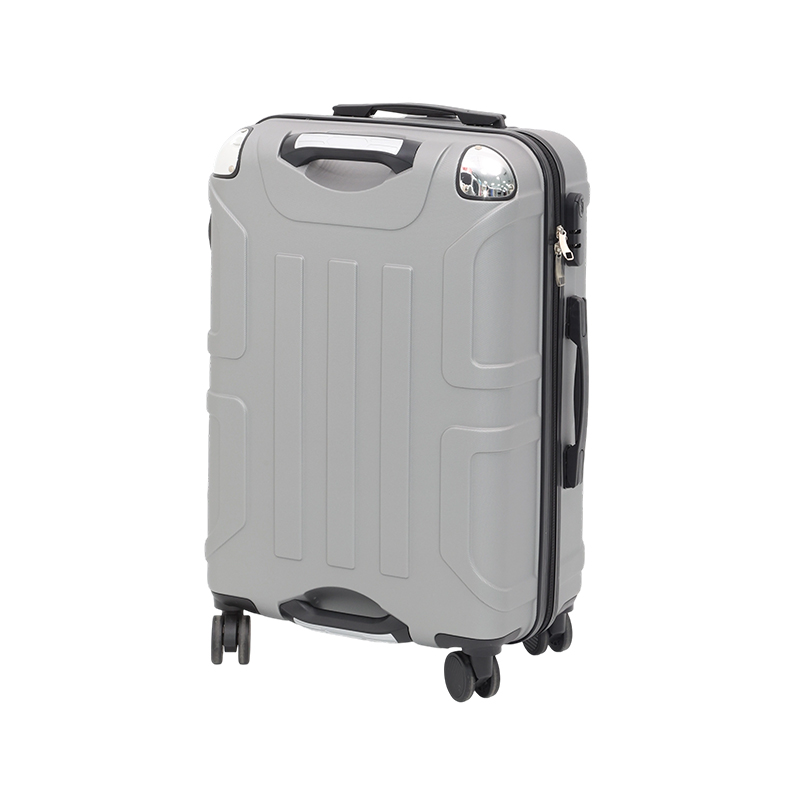
Size:19/23/27
19size: 54.5x34x21.5cm
23size: 62x39.5x25.5cm
27size: 71x46x29.5cm
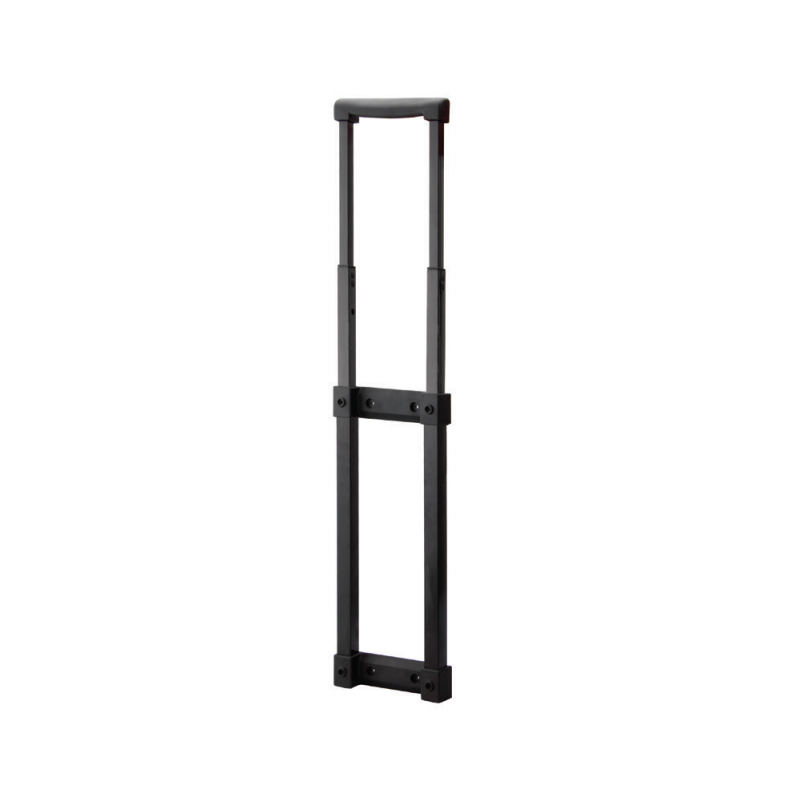
Model: LG-008
Sections: 2/3 sections
Small tube: 13×13mm
Middle tube: 16.5×16.5mm
Outer tube: 20×20mm
Outer tube: Iron tube
Inner tube: Iron tube
L: Specified length
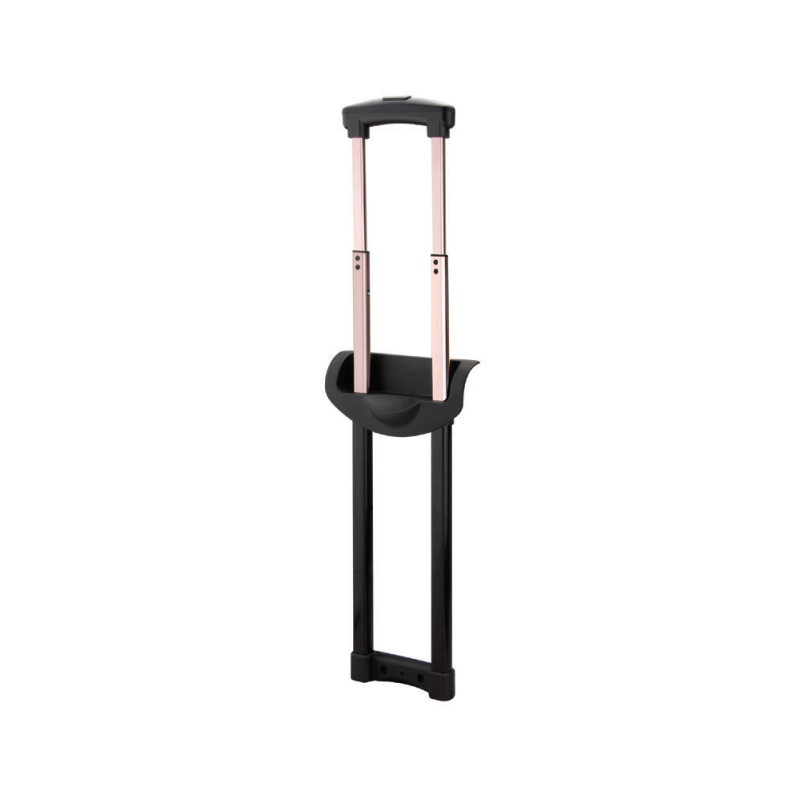
Model: LG-015B
Sections: 2/3 sections
Small tube: 12×18mm
Middle tube:17×23mm
Outer tube: 21×27mm
Outer tube: Iron tube
Inner tube: Aluminium tube, iron tube
L: Specified length
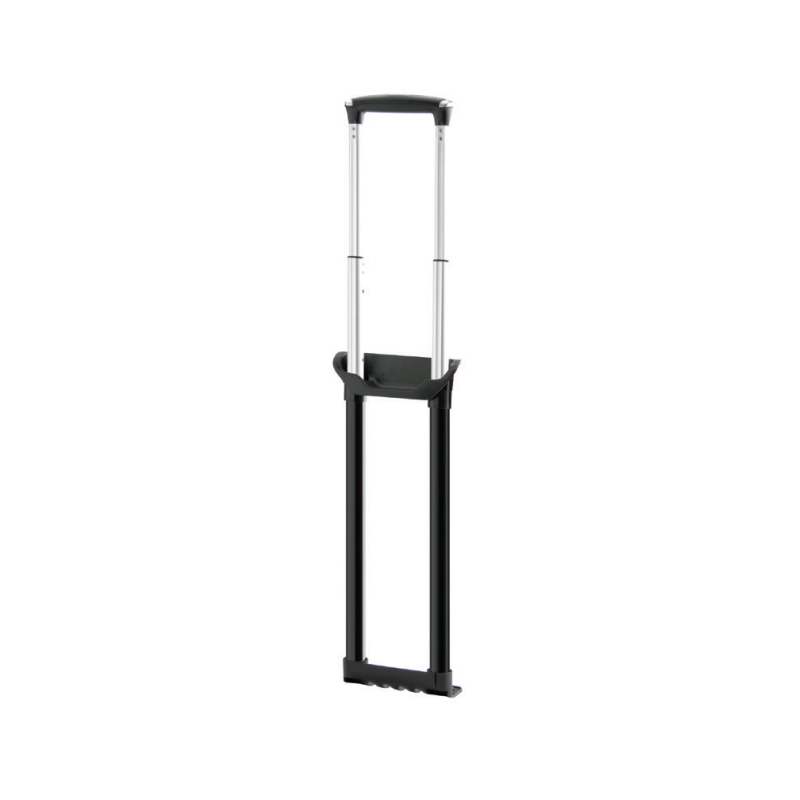
Model: LG-041
Number of sections: 2/3 sections
Small tube: 13×20.3mm
Middle tube:17.5×24.5mm
Outer tube: 21.5×28.5mm
Outer tube: Iron tube, Aluminium tube
Inner tube: Aluminium tube
L: Specified length
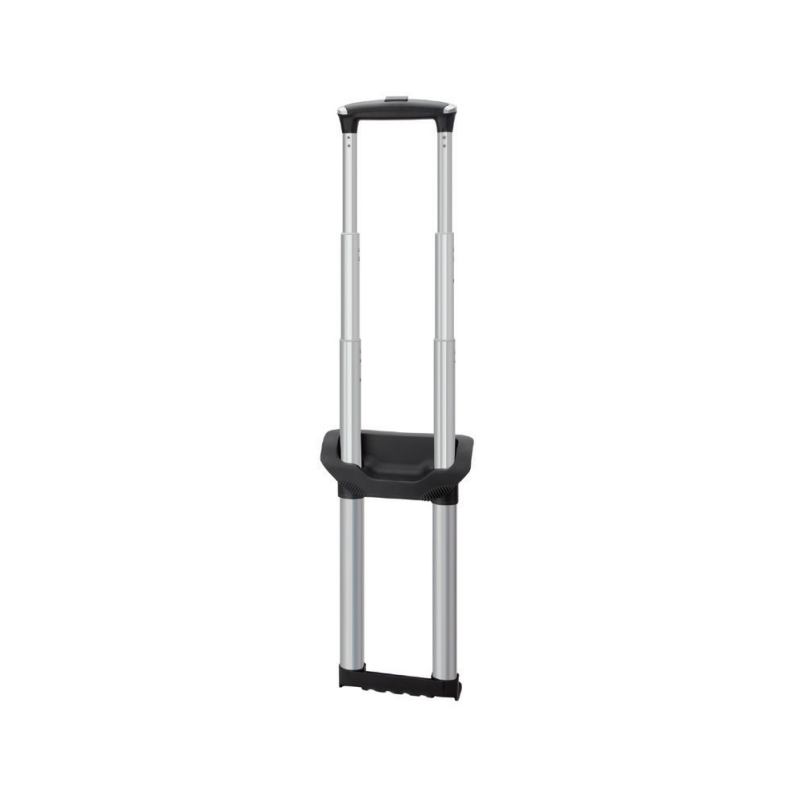
Model: LG-069
Number of sections: 4 sections
Small tube: 13×20.3mm
Middle tube:17.5×24.5mm
Outer tube: 19.5×27.5mm
Outer tube: 25.1×33.3mm
Outer tube: Iron tube
Inner tube: Aluminium tube
L: Specified length
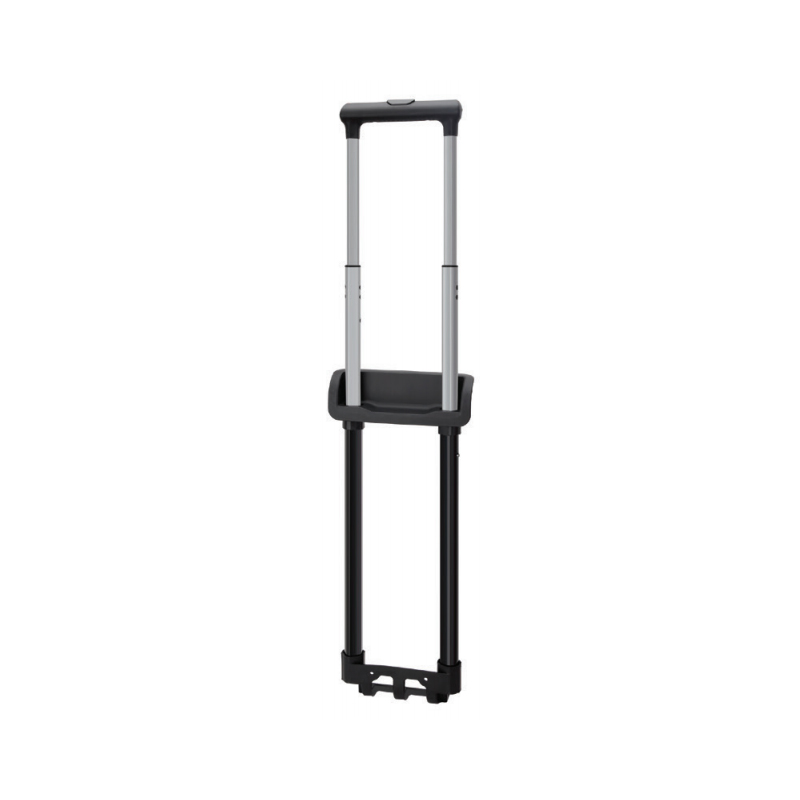
Model: LG-072
Number of sections: 2/3 sections
Small tube: 12×17.4mm
Middle tube:16.3×21.1mm
Outer tube: 21.2×25.1mm
Outer tube: Iron tube
Inner tube: Iron tube, Aluminium tube
L: Specified length
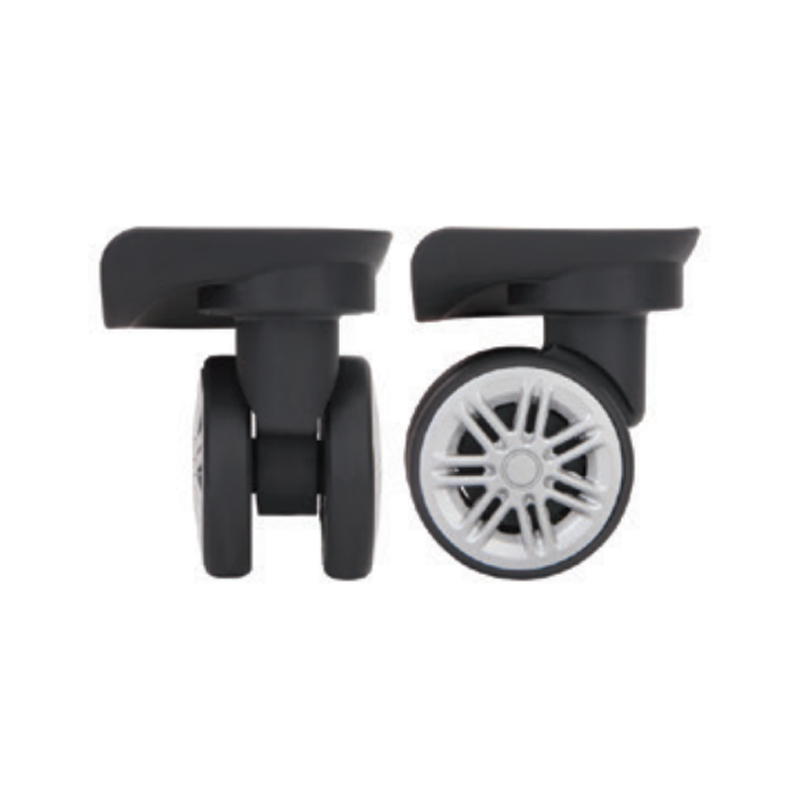
Model: Y-035-7-11
Specification: O: 50

