


 English
 中文简体
中文简体 русский
 Español
 عربى
عربى
H-016 Ethylene-Vinyl Acetate Fabric Suitcase
Material:600 Polyester
Size:20"24"28"32"




Business travel and short-distance trips continue to shape luggage purchasing decisions across many industries. Buyers are looking for products that reduce carrying effort, fit airline cabin requirements, and remain practical for frequent transportation. As a result, the Lightweight Carry-On Suitcase has become an important category for luggage manufacturers, distributors, wholesalers, and retail brands.
One of the primary goals in suitcase development is lowering weight without sacrificing everyday usability. Manufacturers typically achieve this by selecting materials that combine strength with lower mass.
Common shell materials include:
Each material offers different characteristics. Polycarbonate is known for impact resistance and flexibility. Polypropylene provides a lightweight structure and good chemical resistance. ABS remains a practical choice for cost-sensitive projects, while PC+ABS combines characteristics from both materials.
Soft-shell carry-on suitcases generally use polyester or nylon fabrics supported by lightweight frames. Fabric density, stitching quality, and frame construction all contribute to the final weight and overall handling experience.
Reducing unnecessary structural weight also benefits shipping efficiency. Lower product weight may allow more units per container depending on product dimensions and packaging configuration, an aspect many B2B buyers evaluate during sourcing.
Producing a Lightweight Carry-On Suitcase requires balancing several manufacturing processes rather than simply selecting lighter materials.
Manufacturers often improve product consistency through:
Injection molding and thermoforming are commonly used for hard-shell luggage production. These methods help create shells with consistent dimensions while controlling material usage.
Interior layouts have also become more organized. Compression straps, zippered dividers, and multiple storage compartments allow business travelers to separate clothing, electronics, and documents without adding unnecessary bulk.
Wheel systems receive considerable attention during production. Double-spinner wheels have become common because they distribute weight more evenly and support smoother movement across airport floors and hotel corridors.
B2B buyers now compare suppliers using a broader set of evaluation criteria than in previous years.
Typical purchasing considerations include:
| Procurement Factor | Why It Matters |
| Material consistency | Helps maintain stable product quality across production runs |
| Production capacity | Supports scheduled deliveries for seasonal demand |
| Customization options | Allows private-label and promotional projects |
| Component sourcing | Influences replacement part consistency |
| Packaging flexibility | Supports different retail and wholesale channels |
| Factory communication | Helps improve project coordination |
International buyers also review production times, sample development efficiency, and manufacturing experience before placing larger orders.
Product dimensions remain an important topic because airline cabin size limits differ among carriers. Manufacturers often develop several carry-on sizes to meet various regional market requirements while keeping products portable.
Current suitcase development emphasizes practical details instead of decorative complexity.
Several design directions have become increasingly common:
Color selection has also expanded beyond traditional black and silver. Neutral gray, navy, olive green, and soft metallic finishes have become common choices for commercial collections serving business travelers.
For manufacturers supplying international buyers, modular component design can simplify production planning. Shared wheel systems, handles, and lock structures across multiple suitcase models may improve production efficiency while allowing different exterior designs.
As travel patterns continue to favor shorter business trips and flexible schedules, the Lightweight Carry-On Suitcase remains an important product category for wholesalers, retailers, and brand owners seeking practical luggage solutions. Buyers increasingly value consistent manufacturing, adaptable customization, and efficient transportation features, making lightweight carry-on luggage an active area of product development and international sourcing.
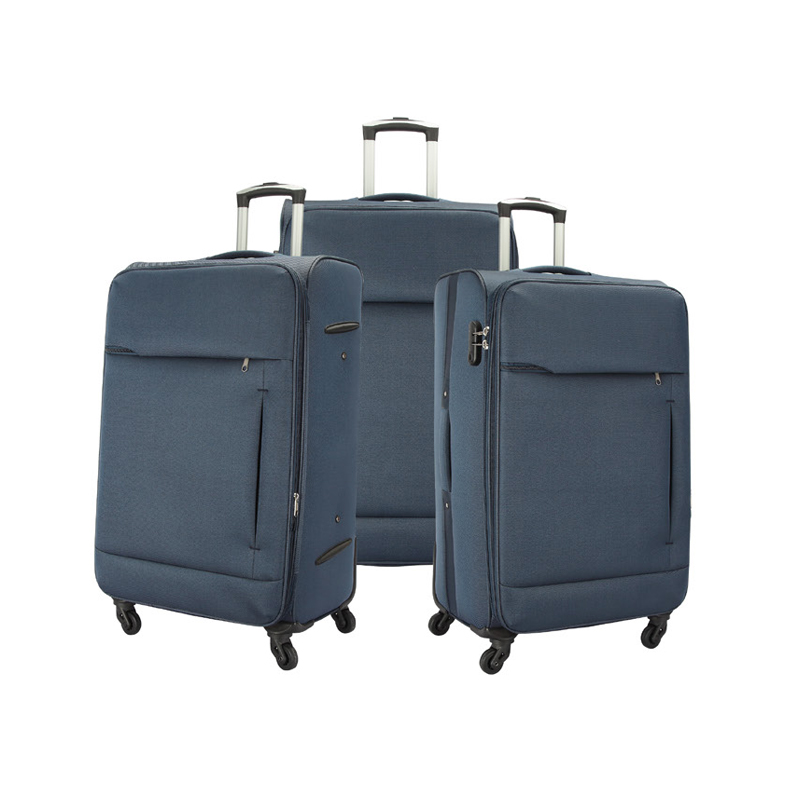
Material:600 Polyester
Size:20"24"28"32"
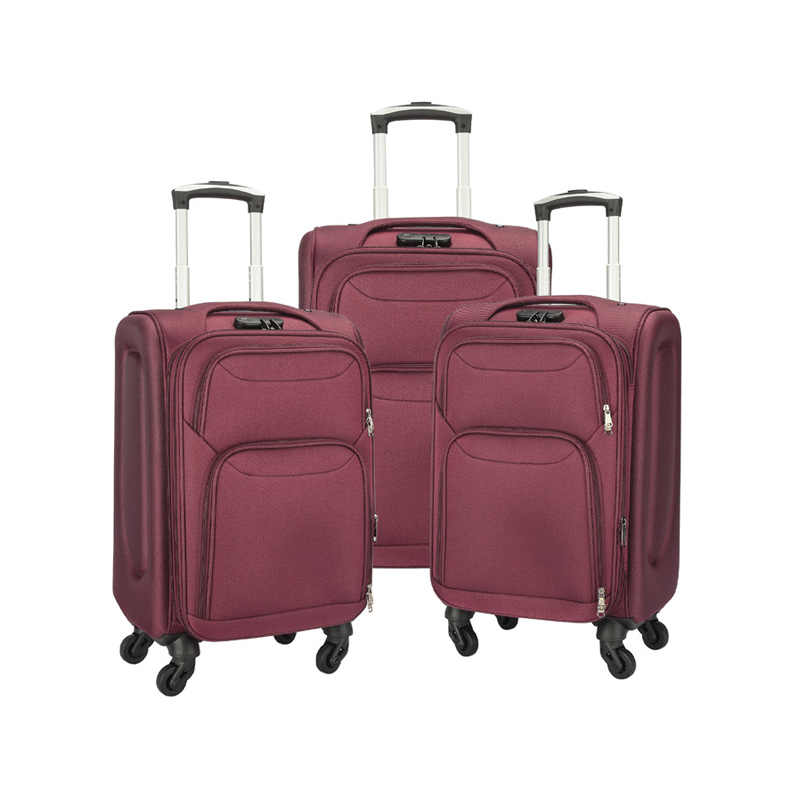
Material:600 Polyester
Size:20"24"28"32"
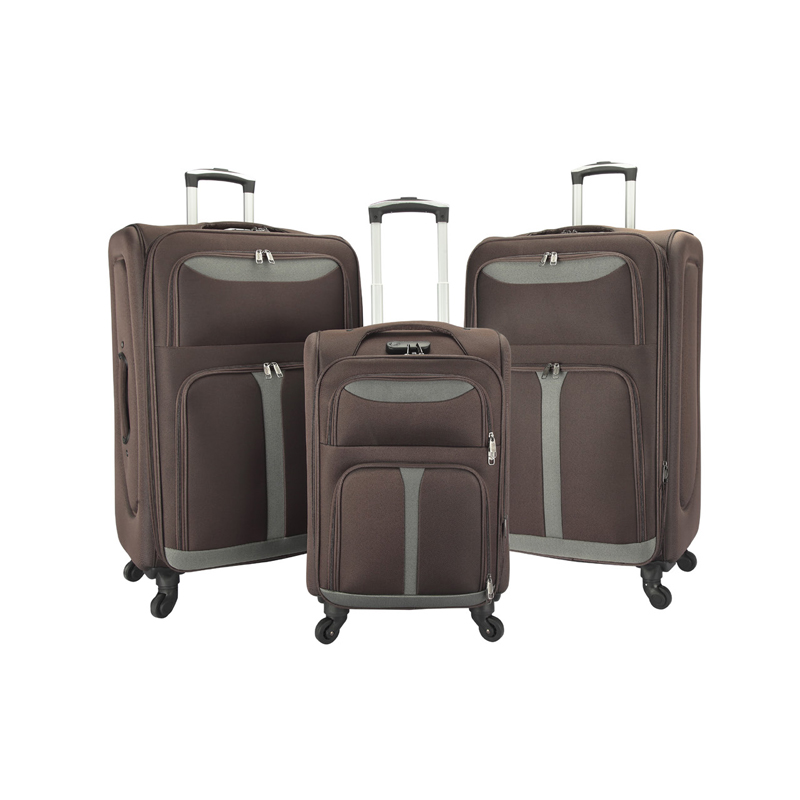
Material:600 Polyester
Size:20"24"28"32"
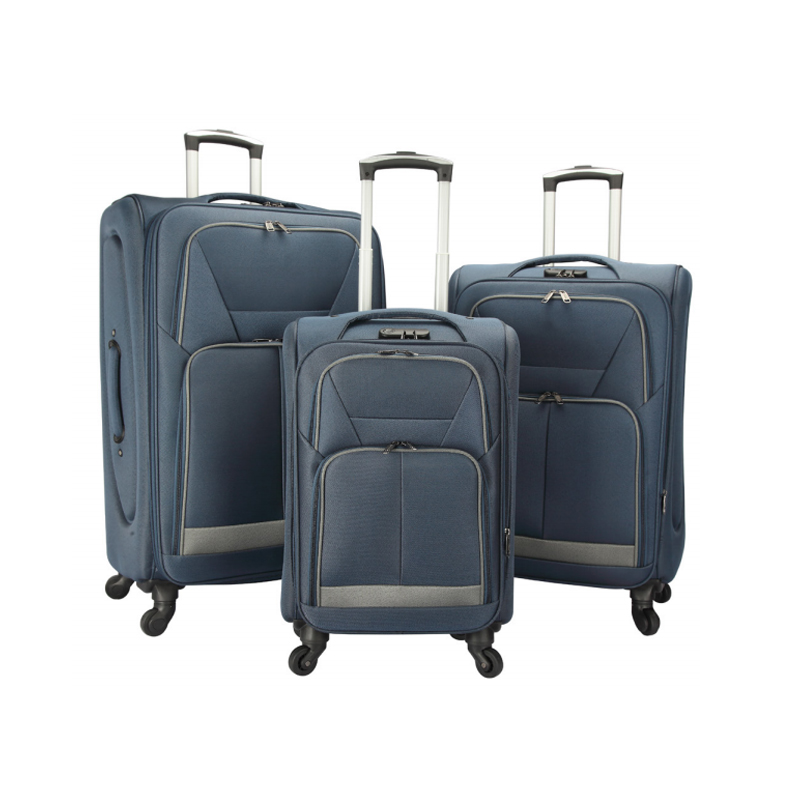
Material:600 Polyester
Size:20"24"28"32"
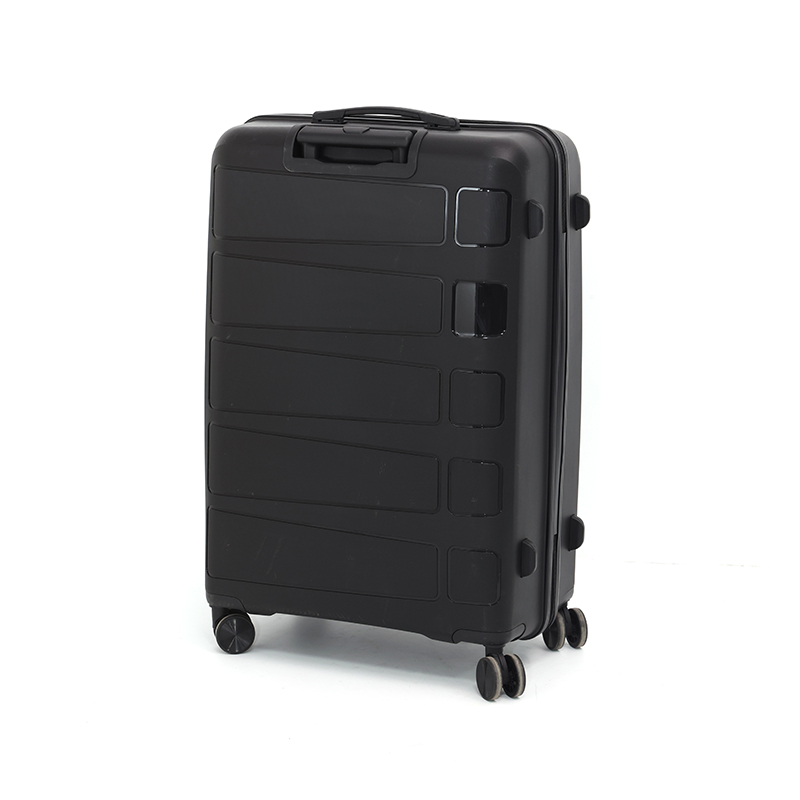
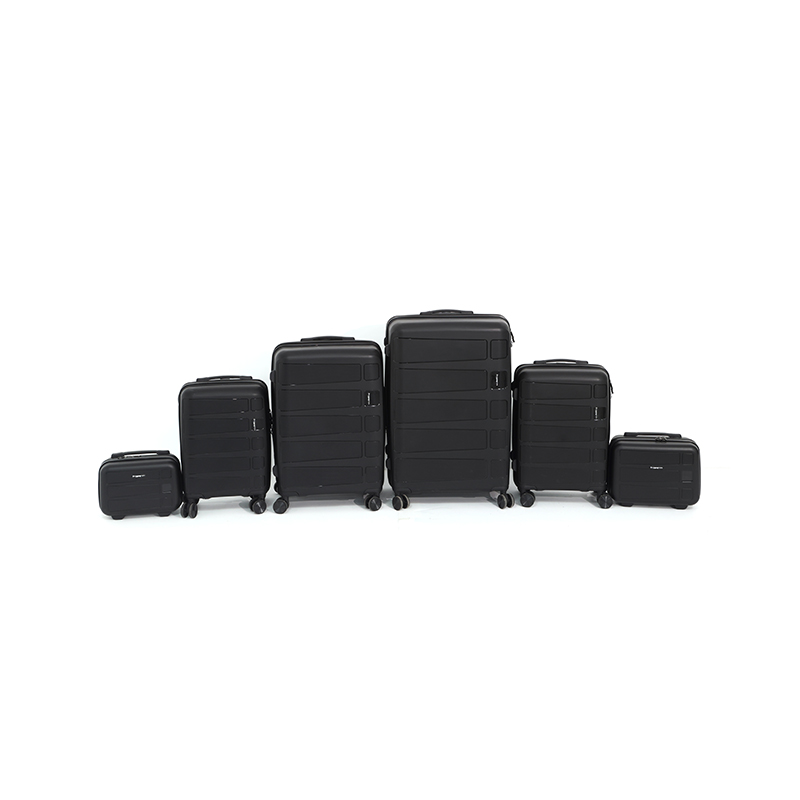
Size:12/14/18/20/24/28
31*21.5*14.5cm
33*25*16.5cm
50*33*20cm
53.5*35.5*23cm
63.5*42.5*27.5cm
73.5*49.5*30.5cm
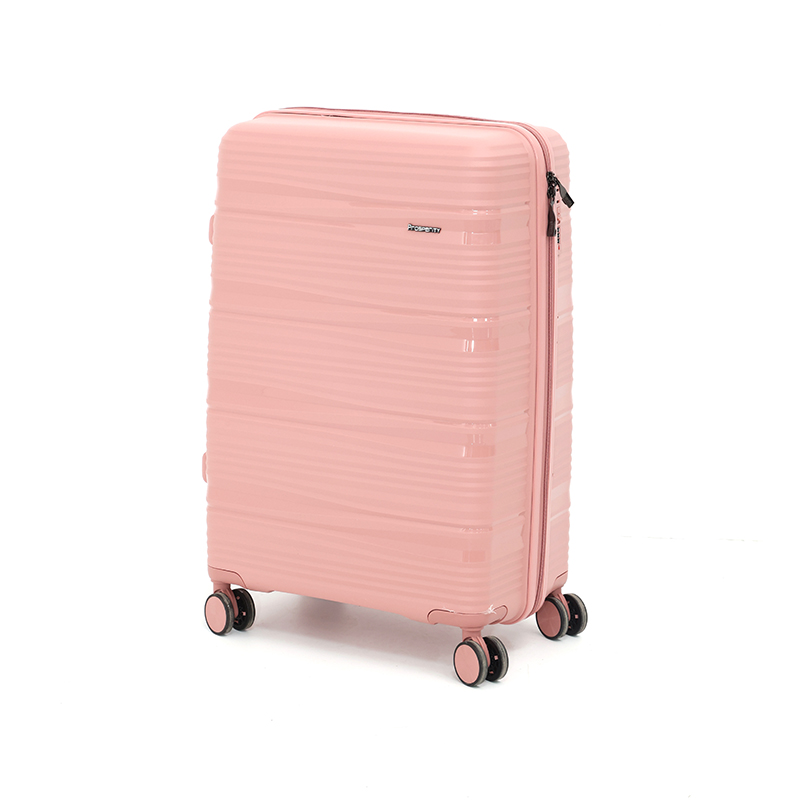
Size:14/18/22/26/30
33*25*16.5cm
50*33*20cm
59*38.5*24.5cm
68.5*44.5*29cm
78*51.5*34cm
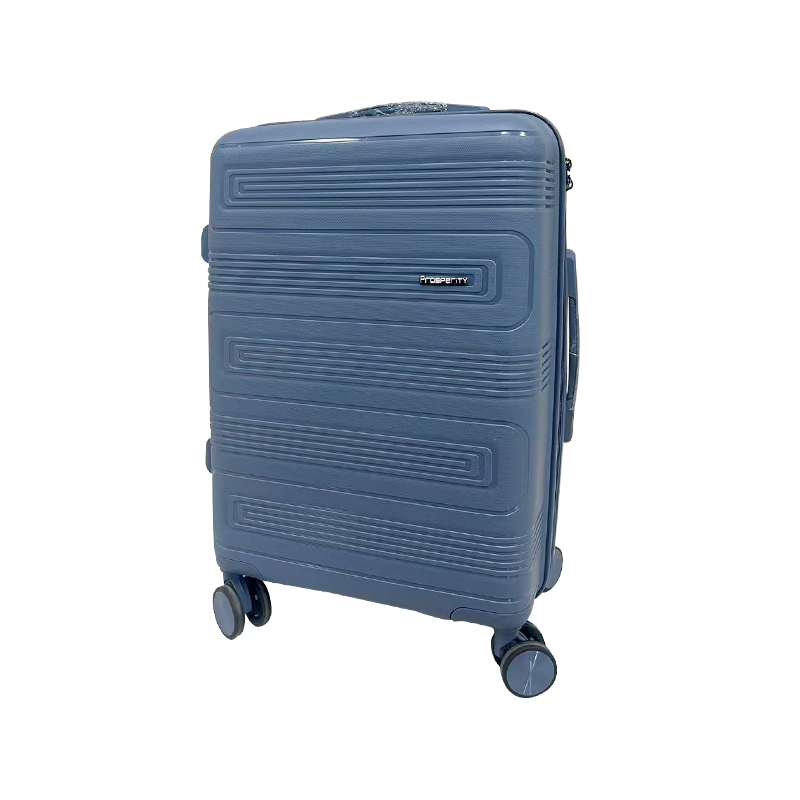
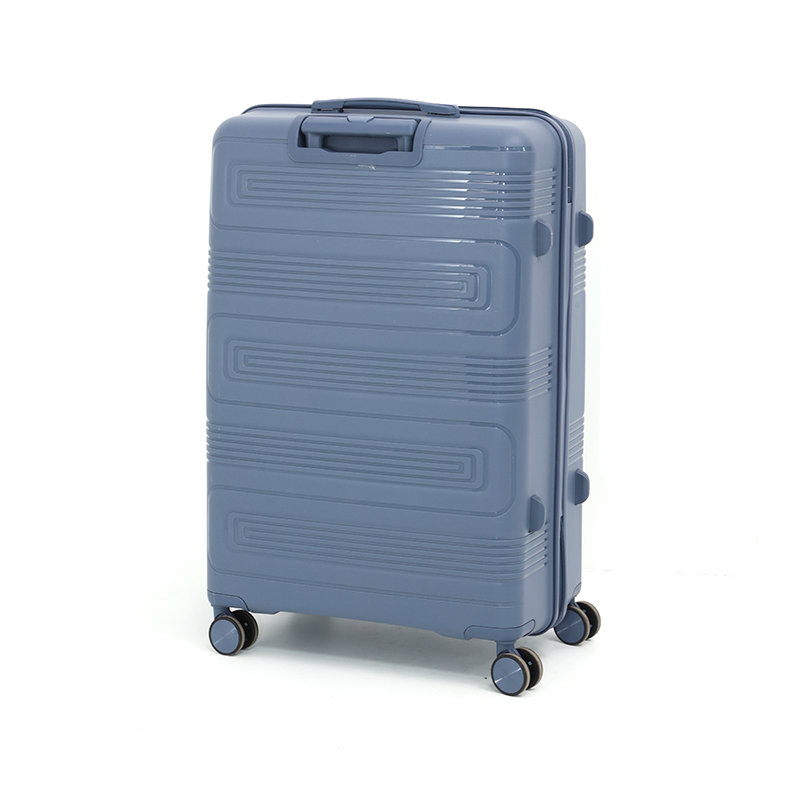
Size:15/21/25/29
37*26.5*18cm
56.5*37.5*23.5cm
65.5*43.5*28cm
76*50.5*31cm
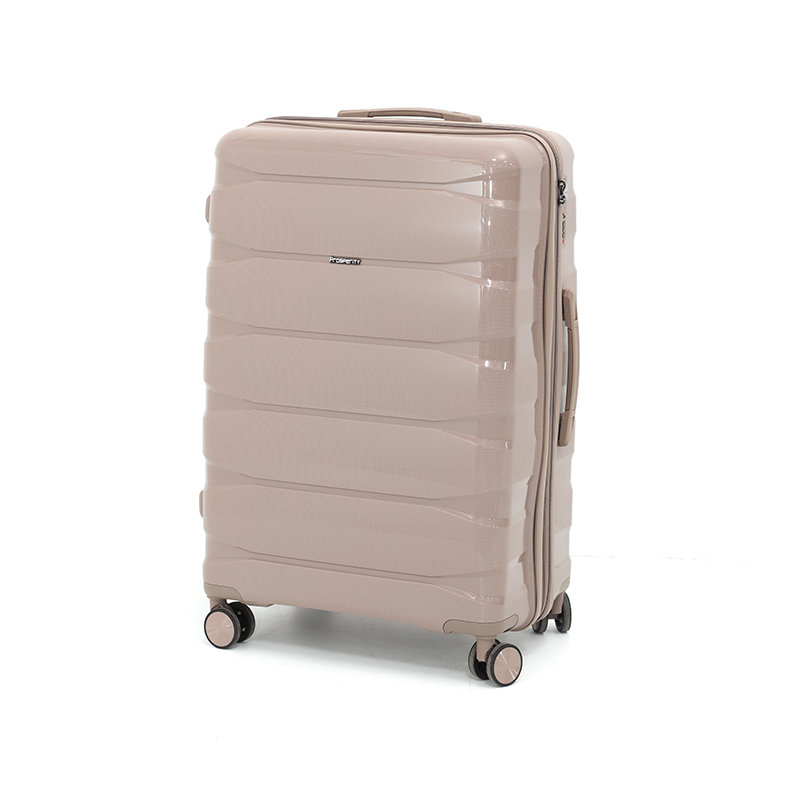
Size:13/19/23/27
32*22.5*16cm
52*34*21cm
61*40.5*26cm
70.5*46.5*29.5cm
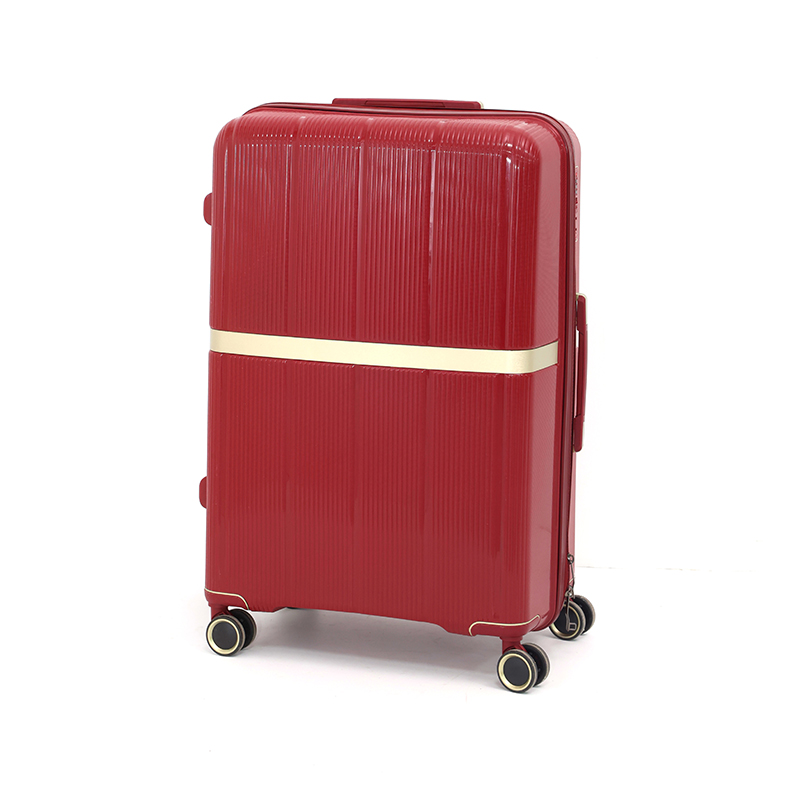
Size:14/18/20/24/28
33*25*16.5cm
50*33*20cm
53.5*35.5*23cm
63.5*42.5*27.5cm
73.5*49.5*30.5cm
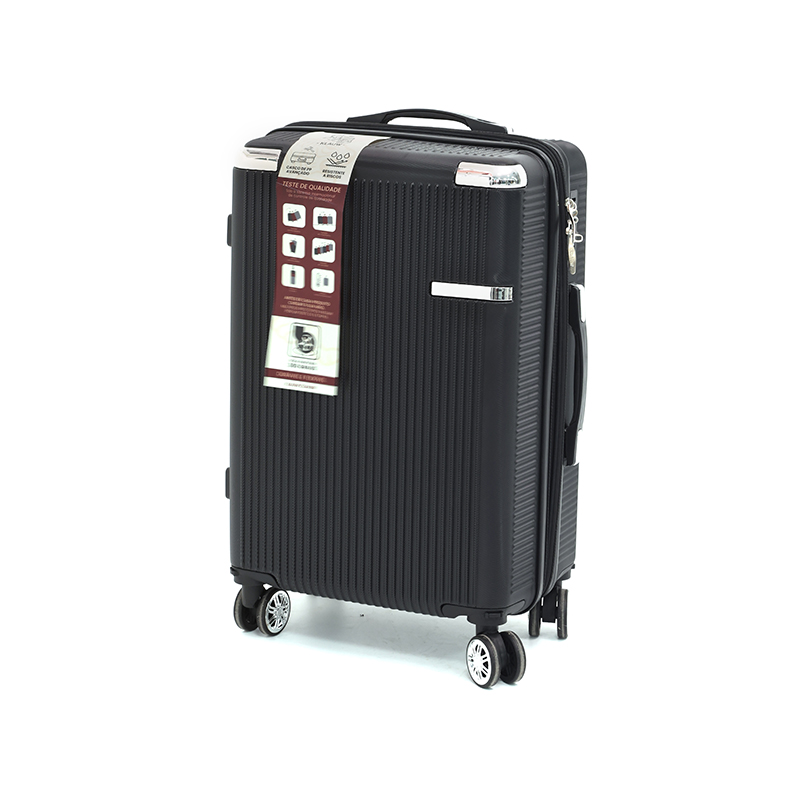
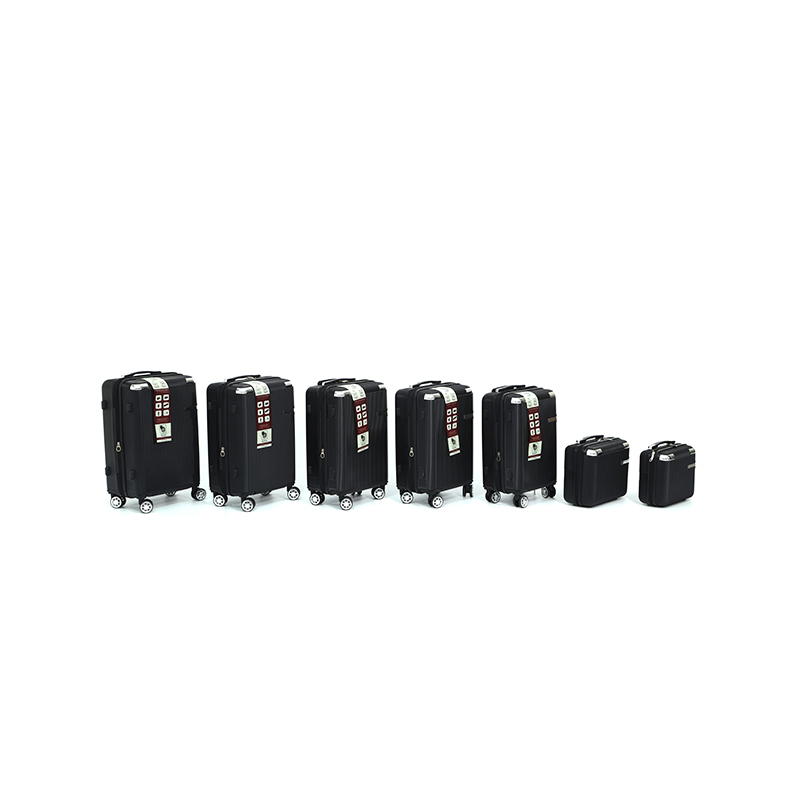
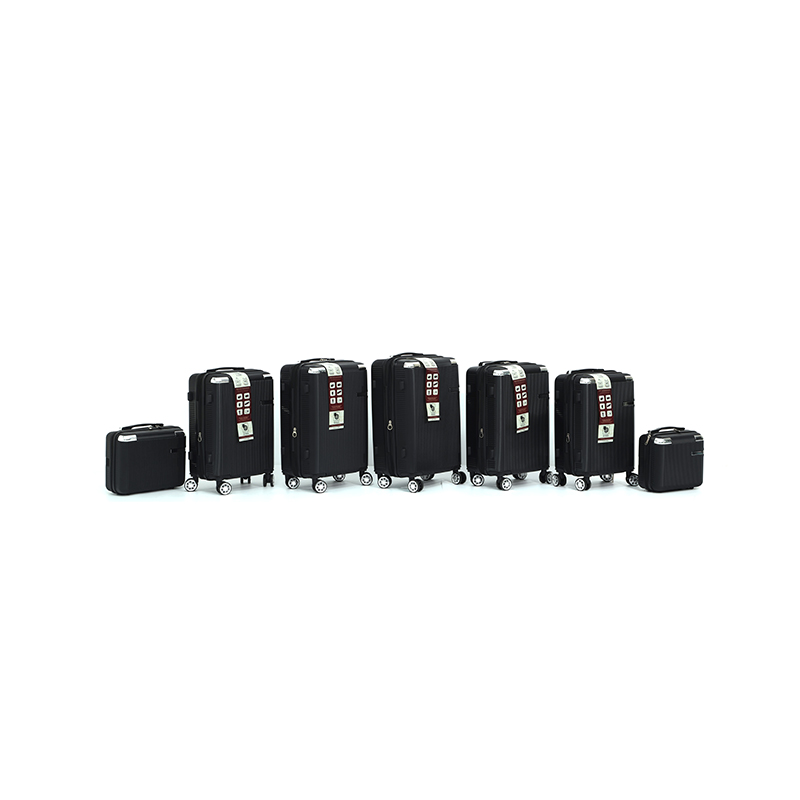
Size:12/14/18/19/20/21/22
Dimension:
31x26x15cm
35x30x16.5cm
52x35x23cm
53.5x35x25cm
56x36x25.5cm
58x38x26.5cm
60x39x28cm
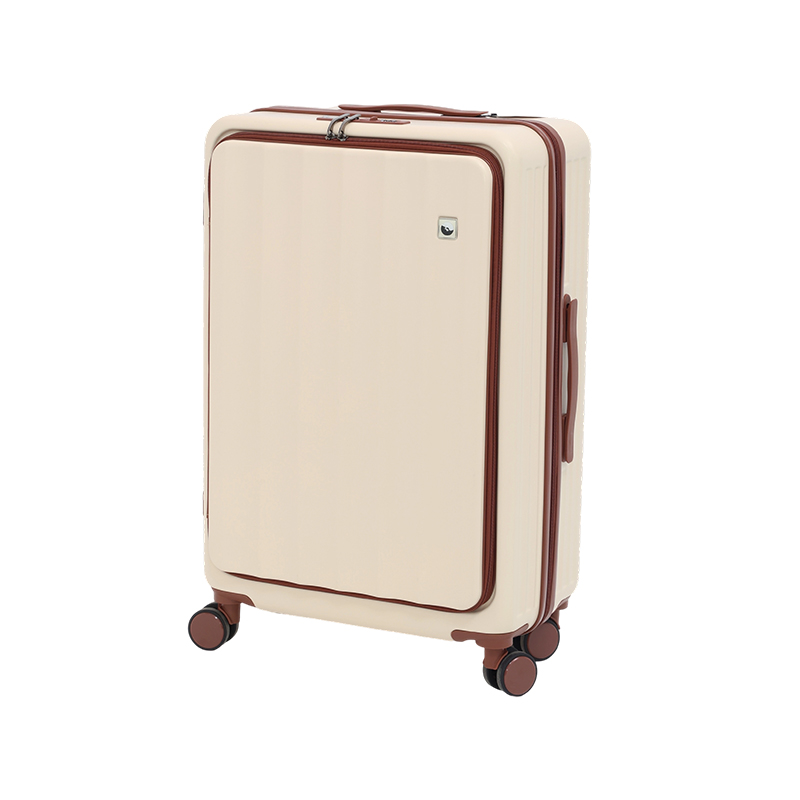
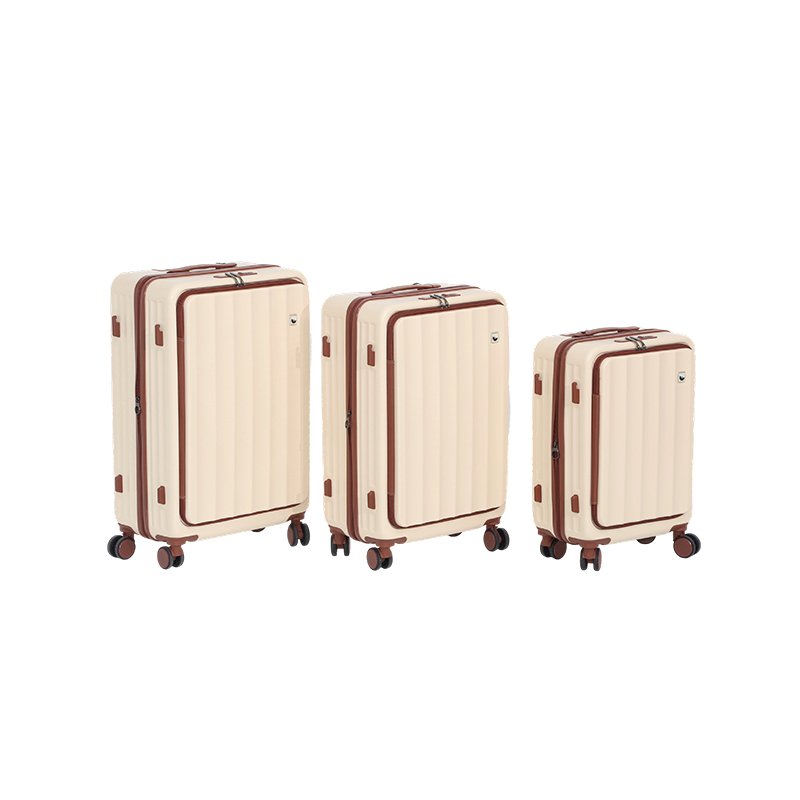
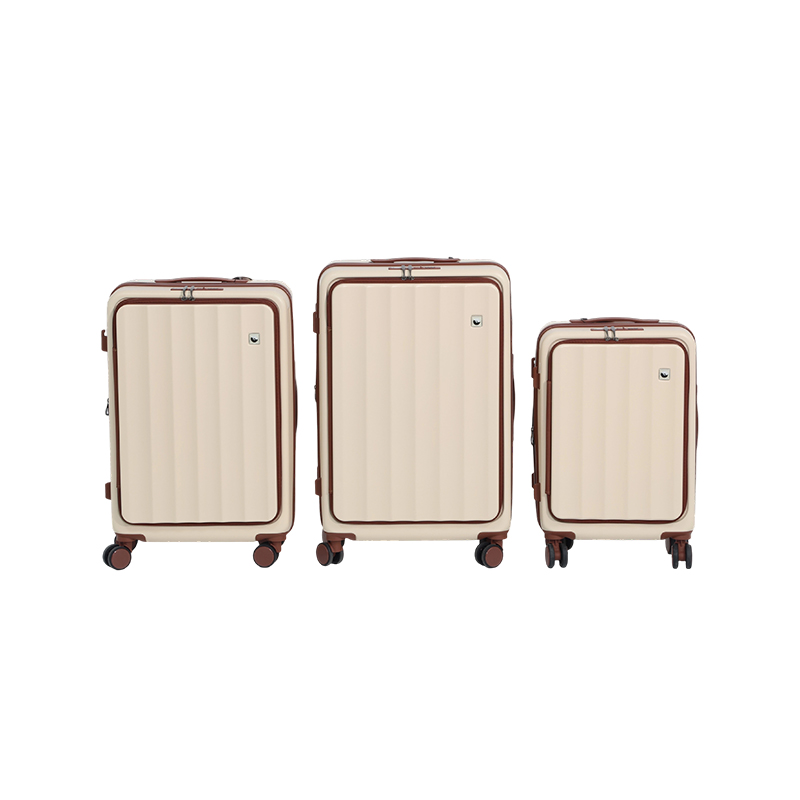
Size:20/24/28
55*35.5*23.5cm
64.5*42.5*26cm
69*45*27.5cm
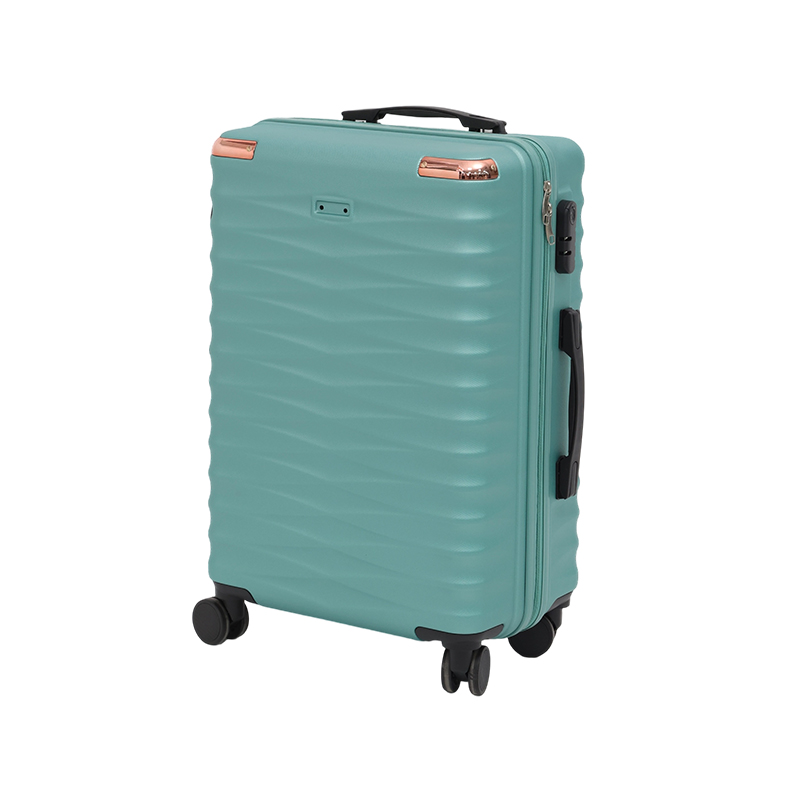
Size:19.5/23.5/27.5
19.5size:53.5×34×21cm/2.41kg
23.5size:61×39×25.5cm/3kg
27.5size:70.5×46×30cm/3.8kg
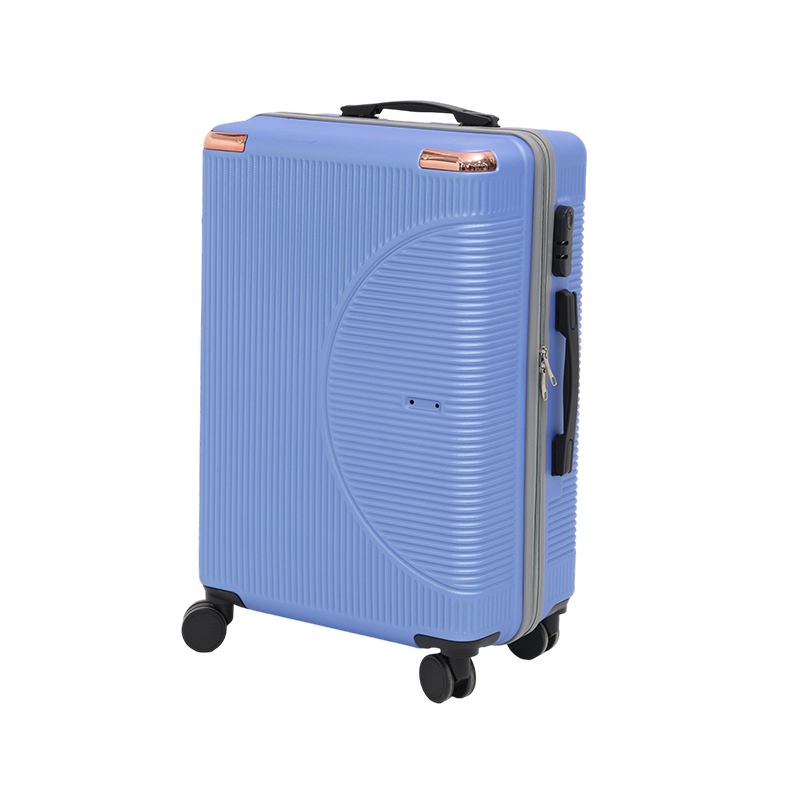
Size:20.5/24.5/28.5
20.5size:56.5×35×22cm/2.62kg
24.5size:64×41.5×27cm/3.35kg
28.5size:74.5×48×32.5cm/4.25kg
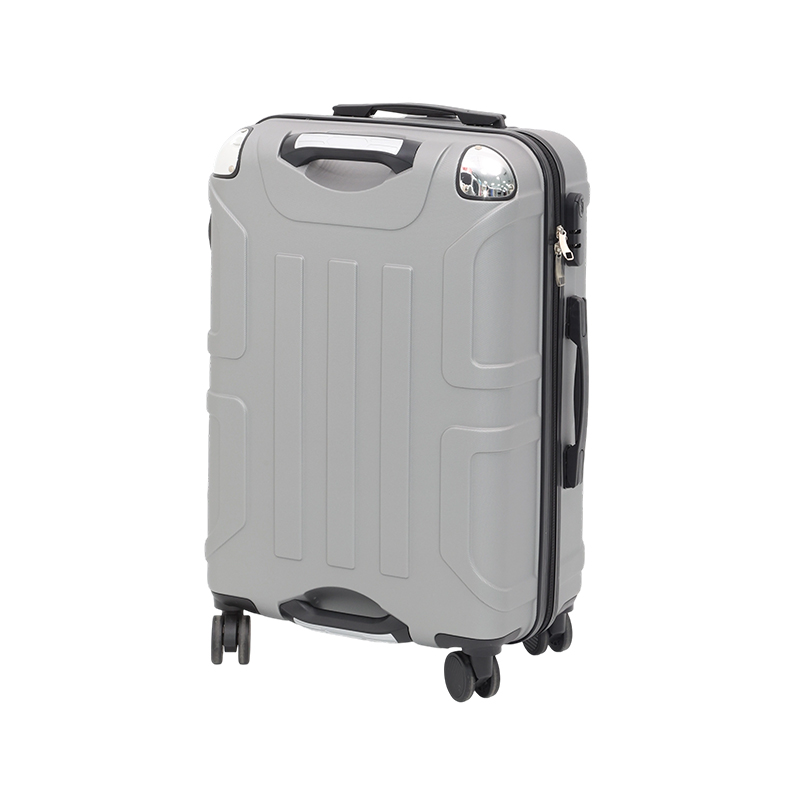
Size:19/23/27
19size: 54.5x34x21.5cm
23size: 62x39.5x25.5cm
27size: 71x46x29.5cm
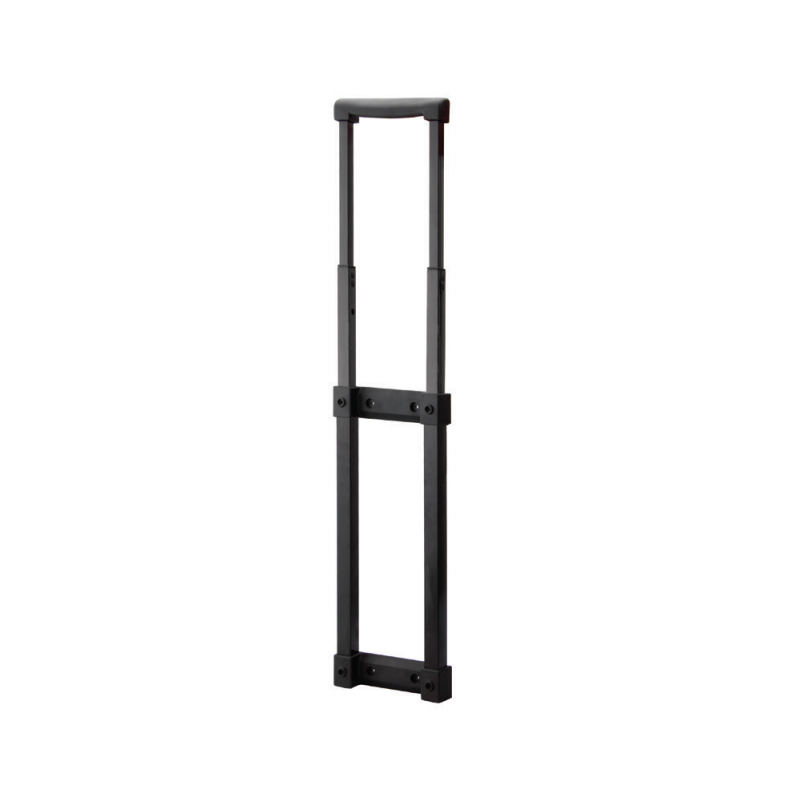
Model: LG-008
Sections: 2/3 sections
Small tube: 13×13mm
Middle tube: 16.5×16.5mm
Outer tube: 20×20mm
Outer tube: Iron tube
Inner tube: Iron tube
L: Specified length
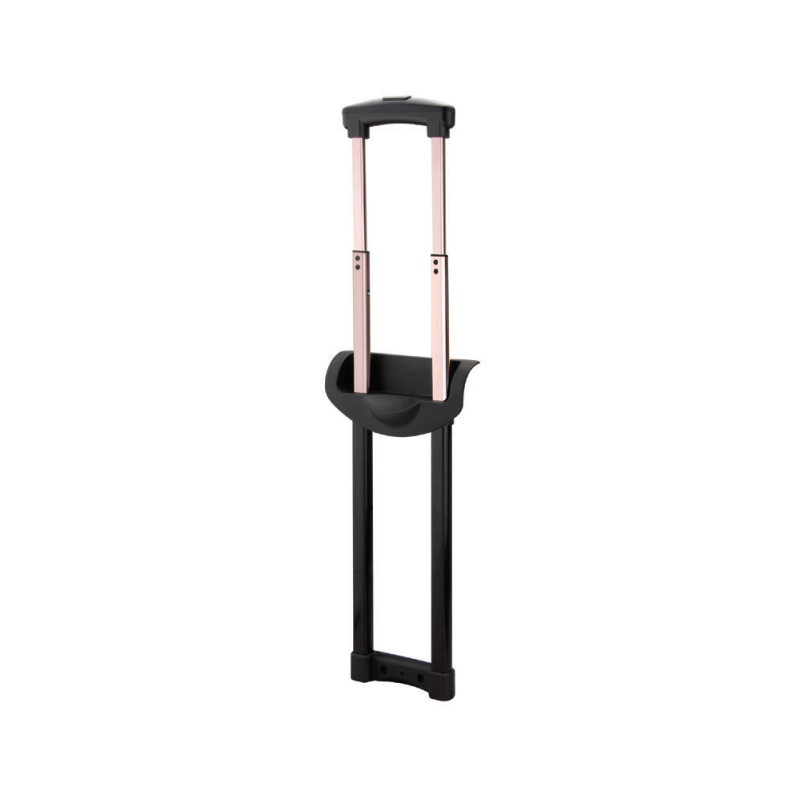
Model: LG-015B
Sections: 2/3 sections
Small tube: 12×18mm
Middle tube:17×23mm
Outer tube: 21×27mm
Outer tube: Iron tube
Inner tube: Aluminium tube, iron tube
L: Specified length
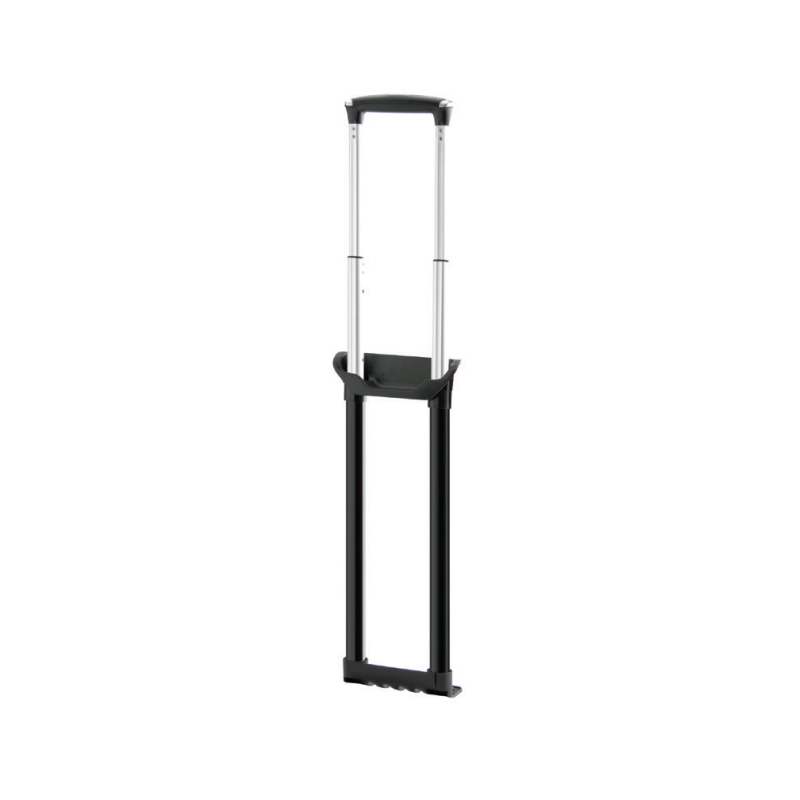
Model: LG-041
Number of sections: 2/3 sections
Small tube: 13×20.3mm
Middle tube:17.5×24.5mm
Outer tube: 21.5×28.5mm
Outer tube: Iron tube, Aluminium tube
Inner tube: Aluminium tube
L: Specified length
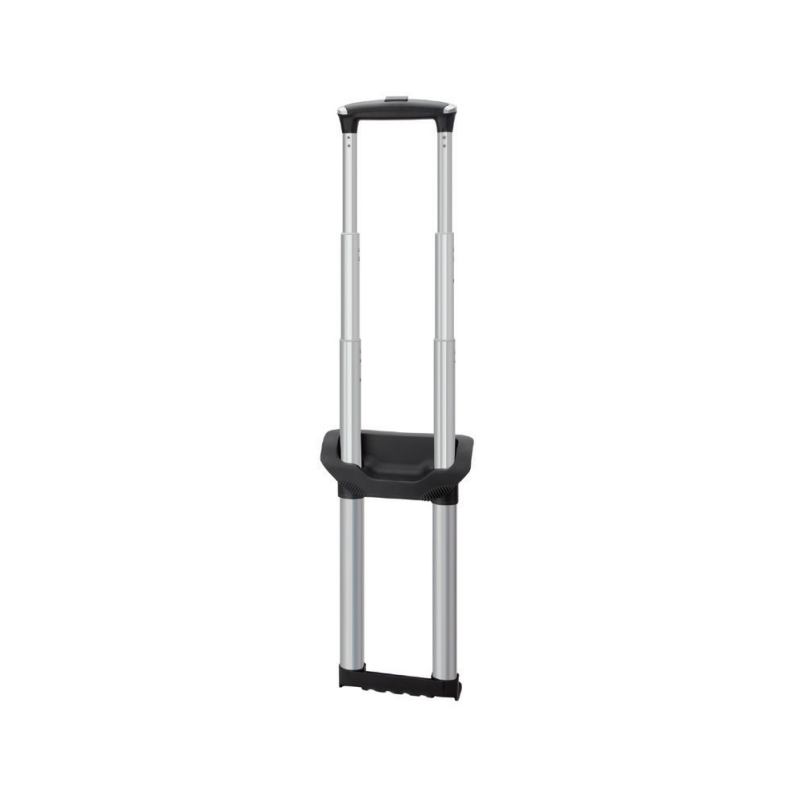
Model: LG-069
Number of sections: 4 sections
Small tube: 13×20.3mm
Middle tube:17.5×24.5mm
Outer tube: 19.5×27.5mm
Outer tube: 25.1×33.3mm
Outer tube: Iron tube
Inner tube: Aluminium tube
L: Specified length
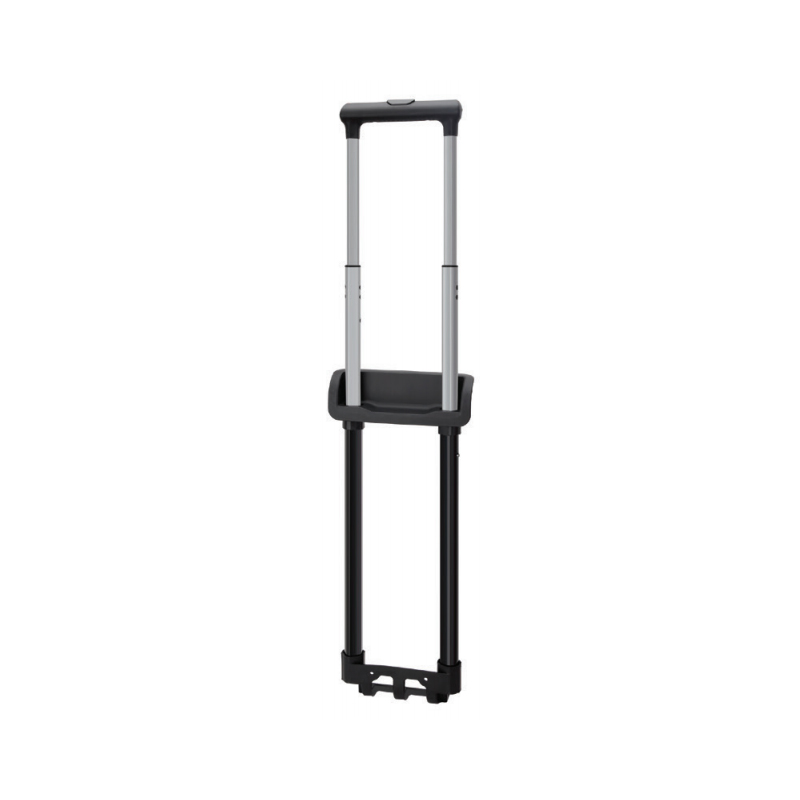
Model: LG-072
Number of sections: 2/3 sections
Small tube: 12×17.4mm
Middle tube:16.3×21.1mm
Outer tube: 21.2×25.1mm
Outer tube: Iron tube
Inner tube: Iron tube, Aluminium tube
L: Specified length
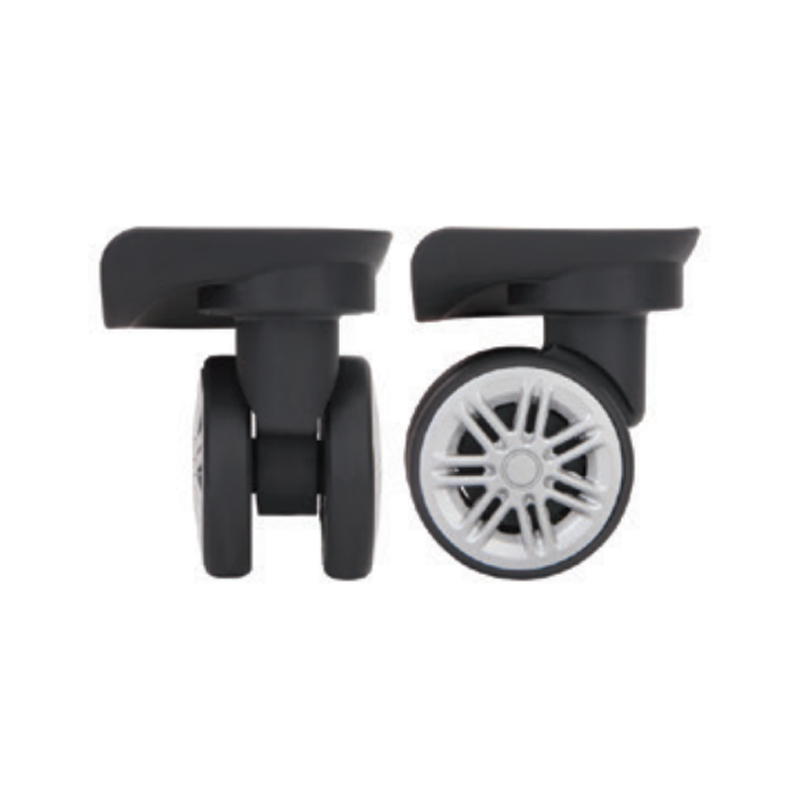
Model: Y-035-7-11
Specification: O: 50

